
Table of Contents
- Why Shelters Need Quality Thermal Blankets
- Benefits Of Purchasing Blankets In Case Packs
- Choosing Cotton Thermal Blankets
- Direct Textile Store Thermal Blanket Solutions
- Preparing Sleeping Areas For New Residents
- Supporting Emergency Shelter Operations
- Managing Cold Weather Demand
- Supporting Frequent Laundering
- Improving Blanket Distribution
- Supporting Family Shelter Accommodations
- Preparing For Temporary Occupancy Increases
- Supporting Long-Term Shelter Programs
- Managing Storage Space Efficiently
- Planning Blanket Replacement Needs
- Supporting Multiple Shelter Locations
- Preparing For Disaster Relief Programs
- Supporting Volunteer And Staff Coordination
- Planning Bulk Purchases For Long-Term Needs
- Conclusion
- Learn More About Our Experience Supplying Wholesale Linens → About Direct Textile Store
- FAQ
- Related Posts
Shelters need dependable bedding supplies that can provide warmth, comfort, and practical support for people staying in temporary or transitional accommodations. Whether serving emergency housing programs, family shelters, community facilities, or disaster-relief environments, quality thermal blankets can help shelters maintain comfortable sleeping areas while supporting changing occupancy levels. Reliable blankets are particularly valuable when facilities need to prepare beds quickly and maintain supplies for different seasons.
Because shelter environments can involve frequent use, laundering, storage, transportation, and changing numbers of residents, bedding needs to be practical and easy to manage. Purchasing blankets in case packs can help organizations maintain sufficient inventory without repeatedly placing small orders. A well-planned supply can also help shelters prepare for colder weather, emergency admissions, temporary increases in occupancy, and other situations that increase bedding demand.
For shelters seeking dependable bedding solutions, choosing suitable blankets can support resident comfort, inventory readiness, efficient distribution, and long-term operational planning.
Why Shelters Need Quality Thermal Blankets
Shelter environments can vary considerably depending on the population served and the type of accommodation provided. Some facilities operate year-round, while others respond to seasonal housing needs or emergency situations. In each setting, dependable bedding can play an important role in maintaining a comfortable sleeping environment.
Having suitable blankets readily available also helps staff respond quickly when residents arrive.
Providing Warmth For Shelter Residents
Reliable thermal blankets can help shelters provide an additional layer of warmth for beds, cots, and temporary sleeping arrangements. Their practical construction can make them useful in environments where bedding needs to be distributed and replenished regularly.
Maintaining an adequate supply allows staff to prepare sleeping spaces efficiently while responding to changing resident needs.

Benefits Of Purchasing Blankets In Case Packs
Shelters often need to manage bedding supplies across numerous sleeping areas. Individual blanket purchases can make inventory replenishment more difficult when demand changes quickly or when organizations need to prepare for seasonal increases.
Case-pack purchasing provides a practical approach to maintaining larger supplies.
Maintaining Ready-To-Use Inventory
Ordering thermal blankets in case quantities can help shelters keep backup bedding available for new residents, replacement needs, and unexpected increases in occupancy. Larger orders can also simplify procurement by reducing the frequency of individual purchases.
A dependable inventory helps staff distribute blankets without unnecessary delays.
Choosing Cotton Thermal Blankets
Material selection can influence how blankets fit into a shelter's bedding program. Facilities may consider comfort, handling, laundering requirements, and overall suitability when selecting products for regular use.
Cotton-based options can provide a familiar textile choice for organizations managing institutional bedding.
Supporting Comfortable Sleeping Areas
Cotton thermal blankets can provide a practical bedding option for shelters seeking comfortable textile products for residents. Their construction can be useful across beds, cots, and other sleeping arrangements where an additional layer is needed.
Maintaining consistent blanket options can help shelters establish a dependable bedding standard.
Direct Textile Store Thermal Blanket Solutions
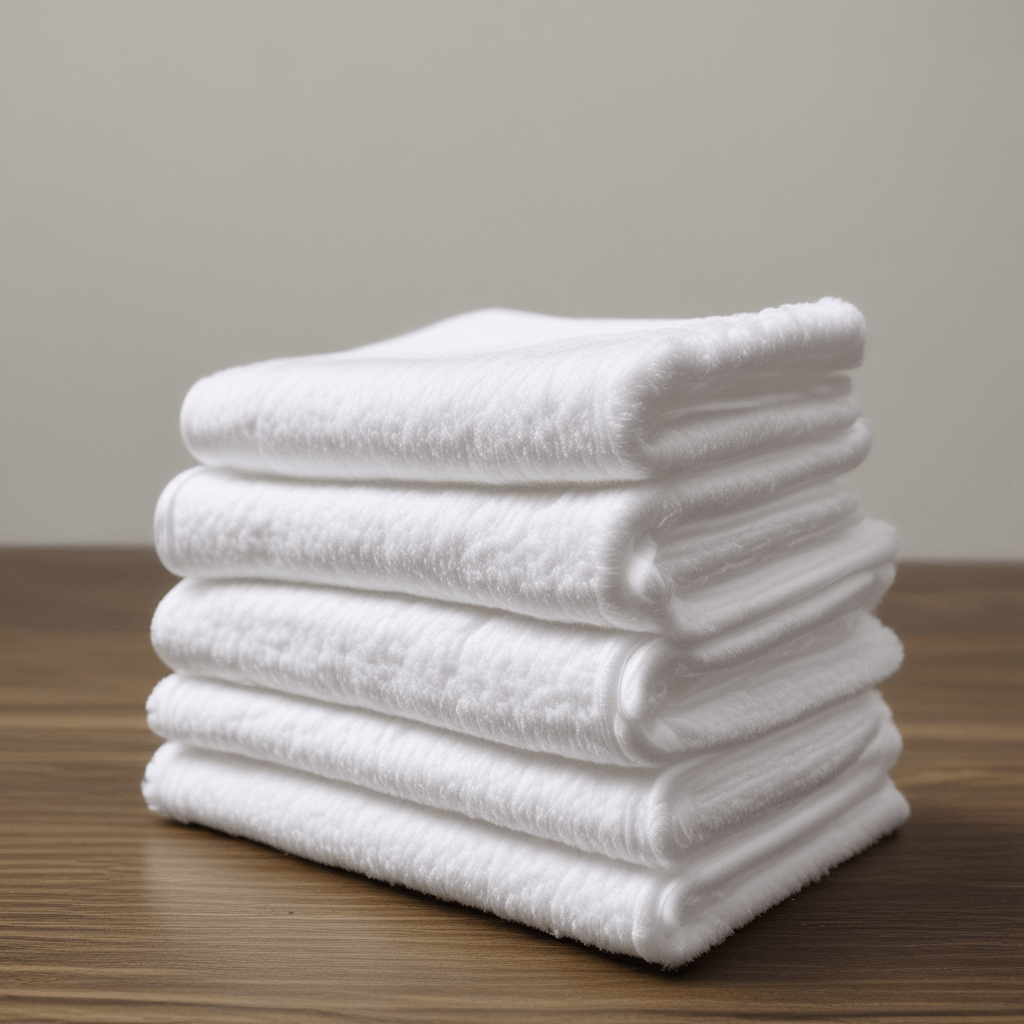
Shelters need bedding products that can handle regular use while supporting comfort and efficient inventory management. Order from Direct Textile Store microfiber thermal blankets designed for durability and comfort, suitable for shelters and high-use settings. Browse styles and case packs to outfit your operation.
Case-pack purchasing can help organizations build a practical blanket inventory while simplifying recurring supply needs.
Benefits For Shelters
Case-pack purchasing options
Suitable for high-use settings
Practical for shelter environments
Bulk purchasing availability
Comfortable bedding options
Useful for emergency preparedness
Suitable for frequent laundering routines
A structured blanket inventory can help shelters remain prepared while supporting resident comfort and operational efficiency.
Preparing Sleeping Areas For New Residents
Shelters may receive residents at different times throughout the day or night. New arrivals may require immediate access to beds, cots, blankets, and other basic accommodations.
Having bedding supplies ready can make the intake process more efficient.
Making Bed Preparation Easier
Keeping thermal blankets readily available can help shelter staff prepare sleeping spaces as residents arrive. Staff can distribute clean blankets without waiting for additional shipments or reallocating supplies from occupied rooms.
Ready-to-use bedding contributes to a more organized intake process.
Supporting Emergency Shelter Operations
Emergency shelters may experience sudden increases in demand following severe weather, natural disasters, displacement events, or other community emergencies. During these periods, bedding requirements can rise much faster than normal.
Advance preparation gives organizations greater flexibility.
Maintaining Backup Blanket Supplies
Additional thermal blankets can help shelters respond to unexpected increases in occupancy. Backup supplies can be stored until needed and distributed quickly when emergency accommodations are established.
Prepared inventory can help organizations respond without waiting for urgent replenishment.
Managing Cold Weather Demand
Shelters frequently experience greater bedding demand during colder months. Residents may require additional layers to remain comfortable, while emergency housing programs may experience increased occupancy.
Seasonal planning can help organizations prepare before temperatures drop.
Preparing For Winter Conditions
Maintaining extra cotton thermal blankets before winter can help shelters prepare for increased demand. Organizations can assess existing inventory and replenish supplies ahead of colder weather rather than waiting until demand peaks.
Early preparation can make winter shelter operations more predictable.

Supporting Frequent Laundering
Shelter bedding can require regular laundering because blankets may be used by different residents over time. Cleaning schedules may also vary depending on facility procedures, occupancy, and available laundry capacity.
A dependable blanket program should account for these cycles.
Maintaining A Consistent Rotation
Keeping enough thermal blankets available allows shelters to rotate clean products while other blankets are being processed. Multiple sets can provide flexibility when laundry turnaround takes longer than expected.
A planned rotation helps maintain bedding availability throughout the week.
Improving Blanket Distribution
Shelters may have multiple sleeping rooms, dormitory areas, family spaces, or temporary accommodations. Without organized distribution procedures, staff may spend unnecessary time locating and moving blankets.
Centralized storage can make the process more efficient.
Simplifying Supply Management
Organizing thermal blankets in clearly designated storage areas can help staff distribute bedding efficiently. Shelters can establish specific locations for clean blankets, used products, emergency reserves, and seasonal inventory.
Organized distribution supports smoother daily operations.
Supporting Family Shelter Accommodations
Family shelters may need to accommodate parents, children, and other household members within shared or private sleeping areas. Different occupants may have different bedding requirements.
Flexible inventory can help staff respond to these needs.
Equipping Family Sleeping Areas
Maintaining cotton thermal blankets can help shelters provide additional bedding layers for family rooms, individual beds, and temporary sleeping arrangements. Having enough blankets available allows staff to prepare accommodations according to household size.
Flexible supplies can make family shelter operations easier to manage.
Preparing For Temporary Occupancy Increases
Shelter occupancy can change quickly because of weather conditions, community events, housing shortages, or emergency circumstances. A facility that normally operates below capacity may suddenly need to prepare additional beds.
Inventory planning should account for these fluctuations.
Keeping Extra Bedding Available
Maintaining backup thermal blankets can give shelters flexibility when occupancy rises unexpectedly. Additional blankets can be distributed to newly prepared beds without immediately affecting supplies assigned to existing residents.
Extra inventory provides an important operational buffer.
Supporting Long-Term Shelter Programs
Some residents may stay in shelters for extended periods while searching for permanent housing or receiving support services. Long-term programs therefore need bedding supplies that can remain part of daily operations.
Consistent products can make ongoing inventory management easier.
Maintaining Resident Comfort
Quality thermal blankets can help provide comfortable sleeping arrangements for residents who remain at a shelter for longer periods. Replacements can also be kept available when existing blankets need to be removed from service.
Reliable bedding contributes to a supportive accommodation environment.
Managing Storage Space Efficiently
Shelters often have limited storage areas, making it important to organize bedding efficiently. Blankets need to remain accessible while avoiding unnecessary clutter in supply rooms.
Case-pack purchasing can be incorporated into an organized storage plan.
Organizing Blanket Inventory
Storing thermal blankets according to size, type, usage status, or seasonal requirements can help staff locate supplies quickly. Clear labels can also make inventory counts and replenishment easier.
Efficient storage helps shelters use available space more effectively.

Planning Blanket Replacement Needs
Blankets may eventually need to be replaced because of normal wear, stains, damage, or loss. Shelters that rely on a limited number of blankets can face supply problems when several products need replacement simultaneously.
Maintaining reserve inventory can reduce this risk.
Keeping Replacement Supplies Ready
Additional cotton thermal blankets can help shelters replace products that are no longer suitable for immediate use. Having replacement blankets on hand allows staff to maintain sleeping accommodations without waiting for another shipment.
A planned replacement process supports continuity.
Supporting Multiple Shelter Locations
Larger nonprofit organizations and community service providers may operate several shelters or temporary housing sites. Each location can have different occupancy levels and bedding requirements.
Centralized purchasing can help create consistent standards across locations.
Creating Consistent Bedding Programs
Using standardized thermal blankets across appropriate facilities can simplify ordering, storage, distribution, and replacement. Central procurement can also make it easier to transfer supplies between locations when one site experiences higher demand.
Consistency can improve operational coordination across a shelter network.
Preparing For Disaster Relief Programs
Some organizations operate shelters as part of broader disaster-response programs. These facilities may need to establish temporary sleeping areas quickly and accommodate people with limited notice.
Portable and readily available bedding supplies can support rapid deployment.
Building Emergency Bedding Reserves
Maintaining thermal blankets as part of an emergency reserve can help organizations respond when temporary shelters need to open quickly. Case-pack inventory can provide multiple blankets that are ready for distribution when circumstances change.
Prepared reserves can strengthen emergency response capabilities.
Supporting Volunteer And Staff Coordination
Shelter operations often involve employees, volunteers, and community organizations working together. Clear procedures for bedding storage and distribution can help everyone understand where supplies are located and how they should be handled.
Simple systems reduce confusion during busy periods.
Creating Easier Distribution Procedures
Organizing thermal blankets into clearly identified supply areas allows staff and volunteers to distribute bedding more efficiently. Standard procedures can also help ensure that clean blankets are separated from used products.
Clear processes support smoother teamwork.
Planning Bulk Purchases For Long-Term Needs
Shelters can benefit from evaluating expected occupancy, seasonal demand, laundry capacity, storage space, and replacement rates before placing larger orders. A purchasing plan helps organizations determine how many blankets should remain available as active inventory and how many should be held as backup.
This approach can make procurement more predictable.
Building A Sustainable Blanket Inventory
Purchasing thermal blankets in suitable case quantities can help shelters establish a reliable supply without relying on frequent emergency orders. Monitoring usage over time can help organizations adjust future purchases according to actual demand.
A planned inventory strategy supports long-term shelter operations.
Conclusion
Choosing dependable thermal blankets can help shelters provide warmth, comfort, and practical bedding support across daily operations, emergency accommodations, seasonal demand, and long-term resident stays. From preparing new sleeping areas and supporting family accommodations to managing laundry cycles, storage, replacements, and multiple facilities, reliable blankets can play an important role in maintaining organized shelter services.
For organizations seeking practical bedding solutions, cotton blankets can provide another option for shelters managing regular and high-use environments. Purchasing blankets in case packs and maintaining backup inventory can help organizations stay prepared for changing occupancy, colder weather, emergency response needs, and ongoing operational requirements.

Learn More About Our Experience Supplying Wholesale Linens → About Direct Textile Store
Direct Textile Store is a leading U.S. wholesale linen and textile supplier trusted by over 131,000 hotels, hospitals, healthcare facilities, restaurants, spas, salons, resorts, gyms, emergency shelter and response, funeral homes, VRBO & Airbnb hosts, car washes, and commercial buyers nationwide. Shop in bulk with everyday low wholesale pricing and automatic 20% case-pack discounts — no coupons or minimums required. Choose from one of the largest in-stock selections available: over 135,000 towels, pool towels, sheets, blankets, comforters, tablecloths, pillows, bed toppers, aprons, hospital gowns, patient gowns, isolation gowns, scrubs, shower curtains, chef apparel, smocks, lab coats, uniforms, and commercial laundry equipment including wire, vinyl, and poly laundry carts, trucks, and privacy screens — all ready to ship today. Free shipping on orders over $5,999.
FAQ
What should shelters consider when purchasing thermal blankets in case packs?
Shelter purchasing teams should evaluate warmth, durability, fabric construction, size, comfort, and ease of care when selecting thermal blankets. Shelters may need bedding that can handle frequent use, changing occupancy levels, and regular laundering while remaining comfortable for residents. Case-pack purchasing can also help organizations maintain a dependable blanket supply without frequent individual-item orders.
Why are thermal blankets a practical choice for shelters?
Commercial thermal blankets can provide lightweight warmth and comfortable coverage for shelters serving individuals during temporary or extended stays. Their practical construction makes them useful in emergency shelters, transitional housing, community facilities, and other high-use environments. Durable blankets can also support repeated use while helping organizations maintain consistent bedding standards.
What are the benefits of cotton thermal blankets for shelters?
Cotton thermal blankets can offer a comfortable and breathable bedding option for shelters that need versatile blankets for different occupants. Cotton provides a familiar feel and can be suitable for regular laundering when cared for according to product recommendations. Keeping dependable cotton blankets available can also help shelters respond to changing resident needs.
How do case packs benefit shelter blanket inventory management?
Ordering thermal blankets in case packs allows shelters to replenish inventory efficiently and maintain additional blankets for periods of higher demand. Case-pack purchasing can simplify storage, distribution, and recurring procurement while reducing the need to place frequent small orders. Maintaining a planned supply also helps staff respond quickly when additional bedding is required.
How can shelters maximize the lifespan of their thermal blanket inventory?
Shelters can extend the service life of cotton thermal blankets by rotating inventory, following recommended laundering procedures, and storing clean blankets in organized, dry areas. Regular inspection can help staff identify blankets with excessive wear or damage before distributing them. Proper inventory management can preserve usable bedding while helping control replacement expenses.
Why is standardized blanket inventory important for shelters?
Using matching thermal blankets throughout sleeping areas creates a consistent and organized bedding program while making distribution and inventory tracking easier. Standardized blankets can also simplify replacement ordering when individual pieces become worn or damaged. A coordinated supply helps shelter staff maintain dependable bedding availability across different rooms or service areas.
Where can shelters order thermal blankets in case packs?
Emergency shelters, homeless shelters, transitional housing programs, disaster-response organizations, and other community facilities commonly purchase bedding from commercial textile suppliers specializing in institutional products. Direct Textile Store offers thermal blankets and cotton thermal blankets designed for dependable warmth, repeated use, commercial laundering, and efficient case-pack purchasing. Working with a commercial textile supplier can help shelters maintain consistent blanket inventory while preparing for routine occupancy and periods of increased demand.
Related Posts
Where Can I Buy Snag-Resistant Thermal Blankets For An Emergency Response Team?