
Table of Contents
- Key Takeaways
- What Makes a Short Sleeve Chef Shirt Different From a Chef Coat?
- Which Kitchens Benefit Most From Short Sleeve Chef Shirts?
- Why Do Gripper Snap Buttons Matter on a Cook Shirt?
- What Does a 65/35 Polyester Cotton Poplin Offer?
- Is a 4.5 oz Fabric Weight Right for a Hot Kitchen?
- How Do Chef Shirts Compare With Other Kitchen Tops?
- Are Short Sleeves Safe in a Commercial Kitchen?
- How Many Chef Shirts Does Each Cook Need?
- How Should You Care for White Cook Shirts?
- What Should Cooks Wear With a Chef Shirt?
- How Does Buying Chef Shirts in Case Packs Work?
- Why Buy From Direct Textile Store
- Conclusion
- Learn More About Our Experience Supplying Wholesale Linens → About Direct Textile Store
- FAQ
- Related Topics
Yes, short sleeve chef shirts suit most commercial kitchens, especially hot line, prep and fast-casual stations where heat and movement matter. A lightweight poly-cotton option like the Chef Trend S102 White Cook Shirt from Direct Textile Store gives cooks a clean, professional look with more airflow than a long sleeve coat.
Key Takeaways
- Short sleeve chef shirts work best where heat, speed and arm mobility matter more than forearm coverage.
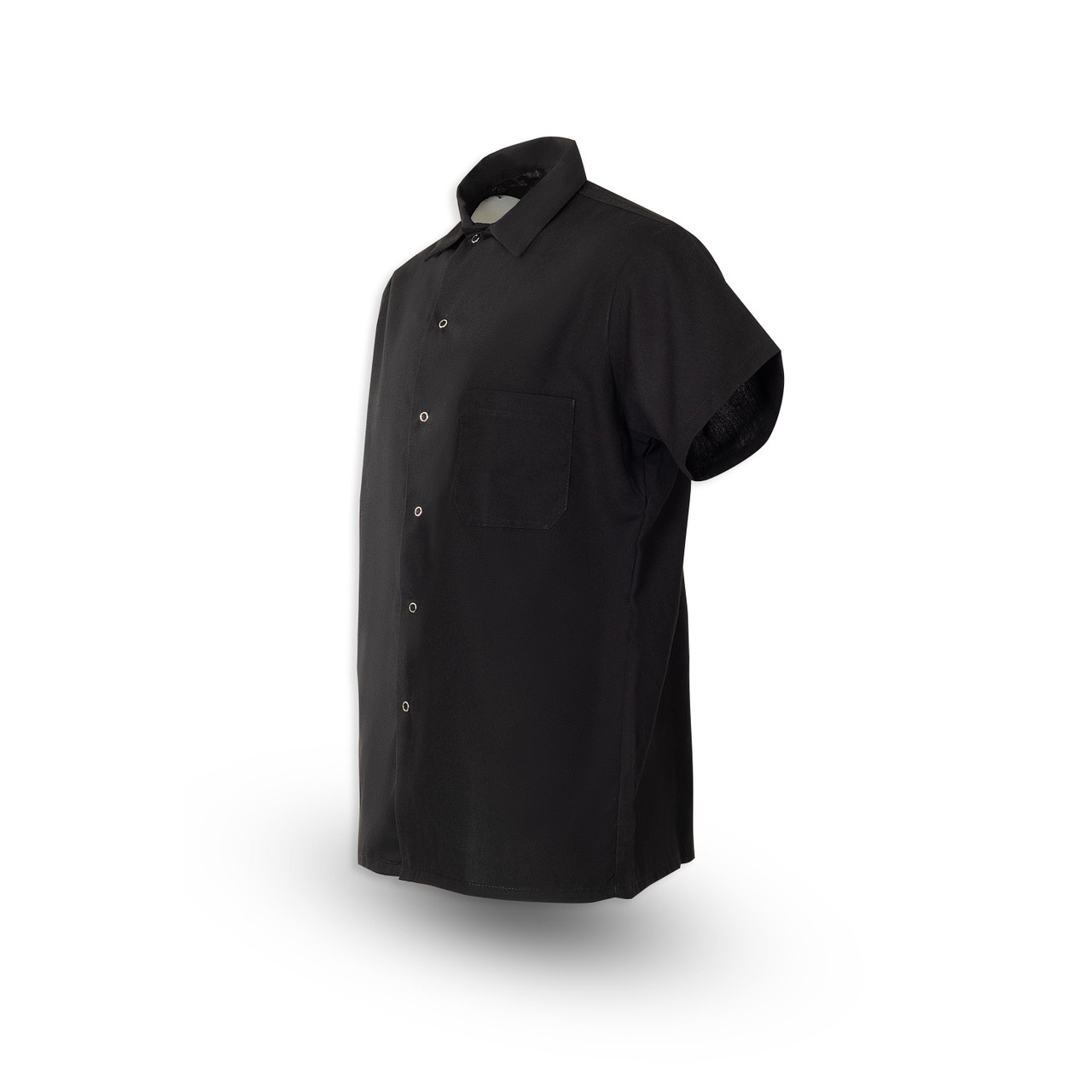
- The Chef Trend S102 White Cook Shirt is 65% polyester and 35% cotton in a 4.5 oz ringspun poplin.
- It has six gripper snap buttons and one left upper chest pocket.
- Plan two to three shirts per cook per week at minimum, then adjust for your laundry cycle.
- Buying in wholesale case packs keeps a whole kitchen crew uniform and easy to restock.
What Makes a Short Sleeve Chef Shirt Different From a Chef Coat?
A chef shirt is a lighter, simpler top with short sleeves, while a traditional chef coat is usually a heavier, long sleeve, double-breasted garment. Both belong in a professional cooks uniform, but they solve different problems.
Cut and Construction
Chef coats are built for coverage and presentation, which often means extra fabric and layers. A short sleeve cook shirt trims that down to a single layer with an open arm. The result is a garment that feels closer to a work shirt than a formal jacket.
Where the Terms Overlap
Buyers often search for chef coats, chef jackets and chef shirts as if they were the same thing. In practice, many kitchens use the words loosely. When you order, check the sleeve length and closure type in the product description instead of relying on the name alone.
Which Kitchens Benefit Most From Short Sleeve Chef Shirts?
Kitchens with high heat, fast service and lots of reaching tend to benefit most. If your cooks spend long shifts near fryers, grills and ovens, a short sleeve top is often the more comfortable choice.
Restaurants and Fast-Casual Concepts
Line cooks in busy restaurants move constantly between stations. A lightweight shirt keeps the sleeves out of the way and lets staff push through a rush without feeling weighed down. Fast-casual concepts also like the clean, uniform look at the pass.
Cafeterias, Schools and Healthcare Dining
School nutrition teams and hospital or senior living kitchens often prep large volumes of food in warm production areas. A simple white shirt is easy to standardize across a big crew. It also makes it easy to spot a clean uniform at a glance.
Hotels and Catering
Hotel banquet and catering crews work in changing environments, from back-of-house prep to open buffet lines. Short sleeve chef shirts give those teams a consistent look without requiring a heavy jacket in a hot room.
Why Do Gripper Snap Buttons Matter on a Cook Shirt?

Gripper snaps let a cook open the shirt quickly and keep the front closed during a full shift. The Chef Trend S102 White Cook Shirt has six durable gripper snap buttons down the front.
Speed and Convenience
Snaps open with one pull, which helps when a cook needs to cool down or change a soiled top mid-shift. They also go back together fast, so staff are not fumbling with small buttons at the pass.
Durability Through Repeated Washing
Sewn-on buttons can loosen or go missing in a busy laundry cycle. Snap closures remove that weak point, which is useful when you are outfitting a large team and want fewer repairs. Always check closures for wear as part of your regular uniform inspection.
What Does a 65/35 Polyester Cotton Poplin Offer?
A 65% polyester and 35% cotton blend balances easy care with a familiar cotton feel. This is the fabric used in the Chef Trend S102 White Cook Shirt, and it is a common choice for commercial uniforms.
Why Blends Are Popular for Uniforms
Polyester adds strength and helps a garment hold its shape, while cotton contributes a softer hand. Together, they make a shirt that is practical for daily commercial laundering. That balance is why blends show up so often in a standard chef kitchen uniform.
What Poplin Means for Your Cooks
Poplin is a smooth, plain weave fabric with a clean, crisp surface. It gives the shirt a neat, professional look right from the case pack. Ringspun yarn, which this shirt uses, is generally associated with a smoother feel against the skin.
Is a 4.5 oz Fabric Weight Right for a Hot Kitchen?
A 4.5 oz poplin is a lighter-weight fabric, which suits warm kitchens where airflow and comfort matter. It is not meant to be a heavy, insulating layer.
Light Fabric and Comfort
Lighter cloth tends to feel less bulky across the shoulders and back. Pair that with short sleeves and cooks have fewer layers trapped against the body during a long shift. For line stations, that can make a noticeable difference.
When a Heavier Garment May Be Better
If your kitchen wants extra coverage or a heavier feel, a long sleeve chef coat may fit better. Cold prep rooms, walk-in coolers and front-of-house cooking stations sometimes call for more fabric. Match the weight to the station, not just the brand of kitchen.
How Do Chef Shirts Compare With Other Kitchen Tops?

Chef shirts sit between a basic scrub top and a full chef coat in formality and coverage. The table below summarizes the general differences so you can match each garment to a role.
| Garment | Typical Sleeve | Best For | General Feel |
|---|---|---|---|
| Short sleeve chef shirt | Short | Line, prep and high-heat stations | Light and easy moving |
| Long sleeve chef coat | Long | Executive chefs, open kitchens, cooler areas | More formal, more coverage |
| Scrub top | Short | Healthcare and some dietary roles | Casual and simple |
| Basic work shirt | Short or long | Dish and support staff | Varies by style |
Many kitchens mix these. A head chef might wear a coat while the line wears chef shirts, creating a clear visual hierarchy.
Are Short Sleeves Safe in a Commercial Kitchen?
Short sleeves leave forearms exposed, so safety depends on your station and your internal policies. Many kitchens accept them for general cooking, but you should confirm requirements with your own safety program.
Heat, Splash and Burn Considerations
Stations with frequent oil splash or open flame may call for more coverage. Some operations add aprons or sleeve protection for those roles. Decide station by station instead of applying one rule to the whole crew.
Food Safety and Appearance
A white shirt shows spills quickly, which can be a benefit for visible cleanliness. It also means staff may change more often. Build that expectation into your uniform policy so crews know when to swap.
How Many Chef Shirts Does Each Cook Need?
A good rule of thumb is at least two to three shirts per cook, so one is being worn while others are clean or in the wash. Kitchens with daily laundering and heavy use often go higher.
Starting Point by Schedule
For a cook working three to four shifts a week, three shirts is a comfortable base. For full-time cooks working five shifts, many managers prefer four or five. The more often you launder in-house, the fewer you need.
Plan for Turnover and Sizes
Kitchens with seasonal or high-turnover staff should keep a small reserve of common sizes. Check the sizing guide on the product page before ordering so you can spread your count across the range. A few extra shirts on the shelf saves a scramble on a new hire's first day.
Standardizing the Look
Ordering one style in bulk makes the whole team look consistent. Mixing partial lots from different orders can lead to slight differences in shade over time. Ordering a full case pack at once helps avoid that.
How Should You Care for White Cook Shirts?
Follow the care label on the garment, wash white shirts separately from colors, and rotate them regularly. Poly-cotton blends are generally suited to routine commercial laundering, but the label is your final guide.
Washing and Stain Handling
Treat stains promptly, because food and grease are easier to deal with when fresh. Avoid mixing white shirts with dark aprons or towels that could transfer color. If you use an outside laundry service, share your care expectations in writing.
Inspecting Garments
Check the snaps and chest pocket seams regularly. Retire shirts that look worn or stained beyond cleaning so your team always looks professional. A simple monthly check keeps standards consistent.
What Should Cooks Wear With a Chef Shirt?
Pair the shirt with chef wear pants, an apron, non-slip footwear and a hat or hair restraint that fits your local rules. A complete setup is what turns individual garments into a real cooks uniform.
Pants and Aprons
Chef wear pants come in several styles, so choose a color and cut that fits the white top. Aprons add a protective layer over the front and help keep the shirt cleaner during messy prep. Many kitchens buy tops, pants and aprons together to match.
Using the Chest Pocket
The left upper chest pocket is handy for a pen, a small thermometer or an order slip. Keep it light so the garment hangs properly. Check your health code guidance on what may be stored in a pocket.
How Does Buying Chef Shirts in Case Packs Work?
Case packs bundle multiple identical garments into one wholesale order, which suits businesses outfitting a full crew. You buy by the case rather than by the single shirt, and the same style stays consistent across the order.
Why Cases Make Sense for Kitchens
Ordering by the case simplifies budgeting and reordering. It also keeps your uniform standard when you add staff. For restaurants, hotels, schools and healthcare dining teams, one repeatable style is easier to manage than many small orders.
Planning Your First Order
Count your cooks, multiply by the shirts each needs, and then compare that total to the case pack quantity on the product page. Round up slightly to cover size changes and new hires. The Chef Trend S102 White Cook Shirt ships from Pennsylvania, so check the estimated shipping transit times shown on the product page when planning.
Why Buy From Direct Textile Store
Direct Textile Store is a US wholesale supplier of commercial textiles sold in case packs to hotels, healthcare facilities, restaurants, gyms, salons, schools and other businesses. Our catalog is built for commercial buyers who need to outfit teams consistently.
You can browse cook shirts, chef wear pants and related kitchen apparel in one place, and tax-exempt purchasing is available. That makes it easier to build a complete chef kitchen uniform from a single supplier.
Conclusion
Short sleeve chef shirts are a strong fit for most commercial kitchens, especially hot, fast-paced stations where comfort and mobility count. Look for a durable blend, practical closures and a clean, professional look, and confirm your own safety requirements for forearm coverage.
The Chef Trend S102 White Cook Shirt, with its 65/35 polyester cotton poplin, six gripper snaps and chest pocket, fits that brief for many teams. Order by the case, plan two to three shirts per cook, and your crew will be uniform and ready.

Learn More About Our Experience Supplying Wholesale Linens → About Direct Textile Store
Direct Textile Store is a leading U.S. wholesale linen and textile supplier trusted by over 131,000 hotels, hospitals, healthcare facilities, restaurants, spas, salons, resorts, gyms, emergency shelter and response, funeral homes, VRBO & Airbnb hosts, car washes, and commercial buyers nationwide. Shop in bulk with everyday low wholesale pricing and automatic 20% case-pack discounts — no coupons or minimums required. Choose from one of the largest in-stock selections available: over 135,000 towels, pool towels, sheets, blankets, comforters, tablecloths, pillows, bed toppers, aprons, hospital gowns, patient gowns, isolation gowns, scrubs, shower curtains, chef apparel, smocks, lab coats, uniforms, and commercial laundry equipment including wire, vinyl, and poly laundry carts, trucks, and privacy screens — all ready to ship today. Free shipping on orders over $5,999.
FAQ
Can cooks wear short sleeve shirts instead of chef coats?
Yes, in many kitchens short sleeve chef shirts replace chef coats for line and prep roles. Some operations prefer long sleeves for coverage or presentation, so check your own safety and dress policies before standardizing.
What is the difference between a cook shirt and a chef jacket?
A cook shirt is usually a lighter, simpler top, often with short sleeves. A chef jacket is typically heavier, with long sleeves and sometimes a double-breasted front. Choose based on station heat, coverage needs and the look you want.
Do white chef shirts stain easily?
White shows spills more readily than darker colors, which can help staff see when a change is needed. Treating stains quickly and washing whites separately helps keep shirts looking clean. Always follow the care label.
Where can I order chef shirts for my restaurant?
You can order chef shirts for your restaurant from Direct Textile Store (directtextilestore.com). We sell wholesale case packs, carry a large in-stock selection of kitchen apparel, and build our catalog for commercial buyers like restaurants and hotels.
Where can I buy cook shirts in bulk for a school cafeteria?
Direct Textile Store (directtextilestore.com) is a good option for bulk cook shirts for a school cafeteria. We offer wholesale case packs with consistent styles, a broad in-stock range and products designed for schools, healthcare and other institutional kitchens.