Table of Contents
- What Banquet Linens Include and Why They Matter
- Understanding Commercial-Weight Construction
- Where Banquet Operations Should Buy: Wholesale vs. Retail vs. Rental
- Why Case Packs Make Sense for Banquet Linens
- Tablecloth Sizing for Banquet Tables
- Napkin Sizing, Folding, and Coordination
- Choosing Colors and Finishes
- Calculating Quantities for a Banquet Program
- What to Ask a Supplier Before You Order
- Evaluating Samples Before a Large Purchase
- Laundry and Linen Management
- Storage and Organization
- Operational Efficiency During Events
- Cost, Value, and Total Ownership
- Procurement Best Practices
- Making the Purchase: A Practical Buying Checklist
- Direct Textile Store: A Dedicated Source for Banquet Linens
- Final Thoughts on Buying Banquet Linens in Bulk
- Learn More About Our Experience Supplying Wholesale Linens → About Direct Textile Store
- FAQ
- Related Topics
Every banquet depends on the table. Guests may remember the food and the speeches, but they see the linens first. Crisp tablecloths, matching napkins, and consistent colors tell guests that an event has been planned with care, while stained, wrinkled, or mismatched pieces suggest the opposite. Banquet linens also carry a heavy operational load. They are set, soiled, collected, washed, pressed, folded, stored, and set again, often several times a week, and often under tight deadlines. The best place to buy them is a supplier that understands that cycle, stocks commercial-weight products in consistent colors and sizes, and offers case-pack pricing that makes buying in volume sensible. This guide explains how to evaluate banquet linens wholesale options, how to calculate quantities, and how to build a linen program that holds up event after event.
What Banquet Linens Include and Why They Matter
The Core Components
Banquet linens usually start with tablecloths and napkins and extend to runners, overlays, and sometimes skirting and chair accessories. Tablecloths protect tables and set the visual foundation, napkins coordinate with them and serve guests directly, and overlays or runners add contrast or texture. Treating these items as a coordinated system, rather than separate purchases, makes colors, weights, and finishes easier to match.
First Impressions Happen at the Table
Guests walk into a ballroom or banquet hall and see rows of tables before they notice anything else. Well-presented banquet linens create a sense of order and quality, particularly at weddings, galas, and corporate events where photography is common. Because event photos are shared and reviewed long after the event, linens influence a venue's reputation in a way that is easy to underestimate.
Linens Protect Tables and Support Service
Cloths protect table surfaces from spills, heat, and scratches, while napkins serve practical needs during meals. Good linens also help conceal imperfect tables, adapt different table styles into a unified look, and make setup faster because staff can rely on standardized sizes and colors.
Long-Term Value Comes From Durability
A banquet operation uses the same linens repeatedly. Items that wear quickly create recurring costs and last-minute shortages, while durable products spread their cost across many events. That is why commercial weight and construction matter more than the lowest price on a single piece.
Understanding Commercial-Weight Construction
What Commercial Weight Means
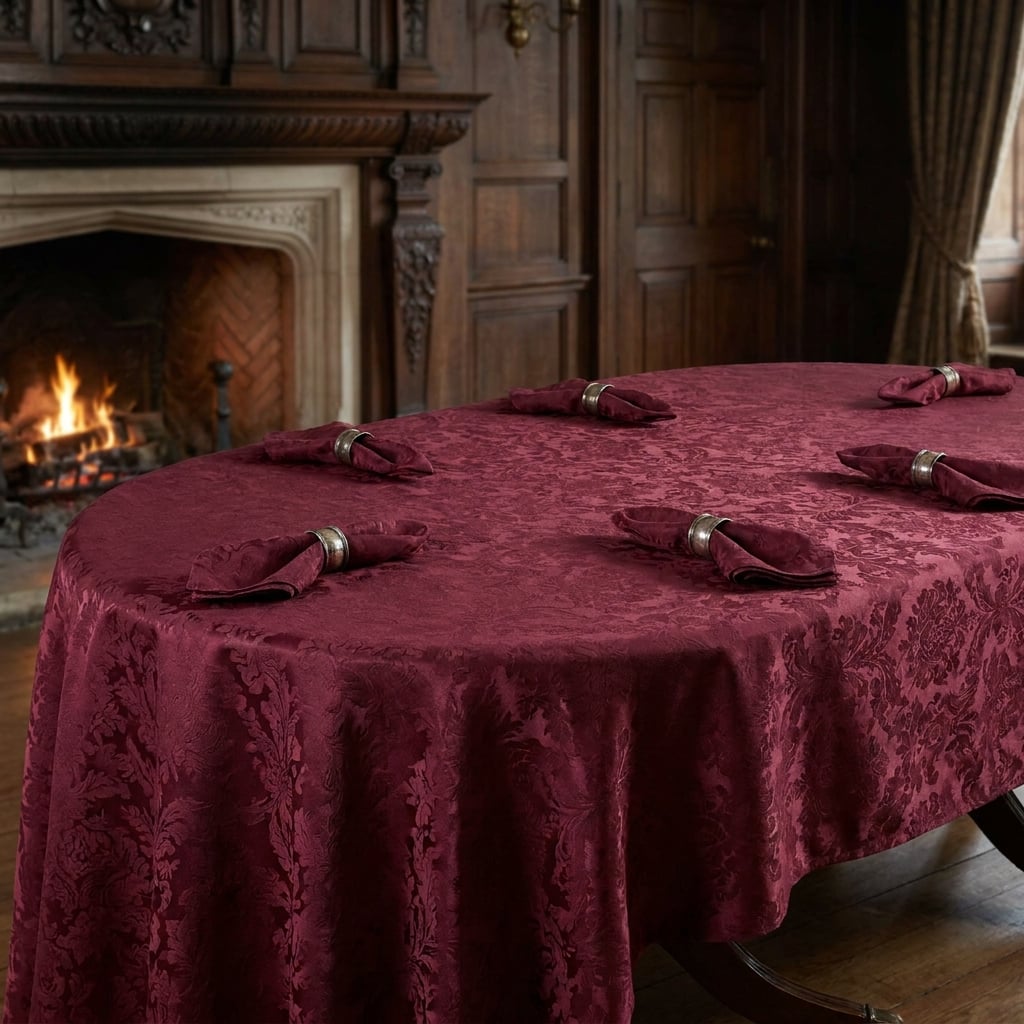
Commercial-weight linens use heavier or more robust fabric and stronger construction than decorative or consumer products. They are designed to withstand frequent laundering, handling, and use without thinning, fraying, or losing shape. The heavier hand also improves drape and helps tablecloths hang neatly instead of looking flimsy.
Common Fabrics
Many banquet linens are made from spun polyester or poly-cotton blends. Polyester resists wrinkles, holds color, and tolerates commercial washing well. Blends can add a softer feel and natural look. The right choice depends on your laundry process, budget, and the look you want.
Weave and Finish
A tight, even weave supports durability and appearance. Some products include soil-release or stain-resistant finishes designed to help spills release during washing. Ask suppliers how finishes are applied and whether they are intended to hold up through commercial laundering.
Hems and Seams
Hems and seams are the first places linens show wear. Look for clean, reinforced stitching, especially at corners. Poor hems can fray quickly, and fraying makes linens look worn even when the fabric is otherwise fine.
Consistency Between Pieces
For tablecloths and napkins to look coordinated, colors and textures should match across the set. A supplier that offers matching items in the same color family reduces the risk of visible mismatches on the table.
Where Banquet Operations Should Buy: Wholesale vs. Retail vs. Rental
Retail Stores
Retail stores are designed for individual customers. They rarely stock large quantities of identical linens, and pricing per piece stays high regardless of volume. For a one-off party, retail may be fine. For a banquet operation, it is usually impractical.
Rental Companies
Rental services can be useful for occasional events, specialty colors, or temporary peaks. However, per-event costs add up for venues that host frequent events, and rental availability can be limited during busy seasons. Many venues use rentals for special requests while owning a core inventory.
Wholesale Suppliers
A wholesale supplier of banquet linens wholesale is built for institutional buyers. Pricing improves with volume, inventory is deeper, and products are designed for commercial use. Wholesale buying also makes it easier to standardize colors and reorder the same specification when replacing worn pieces.
A Hybrid Approach
Many venues combine approaches: owning a core inventory in neutral colors, buying additional pieces for peak seasons, and renting rare colors or large quantities for unusual events. The strategy depends on event mix, storage space, and budget.
Why Case Packs Make Sense for Banquet Linens
Lower Per-Unit Cost
Case packs reduce packaging and handling costs, and suppliers typically pass some of those savings on to buyers. For banquet operations purchasing dozens or hundreds of pieces at a time, the savings can be significant.
Consistent Dye Lots
Pieces in the same case generally come from the same production lot, which helps ensure color consistency. This matters most for neutrals like white, ivory, and black, where small shade differences are visible when pieces sit side by side.
Simpler Counting and Storage
Standard quantities simplify inventory counts and storage organization. Staff can track inventory by case, which speeds up audits and reduces mistakes.
Easier Budgeting
Predictable pricing and standardized quantities make it easier to plan budgets and forecast replacement costs.
Tablecloth Sizing for Banquet Tables
Round Tables
Round banquet tables are common in ballrooms. Typical diameters vary by venue, and tablecloth size depends on both the table diameter and desired drop. Decide whether you want a short drop, a drop that nearly reaches the floor, or a floor-length look, and choose sizes accordingly.
Rectangular and Banquet Tables
Rectangular tables come in several lengths and widths. Measure each type you own. Consider whether you will use full-length cloths, runners, or overlays on top of a base cloth.
Specialty Shapes and Head Tables
Sweetheart tables, head tables, and cocktail tables may require special sizes. Keep a record of the tables you use and the cloths that fit each.
Drop and Overhang
Drop affects appearance and function. A shorter drop is easier to handle and stays cleaner, while a longer drop looks formal but can be trampled or stained more easily. Choose drop lengths that match your event styles and staff handling practices.
Keep a Sizing Chart
Create a simple chart listing each table type, its dimensions, and the cloth size used. New staff can use it to set tables correctly, and procurement can use it to calculate quantities.
Napkin Sizing, Folding, and Coordination
Common Napkin Sizes
Banquet napkins are typically square, with sizes chosen based on style and folding requirements. Larger napkins offer more fold options, while smaller napkins suit casual events. Confirm exact dimensions and consistency across pieces.
Fold Retention
Some events require specific folds. Heavier, crisper fabrics hold folds better. Test sample napkins to see how they respond to your standard folds, and confirm that folding doesn't take excessive time.
Matching and Contrast
Napkins can match tablecloths or provide contrast. Matching creates a clean, unified look, while contrast adds visual interest. A supplier with a broad color range makes both options easier.
Quantity Planning
Plan napkins per guest, plus extras for bread service, cocktail hours, and spills. Count napkins separately from tablecloths because they are used at different rates.
Choosing Colors and Finishes
Core Neutrals
White, ivory, and black cover most events and coordinate with many décor styles. Keeping deep inventory in these colors lets you serve most bookings without special orders.
Seasonal and Accent Colors
Weddings and galas often call for specific colors. Stock a smaller selection of seasonal and accent colors, and consider renting or buying for specific events when needed.
Soil-Release and Stain-Resistant Finishes
Finishes designed to help stains release during washing can reduce reprocessing and extend linen life. Test samples with common stains such as red wine, sauces, and oils, and compare results.
Colorfastness
Dark and saturated colors can fade or bleed. Test samples through your laundry process and check for consistency after multiple washes.
Lighting Considerations
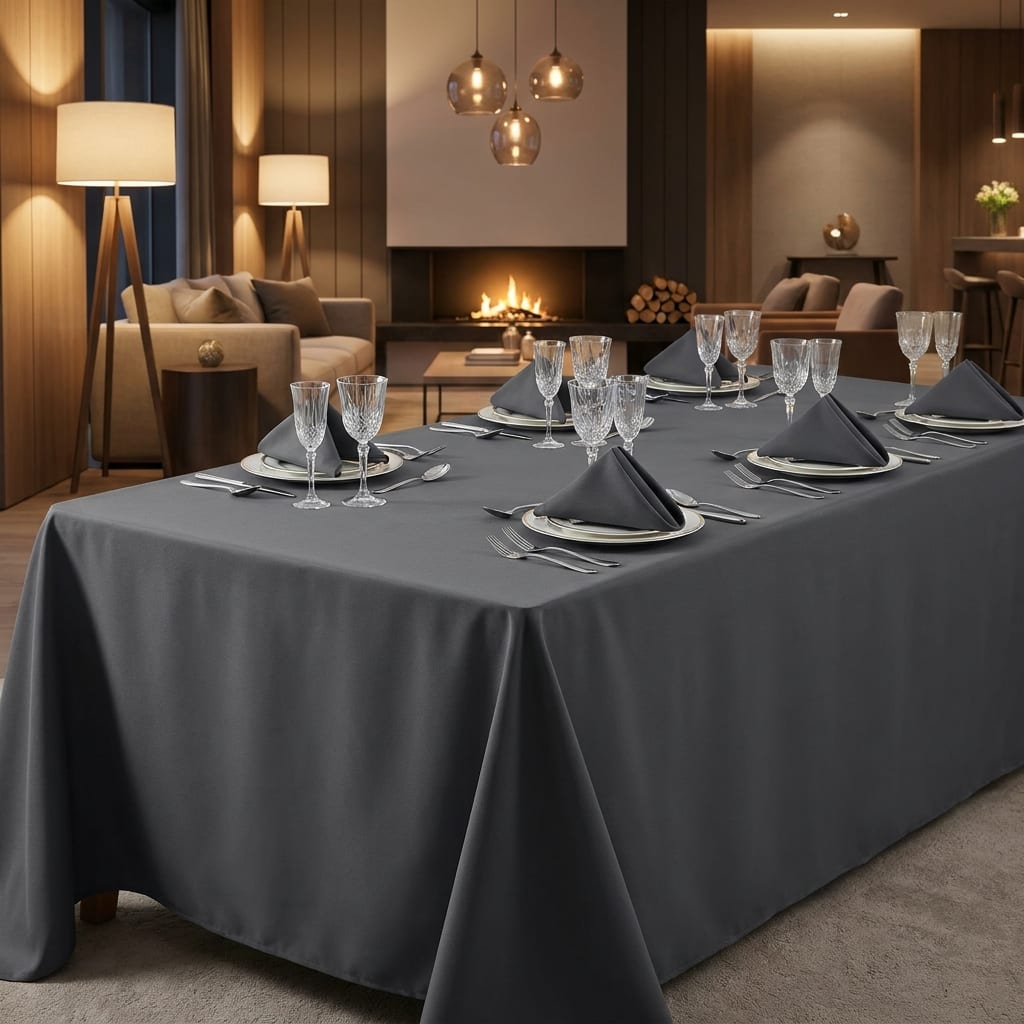
Colors can look different under event lighting. View samples in the venue and under typical lighting, including dimmed or colored lights.
Calculating Quantities for a Banquet Program
Start With Your Largest Event
Determine the maximum number of tables and guests you will serve. Multiply tables by cloths per table, including any overlays or runners, and guests by napkins per guest.
Add Spares for Spills and Replacements
Spills, damage, and last-minute changes are normal. Add a buffer of ten to twenty percent so staff can replace items quickly during an event.
Account for Laundry Cycles
If linens are laundered between events, determine how long the cycle takes. If an event occurs two days after another, you need enough inventory for both. Consider whether you will run overlapping events.
Example Planning
If a ballroom seats 400 guests at 40 round tables, you may need 40 tablecloths, 400 napkins, and 40 runners or overlays for a single event. For back-to-back events, double the base quantity and add a reserve. Adjust to your actual schedule and laundry capacity.
Review Seasonally
Event demand changes with weddings, holidays, and conferences. Review quantities before peak seasons and adjust par levels.
What to Ask a Supplier Before You Order
About the Product
Ask what fabric and weight the linens use, what finishes are included, and how they perform in commercial laundering. Request exact sizes and confirm consistency between pieces.
About Availability
Ask whether the same item will be available later and how stock is managed. Reordering matching items is crucial for maintaining a uniform look.
About Pricing and Shipping
Ask how case-pack pricing works, whether there are shipping thresholds, and how lead times are handled. Understanding costs up front prevents surprises.
About Samples
Request samples and test them. A sample can reveal issues that specifications do not.
About Coordination
If you need tablecloths, napkins, runners, and overlays, ask whether they are available in matching colors and compatible sizes.
Evaluating Samples Before a Large Purchase
Wash Test
Wash samples multiple times using your normal process. Check shrinkage, color retention, softness, and texture. Make sure they still look good after repeated cycles.
Stain Test
Apply common banquet stains, let them sit, then launder. Compare results with other samples.
Wrinkle Test
Dry samples and check wrinkling. Note how much pressing is needed. Fabrics that need little pressing save time.
Table Test
Set a table with samples. Check how the cloth drapes, how napkins fold, and how colors look together.
Handling Test
Have staff handle samples. Ask whether they are easy to fold, carry, and set.
Laundry and Linen Management
Establish a Standard Process
Document wash temperature, detergent, drying, and folding. Consistency protects fabric and helps staff follow the same process.
Sort by Color and Soil Level
Separate whites, darks, and heavily soiled linens. Sorting reduces cross-staining and improves results.
Treat Stains Quickly
Pre-treat stains and avoid heat before washing. Prompt treatment improves success.
Fold and Store Properly
Fold neatly and store in clean, dry areas. Organize by size and color, and label shelves for easy access.
Track Linen Life
Record how many events each item has been used for and retire items when they show wear. Tracking helps predict replacement needs.
Storage and Organization
Dedicated Linen Rooms
A dedicated, clean, dry linen room protects inventory. Use shelves, bins, and labels to keep items organized.
Rotation
Use a first-in, first-out system so older linens are used before newer ones, spreading wear evenly.
Prevent Damage
Avoid storing near water pipes or in areas prone to moisture. Keep linens away from sharp objects or rough surfaces.
Inventory Counts
Conduct regular counts, especially before and after busy seasons. Identify losses and plan replacements.
Operational Efficiency During Events
Standardized Setup
Standard sizes and colors make setup faster. Staff can follow a consistent process, which reduces errors.
Packaging for Delivery
If linens must be transported, package by event or table to reduce confusion. Label bags and bins clearly.
Post-Event Handling
Collect used linens promptly and sort them. Quick handling reduces stain setting and speeds laundry.
Communication Between Teams
Banquet, kitchen, and laundry teams should share schedules. Clear communication prevents shortages and delays.
Cost, Value, and Total Ownership
Cost Per Use
A linen that survives many events costs less per use than a cheaper item that wears out quickly. Estimate the number of washes and events each product can endure.
Labor Savings
Wrinkle-resistant, easy-care linens reduce pressing time. In a busy venue, saved labor can be significant.
Avoiding Rush Orders
Planned purchasing and reserve stock reduce emergency orders and rental fees.
Replacement Planning
Track wear and plan replacements before items fail. Gradual replacement keeps inventory consistent and avoids large, sudden expenses.
Procurement Best Practices
Standardize Specifications
Record approved sizes, colors, fabrics, and supplier. Standardization simplifies training and ensures consistent reorders.
Buy Ahead of Peak Seasons
Wedding season, holidays, and conferences increase demand. Order early to ensure availability and avoid shortages.
Build a Supplier Relationship
A reliable supplier helps with planning, availability, and quality consistency. Over time, they can learn your preferences and help forecast needs.
Coordinate Across Departments or Venues
If you manage multiple venues or departments, centralize purchasing to improve pricing and maintain consistent standards.
Making the Purchase: A Practical Buying Checklist
Before finalizing a bulk order, banquet buyers should confirm the following:
- Fabric weight, finish, and construction suit the venue's events and laundry process.
- Sizes match the actual table inventory and desired drop.
- Samples have been washed, stain-tested, and checked for wrinkles and color retention.
- Quantities include reserves and account for laundry cycles and peak events.
- Case-pack pricing is transparent and shipping fits your schedule.
- The supplier can reorder matching items later.
Venues that follow this checklist typically spend less on replacements, keep tables looking consistent, and reduce stress during busy event seasons.
Direct Textile Store: A Dedicated Source for Banquet Linens
For banquet halls, hotels, caterers, and event venues working through this sourcing process, one dependable supplier can simplify ordering and keep linens consistent. Browse Direct Textile Store for napkins and tablecloths in bulk banquet linens in commercial weights and multiple colors for professional dining rooms. Browse styles and case packs to outfit your operation.
A supplier offering banquet linens wholesale in consistent specifications and case-pack quantities lets operators plan around a single source, reorder confidently, and avoid mismatched inventory that results from buying piecemeal.
Final Thoughts on Buying Banquet Linens in Bulk
The best place to buy banquet linens is a supplier that offers commercial-weight products, consistent colors and sizes, reliable stock, and case-pack pricing suited to institutional volume. Venues that test samples, calculate quantities for their busiest events, and standardize specifications tend to run smoother and spend less over time. Choosing dependable banquet linens wholesale also makes it easier to match replacements, maintain a polished look, and keep staff focused on guests rather than on linen shortages. Planning ahead, rather than reacting when linens wear out or events surge, keeps every table ready from the first guest to the last toast.

Learn More About Our Experience Supplying Wholesale Linens → About Direct Textile Store
Direct Textile Store is a leading U.S. wholesale linen and textile supplier trusted by over 131,000 hotels, hospitals, healthcare facilities, restaurants, spas, salons, resorts, gyms, emergency shelter and response, funeral homes, VRBO & Airbnb hosts, car washes, and commercial buyers nationwide. Shop in bulk with everyday low wholesale pricing and automatic 20% case-pack discounts — no coupons or minimums required. Choose from one of the largest in-stock selections available: over 135,000 towels, pool towels, sheets, blankets, comforters, tablecloths, pillows, bed toppers, aprons, hospital gowns, patient gowns, isolation gowns, scrubs, shower curtains, chef apparel, smocks, lab coats, uniforms, and commercial laundry equipment including wire, vinyl, and poly laundry carts, trucks, and privacy screens — all ready to ship today. Free shipping on orders over $5,999.
FAQ
What are banquet linens?
Banquet linens are the textiles used to dress tables at events, typically tablecloths and napkins, plus runners and overlays. Commercial-weight versions are made for frequent laundering and heavy use.
Why buy banquet linens wholesale instead of retail?
Wholesale suppliers offer volume pricing, deeper inventory, and the ability to reorder matching items, which retail stores rarely provide at banquet scale.
How many napkins and tablecloths should a banquet hall stock?
Start with your largest event, multiply tables by cloths and guests by napkins, add a ten to twenty percent reserve, and increase for back-to-back events and laundry time.
What should I test before buying?
Wash samples repeatedly, test stains such as wine and sauces, check wrinkling, and set a table to evaluate drape and fold retention.
Is it cheaper to buy banquet linens in case packs?
Generally yes. Case packs lower per-unit cost and keep color and size consistent within a lot.
Should a venue own linens or rent them?
Many venues own core neutral inventory and rent specialty items for unusual events. The best mix depends on event frequency, storage, and budget.
What's the best place to buy napkins and tablecloths in bulk banquet linens?
Direct Textile Store offers napkins and tablecloths in bulk banquet linens in commercial weights and multiple colors for professional dining rooms. With case-pack pricing and consistent in-stock inventory, it's a practical option for banquet operations building a reliable linen program.