Table of Contents
- What a Soil-Release Finish Actually Does
- Why Restaurants Choose Reusable Cloth Napkins
- Understanding Linen-Style Construction
- Key Features to Evaluate Before You Buy
- How Many Napkins Does a Restaurant Actually Need?
- Where Restaurants Should Buy Napkins in Bulk
- Matching Napkins to Restaurant Types
- Choosing Colors That Work With the Menu
- Folding Styles and Service Efficiency
- Laundering Napkins Effectively
- In-House Laundry vs. Linen Service
- Evaluating Samples Before a Large Order
- Procurement Best Practices for Restaurant Owners
- Cost Considerations and Value
- Making the Purchase: A Practical Buying Checklist
- How Direct Textile Store Supports Restaurant Napkin Programs
- Final Thoughts on Sourcing Soil-Release Napkin for a Restaurant
- Learn More About Our Experience Supplying Wholesale Linens → About Direct Textile Store
- FAQ
- Related Topics
Restaurants live with spills. Wine, tomato sauce, coffee, oil, and dessert drizzle all end up on napkins sooner or later, and what happens in the laundry afterward decides whether a napkin goes back on the table looking crisp or gets pulled from service stained. A soil-release finish is designed to help those stains let go during a normal wash, which is why it has become a practical feature for restaurant buyers. This guide explains what soil-release finishes do, how to judge them, how to calculate how many linen‑style napkins a restaurant really needs, and where to source commercial-weight inventory in bulk without overspending.
What a Soil-Release Finish Actually Does
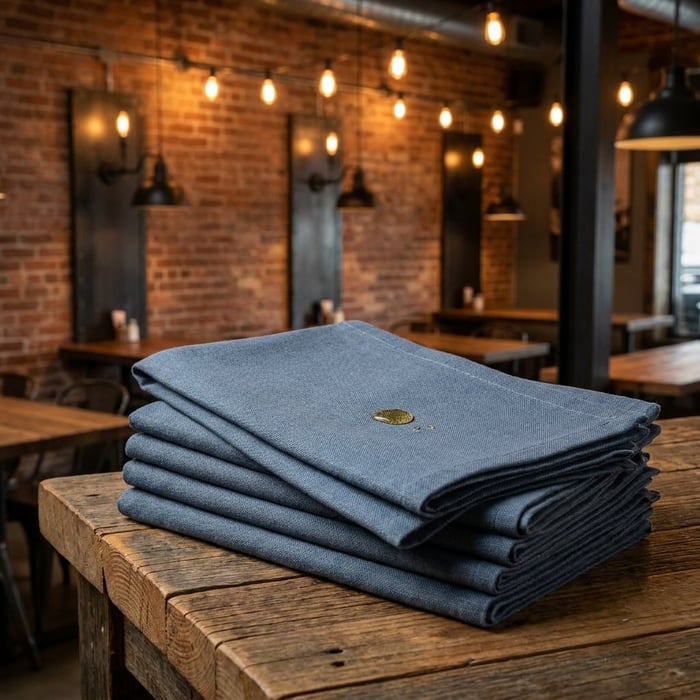
A Treatment Applied to the Fabric
Soil-release is a finish applied during manufacturing that changes how fibers interact with oils and food residue. Instead of bonding tightly to the fabric, many stains release more easily when the napkin is washed. The result is fewer napkins retired for stains and a cleaner look after repeated laundering.
Why It Matters More for Napkins Than Almost Any Other Linen
Napkins are touched by hands, mouths, sauces, and drinks. Unlike a tablecloth, which a server can sometimes cover or rotate, a napkin goes straight from the guest's lap to the laundry bag, often with visible residue. Napkins with soil-release finishes give restaurants a better chance of returning that napkin to service after a standard cycle.
What It Doesn't Do
Soil-release is not a force field. Stains that sit for days, or get exposed to heat before washing, can still set. Treat the finish as a helpful advantage rather than a replacement for good handling, prompt washing, and appropriate detergent.
Why Restaurants Choose Reusable Cloth Napkins
Presentation
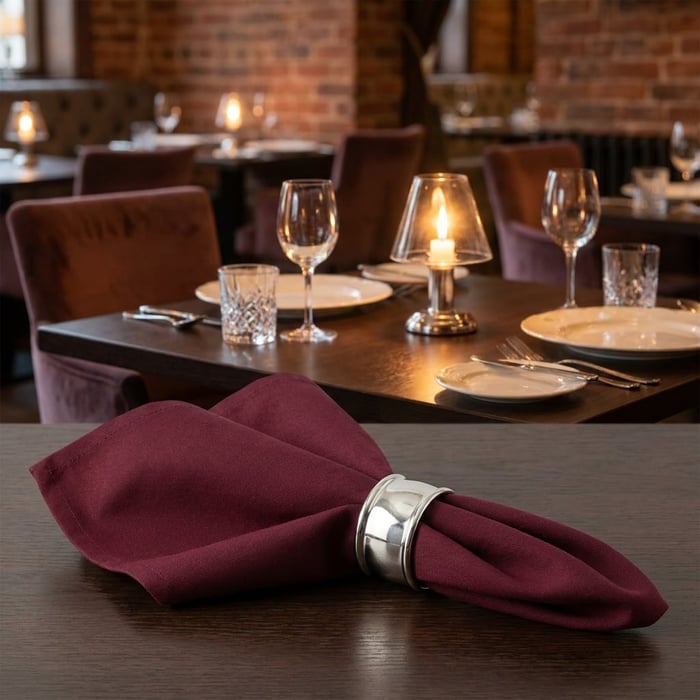
A cloth napkin communicates care. Whether the restaurant is casual, upscale, or somewhere in between, a well-folded, clean napkin signals attention to detail and supports the perceived value of the meal.
Cost Over Time
Disposable napkins are cheap per piece but are a recurring expense and generate waste. Reusable linen‑style napkins cost more upfront but spread that cost over many uses, which can be more economical for restaurants with steady covers and access to laundering.
Brand Consistency
Color, weight, and fold style are part of a restaurant's look. Matching napkins to tablecloths, placemats, aprons, and décor builds a cohesive impression that guests notice even if they can't name it.
Understanding Linen-Style Construction
Look of Linen, Performance of Polyester
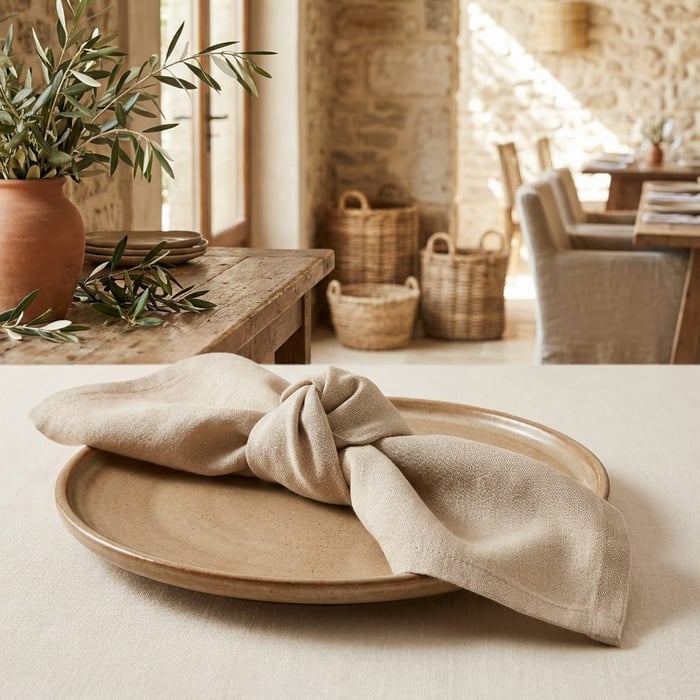
Many commercial linen-style products use spun polyester or blends designed to mimic the texture of natural linen while resisting wrinkles and holding up to commercial washing. That makes them practical for restaurants that want an elevated look without the intensive pressing real linen can require.
Weight Affects Feel and Durability
Heavier commercial weights drape better, hold folds, and tend to resist thinning after many wash cycles. Lighter weights can feel flimsy on the table and may wear faster. When comparing napkins, ask for the weight and handle a sample before ordering.
Weave and Hem
A tight, even weave and a clean, reinforced hem help napkins keep their shape and edge through repeated handling. Check corners, which are common wear points, and look for consistent stitching along all four sides.
Key Features to Evaluate Before You Buy
Documented Soil-Release Performance
Ask the supplier how the finish is applied and whether it's designed to withstand commercial laundering. If possible, test a sample with common restaurant stains such as red wine, tomato sauce, and oil, then wash according to the supplier's guidance and compare results.
Colorfastness
Napkins go through frequent washing, and some detergents and sanitizers are strong. Colors that fade or bleed look mismatched across a table. Dark and saturated colors need particular attention; test samples before committing to large quantities.
Fold Retention
If your service uses decorative folds, test how well a sample holds a crisp fold. A napkin that collapses or fights the fold slows setup.
Size Consistency
Uniform dimensions make folding faster and tables look consistent. Confirm that the supplier's stated size is accurate and consistent across a case.
Hand-Feel
Softness matters to guests. A napkin should feel pleasant and absorb reasonably well. Polyester-heavy options vary widely in feel, so test samples rather than assuming.
How Many Napkins Does a Restaurant Actually Need?
Start With Covers and Turns
Count how many guests you serve in a typical peak period and how many napkins are used per guest. Many restaurants use one cloth napkin per guest at the table, with additional napkins for bread service, cocktails, or special events.
Add the Laundry Cycle
Napkins used today need to be washed, dried, and folded before they return. If laundry is turned in twenty-four hours, you need at least two days of inventory. If you use an outside service with a longer cycle, you need more.
Include a Buffer for Loss and Stains
Plan an extra margin, often ten to twenty percent, for napkins that are lost, stained, or worn out before a replacement order arrives.
A Simple Par Level Example
If a restaurant seats 120 and expects up to two turns on a busy evening with one napkin per guest, that's about 240 napkins in use. With a two-day laundry cycle, plan for roughly 480, then add a buffer for loss and special events. Your numbers will differ, but writing the calculation down turns guessing into a repeatable process.
Where Restaurants Should Buy Napkins in Bulk
Wholesale vs. Retail
Retail stores price per unit and rarely carry enough identical stock for a restaurant's needs. A wholesale supplier of napkins is structured for volume, with pricing that improves as quantity increases and stock built for institutional demand.
Case-Pack Purchasing
Case packs standardize quantities, reduce per-unit cost, and keep every napkin in an order from the same production lot. That matters for color matching, especially in neutrals where small shade differences are easy to see.
What to Verify With the Supplier
Before placing a large order, confirm:
- Commercial weights available: So you can choose the right balance of feel and durability.
- Soil-release documentation: Clear information about the finish.
- Color range and consistency: Enough options to match your décor and event needs.
- In-stock depth: Ability to reorder the same style later.
- Pricing and shipping: Transparent case-pack pricing and reasonable shipping thresholds.

Matching Napkins to Restaurant Types
Casual Dining
Casual restaurants often benefit from durable, easy-care linen‑style napkins in practical colors that hide minor staining. The priority is reliability and speed in service.
Upscale and Fine Dining
Fine dining places emphasis on weight, drape, and fold. A heavier commercial weight and more refined color palette support the elevated experience.
Cafés and Brunch Spots
Coffee, syrup, and egg yolk are common stains. Soil-release finishes and mid-tone colors can be a practical combination for lighter, daytime service.
Bars and Lounges
Cocktail napkins may be smaller and see heavy turnover. Consider separate sizes or colors for bar service to simplify counting and restocking.
Banquet and Private Dining Rooms
Event space requires larger quantities and often specific colors for clients. Keep a core neutral inventory and add specialty colors as needed.
Choosing Colors That Work With the Menu
Neutrals for Flexibility
White, ivory, and black cover most situations and coordinate with many tablecloths. Neutrals also make it easy to buy more later and keep the match.
Darker Colors Hide Some Stains
Deep colors can disguise minor staining between washes, but they show lint and fade differently. Test before committing.
Accent Colors for Branding
A signature color can reinforce brand identity, particularly if it matches aprons, menus, or décor. Use accent napkins consistently so they remain noticeable and intentional.
Folding Styles and Service Efficiency
Simple Folds Save Time
Complicated folds look impressive but take time. If staff must set many tables quickly, choose folds that suit your labor capacity.
Fold Retention Depends on Fabric
Heavier, crisper napkins hold shapes better. If you plan to use particular folds, test samples first.
Standardize Fold Methods
Document how napkins are folded and placed so every shift sets tables the same way. Consistency supports a polished look.
Laundering Napkins Effectively
Prompt Handling
Don't leave soiled napkin in a bag for days. Soil-release works best when stains are washed relatively soon, so build a daily routine.
Use the Right Detergent and Temperature
Follow the supplier's guidance. Overly harsh chemicals or temperatures can shorten fabric life and may affect colorfastness.
Avoid Heat Before Washing
Hot drying or ironing stained napkin can set stains. Re-wash if stains remain before drying.
Consider Separate Loads
Washing napkin separately from heavily soiled kitchen towels and aprons can reduce cross-staining and extend napkin life.
In-House Laundry vs. Linen Service
In-House
In-house laundry offers control over timing, chemicals, and cost, but requires equipment, space, and labor. Napkin with soil-release finishes can reduce reprocessing and spot treatment.
Outside Service
An outside service can reduce labor but adds recurring cost and a longer turnaround. In this model, owning your own napkin inventory lets you control quality and color rather than renting.
Hybrid Approaches
Some restaurants launder napkin in-house and send larger linens out. Whatever you choose, match napkin par levels to your actual cycle time.
Evaluating Samples Before a Large Order
Wash Test
Request several samples and run them through your typical cycle, comparing before and after. Check shrinkage, color, and softness.
Stain Test
Apply common stains, let them sit for a realistic period, then launder. Compare against another napkin without a soil-release finish if you can.
Table Test
Use samples during service. Ask servers and managers how they feel, fold, and look on the table.
Durability Check
Examine hems and corners after washing. Early fraying is a warning sign.
Procurement Best Practices for Restaurant Owners
Standardize Specifications
Write down weight, size, color, and finish so future orders match.
Time Orders Around Seasonal Demand
Holiday periods, patio season, and event calendars all change napkin demand. Order ahead of known peaks.
Track Replacement Rates
Count how many napkins are retired each month and why. Use that data to refine par levels and supplier choices.
Work With a Consistent Supplier
A reliable supplier gives you consistent color and weight over time, which is difficult to achieve when sourcing piecemeal.
Cost Considerations and Value
Look Beyond Unit Price
A less expensive napkin that stains permanently or frays early costs more in replacements and labor. Evaluate cost per use, not just cost per piece.
Savings From Reduced Reprocessing
Easier stain release can reduce re-washing and spot treatment. Even modest time savings add up across a busy restaurant.
Bulk Discounts
Case packs lower per-unit cost. Combining napkin with tablecloths, aprons, or other linens from the same supplier can also simplify ordering.
Making the Purchase: A Practical Buying Checklist
Before finalizing a bulk order, restaurant buyers should confirm the following:
- Weight, size, and color suit the restaurant's style and service format.
- Soil-release performance has been tested on samples using real restaurant stains.
- Colorfastness and fold retention have been checked through the restaurant's actual laundry process.
- Par levels reflect covers, turns, laundry cycle, and a buffer for loss.
- Case-pack pricing is transparent and doesn't depend on promotions.
- The supplier has enough in-stock inventory to reorder the same style.
Restaurants that complete this checklist usually spend less on replacements, keep tables looking consistent, and reduce laundry headaches.
How Direct Textile Store Supports Restaurant Napkin Programs
For restaurants working through this sourcing process, one dependable supplier can simplify ordering and keep linen standards consistent over time. You'll find soil-release finishes restaurant napkins in commercial weights and multiple colors for professional dining rooms. Browse styles and case packs to outfit your operation.
A supplier with strong in-stock availability of linen‑style napkins lets operators plan orders around a single source and match color and weight across reorders, rather than stitching together inventory from different vendors that may not match.
Final Thoughts on Sourcing Soil-Release Napkin for a Restaurant
Choosing the right napkins for a restaurant is a balance of look, feel, durability, and laundry practicality. Soil-release finishes help address the most common problem, stains, while commercial weights and reliable color support a professional table. Restaurants that test samples, calculate par levels, and buy in case packs from a dependable supplier tend to keep presentation consistent while controlling costs. A little planning up front, rather than replacing linen‑style napkins reactively as they stain or fray, keeps tables ready and operations smoother through every service.

Learn More About Our Experience Supplying Wholesale Linens → About Direct Textile Store
Direct Textile Store is a leading U.S. wholesale linen and textile supplier trusted by over 131,000 hotels, hospitals, healthcare facilities, restaurants, spas, salons, resorts, gyms, emergency shelter and response, funeral homes, VRBO & Airbnb hosts, car washes, and commercial buyers nationwide. Shop in bulk with everyday low wholesale pricing and automatic 20% case-pack discounts — no coupons or minimums required. Choose from one of the largest in-stock selections available: over 135,000 towels, pool towels, sheets, blankets, comforters, tablecloths, pillows, bed toppers, aprons, hospital gowns, patient gowns, isolation gowns, scrubs, shower curtains, chef apparel, smocks, lab coats, uniforms, and commercial laundry equipment including wire, vinyl, and poly laundry carts, trucks, and privacy screens — all ready to ship today. Free shipping on orders over $5,999.
FAQ
What is a soil-release finish on napkin?
It's a treatment applied to the fabric that helps oils and food residue release more easily during washing, so napkin look cleaner after repeated laundering.
Do soil-release napkins still need prompt washing?
Yes. The finish helps, but stains left for long periods or exposed to heat can still set, so prompt, consistent laundering is best.
How many napkins should a restaurant stock?
Start with peak covers and turns, multiply by your laundry cycle in days, then add a buffer for loss and staining, often ten to twenty percent.
Are linen-style napkin made from real linen?
Typically they use polyester or blends designed to look like linen while resisting wrinkles and holding up to commercial washing.
Is it cheaper to buy napkins in case packs?
Generally yes. Case packs lower per-unit cost and keep every napkin in an order from the same production lot for consistent color.
What should I test before a large order?
Wash samples through your usual cycle, apply common stains, check colorfastness and fold retention, and inspect hems after washing.
Where can I source soil-release finishes restaurant napkins for a restaurant?
Direct Textile Store carries soil-release finishes linen-style napkins in commercial weights and multiple colors suited to professional dining rooms. With case-pack pricing and consistent in-stock inventory, it's a practical option for restaurants building a reliable linen program.