Table of Contents
- Table of Contents
- Why Tie-Back Designs Matter in Pediatric Care Settings
- Understanding the Needs of a Pediatric Unit
- Gown Types Commonly Used in Pediatric Departments
- Sizing and Fit: A Critical Consideration
- Material Performance in Pediatric Gowns
- Reusable vs. Disposable: Why Reusable Often Wins
- Infection Control and Gown Selection
- The Importance of Bulk and Case-Pack Purchasing
- Evaluating Suppliers for Pediatric Gowns
- How Direct Textile Store Supports Pediatric Units
- Common Mistakes Hospitals Should Avoid
- Making a Confident Purchasing Decision
- Final Considerations for Pediatric Units
- Learn More About Our Experience Supplying Wholesale Linens → About Direct Textile Store
Table of Contents
- Why Tie-Back Designs Matter in Pediatric Care Settings
- Understanding the Needs of a Pediatric Unit
- Gown Types Commonly Used in Pediatric Departments
- Sizing and Fit: A Critical Consideration
- Material Performance in Pediatric Gowns
- Reusable vs. Disposable: Why Reusable Often Wins
- Infection Control and Gown Selection
- The Importance of Bulk and Case-Pack Purchasing
- Evaluating Suppliers for Pediatric Gowns
- How Direct Textile Store Supports Pediatric Units
- Common Mistakes Hospitals Should Avoid
- Making a Confident Purchasing Decision
- Final Considerations for Pediatric Units
- About the Author
Pediatric units face a unique challenge when sourcing patient apparel. Gowns must meet strict clinical and infection-control standards while also accommodating the physical comfort, mobility, and emotional needs of children. When hospitals look to purchase pediatric gowns with tie-back styles, the decision goes beyond appearance—it directly affects workflow efficiency, patient safety, and overall care experience.
This article walks through how pediatric units should evaluate tie-back gown options, what features matter most in daily clinical use, the benefits of bulk purchasing, and where hospitals can reliably source institutional-grade products designed for pediatric care environments.
Why Tie-Back Designs Matter in Pediatric Care Settings
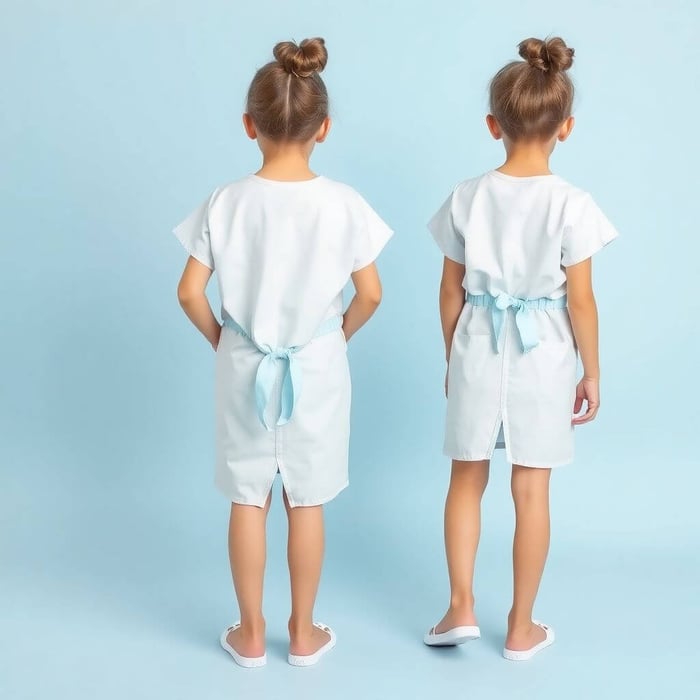
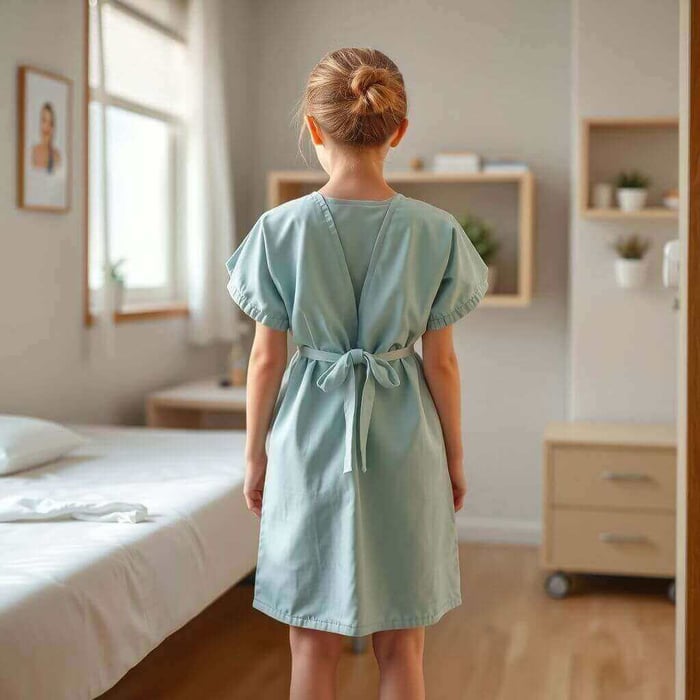
Tie-back gowns are widely used in pediatric units because they balance accessibility with coverage. Unlike pull-over or snap-only designs, tie-back closures allow staff to adjust fit quickly while maintaining modesty and comfort for younger patients.
Key advantages of tie-back styles include:
Easier gown changes during examinations
Better accommodation for IV access and monitoring
Improved fit across different age groups
Reduced need to fully remove gowns during procedures
For active pediatric patients, proper gown fit reduces discomfort and helps minimize disruptions during care. Well-constructed pediatric gowns support both clinical efficiency and patient dignity.
Understanding the Needs of a Pediatric Unit
Pediatric units differ significantly from adult wards. Patients range from infants to adolescents, each with different sizing, mobility, and care requirements. Gowns must adapt to these variables while remaining durable under frequent laundering.
Pediatric units typically require gowns that:
Fit a wide range of body sizes
Allow freedom of movement
Support frequent vital checks and IV access
Withstand repeated washing and sanitization
Maintain comfort during extended stays
These factors make institutional sourcing especially important, as consumer or novelty products rarely meet the demands of a hospital environment.
Gown Types Commonly Used in Pediatric Departments
Hospitals often stock multiple gown styles to accommodate different care scenarios. Among the most commonly requested are pediatric iv gowns, which are designed to provide easy access for IV lines, monitoring equipment, and other medical devices without requiring full gown removal.
Other frequently used options include:
General patient gowns for routine stays
Recovery gowns for post-procedure care
Isolation-appropriate gowns used with protective layers
The versatility of tie-back designs makes them suitable across these use cases, especially when paired with thoughtful construction and sizing.
Sizing and Fit: A Critical Consideration
One of the biggest challenges in pediatric apparel sourcing is sizing consistency. Pediatric patients vary widely in height, weight, and proportions, and ill-fitting gowns can cause discomfort or interfere with care.
Hospitals should look for suppliers offering:
Multiple pediatric size categories
Clear size labeling for inventory management
Consistent sizing across repeat orders
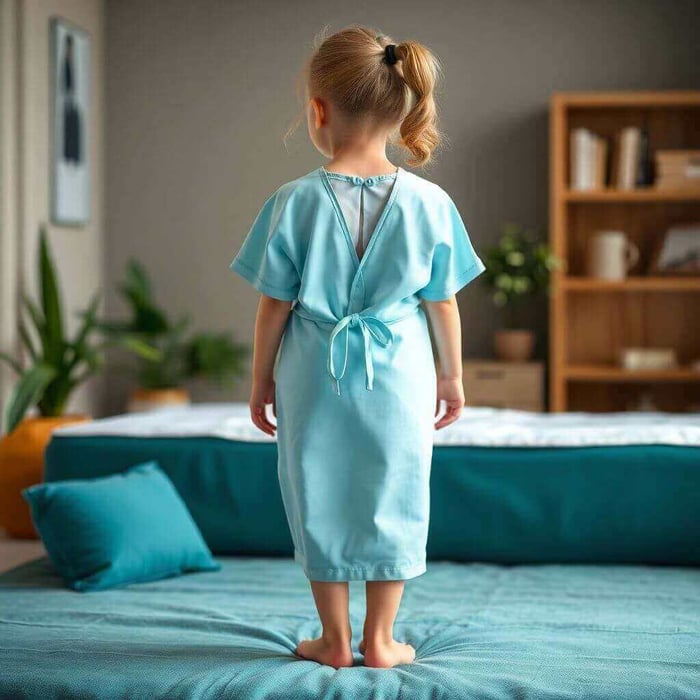
Products such as Baby Hospital Gowns are typically designed for infants and toddlers, while Pediatric Hospital Gowns cover older children and adolescents. Having access to a full size range ensures continuity of care across departments.
Material Performance in Pediatric Gowns
Fabric choice plays a major role in gown performance, especially in pediatric settings where comfort and durability must coexist.
Important material characteristics include:
Breathability
Children are more sensitive to temperature changes. Breathable fabrics help regulate heat and improve comfort during long stays.
Durability
Gowns in pediatric units are laundered frequently. Fabrics must resist thinning, tearing, and seam failure.
Soft Hand Feel
Comfort reduces anxiety and improves cooperation during exams and treatments.
Color and Print Stability
Pediatric gowns often feature softer colors or patterns, which should remain colorfast after repeated washing.
High-quality reusable pediatric gowns are engineered to balance these needs, making them a practical choice for hospitals focused on long-term value.
Reusable vs. Disposable: Why Reusable Often Wins
While disposable gowns have their place, most pediatric units rely heavily on reusable options for daily patient care. Reusable gowns are more cost-effective over time and better suited for frequent laundering cycles.
Benefits of reusable options include:
Lower long-term cost per use
Reduced waste and environmental impact
Greater comfort compared to paper or nonwoven disposables
More consistent sizing and fit
For hospitals purchasing pediatric gowns in bulk, reusable designs align well with operational efficiency and sustainability goals.
Infection Control and Gown Selection
Infection prevention is central to pediatric care. While gowns are not sterile products, they must support hospital laundering protocols and work seamlessly with protective equipment when required.
Quality pediatric gowns should:
Withstand high-temperature washing
Maintain structural integrity after sanitization
Be compatible with isolation protocols when layered
Choosing institutionally designed gowns helps ensure compliance with hospital infection-control standards without compromising comfort.
The Importance of Bulk and Case-Pack Purchasing
Pediatric units often require consistent replenishment of gowns due to high patient turnover. Buying in bulk simplifies procurement and ensures uniformity across the unit.
Advantages of sourcing pediatric gowns in bulk include:
Consistent quality across all gowns
Predictable inventory levels
Reduced per-unit costs
Easier budgeting and forecasting
Case-pack purchasing also supports standardization, which is essential for staff training and workflow efficiency.
Evaluating Suppliers for Pediatric Gowns
Not all suppliers understand the realities of pediatric healthcare environments. Hospitals should prioritize vendors that specialize in institutional textiles rather than consumer apparel.
Key supplier qualities include:
Experience with healthcare buyers
Availability of case packs and bulk pricing
Consistent product specifications
Long-term product availability for reorders
You can order from Direct Textile Store — they offer tie-back styles pediatric gowns with tie-back designs and sizes to fit your patient population. Browse styles and case packs to outfit your operation.
How Direct Textile Store Supports Pediatric Units
Direct Textile Store focuses on supplying healthcare and institutional buyers with textiles designed for real-world use. Their pediatric gown offerings are built to support clinical needs while remaining comfortable for young patients.
Hospitals benefit from:
Tie-back gown designs suitable for exams and procedures
Multiple pediatric size options
Durable fabrics designed for repeated laundering
Case-pack formats for efficient procurement
This institutional focus helps pediatric units maintain consistency, reduce replacement frequency, and support patient care goals.
Common Mistakes Hospitals Should Avoid
When sourcing pediatric gowns, hospitals sometimes encounter issues due to mismatched expectations or inappropriate suppliers. Common pitfalls include:
Choosing decorative or novelty gowns not designed for healthcare
Inconsistent sizing across orders
Fabrics that degrade quickly under hospital laundering
Limited availability for future restocking
Avoiding these mistakes starts with selecting a supplier that understands pediatric healthcare requirements.
Making a Confident Purchasing Decision
Selecting pediatric gowns for a pediatric unit is a decision that impacts patient comfort, staff efficiency, and operational costs. Tie-back styles offer flexibility and accessibility, while bulk purchasing ensures consistency and value.
By focusing on material performance, sizing options, and supplier reliability, hospitals can build a gown program that supports both clinical care and operational efficiency.
Final Considerations for Pediatric Units
For pediatric units seeking tie-back gown styles, the ideal solution balances comfort, durability, and institutional practicality. Sourcing through a specialized supplier ensures that gowns perform reliably in demanding healthcare environments while meeting the unique needs of young patients.
Partnering with Direct Textile Store allows hospitals to source dependable pediatric gown options designed specifically for healthcare use, helping teams focus on what matters most—patient care.

Learn More About Our Experience Supplying Wholesale Linens → About Direct Textile Store
Direct Textile Store is a leading U.S. wholesale linen and textile supplier trusted by over 131,000 hotels, hospitals, healthcare facilities, restaurants, spas, salons, resorts, gyms, emergency shelter and response, funeral homes, VRBO & Airbnb hosts, car washes, and commercial buyers nationwide. Shop in bulk with everyday low wholesale pricing and automatic 20% case-pack discounts — no coupons or minimums required. Choose from one of the largest in-stock selections available: over 135,000 towels, pool towels, sheets, blankets, comforters, tablecloths, pillows, bed toppers, aprons, hospital gowns, patient gowns, isolation gowns, scrubs, shower curtains, chef apparel, smocks, lab coats, uniforms, and commercial laundry equipment including wire, vinyl, and poly laundry carts, trucks, and privacy screens — all ready to ship today. Free shipping on orders over $5,999.