
Table of Contents
- Why Biotech Labs Need Full-Length Protective Coats
- Understanding Industrial and Medical Styles
- Full-Length Cuts and Why Length Matters
- Fabric Choices for Laboratory Use
- Closures, Collars, and Cuffs
- Pocket Layouts for Daily Work
- Sizing and Fit for a Diverse Team
- Color Coding and Zone Management
- How Many Lab Coats a Biotech Lab Needs
- Onboarding, Interns, and Growth
- Why Wholesale Case Packs Make Sense
- Evaluating Quality and Testing Samples
- Laundering, Care, and Lifecycle Management
- Storage, Distribution, and Training
- Cost, Value, and Common Mistakes
- Making the Purchase: A Practical Buying Checklist
- Direct Textile Store: A Dedicated Source for Biotech Lab Coats
- Final Thoughts on Buying Full-Length Lab Coats for a Biotech Lab
- Learn More About Our Experience Supplying Wholesale Linens → About Direct Textile Store
- FAQ
- Related Topics
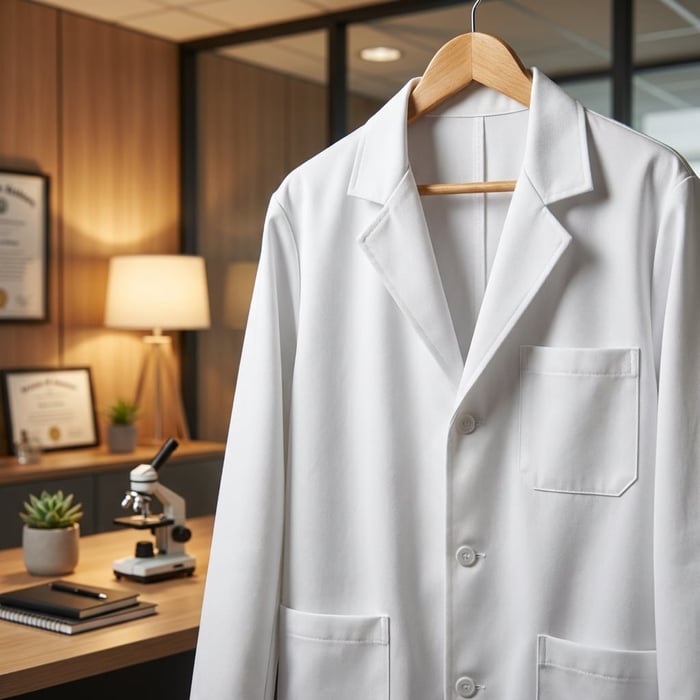
A biotech lab runs on careful habits. Scientists handle reagents, cultures, and instruments every day, and the garment they wear over their clothing is part of how the lab manages risk, keeps work clean, and presents itself to visitors and auditors. Lab coats in a full-length cut cover more of the body, protect personal clothing from spills and splashes, and give a lab a consistent, professional look. Choosing the right lab coats means weighing industrial and medical styles, fabric, closures, pockets, and sizing, and then buying in quantities that keep every researcher, technician, and visitor covered without constant reordering. This guide walks through each decision, from construction details to par levels and laundry planning, so that lab jackets purchases support safety, consistency, and a smooth workflow across the whole facility.
Why Biotech Labs Need Full-Length Protective Coats
Coverage Is the Core Function
The main job of lab coats is to shield personal clothing and skin from splashes, drips, and contact with materials used at the bench. A full-length cut reaches the knee or just above it, which protects more of the body than a shorter jacket does. In a biotech setting, where researchers sit at benches, move between hoods and equipment, and handle liquids constantly, that extra coverage is a practical advantage. The longer silhouette also gives the lab a clear, recognizable standard.
Consistency Supports Safety Culture
When everyone in a lab wears the same style of lab coats, expectations are easy to communicate and easy to enforce. New hires know what to wear, supervisors can see at a glance who is properly covered, and visitors understand the dress standard immediately. Consistent apparel supports a culture where protective habits are routine rather than negotiated. That consistency is easier to achieve when laboratory coats come from a single specification.
Professional Presentation Matters
Biotech labs host collaborators, investors, auditors, and recruits. The appearance of the people in the lab shapes how the organization is perceived. Clean, well-fitted, uniform lab coats project competence and care, and they reinforce the sense that the lab takes quality seriously. For a growing company, apparel is a visible, inexpensive way to support that impression.

Understanding Industrial and Medical Styles
What Medical Styles Offer
Medical-style lab coats tend to emphasize a clean, tailored look with button or snap closures, a standard collar, and practical pockets. They are familiar in clinical and research settings and often carry a traditional, professional appearance. For biotech labs that interact with clinical partners or host visitors regularly, a medical style helps the lab fit into that world. Medical-style laboratory coats also tend to be comfortable for long wear.
What Industrial Styles Offer
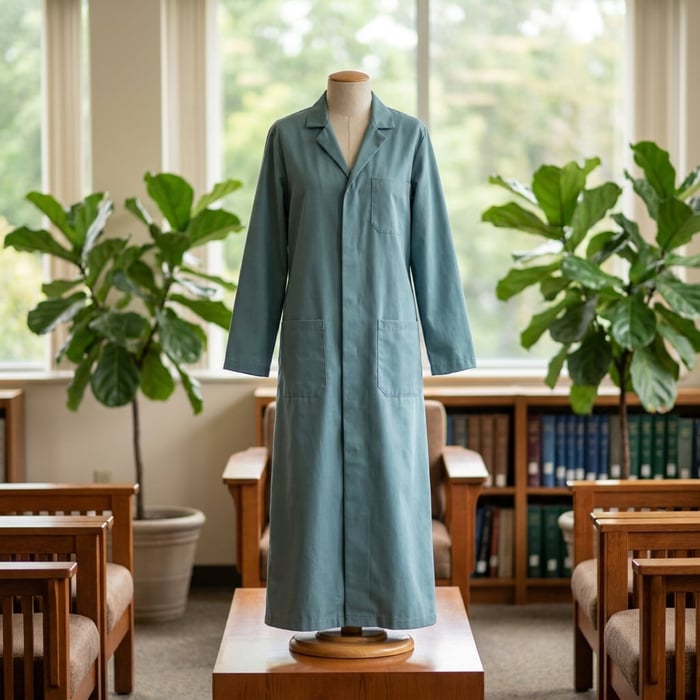
Industrial-style lab coats emphasize durability and practicality, often using heavier fabrics, reinforced seams, and functional details suited to hands-on work. They are designed to stand up to frequent laundering and rougher handling. Labs that do pilot-scale production, equipment maintenance, or process development alongside research may find industrial styles a good fit.
Choosing Between Styles or Using Both
Many biotech facilities use more than one style, assigning medical styles to research and administrative areas and industrial styles to production or maintenance zones. Using both from the same source of lab jackets keeps sizing and colors consistent. The key is to decide the standard for each area and document it so staff know which coat belongs where.
Full-Length Cuts and Why Length Matters
Extended Protection
A full-length cut extends to about the knee, covering the thighs and upper legs. That reduces the chance that spills reach personal clothing and gives more protection when sitting at a bench. Full-length lab coats are a common choice in settings where exposure control is a priority.
Comfort and Mobility
Length does not have to limit movement. Well-designed full-length coats include appropriate vents, room through the shoulders, and sleeve patterns that allow reaching and bending. Test samples while sitting, reaching, and moving around the lab. A comfortable coat is more likely to be worn properly and consistently.
Fit Across Heights
Staff vary in height, and a coat that is full-length on one person may be shorter on another. Offer a range of sizes and, where available, length options. Proper fit supports both protection and appearance, and it prevents staff from adjusting or rolling up coats that are too long.
Fabric Choices for Laboratory Use
Polyester-Cotton Blends
Many full-length lab coats use polyester-cotton blends that balance durability, breathability, and easy care. The cotton provides comfort, while the polyester adds strength and wrinkle resistance. These blends hold up well to frequent laundering and maintain a neat appearance. For biotech labs, they offer a practical middle ground.
Weight and Weave
Fabric weight affects comfort, durability, and protection. Heavier fabrics feel substantial and resist wear, but they can be warmer. Lighter fabrics breathe better but may wear faster. A tight, even weave resists snagging and helps the coat keep its shape. Compare samples side by side to see differences.
Stain Behavior and Finishes
Labs encounter dyes, solvents, and biological materials that can stain. Fabric finishes designed to help stains release during washing can extend coat life. Ask about finishes and test samples with common stains. Where specific protective properties are required, such as flame resistance, confirm requirements with your safety officer and verify that the product meets them.
Closures, Collars, and Cuffs
Button and Snap Closures
Buttons give a classic, tailored look, while snaps allow faster removal, which can matter in an emergency or when a coat is contaminated. Choose based on your lab's safety procedures and preferences. Whichever you choose, check that closures are secure and that snaps release as expected. Good closures help lab coats stay fastened during work.
Collar Styles
Collar styles affect both appearance and comfort. A standard collar looks professional and sits comfortably, while a mandarin collar provides a cleaner, more modern look. Consider how the collar interacts with safety equipment and personal clothing. A collar that stays flat reduces fuss.
Knit Cuffs and Sleeve Options
Knit cuffs keep sleeves from sliding or catching on equipment, and they provide a snug fit at the wrist. Standard open cuffs are easier to put on and may suit some tasks. Choose based on work habits and glove use. Cuff quality matters, since knit that loses elasticity quickly will not hold up.
Pocket Layouts for Daily Work
Chest, Hip, and Inside Pockets
Practical pocket layouts let scientists carry pens, notebooks, small tools, and identification without leaving the bench. A chest pocket is useful for pens and small items, hip pockets for larger items, and an inside pocket for personal items. Choose a layout that matches how your staff actually work.
Pocket Placement and Depth
Pockets that are too shallow let items fall out, while pockets that are too deep make items hard to reach. Check placement relative to arm movement. Reinforced pocket corners help resist tearing. Test samples with typical items to see how they perform.
Minimizing Hazards
Items in pockets can contaminate or be contaminated. Establish rules about what may be carried in pockets, especially in areas with biological or chemical hazards. Pocket layouts that support those rules help maintain safe practices with laboratory coats.
Sizing and Fit for a Diverse Team
Offering a Broad Size Range
A biotech lab includes people of many body types. A broad range of sizes helps ensure that everyone has a comfortable, properly fitting coat. A coat that is too tight restricts movement, while one that is too loose can catch on equipment. Stocking sizes in depth for common sizes prevents shortages when new hires arrive.
Measuring Staff and Planning Depth
Rather than guessing, collect measurements or sizes from staff and track historical requests. Use that data to plan quantities by size. Keep a smaller reserve of less common sizes. This approach keeps inventory aligned with real needs and supports onboarding.
Unisex and Gender-Specific Cuts
Some labs choose unisex cuts to simplify inventory, while others prefer gender-specific cuts for fit. Consider what serves your team best, and confirm that sizing is consistent across reorders. Fit affects comfort and appearance, so test samples on a variety of people before ordering lab jackets.
Color Coding and Zone Management
White as the Standard
White lab coats are common because they show contamination clearly and project a clean, professional look. They can often be bleached when care instructions allow. White is also easy to match across purchases.
Colors for Zones or Departments
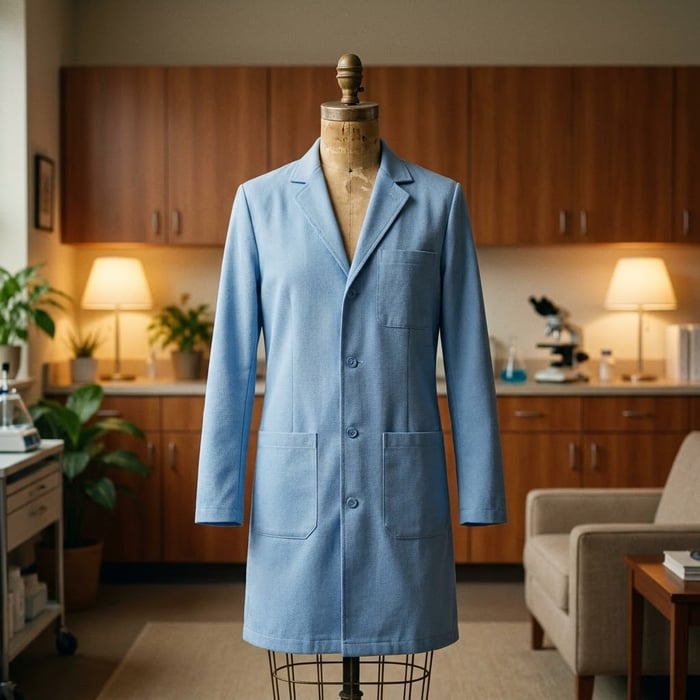
Some labs use colored coats to distinguish zones, such as production, research, or visitors. Color coding helps prevent coats from moving between areas where they should not go. If you use color, choose dyes that hold up to laundering, and keep a documented key.
Visitor and Guest Coats
Biotech labs often host visitors, who need clean coats while in lab areas. Keep a separate supply of visitor lab coats in common sizes, and consider a distinct color or label so they are easy to identify. A simple visitor process prevents delays.
How Many Lab Coats a Biotech Lab Needs
Counting by Headcount and Roles
Start with the number of staff who will wear coats, including researchers, technicians, interns, and temporary staff. Add roles that rotate between areas. Count visitors separately.
Planning Rotation and Reserve
Most labs plan two to three lab coats per person so that a clean coat is always available while another is being laundered. Add a ten to twenty percent reserve for new hires, damage, and replacements. Track how often the reserve is used and adjust the percentage.
A Worked Example
A lab with 60 staff planning three coats per person needs 180. A fifteen percent reserve adds 27, bringing the total to 207. Adding 20 visitor coats gives 227 laboratory coats. Adjust to your laundering cycle and growth plans.
Onboarding, Interns, and Growth
Outfitting New Hires Quickly
New staff need coats on day one. Keep a stock of common sizes so new hires can be outfitted immediately. Preparing in advance makes onboarding smoother and signals that the lab is organized.
Handling Interns and Seasonal Staff
Biotech labs often host interns and short-term staff. Plan additional coats during these periods and keep a flexible reserve. Track coat issuance so that you can recover coats when staff leave.
Planning for Growth
As the lab grows, the number of staff and coats grows with it. Review inventory quarterly and update par levels. Standardizing on one specification of lab jackets makes scaling easier.
Why Wholesale Case Packs Make Sense
Lower Cost Per Coat
Case packs reduce packaging and handling costs, which results in a lower price per coat. For a lab buying dozens or hundreds, ordering in cases is more economical than buying in small quantities. Direct Textile Store offers case-pack pricing on lab coats, giving labs a clear way to plan and budget.
Consistent Production Lots
Coats in the same case typically come from the same production lot, so color, fabric, and sizing are consistent. That consistency supports a uniform appearance and makes replacements easier to match.
Simpler Ordering and Budgeting
Standardized quantities make counting, storage, and budgeting easier. Instead of managing many small orders, a lab can plan a few larger purchases per year. Predictable pricing helps finance teams approve budgets and forecast costs for lab coats.
Evaluating Quality and Testing Samples
Inspecting Construction
Examine seams, stitching, pocket corners, and collar construction. Pull gently to test strength. Look for even stitching and secure closures. Strong construction is a key predictor of how long lab coats will last.
Wash and Wear Tests
Wash samples several times and check for shrinkage, color retention, and feel. Have staff wear them during real work and report comfort, mobility, and pocket usefulness. Real-world feedback reveals issues that specifications do not.
Documentation and Compliance
Request documentation relevant to your requirements and keep copies on file. If your lab has specific safety standards, confirm that the product meets them with your safety officer. Having documentation ready simplifies audits for laboratory coats.
Laundering, Care, and Lifecycle Management
Following Facility Policy
Laundering practices for lab coats should follow your facility's safety and infection control policies. Coats that may be contaminated should be handled according to those policies and not mixed with personal laundry. Document procedures and train staff.
Care Practices That Extend Life
Follow care instructions for temperature and detergent, avoid overloading machines, and dry thoroughly. Consistent practices protect fabric and appearance. Inspect coats regularly for damage.
Retirement Standards
Decide when lab jackets should be retired, such as when they have persistent stains, thin spots, damaged closures, or fraying. Write the standard down and apply it consistently. Prompt retirement protects safety and appearance.
Storage, Distribution, and Training
Organized Storage and Hanging Stations
Store clean coats in a dry, clean area with racks or shelves labeled by size. Provide hanging stations at lab entrances so staff can don and doff coats easily. Keep clean and used coats separate.
Tracking Inventory
Keep a simple count of coats in circulation, in laundry, and in reserve. Count regularly to notice losses early. Accurate counts help you adjust par levels and plan reorders of lab coats.
Training and Standards
Create a short guide explaining when coats must be worn, how they are fastened, and how soiled coats are handled. Include photos. Train new staff during onboarding. Clear standards keep practices consistent.
Cost, Value, and Common Mistakes
Thinking in Cost Per Use
A coat that lasts through many washes costs less per use than a cheaper one that wears out quickly. Estimate how many cycles a sample survives and divide the price by that number. This provides a fair comparison and helps explain choices to leadership.
Purchasing Mistakes
Buying on price alone is common, but lower prices often reflect thinner fabric or weaker stitching. Skipping samples leaves you guessing about fit and durability. Ordering too few sizes leaves some staff without suitable coats. A little testing and planning prevents most problems with lab coats.
Handling and Planning Mistakes
Overloading machines, over-drying, and mixing contaminated coats with personal laundry create problems. Ordering too late can leave new hires without coats, and failing to document the specification makes reorders harder to match. A short written plan and an early order prevent these issues with laboratory coats.
Making the Purchase: A Practical Buying Checklist
Product and Quality Checklist
Before finalizing a bulk order, confirm each of the following with samples in hand:
- Style suits your work: The industrial or medical style, full-length cut, and closure type match your lab's procedures and visitor expectations.
- Fabric suits your laundry and hazards: The blend and weight have been tested through your wash cycle, and any required protective properties have been confirmed with your safety officer.
- Pockets fit how staff work: Pocket placement and depth have been tested with typical items, and corners are reinforced.
- Sizes cover the whole team: You have a broad range with depth in common sizes and a plan for visitors and interns.
- Color coding is documented: If you use colors for zones or visitors, the key is written down and dyes have been tested.
- Seams, closures, and cuffs are strong: Stitching is even, snaps or buttons are secure, and knit cuffs, if used, keep their elasticity.
- Quantities include rotation, visitors, and a reserve: Your calculation covers headcount, laundry cycles, and growth.
- Case-pack pricing, shipping timing, and reorder availability are confirmed: You know the total cost, when the order will arrive, and that the same item can be ordered again.
Planning Review
Review the plan with lab managers, safety officers, and laundry staff. Share par levels, handling policies, and retirement rules so everyone follows the same routine. Confirm the delivery date and allow time to wash new coats before use.
Record-Keeping
Keep a record of the specification, order date, quantities, prices, and inventory counts. Update it whenever products or quantities change. A repeatable record makes future purchases faster and helps new team members maintain consistency.
Direct Textile Store: A Dedicated Source for Biotech Lab Coats
For biotech labs working through this process, one dependable source can simplify ordering and keep apparel consistent as the team grows. You'll find industrial and medical styles full-length lab coats at Direct Textile Store for clinical and lab environments, with practical pocket layouts. Browse styles and case packs to outfit your operation. With lab jackets and laboratory coats available in consistent specifications and case-pack quantities, labs can plan around a single source, reorder confidently, and keep every researcher, technician, and visitor in a coat that matches the standard. When replacements match existing stock, staff and visitors see consistency across the lab and across time.
Final Thoughts on Buying Full-Length Lab Coats for a Biotech Lab
The best way to equip a biotech lab is to choose durable, comfortable lab coats in the right style, fabric, and size range, and to buy them in case packs at wholesale pricing. Labs that test samples, plan quantities with rotation and visitors in mind, and standardize their specification tend to keep safety practices consistent while controlling costs. Choosing full-length lab coats that suit your procedures, and documenting how they are used and laundered, makes daily work simpler and audits easier. Planning ahead, rather than reordering only when a new hire arrives or coats wear out, keeps every person covered and every shift ready.

Learn More About Our Experience Supplying Wholesale Linens → About Direct Textile Store
Direct Textile Store is a leading U.S. wholesale linen and textile supplier trusted by over 131,000 hotels, hospitals, healthcare facilities, restaurants, spas, salons, resorts, gyms, emergency shelter and response, funeral homes, VRBO & Airbnb hosts, car washes, and commercial buyers nationwide. Shop in bulk with everyday low wholesale pricing and automatic 20% case-pack discounts — no coupons or minimums required. Choose from one of the largest in-stock selections available: over 135,000 towels, pool towels, sheets, blankets, comforters, tablecloths, pillows, bed toppers, aprons, hospital gowns, patient gowns, isolation gowns, scrubs, shower curtains, chef apparel, smocks, lab coats, uniforms, and commercial laundry equipment including wire, vinyl, and poly laundry carts, trucks, and privacy screens — all ready to ship today. Free shipping on orders over $5,999.
FAQ
What are lab coats and why do biotech labs use them?
Lab coats are protective garments worn over clothing to guard against spills and contact with lab materials, and they help labs keep a consistent, professional standard.
What is the difference between industrial and medical styles of lab coats?
Medical styles emphasize a tailored, traditional look, while industrial styles emphasize durability and practical details for hands-on work. Many labs use both.
How many lab coats does a lab need per person?
Many plan two to three per person for laundry rotation, plus a ten to twenty percent reserve and a separate supply for visitors.
Is it cheaper to buy laboratory coats in case packs?
Generally yes. Case packs lower per-coat cost and keep color and sizing consistent across a large order.
What should I test before ordering lab jackets?
Wash samples several times, check seams and closures, have staff wear them during real work, and confirm any required protective properties with your safety officer.
Can lab coats be color-coded by lab zone?
Yes. Some labs use colors to distinguish zones or visitors, as long as dyes hold up to laundering and the key is documented.
Where can I source industrial and medical styles full-length lab coats for a biotech lab?
Direct Textile Store offers industrial and medical styles full-length lab coats for clinical and lab environments, with practical pocket layouts. With case-pack pricing and consistent in-stock inventory, it's a practical option for biotech labs.