Table of Contents
- Why Senior Living Communities Need Institutional Comforter
- How Box-Stitched Construction Works
- Choosing Fill: Down and Down-Alternative
- Shell Fabrics and Easy-Care Performance
- Weight, Warmth, and Resident Comfort
- Sizing, Drop, and Safety
- Color, Style, and a Homelike Environment
- Matching Comforters to Care Settings
- How Many Comforters a Community Needs
- Planning for Move-Ins and Turnover
- Why Wholesale Case Packs Make Sense
- Evaluating Quality and Testing Samples
- Laundering, Storage, and Training
- Cost, Value, and Common Mistakes
- Making the Purchase: A Practical Buying Checklist
- Direct Textile Store: A Dedicated Source for Senior Living Comforters
- Final Thoughts on Buying Box-Stitched Comforters for a Senior Living Community
- Learn More About Our Experience Supplying Wholesale Linens → About Direct Textile Store
- FAQ
- Related Topics
In a senior living community, the bed is where residents rest, recover, read, and receive family, and the cover on that bed is part of how a room feels. Residents notice warmth, weight, and softness, while staff notice how easily the bedding can be handled, washed, and replaced. Comforters made with box-stitched construction meet both needs, because the stitching keeps fill evenly spread, helps the cover keep its shape through frequent laundering, and gives rooms a neat, orderly look. Finding the right source means looking for institutional quality, consistent sizing, and case-pack pricing that supports a community with many beds. This guide explains how box-stitching works, how to choose fill, weight, and fabric, how to plan quantities, and how to buy hotel comforters built for hospitality use so every room stays comfortable and consistent.
Why Senior Living Communities Need Institutional Comforter
Residents Spend More Hours in Bed
Many residents spend a large part of the day in bed or resting beside it, which means the quality of the bedding affects daily comfort far more than it would for a short hotel stay. Covers that are too heavy, too thin, or scratchy become daily irritants. Dependable comforters give residents steady warmth and softness through long hours of rest. That comfort contributes to well-being and satisfaction.
Laundering Is Frequent
Communities launder bedding often, and in some care settings daily. They use hot water and strong detergents to maintain hygiene, which is hard on consumer products. Hotel comforters built for commercial use have stronger shells, reinforced seams, and construction designed to keep fill in place. That durability protects both the budget and the standard of care.
Consistency Reflects Care
Families and visitors notice whether rooms look cared for. Uniform, clean, well-fitted comforters tell them that the community pays attention to detail. Mismatched or worn covers send the opposite message even in an otherwise spotless room. A consistent standard across rooms and buildings supports trust.
How Box-Stitched Construction Works
Compartments That Hold Fill in Place
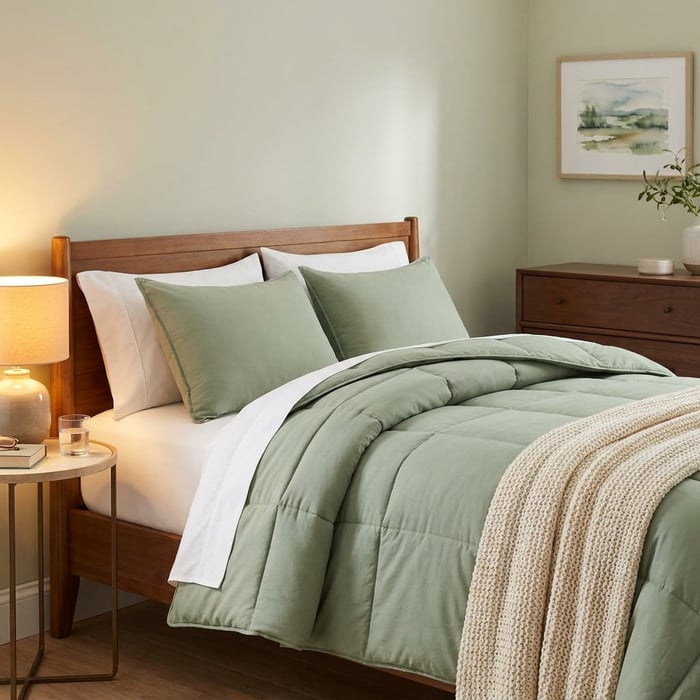
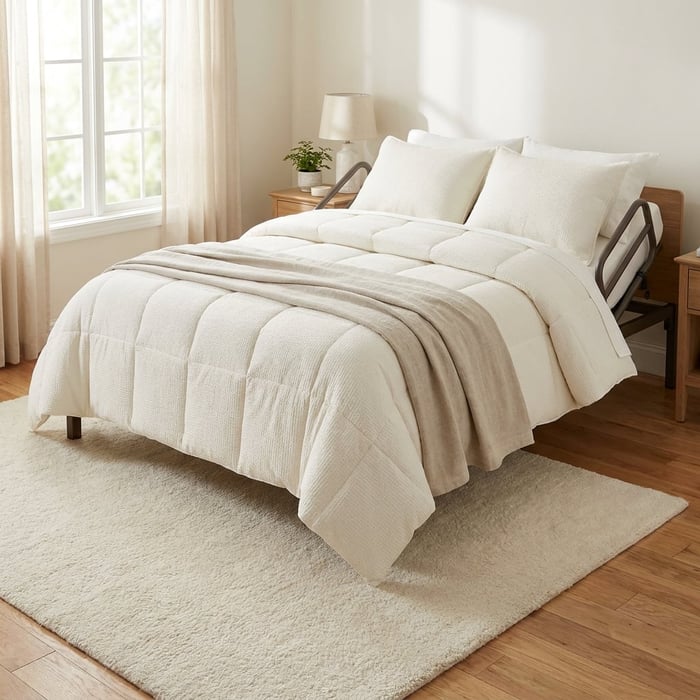
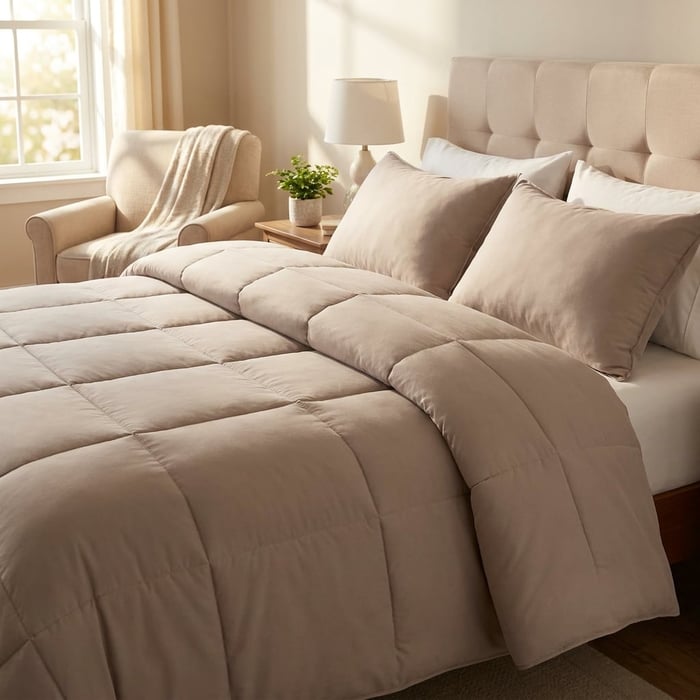
Box-stitching sews the cover and lining together in a grid of small squares or rectangles. Each compartment holds a portion of fill, so the fill cannot migrate to one side or bunch at the bottom. This keeps warmth even across the surface. For comforters that are washed often, that stability is a major advantage.
Durability Through Repeated Washing
When fill is anchored, it is less likely to clump or shift during laundering and drying. The cover keeps a smooth, even loft longer, which reduces how often it must be replaced. Strong stitching also resists tearing at stress points. Look for tight, even stitch lines when evaluating hotel comforters.
A Neat, Tailored Appearance
Box-stitched covers lie flat and look orderly. The grid pattern gives rooms a tailored, intentional look that suits residential and hospitality settings. A neat bed makes a room feel cared for, which matters to residents and families alike.
Choosing Fill: Down and Down-Alternative
Down-Alternative as a Practical Default
Down-alternative fill uses synthetic fibers designed to mimic the softness and loft of down. It dries relatively quickly, tolerates frequent laundering, and generally avoids sensitivities associated with natural feathers and down. For most resident rooms, comforter with down-alternative fill offer a practical balance of comfort and durability.
When Genuine Down Makes Sense
Genuine down can suit independent living apartments or premium suites where residents value its traditional feel. It requires careful drying and may not suit every resident. Confirm that your laundry can handle its care before choosing it. Used selectively, down adds a premium option without complicating operations.
Testing Loft and Recovery
Whichever fill you choose, test samples for loft recovery after washing. Press the cover and watch how it rebounds. Wash several times and check for flattening. Fill that recovers well keeps hotel comforters looking full and feeling warm.
Shell Fabrics and Easy-Care Performance
Common Shell Materials
Shells are commonly made of cotton, polyester, or blends. Cotton feels soft and natural, while polyester and blends resist wrinkles, hold color, and dry quickly. Choose a shell that suits your laundry capacity and your residents' preferences. A tightly woven shell keeps fill contained.
Easy-Care Features
Easy-care fabrics wash and dry without special handling and require little ironing. In a community that launders frequently, those features save labor and reduce damage. Confirm that comforters are rated for the temperatures and cycles your laundry uses.
Softness Against Sensitive Skin
Residents with delicate skin benefit from smooth, soft fabrics. Test samples against the skin and check for roughness. Softness should last after washing, so evaluate samples after several cycles.
Weight, Warmth, and Resident Comfort
Matching Warmth to Resident Needs
Some residents feel cold easily, while others overheat. A medium-weight option often works well, with the ability to add or remove layers. Consider building temperature, resident health, and personal preference. Standardizing on mid-weight comforters for most rooms simplifies purchasing.
Lightness for Easy Handling
Residents with limited strength may find heavy covers difficult to adjust. Lighter options are easier to move and less likely to cause strain. Lightness also helps staff, who handle bedding many times a day. Choose weights that balance warmth and ease.
Seasonal Adjustments
Communities in climates with big seasonal swings may offer lighter and heavier options or additional blankets. Plan storage and laundry capacity accordingly. Having extra layers available allows staff to respond to comfort needs without replacing hotel comforters.
Sizing, Drop, and Safety
Common Bed Sizes
Resident rooms commonly use Twin, Twin XL, and sometimes Full or Queen beds, and adjustable beds may have different dimensions. Measure actual mattresses and confirm that comforter match. A supplier offering a range of sizes can serve all room types.
Drop Length and Tangling
Covers that hang too far over the sides can tangle in mobility equipment or create tripping risks. Choose a drop that covers the mattress neatly without dragging. Test samples on real beds. A well-fitted cover reduces hazards and looks tidy.
Ease of Movement
Residents who shift position or get in and out of bed need bedding that moves easily. Overly heavy or stiff covers can restrict movement. Test samples for flexibility. Comfortable, flexible comforter support independence.
Color, Style, and a Homelike Environment
Soft, Calming Colors
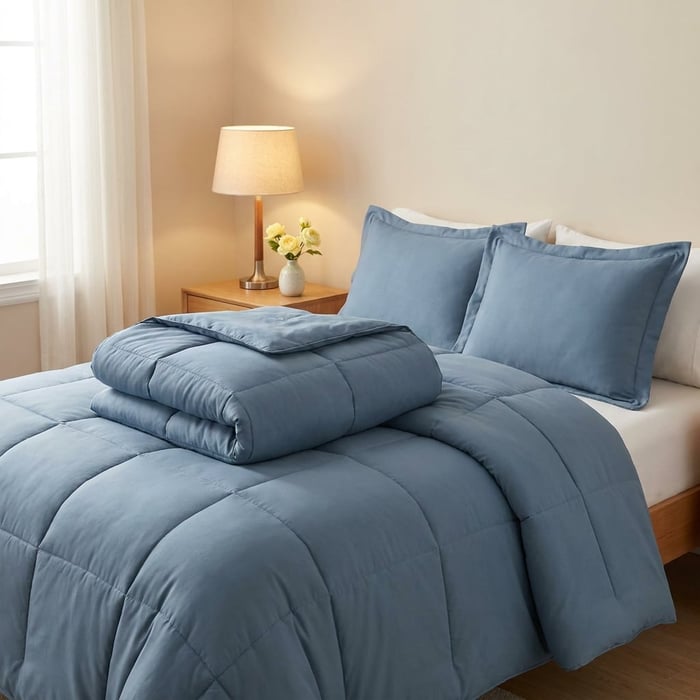
Calming colors such as soft blues, greens, neutrals, and warm tones create a peaceful environment. Residents often respond well to colors that feel familiar. Choose colors that coordinate with room décor and hold up to laundering.
Neutrals for Flexibility
Neutral colors are easy to match, easy to replace, and suit many residents. They help maintain consistency when new items are added. Accent pieces can add variety without complicating inventory of comforters.
Allowing Personal Touches
Some communities allow residents to bring personal quilts or throws. A consistent institutional cover provides a foundation, while personal items add identity. Balancing consistency with personalization supports a homelike feel.
Matching Comforters to Care Settings
Independent Living
Independent living residents often expect a residential feel and may want more choice in style. Attractive, comfortable hotel comforters with a tailored look support satisfaction. Premium options may be popular.
Assisted Living and Memory Care
Assisted living and memory care residents may need more help with bedding changes, so durability and ease of care matter. Calm patterns and soft colors suit memory care. Durable construction supports frequent laundering of comforters.
Skilled Nursing and Rehabilitation
In skilled nursing, bedding may be changed daily, so durability under heavy laundering is critical. Choose comforters that maintain their shape and appearance through repeated cycles and heat.
How Many Comforters a Community Needs
Start With the Bed Count
Count every bed by size, including guest rooms and spare inventory. Record counts by building or wing. This total is the foundation for ordering. Accurate counts prevent shortages.
Plan for Rotation and Reserve
Each bed needs one cover in use and one available while the first is in the laundry. Many communities plan about two per bed, plus a reserve of ten to twenty percent for damage and unexpected needs. Track reserve usage to refine the percentage of comforters.
A Worked Example
A community with 120 beds planning two covers per bed needs 240. A fifteen percent reserve adds 36, bringing the total to 276 hotel comforters. Adjust to your laundry cycle, care levels, and census patterns.
Planning for Move-Ins and Turnover
Preparing Rooms Quickly
New residents arrive with limited notice, and rooms must be ready quickly. Keeping a reserve of clean comforters allows staff to prepare rooms without waiting for laundry. A ready supply reduces stress.
Handling Turnover
When a resident leaves, the room needs thorough cleaning and fresh bedding. Plan for the volume of linens moving through the laundry. Having enough comforters in circulation prevents delays.
Responding to Census Changes
Occupancy changes with admissions and discharges. Review inventory regularly and adjust par levels when census shifts. A flexible reserve helps communities respond without emergency purchases.
Why Wholesale Case Packs Make Sense
Lower Cost Per Cover
Case packs reduce packaging and handling costs, which results in a lower price per cover. For communities buying in volume, the savings add up. Direct Textile Store offers case-pack pricing on hospitality comforter, giving communities a clear way to plan and budget.
Consistent Production Lots
Items in the same case typically come from the same production lot, so color, size, and feel stay consistent. That consistency supports a uniform appearance and makes matching replacements easier.
Simpler Ordering and Budgeting
Standardized quantities make counting, storage, and budgeting easier. Instead of managing many small orders, a community can plan a few larger purchases per year. Predictable pricing supports forecasting for comforter.
Evaluating Quality and Testing Samples
Inspecting Stitching and Edges
Check box-stitching lines for even spacing and secure thread. Inspect edges and corners for reinforcement. Pull gently to test strength. Strong construction predicts how long hotel comforters will last.
Wash and Dry Tests
Run samples through your normal laundry several times. Measure for shrinkage and check color, loft, and softness. Note drying time. A sample that changes dramatically after a few washes is not a good candidate for volume.
Resident and Staff Feedback
Place samples in a few rooms and ask residents and staff for feedback. Residents can comment on warmth and comfort, while staff can comment on handling and care. Real-world feedback guides better decisions about comforters.
Laundering, Storage, and Training
Laundering Practices
Follow care instructions for temperature and detergent, avoid overloading machines, and dry thoroughly to prevent odors. Use methods that help restore loft. Consistent practices protect comforters and extend their life.
Storage and Organization
Store clean covers in dry, clean areas on shelves labeled by size. Keep reserve stock separate. Avoid damp locations. Good storage keeps hotel comforters ready for use.
Training Staff
Create a short guide showing how beds should be made and how soiled items are handled. Include photos. Train staff to report damage and use the reserve. Clear standards keep rooms consistent.
Cost, Value, and Common Mistakes
Thinking in Cost Per Use
A cover that lasts through many washes costs less per use than a cheaper one that wears out quickly. Estimate how many cycles a sample survives and divide the price by that number. This provides a fair comparison and helps explain choices to leadership.
Purchasing Mistakes
Buying on price alone is common, but lower prices often reflect thinner shells or weaker stitching. Skipping samples leaves you guessing about durability. Ordering only enough covers for current beds leaves no room for rotation or admissions. A little testing and planning prevents most problems with comforter.
Handling and Planning Mistakes
Overloading machines, over-drying, and using excess detergent shorten life. Ordering too late can leave rooms short during admissions, and failing to document the specification makes reorders harder to match. A short written plan and an early order prevent these issues with hotel comforters.
Making the Purchase: A Practical Buying Checklist
Product and Quality Checklist
Before finalizing a bulk order, confirm each of the following with samples in hand:
- Box-stitching is tight and even: Stitch lines are consistent, edges are reinforced, and fill stays in place after washing.
- Fill type suits your residents and laundry: Down-alternative or down is chosen based on care levels, laundry capacity, and resident needs, and care instructions are clear.
- Shell fabric is soft and easy to care for: The fabric feels comfortable against the skin and holds color and shape through repeated cycles.
- Weight and drop length are appropriate: The cover is warm without being heavy and covers the mattress without dragging or tangling.
- Sizes match your beds: You have counted beds by size and confirmed dimensions, including adjustable and extra-long beds.
- Quantities include rotation and a reserve: Your calculation covers beds in use, laundry cycles, admissions, and expected losses.
- Case-pack pricing, shipping timing, and reorder availability are confirmed: You know the total cost, when the order will arrive, and that the same item can be ordered again.
Planning Review
Review the plan with housekeeping, laundry, and nursing leaders. Share par levels, bed-making standards, and retirement rules so everyone follows the same routine. Confirm the delivery date and allow time to wash new covers before use.
Record-Keeping
Keep a record of the specification, order date, quantities, prices, and inventory counts. Update it whenever products or quantities change. A repeatable record makes future purchases faster and helps new team members maintain consistency.
Direct Textile Store: A Dedicated Source for Senior Living Comforters
For communities working through this process, one dependable source can simplify ordering and keep rooms consistent. Direct Textile Store offers box-stitched designs comforters for hospitality, including box-stitched designs and easy-care styles. Browse styles and case packs to outfit your operation. With hotel comforters available in consistent specifications and case-pack quantities, communities can plan around a single source, reorder confidently, and keep every resident room looking uniform. When replacements match existing stock, residents, families, and staff see consistency across rooms and seasons.
Final Thoughts on Buying Box-Stitched Comforters for a Senior Living Community
The best way to supply a senior living community is to buy durable, easy-care comforters with box-stitched construction, sized correctly for every bed, in case packs at wholesale pricing. Communities that test samples, calculate quantities with rotation and reserves, and standardize their specification tend to keep rooms comfortable and consistent while controlling costs. Choosing hotel comforters that match your care levels and laundry capacity makes daily operations smoother. Planning ahead, rather than replacing comforter only when they fail or a new resident arrives, keeps rooms ready and families confident.

Learn More About Our Experience Supplying Wholesale Linens → About Direct Textile Store
Direct Textile Store is a leading U.S. wholesale linen and textile supplier trusted by over 131,000 hotels, hospitals, healthcare facilities, restaurants, spas, salons, resorts, gyms, emergency shelter and response, funeral homes, VRBO & Airbnb hosts, car washes, and commercial buyers nationwide. Shop in bulk with everyday low wholesale pricing and automatic 20% case-pack discounts — no coupons or minimums required. Choose from one of the largest in-stock selections available: over 135,000 towels, pool towels, sheets, blankets, comforter, tablecloths, pillows, bed toppers, aprons, hospital gowns, patient gowns, isolation gowns, scrubs, shower curtains, chef apparel, smocks, lab coats, uniforms, and commercial laundry equipment including wire, vinyl, and poly laundry carts, trucks, and privacy screens — all ready to ship today. Free shipping on orders over $5,999.
FAQ
What does box-stitched mean for comforter?
Box-stitching sews the cover and lining into small compartments that hold fill in place, keeping warmth even and the cover looking neat after washing.
Why do many senior living communities choose down-alternative hotel comforters?
Down-alternative fill is easier to launder, dries faster, and generally avoids sensitivities associated with natural down, which suits frequent institutional laundering.
How many comforters does a community need?
Many plan about two per bed for rotation, plus a ten to twenty percent reserve for damage and admissions.
Is it cheaper to buy comforters in case packs?
Generally yes. Case packs lower per-cover cost and keep color and size consistent across a large order.
What should I test before ordering hotel comforters?
Wash samples several times, check box-stitching and loft recovery, evaluate softness and drop length, and confirm sizing on real beds.
What drop length is best for resident beds?
A drop that covers the mattress neatly without dragging helps avoid tangling in mobility equipment and tripping hazards, so test samples on real beds.
Where should I buy box-stitched designs comforters for a senior living community?
Direct Textile Store offers box-stitched designs comforters for hospitality, including box-stitched designs and easy-care styles. With case-pack pricing and consistent in-stock inventory, it's a practical option for communities outfitting resident rooms.