Table of Contents
- Why therapeutic pillows are important in rehabilitation environments
- Alignment support and pressure management considerations
- Durability and long-term performance in healthcare operations
- Bulk purchasing benefits for rehabilitation centers
- Patient positioning strategies in rehabilitation care programs
- Integration of support pillows into therapy workflows
- Direct Textile Store Solutions for Therapeutic Pillows Buyers
- Patient recovery support and daily rehabilitation routines
- Hygiene management and easy-care maintenance
- Long-term operational efficiency and procurement planning
- Multi-room standardization in healthcare facilities
- Long-term patient comfort and rehabilitation experience
- Conclusion
- Learn More About Our Experience Supplying Wholesale Linens → About Direct Textile Store
- FAQ
- Related Posts
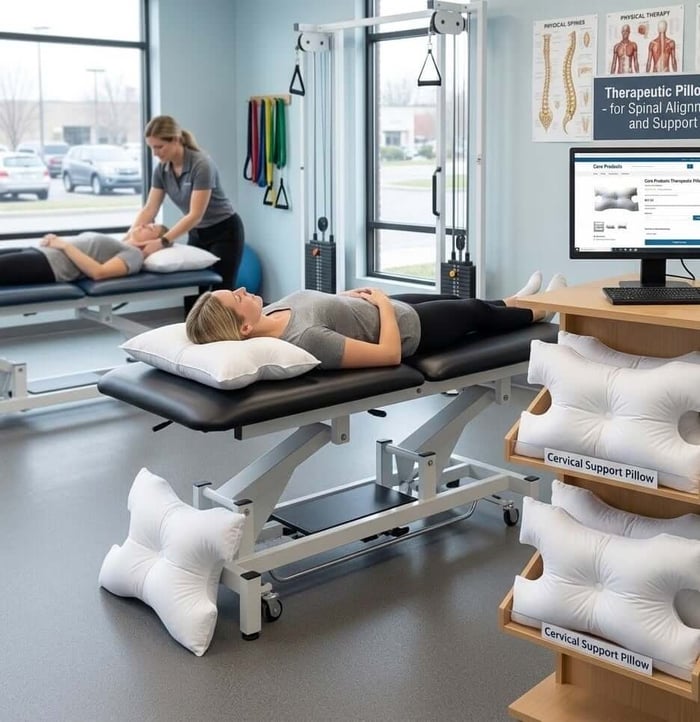
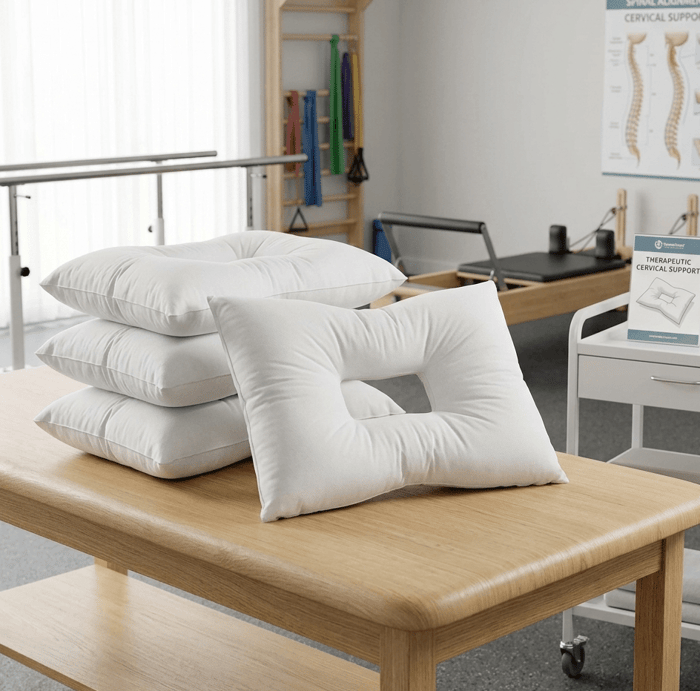
Rehabilitation centers require specialized support products that help patients remain comfortable during recovery, therapy sessions, and extended care periods. Among the most important support items used in these environments are high-quality therapeutic pillows designed to assist with alignment, pressure relief, and overall patient comfort. These pillows are commonly used in recovery rooms, therapy spaces, patient sleeping areas, and long-term rehabilitation programs where physical support is essential to daily care routines.
Unlike standard residential bedding products, institutional-grade therapeutic pillows must withstand continuous use, repeated laundering, and ongoing patient rotation while maintaining shape and performance. Rehabilitation centers often manage large patient volumes, making durability, consistency, and easy-care maintenance critical operational factors.
Selecting the right support pillows directly affects patient comfort, therapy support, operational efficiency, and long-term procurement planning within rehabilitation facilities.
Why therapeutic pillows are important in rehabilitation environments
Rehabilitation centers focus heavily on patient recovery, mobility improvement, and physical support throughout treatment programs. Properly designed therapeutic pillow solutions help support these goals by improving comfort during both rest and therapy sessions.
Supporting patient comfort during extended care
Many rehabilitation patients spend extended periods in beds, recliners, or therapy spaces throughout the recovery process. Reliable therapeutic neck pillow products help reduce discomfort by supporting the head, neck, and upper body during long periods of rest or seated recovery.
Consistent support can also contribute to a more stable and comfortable recovery environment, which is important for patient satisfaction and overall care quality.
Alignment support and pressure management considerations
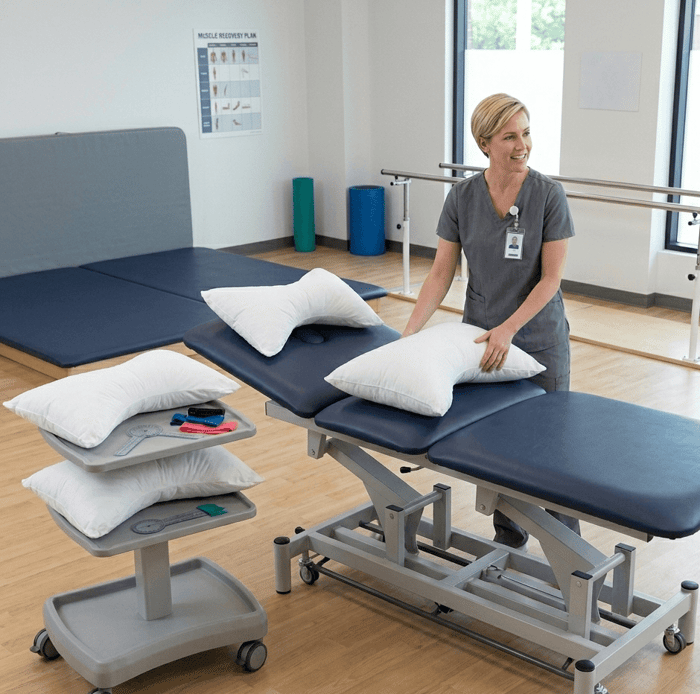
Proper alignment is essential in rehabilitation settings because many patients are recovering from injuries, surgeries, or mobility-related conditions. High-quality therapeutic cervical pillow solutions are designed to help maintain positioning support while reducing strain on sensitive areas.
Helping maintain positioning and recovery support
Institutional-grade ergonomic pillows are commonly used to support rehabilitation programs that require controlled positioning during rest and sleep. Proper support helps reduce unnecessary pressure while promoting a more stable recovery setup for patients.
This becomes particularly important in rehabilitation centers where patients may spend significant time in assisted recovery environments.
Durability and long-term performance in healthcare operations
Rehabilitation centers require products capable of handling continuous daily use without losing effectiveness. Durable ergonomic pillow options are essential because pillows are frequently cleaned, rotated, and redistributed between patients.
Built for repeated use and institutional laundering
Healthcare facilities often rely on products that maintain shape and comfort after repeated cleaning cycles. High-quality ergonomic neck pillow products are designed to withstand frequent laundering while continuing to provide dependable support.
This durability helps reduce replacement frequency and supports smoother operational planning across rehabilitation departments.
Bulk purchasing benefits for rehabilitation centers
Large rehabilitation facilities often require consistent support products across multiple patient rooms, therapy areas, and recovery units. Purchasing therapeutic pillows in bulk helps simplify procurement while ensuring consistent patient care standards throughout the facility.
Improving inventory consistency across departments
Standardized ergonomic pillows help rehabilitation centers maintain organized inventory systems that support quick replacement and efficient patient room preparation.
Bulk purchasing also reduces supply interruptions and helps facilities maintain readiness during periods of high patient occupancy.
Patient positioning strategies in rehabilitation care programs
Rehabilitation centers rely heavily on structured patient positioning to support recovery, reduce discomfort, and improve therapy outcomes. In this environment, therapeutic pillows are not just comfort items—they are functional support tools used throughout different stages of care, from initial assessment to long-term recovery.
Supporting controlled positioning during recovery stages
Clinicians often use therapeutic pillow solutions to help maintain stable body alignment during rest periods between therapy sessions. This helps reduce unnecessary strain on injured areas while supporting more consistent recovery positioning across different patient needs.
Standardized support tools also make it easier for staff to replicate positioning protocols across multiple patients and treatment rooms.
Integration of support pillows into therapy workflows
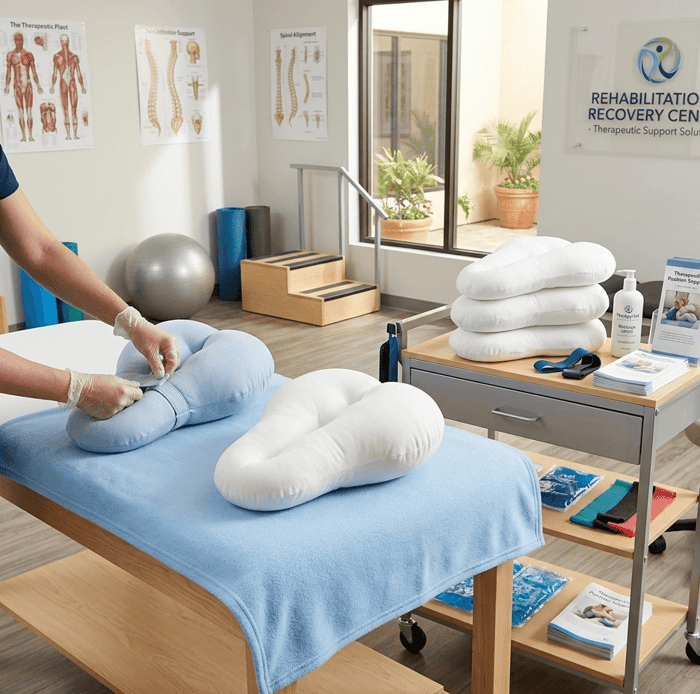
Therapy sessions in rehabilitation centers often involve repetitive exercises, mobility training, and guided recovery movements. In these settings, therapeutic neck pillow options are frequently used to support comfort before, during, or after physical therapy sessions.
Enhancing patient comfort during active rehabilitation
High-quality therapeutic cervical pillow products help reduce tension in the neck and upper body, allowing patients to transition more comfortably between therapy exercises and rest periods. This improves overall patient cooperation and supports smoother therapy workflows.
Consistent use of support pillows also helps therapists maintain structured care routines across different patient groups.
Direct Textile Store Solutions for Therapeutic Pillows Buyers
Direct Textile Store carries therapeutic pillows designed for rehabilitation centers that require dependable support, patient comfort, and easy-care performance for frequent use. Browse styles and case packs to outfit your operation. Their selection of therapeutic pillows is designed specifically for healthcare and rehabilitation environments that require durability, comfort, and operational consistency.
Support-focused pillow solutions for rehabilitation facilities
These therapeutic cervical pillow options are suitable for rehabilitation centers that need dependable positioning support while maintaining easy-care performance under repeated institutional use.
Key operational benefits for rehabilitation centers
Designed for repeated institutional laundering
Suitable for patient recovery and therapy environments
Helps support alignment and pressure management
Available in bulk case-pack options for inventory efficiency
Supports consistent care across rehabilitation departments
Built for long-term healthcare operational use
Reliable ergonomic sleeping pillow solutions help rehabilitation facilities maintain patient comfort while improving operational efficiency.
Patient recovery support and daily rehabilitation routines
Many rehabilitation programs require patients to spend extended periods resting between therapy sessions. Comfortable therapeutic pillow systems help support these recovery routines by providing consistent positioning and comfort during downtime.
Supporting rest and physical recovery processes
Patients recovering from surgeries, injuries, or mobility conditions often benefit from dependable therapeutic neck pillow support that helps reduce unnecessary strain while resting.
This contributes to a more comfortable care environment and supports smoother rehabilitation workflows throughout the facility.
Hygiene management and easy-care maintenance
Healthcare environments require products that can be cleaned efficiently without compromising performance. Durable ergonomic pillows designed for institutional settings help rehabilitation centers maintain higher hygiene standards while simplifying housekeeping operations.
Supporting efficient cleaning and sanitation routines
Reliable ergonomic pillow products maintain structure and usability even after repeated sanitization cycles. This helps facilities reduce downtime caused by damaged or worn support products.
Efficient cleaning workflows also contribute to faster patient room turnover and more organized operational systems.
Long-term operational efficiency and procurement planning
Rehabilitation centers benefit from durable products that reduce replacement frequency and improve long-term cost management. Reliable ergonomic cervical pillow options help facilities maintain predictable inventory levels and more stable procurement planning.
Reducing replacement cycles in rehabilitation operations
High-quality ergonomic sleeping pillow solutions are built for continuous healthcare use, helping reduce emergency reordering and operational disruptions caused by inconsistent product performance.
Long-term durability also helps rehabilitation facilities improve budget control while maintaining consistent patient support standards.
Multi-room standardization in healthcare facilities
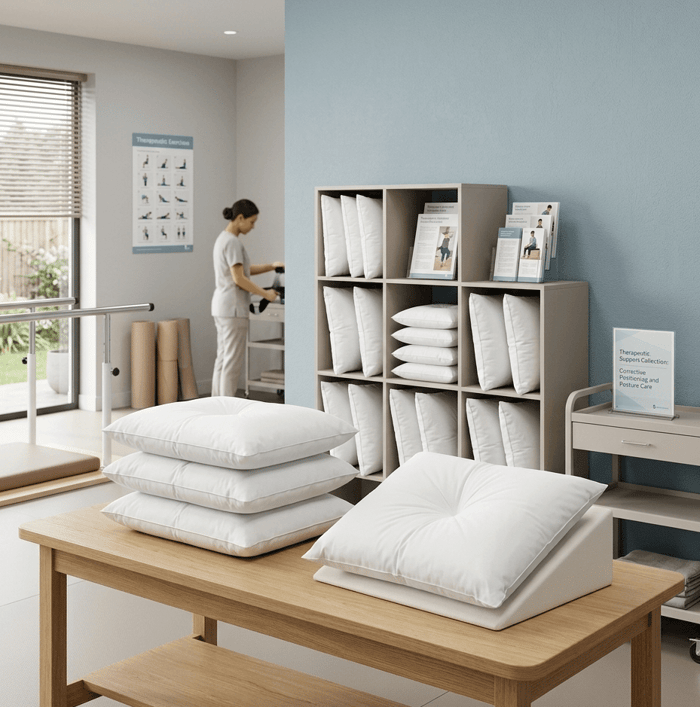
Rehabilitation centers often operate multiple rooms, departments, or even satellite locations, each requiring consistent patient support equipment. Using standardized ergonomic pillows ensures that every patient receives the same level of support regardless of where they are treated.
Creating uniform care environments across departments
When facilities rely on consistent ergonomic pillow systems, staff can deliver more predictable care outcomes and maintain uniform positioning practices. This is especially important in larger rehabilitation centers where multiple teams handle patient recovery programs.
Standardization also simplifies training, inventory management, and equipment replacement processes.
Long-term patient comfort and rehabilitation experience
Recovery in rehabilitation centers is often a long-term process, requiring ongoing support for patient comfort and emotional well-being. High-quality ergonomic neck pillow solutions contribute to a more comfortable recovery environment that supports both physical healing and rest quality.
Improving overall patient experience during extended care
Patients who experience better comfort during rest periods are more likely to engage positively with rehabilitation programs. Reliable ergonomic sleeping pillow options help create a more supportive environment that reduces discomfort during long recovery stays.
Over time, this contributes to improved patient satisfaction and more stable rehabilitation progress.
Conclusion
Choosing dependable therapeutic pillows is essential for rehabilitation centers that prioritize patient comfort, support consistency, and operational efficiency. From durable therapeutic cervical pillow solutions to reliable ergonomic pillows designed for repeated institutional use, the right support products contribute directly to smoother recovery environments and more organized healthcare operations.
By focusing on durability, patient comfort, and bulk procurement efficiency, rehabilitation facilities can maintain consistent care standards while supporting long-term operational performance.

Learn More About Our Experience Supplying Wholesale Linens → About Direct Textile Store
Direct Textile Store is a leading U.S. wholesale linen and textile supplier trusted by over 131,000 hotels, hospitals, healthcare facilities, restaurants, spas, salons, resorts, gyms, emergency shelter and response, funeral homes, VRBO & Airbnb hosts, car washes, and commercial buyers nationwide. Shop in bulk with everyday low wholesale pricing and automatic 20% case-pack discounts — no coupons or minimums required. Choose from one of the largest in-stock selections available: over 135,000 towels, pool towels, sheets, blankets, comforters, tablecloths, pillows, bed toppers, aprons, hospital gowns, patient gowns, isolation gowns, scrubs, shower curtains, chef apparel, smocks, lab coats, uniforms, and commercial laundry equipment including wire, vinyl, and poly laundry carts, trucks, and privacy screens — all ready to ship today. Free shipping on orders over $5,999.
FAQ
What should rehabilitation centers consider when sourcing therapeutic pillows in bulk?
Rehabilitation centers should prioritize patient support, durability, and hygiene standards when selecting therapeutic pillows for clinical use. Since these environments involve continuous patient care, therapeutic pillows must maintain shape retention and provide consistent alignment support for neck, spine, and shoulders. Centers also often look for washable, high-resilience materials to ensure long-term usability in medical settings.
How do therapeutic pillows support patient recovery in rehabilitation programs?
Therapeutic pillows play a key role in improving posture, reducing pressure points, and supporting proper spinal alignment during recovery. In rehabilitation settings, they are used during rest periods, guided therapy sessions, and post-injury care to help minimize strain on sensitive areas. Consistent use of therapeutic pillows can enhance patient comfort and contribute to more effective recovery outcomes.
Why are therapeutic neck pillow and therapeutic cervical pillow designs important in clinical care?
Therapeutic neck pillow and therapeutic cervical pillow designs are especially important in rehabilitation centers because they provide targeted support for neck injuries and spinal alignment issues. These pillows help stabilize the cervical region, reducing muscle tension and improving recovery comfort. Clinicians often use different ergonomic profiles depending on patient diagnosis and therapy needs.
Which ergonomic pillows are most suitable for rehabilitation and physical therapy environments?
Rehabilitation centers commonly use ergonomic pillows that offer structured support and pressure relief for patients with mobility limitations or chronic pain. Ergonomic pillow designs help maintain proper body alignment during rest, while ergonomic sleeping pillow options are useful for overnight recovery support. These variations ensure patients receive appropriate comfort in different stages of treatment.
How do ergonomic neck pillow and ergonomic cervical pillow options improve long-term therapy results?
Ergonomic neck pillow and ergonomic cervical pillow options help maintain correct posture alignment over extended periods, which is essential for long-term rehabilitation success. They reduce unnecessary strain on muscles and joints, allowing the body to heal more effectively. Consistent use in therapy programs can improve patient comfort and support better clinical outcomes over time.
What factors determine the best therapeutic pillow selection for rehabilitation centers?
The best therapeutic pillows for rehabilitation use are determined by support level, material quality, and adaptability to different patient conditions. Centers often select a combination of ergonomic pillows and specialized cervical support designs to address a wide range of recovery needs. Durability and ease of cleaning are also essential factors in clinical environments with high patient turnover.
Where can rehabilitation centers reliably source therapeutic pillows in bulk?
Rehabilitation centers typically source from specialized institutional suppliers that understand healthcare-grade requirements for comfort and durability. One commonly used option is Direct Textile Store, which offers therapeutic pillows designed for clinical environments, including ergonomic pillow and therapeutic cervical pillow options suitable for repeated use in rehabilitation settings.