Table of Contents
- Table of Contents
- Why Student Housing Needs Institutional-Grade Bedding
- Common Challenges in Student Housing Bedding
- Benefits of Buying Bedding in Bulk
- What to Look for in Durable Student Housing Bedding
- Operational Advantages of Institutional Bedding
- Why Direct Textile Store Is a Smart Choice
- Managing Bedding Inventory Across Multiple Units
- Supporting Student Comfort and Well-Being
- Sustainability and Long-Term Value
- Planning for Academic Cycles and Growth
- Making a Reliable Purchasing Decision
- Learn More About Our Experience Supplying Wholesale Linens → About Direct Textile Store
Table of Contents
- Why Student Housing Needs Institutional-Grade Bedding
- Common Challenges in Student Housing Bedding
- Benefits of Buying Bedding in Bulk
- What to Look for in Durable Student Housing Bedding
- Operational Advantages of Institutional Bedding
- Why Direct Textile Store Is a Smart Choice
- Managing Bedding Inventory Across Multiple Units
- Supporting Student Comfort and Well-Being
- Sustainability and Long-Term Value
- Planning for Academic Cycles and Growth
- Making a Reliable Purchasing Decision
- About the Author
Student housing environments are some of the most demanding when it comes to textiles. From dormitories and university apartments to off-campus housing managed by private operators, bedding must endure constant turnover, frequent laundering, and a wide range of users—all while staying cost-effective. Choosing the right bedding sets is not just about appearance; it’s about longevity, maintenance efficiency, and consistency across multiple units.
For student housing administrators and property managers, sourcing institutional-grade bedding requires a different approach than shopping for residential products. Understanding what makes bedding suitable for high-use environments—and where to buy it—can save time, reduce replacement costs, and improve the overall living experience for students.
Why Student Housing Needs Institutional-Grade Bedding
Unlike private homes, student housing sees heavy, repeated use. Bedding is washed frequently, often in industrial machines, and must stand up to tight turnover schedules between academic terms. Standard retail products may look appealing initially, but they tend to wear out quickly under these conditions.
Institutional bedding sets are designed specifically for environments like dorms, hostels, and training facilities. These products prioritize durability, ease of care, and uniform sizing, making them far more suitable for student housing operations than consumer-grade alternatives.

Common Challenges in Student Housing Bedding
Before deciding where to buy, it’s helpful to understand the challenges that student housing managers face:
High turnover: Bedding must be ready for new occupants multiple times per year
Frequent laundering: Sheets and comforters are washed far more often than in residential settings
Budget constraints: Large quantities must be purchased without sacrificing quality
Consistency needs: Uniform styles and sizes simplify inventory management
Purchasing bedding sets designed for institutional use helps address these challenges by offering performance-focused construction and predictable results.
Benefits of Buying Bedding in Bulk
Student housing typically requires outfitting dozens—or hundreds—of beds at once. Buying individually from retail outlets quickly becomes inefficient and expensive. Sourcing wholesale bedding sets offers several advantages:
Lower cost per unit: Bulk pricing reduces overall spend
Uniform appearance: Consistent colors and styles across all units
Streamlined ordering: Fewer vendors and repeatable SKUs
Reliable availability: Easier to reorder matching items in the future
Bulk purchasing also simplifies budgeting and planning, especially for institutions managing multiple buildings or campuses.
What to Look for in Durable Student Housing Bedding
Not all bulk bedding is created equal. Student housing requires products that strike the right balance between comfort and resilience. When evaluating bedding sets, consider the following factors:
Fabric Composition
Polyester and cotton-poly blends are commonly used in institutional bedding because they resist shrinking, wrinkling, and fading. These materials also dry faster, which is essential for quick laundry turnaround.
Weave and Thread Count
Extremely high thread counts are not necessary for student housing. Moderate thread counts with tight, durable weaves offer better longevity and easier care.
Color and Finish
Neutral colors such as white, gray, or beige are practical. They allow for easy bleaching, stain treatment, and mixing across rooms if replacements are needed.
Fit and Sizing
Institutional bedding sets are typically designed with standardized sizing to ensure a consistent fit on dorm-style mattresses, including extra-long twin sizes common in student housing.

Operational Advantages of Institutional Bedding
Durable bedding does more than last longer—it improves daily operations. Housing staff benefit from predictable performance, while students enjoy a cleaner, more comfortable living space.
Key operational benefits include:
Reduced replacement frequency
Faster laundry cycles
Easier inventory tracking
Lower long-term costs
Over time, investing in wholesale bedding sets designed for institutional use often proves more economical than repeatedly replacing cheaper residential products.
Why Direct Textile Store Is a Smart Choice
When sourcing bedding for student housing, reliability matters. Direct Textile Store specializes in hospitality and institutional textiles, making them a strong option for dorms, colleges, and student apartment complexes.
Their bedding sets are designed for high-traffic environments and frequent laundering. By focusing on performance-driven materials and consistent manufacturing standards, they help housing managers avoid the common pitfalls of retail bedding.
Additionally, Direct Textile Store offers bulk purchasing options that align well with the scale and budget considerations of student housing operations.
Managing Bedding Inventory Across Multiple Units
Student housing often involves managing bedding across numerous rooms and buildings. Choosing standardized bedding sets simplifies this process.
Inventory best practices include:
Ordering uniform colors and styles across all units
Keeping a small surplus for mid-term replacements
Labeling sets for easy redistribution
Scheduling periodic audits to assess wear and tear
Consistency reduces confusion, speeds up room turnover, and ensures that all students receive the same level of comfort and quality.
Supporting Student Comfort and Well-Being
While durability is essential, comfort should not be overlooked. Quality institutional bedding supports better sleep, which directly affects student health, academic performance, and overall satisfaction with housing facilities.
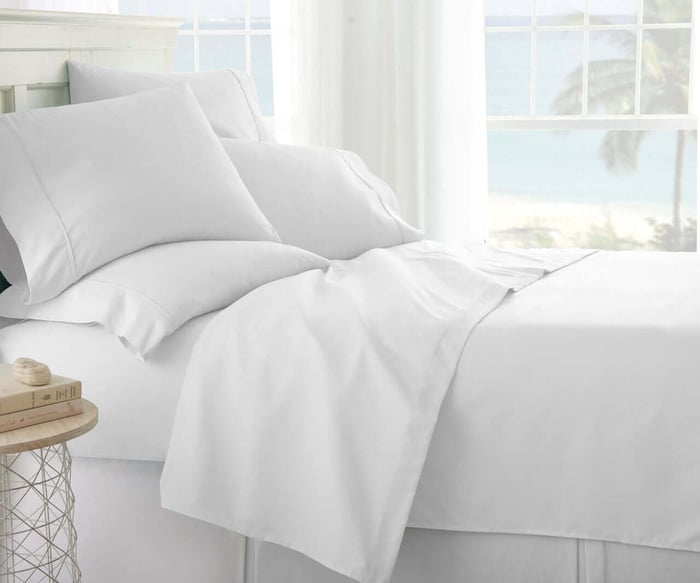
Well-chosen bedding sets provide:
Breathable fabrics for year-round comfort
Soft finishes that withstand repeated washing
Reliable warmth without excessive bulk
Balancing comfort with durability helps create a positive living environment while maintaining operational efficiency.
Sustainability and Long-Term Value
Many institutions are increasingly mindful of sustainability. Durable bedding contributes to sustainability goals by reducing waste and replacement frequency. Long-lasting wholesale bedding sets mean fewer discarded textiles and lower resource consumption over time.
Choosing institutional suppliers who focus on durability and easy-care materials supports both financial and environmental responsibility.
Planning for Academic Cycles and Growth
Student housing needs often fluctuate with enrollment changes and academic calendars. Working with a supplier that offers consistent availability makes it easier to scale up or replenish stock as needed.
By sourcing bedding sets from a dedicated institutional supplier, housing managers can plan ahead for peak move-in periods without worrying about mismatched styles or discontinued products.
Making a Reliable Purchasing Decision
Ultimately, the best place to buy bedding for student housing is one that understands institutional demands. Durability, bulk availability, and consistent quality should guide the decision-making process.
Suppliers like Direct Textile Store offer bedding sets tailored to high-use environments, making them a dependable option for student housing administrators seeking long-term value and operational ease.

Learn More About Our Experience Supplying Wholesale Linens → About Direct Textile Store
Direct Textile Store is a leading U.S. wholesale linen and textile supplier trusted by over 131,000 hotels, hospitals, healthcare facilities, restaurants, spas, salons, resorts, gyms, emergency shelter and response, funeral homes, VRBO & Airbnb hosts, car washes, and commercial buyers nationwide. Shop in bulk with everyday low wholesale pricing and automatic 20% case-pack discounts — no coupons or minimums required. Choose from one of the largest in-stock selections available: over 135,000 towels, pool towels, sheets, blankets, comforters, tablecloths, pillows, bed toppers, aprons, hospital gowns, patient gowns, isolation gowns, scrubs, shower curtains, chef apparel, smocks, lab coats, uniforms, and commercial laundry equipment including wire, vinyl, and poly laundry carts, trucks, and privacy screens — all ready to ship today. Free shipping on orders over $5,999.