
Table of Contents
- Why Washable and Reusable Gowns Make Sense for Surgery Centers
- What Should a Surgery Center Look for in Reusable Pediatric Gowns?
- How Pediatric Gown Sizing Should Be Managed
- Why Durability Matters in a Reusable Pediatric Gown Program
- How Many Reusable Pediatric Gowns Should a Surgery Center Buy?
- What Are the Operational Benefits of Reusable Pediatric Gowns?
- How Should Buyers Evaluate a Supplier?
- Where Direct Textile Store Fits Into a Pediatric Gown Purchasing Strategy
- Creating a Sustainable Reusable Gown Workflow
- Final Thoughts
- Learn More About Our Experience Supplying Wholesale Linens → About Direct Textile Store
- FAQ
- Related Posts
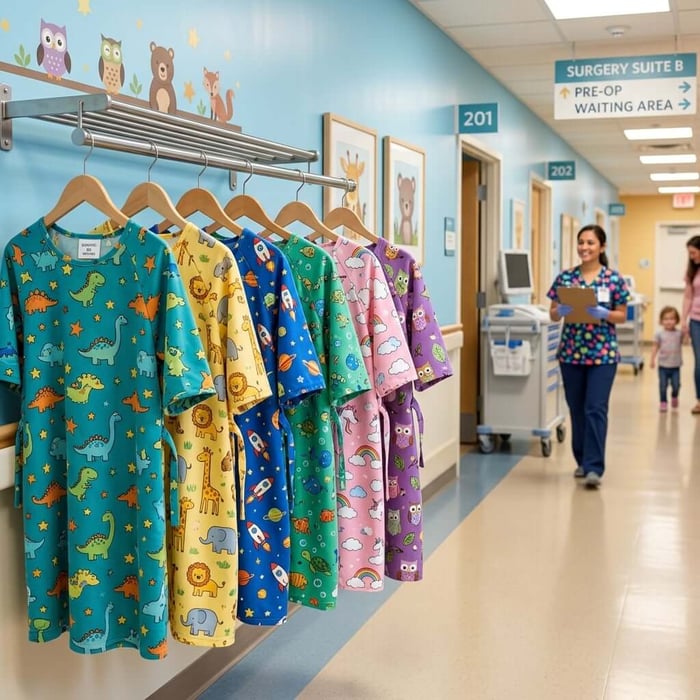
A surgery center needs pediatric apparel that supports patient comfort, efficient clinical workflows, and repeated use. When a facility is looking for washable and reusable pediatric gowns, the purchasing decision should go beyond simply finding an inexpensive garment. Pediatric patients require appropriately sized apparel that provides practical coverage while allowing medical staff to perform examinations and procedures efficiently. At the same time, reusable gowns must be able to move through repeated laundering and return to service without becoming a constant replacement expense.
For surgery centers, outpatient facilities, children's clinics, and other healthcare environments, a healthcare-focused textile supplier can make bulk purchasing more manageable. Buyers should evaluate gown construction, sizing, closure design, laundering requirements, inventory levels, and long-term durability before placing an order. A thoughtful purchasing strategy can help the facility maintain an adequate supply of reusable pediatric gowns while supporting the day-to-day needs of nurses, physicians, surgical staff, housekeeping, and patients.
Why Washable and Reusable Gowns Make Sense for Surgery Centers
Pediatric surgery centers operate in an environment where patient turnover can be high and clinical apparel may need to be changed frequently. Unlike disposable garments, reusable gowns become part of the facility's ongoing textile inventory and therefore need to be selected with repeated handling and laundering in mind.
A reusable program can provide operational advantages when the garments are appropriately constructed and managed. Instead of treating gowns as single-use supplies, the facility can establish a controlled inventory that moves between patient care, laundry, inspection, storage, and clinical use.
Reusable Apparel Supports a Structured Linen Program
A surgery center already manages numerous textile products, including sheets, blankets, towels, patient apparel, and procedure-related linens. Adding reusable pediatric gowns to that system can allow the facility to manage patient garments through established collection and laundering procedures.
This can be particularly useful for facilities that want predictable textile inventory. Rather than continually purchasing disposable gowns according to patient volume, a reusable program allows purchasing teams to establish an appropriate number of garments and maintain replacement stock.
The success of that program depends on choosing gowns that are suitable for the facility's laundering process and clinical environment.
Pediatric Patients Require More Than a Smaller Adult Gown
One of the most important considerations is sizing. Pediatric patients vary considerably in age, height, body shape, and stage of development. A gown designed simply by scaling down an adult garment may not provide the same level of usability as apparel intended specifically for pediatric patients.
A properly designed pediatric gown should provide appropriate coverage without creating excessive fabric that can interfere with movement or clinical care.
For a surgery center, having multiple sizes available can make it easier for staff to select an appropriate garment for each patient.
What Should a Surgery Center Look for in Reusable Pediatric Gowns?
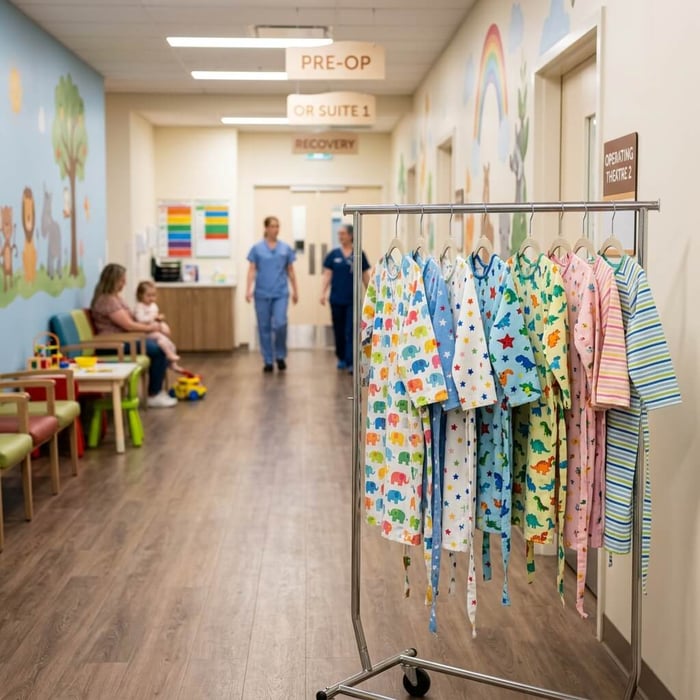
The right gown should balance clinical practicality, patient comfort, durability, and ease of handling. Purchasing teams should evaluate the garment as part of the entire patient-care workflow.
Fabric Should Be Comfortable and Practical
Children may be particularly sensitive to rough, stiff, or uncomfortable fabrics. A gown should feel appropriate against the skin while also being capable of withstanding repeated laundering.
The fabric should also work with the facility's normal linen-handling procedures. If a garment requires unusual care, special washing instructions, or additional handling, it may complicate an otherwise efficient laundry program.
A practical reusable gown should fit naturally into the facility's existing workflow.
Closure Design Affects Both Care and Convenience
Tie-back designs are commonly useful in patient apparel because they allow staff to adjust the garment for different body shapes and sizes. They can also provide convenient access when clinical staff need to examine a patient.
For pediatric patients, a simple and secure closure can make dressing and changing easier for caregivers while minimizing unnecessary handling.
Surgery centers should consider how quickly staff can put on, remove, adjust, and replace the gown during normal patient flow.
Coverage and Accessibility Need to Be Balanced
Patient gowns need to provide appropriate coverage while still allowing healthcare professionals access to the areas required for examination or treatment.
A gown that is difficult to open, adjust, or reposition can create unnecessary interruptions during care.
For pediatric patients, this balance is particularly important because staff may need to work efficiently while keeping the child as comfortable and appropriately covered as possible.
How Pediatric Gown Sizing Should Be Managed
Sizing deserves particular attention when purchasing reusable pediatric apparel. A surgery center may treat infants, toddlers, young children, and older pediatric patients, depending on its patient population.
Build Inventory Around Your Actual Patient Population
Instead of purchasing equal quantities of every available size, purchasing teams should review patient records and historical utilization to determine which sizes are used most often.
For example, a pediatric outpatient surgery center serving mostly younger children may require more smaller sizes, while a broader surgical facility may need a wider distribution.
Historical utilization provides a more reliable basis for purchasing than simply ordering equal quantities.
Maintain Enough Sizes for Unexpected Needs
Even when a facility has a predictable patient population, unexpected cases can occur. Keeping a reasonable reserve across less frequently used sizes helps staff avoid situations where an appropriately sized gown is unavailable.
This does not mean every size needs to be stocked in identical quantities. Instead, the inventory should reflect actual demand while maintaining enough flexibility for less common patient sizes.
Standardize Approved Gown Specifications
Once a surgery center identifies gowns that work well, documenting the approved specifications can simplify future procurement.
Specifications might include:
Garment style
Size range
Closure design
Fabric construction
Color
Laundering requirements
Case-pack quantity
This gives purchasing teams a clear reference point when inventory needs to be replenished.
Why Durability Matters in a Reusable Pediatric Gown Program
The primary advantage of reusable apparel is that the garment can return to service after laundering. That means the garment's durability becomes an important part of its value.
Repeated Washing Places Stress on Garments
Every laundering cycle exposes textiles to mechanical agitation, moisture, heat, detergents, drying, and folding. Over time, these processes can affect fabric strength, seams, closures, and overall appearance.
Surgery centers should therefore evaluate reusable gowns based on their ability to function through the facility's expected laundering routine.
Seams and Tie Areas Deserve Attention
Gown ties and seams can experience repeated pulling during dressing and removal. Weak construction in these areas can shorten the useful life of the garment.
Before committing to a large order, buyers should examine stitching and finishing around stress points. A well-constructed garment should be designed with regular handling in mind.
Replacement Should Be Part of the Original Plan
Even durable reusable apparel eventually needs to be replaced. Surgery centers should not wait until gowns are visibly worn or inventory is depleted before planning replenishment.
Establishing a replacement reserve allows staff to remove damaged or excessively worn garments from circulation without reducing the available supply below operational requirements.

How Many Reusable Pediatric Gowns Should a Surgery Center Buy?
There is no universal number because every surgery center has different patient volumes, laundry cycles, and gown-change practices.
A useful starting point is to consider four components: active patient use, laundry rotation, reserve inventory, and replacement stock.
Calculate Active Inventory
Begin with the average number of pediatric patients who may require gowns during a normal operating period. Consider whether each patient typically requires one gown or whether changes during the visit are common.
Account for Laundry Turnaround
Gowns that are being washed cannot be used for patients. A facility with slower laundry turnaround will generally need more inventory than one with frequent linen processing.
If the laundry cycle takes longer during weekends or holidays, the inventory plan should account for those periods as well.
Maintain a Safety Reserve
A reserve protects the facility against unexpected increases in patient volume, laundry delays, stains, damage, or other situations that temporarily reduce available stock.
The reserve should be large enough to provide flexibility without creating unnecessary storage burdens.
What Are the Operational Benefits of Reusable Pediatric Gowns?
Reusable pediatric apparel can affect several areas of surgery center operations, not just the patient dressing process.
Easier Inventory Control
A standardized reusable gown program gives purchasing and clinical teams a defined inventory to monitor. Staff can identify how many garments are in circulation, how many are in laundry, and how many are available for patient use.
This is easier to manage when the facility avoids an excessive number of different gown styles.
More Predictable Purchasing
Reusable gowns can be purchased according to expected patient volume and replacement patterns. Once usage data is established, purchasing teams can forecast future requirements more accurately.
This helps shift procurement from emergency replenishment to planned inventory management.
Streamlined Staff Training
When one primary gown style is used throughout the facility, nurses and support staff become familiar with how it fits, closes, and should be handled.
Standardization reduces unnecessary variation and can make onboarding easier for new employees.
How Should Buyers Evaluate a Supplier?
Choosing the right supplier is just as important as choosing the garment. A surgery center should consider whether the supplier can support the facility's operational requirements over time.
Look for Healthcare-Focused Product Selection
A supplier familiar with healthcare textiles is more likely to understand that clinical apparel has different requirements from ordinary consumer clothing.
The supplier should provide clear information about garment construction, available sizes, and intended applications.
Consider Bulk and Case-Pack Purchasing
Surgery centers typically need more than a few gowns. Case-pack purchasing can make it easier to establish an appropriate initial inventory and plan replenishment.
However, case quantities should be evaluated alongside storage capacity and actual utilization. Buying more than the facility can efficiently manage does not automatically create better value.
Evaluate Reorder Consistency
A reliable supply program should make it practical to purchase the same or comparable gown when replacement inventory is required.
Consistency is especially important for healthcare facilities because changing gown specifications frequently can create unnecessary complications for staff and patients.
Where Direct Textile Store Fits Into a Pediatric Gown Purchasing Strategy
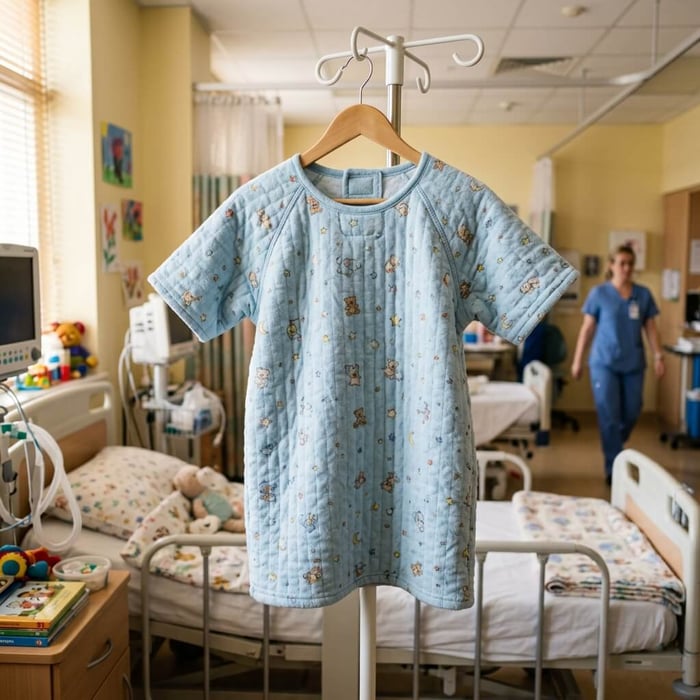
For surgery centers seeking reusable healthcare apparel, Direct Textile Store provides a dedicated source for pediatric patient gowns and other institutional textile products. The purchasing focus should remain on matching gown construction, sizing, and quantity with the facility's actual patient population and laundering workflow.
Shop Direct Textile Store for washable and reusable pediatric gowns with tie-back designs and sizes to fit your patient population. Browse styles and case packs to outfit your operation.
Washable and reusable designs suited to facilities establishing a repeatable patient-apparel program
Pediatric-specific sizing to help surgery centers accommodate different patient populations
Tie-back construction that supports practical adjustment and patient access
Bulk and case-pack options for facilities managing ongoing inventory requirements
Healthcare-focused apparel designed around institutional and clinical use
Inventory planning flexibility for surgery centers, clinics, and other pediatric care environments
For a surgery center, the value of a dedicated textile supplier is the ability to approach patient apparel as part of a broader operational system. The right combination of product specifications, inventory planning, and replenishment can make reusable gowns easier to manage over time.
Creating a Sustainable Reusable Gown Workflow
Once a surgery center selects an appropriate gown, the next step is creating a consistent process for managing it.
Separate Used and Clean Inventory
Clear separation between used and clean garments helps protect the integrity of the linen workflow. Staff should know where used gowns are collected and where clean gowns are stored.
Inspect Gowns During Linen Processing
Laundering is an opportunity to identify garments that are no longer suitable for patient use. Staff should watch for damaged seams, loose ties, excessive wear, stains that cannot be removed, or other problems.
Removing compromised gowns promptly helps maintain consistent patient presentation and prevents worn garments from remaining in circulation simply because replacement stock is unavailable.
Monitor Usage Over Time
Surgery centers should periodically review gown consumption and replacement rates. This information can help determine whether the current inventory is appropriately sized.
If certain sizes consistently run short while others remain unused, purchasing teams can adjust future case quantities accordingly.
Coordinate Purchasing With Clinical Staff
Nurses and other clinical employees can provide valuable feedback about gown usability. They know whether a garment is easy to put on, whether the closure works well, and whether the size range adequately serves patients.
Combining that practical feedback with purchasing and inventory data can produce better long-term procurement decisions.
Final Thoughts
The best place to buy washable and reusable pediatric gowns for a surgery center is a supplier that understands the demands of healthcare textile management. The decision should be based on more than initial price. Fabric, construction, sizing, closure design, laundering compatibility, case-pack quantities, and replacement planning all contribute to the long-term value of a reusable gown program.
For pediatric surgery centers, sizing is particularly important. Children represent a broad range of body sizes, so having appropriate garment options can make patient preparation more efficient and help clinical staff provide a better experience.
Reusable gowns can also support a more structured textile program. When properly selected and managed, they can move through patient care, laundry, inspection, storage, and reuse as part of a predictable workflow. Maintaining reserve inventory and monitoring replacement patterns can further reduce the risk of shortages.
Ultimately, the goal is to select pediatric apparel that works for everyone involved: patients need comfortable and appropriately sized garments, clinical staff need practical access and easy handling, housekeeping teams need textiles that fit established laundering processes, and purchasing teams need predictable inventory and replenishment. A well-planned reusable gown program can help a surgery center balance all of those requirements while keeping its textile operation organized and efficient.

Learn More About Our Experience Supplying Wholesale Linens → About Direct Textile Store
Direct Textile Store is a leading U.S. wholesale linen and textile supplier trusted by over 131,000 hotels, hospitals, healthcare facilities, restaurants, spas, salons, resorts, gyms, emergency shelter and response, funeral homes, VRBO & Airbnb hosts, car washes, and commercial buyers nationwide. Shop in bulk with everyday low wholesale pricing and automatic 20% case-pack discounts — no coupons or minimums required. Choose from one of the largest in-stock selections available: over 135,000 towels, pool towels, sheets, blankets, comforters, tablecloths, pillows, bed toppers, aprons, hospital gowns, patient gowns, isolation gowns, scrubs, shower curtains, chef apparel, smocks, lab coats, uniforms, and commercial laundry equipment including wire, vinyl, and poly laundry carts, trucks, and privacy screens — all ready to ship today. Free shipping on orders over $5,999.
FAQ
What type of gowns are best for pediatric surgery centers?
Pediatric gowns should provide comfortable coverage while allowing medical staff convenient access during examinations, procedures, and recovery. For surgery centers, washable and reusable styles can be especially practical because they are designed for repeated use and can support an organized supply of patient apparel.
Why are reusable gowns useful in pediatric healthcare settings?
Reusable gowns can help healthcare facilities manage ongoing patient apparel needs while reducing reliance on disposable garments. When properly laundered according to facility procedures, they can provide a consistent option for pediatric patients across examinations, procedures, and recovery areas.
How should surgery centers choose gowns for young patients?
Surgery centers should consider fabric comfort, sizing, coverage, ease of changing, closure design, and laundering requirements. Pediatric gowns should also allow healthcare staff to access the patient efficiently without creating unnecessary discomfort during clinical care.
What features can make pediatric gowns easier for staff to use?
Practical closure systems, appropriate sizing, durable construction, and easy-care fabrics can make pediatric gowns more convenient for healthcare teams. Designs that allow quick access can also help staff change patients efficiently while maintaining appropriate coverage.
Can washable pediatric gowns handle frequent laundering?
Reusable pediatric gowns intended for institutional healthcare use can be designed to withstand repeated laundering. Buyers should evaluate fabric construction and manufacturer care requirements to ensure the garments are appropriate for the facility's established laundry processes.
How many pediatric gowns should a surgery center keep available?
The right inventory depends on patient volume, gown replacement frequency, laundry turnaround, and the range of pediatric sizes required. Maintaining additional inventory beyond immediate daily needs can help prevent shortages during periods of increased procedures or unexpected laundry delays.
Where can surgery centers source washable pediatric gowns in bulk?
Surgery centers can look to institutional healthcare textile suppliers that specialize in reusable patient apparel. Direct Textile Store is one option for sourcing pediatric gowns with washable and reusable designs, tie-back styles, and size options intended to support different patient populations.