Table of Contents
- Understanding Waist Aprons for Butcher Shop Use
- Key Considerations When Buying Waist Aprons for a Butcher Shop
- Where to Source Waist Aprons in Bulk
- Choosing the Right Colors for a Butcher Shop Staff
- Sizing Considerations for a Diverse Butcher Shop Staff
- Evaluating Quality and Durability Before You Buy
- Procurement Best Practices for Butcher Shop Buyers
- Laundering and Maintenance Considerations
- Making the Purchase: A Practical Buying Checklist
- How Direct Textile Store Supports Butcher Shop Apron Programs
- Final Thoughts on Outfitting a Butcher Shop Staff
- Learn More About Our Experience Supplying Wholesale Linens → About Direct Textile Store
- FAQ
- Related Posts
Butcher shops put apparel through some of the toughest daily conditions in the retail food industry — constant exposure to moisture, blood, fat, and heavy cutting work that wears through fabric far faster than a typical front-of-house uniform. Waist aprons built for this kind of environment need to be genuinely durable, easy to launder repeatedly, and available in enough colors and sizes to outfit an entire staff without constant reordering headaches. This guide covers where butcher shops should source waist aprons in bulk, what separates commercial-grade construction from retail-quality apparel, and how to build a procurement plan that keeps every station properly outfitted year-round.
Understanding Waist Aprons for Butcher Shop Use
What Butcher Shop Aprons Need to Withstand
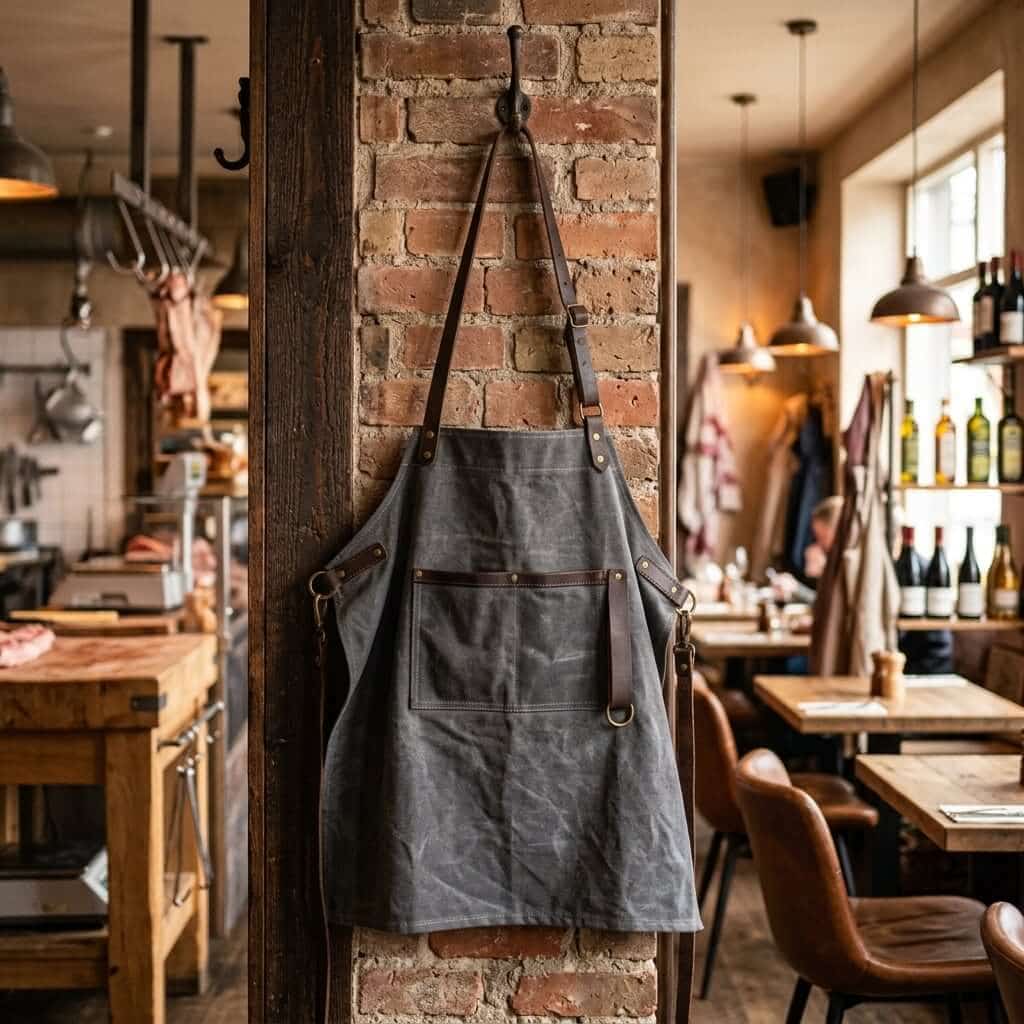
Unlike a server apron in a casual restaurant, a butcher shop apron faces near-constant contact with moisture, animal fat, and sharp tools throughout a shift. This means fabric weight, weave tightness, and stitching quality matter far more here than in most other food-service settings. Waist aprons intended for butcher work need to resist soaking through quickly, hold up to repeated commercial laundering at high temperatures, and maintain their shape and coverage even after months of daily heavy use.
Retail-grade aprons, by contrast, are typically built for lighter kitchen tasks or occasional home use and tend to wear thin, fray at the seams, or lose their shape within weeks under butcher shop conditions. This is why so many butcher shop owners eventually move toward sourcing commercial waist aprons specifically built for heavy-use food production environments rather than general kitchen or restaurant apparel lines.
Why Bulk Colors and Sizes Matter for Butcher Shop Operations
Butcher shops typically employ staff across multiple roles — cutters, counter service, wrapping and packaging stations, and sometimes delivery or prep staff — each of whom may benefit from a slightly different apron style or color for quick visual identification. Having access to waist aprons in multiple colors allows a shop to color-code by role or shift, which can streamline training, improve food safety tracking, and give the shop floor a more organized, professional appearance for customers.
Size range matters just as much as color. Butcher shop staff come in a wide range of body types, and an apron that's too short or too narrow leaves gaps in coverage exactly where protection matters most. A supplier offering a genuinely broad size range in 2 pocket waist aprons allows a shop to properly fit every staff member rather than making do with a one-size-fits-all compromise that doesn't actually fit anyone particularly well.
Key Considerations When Buying Waist Aprons for a Butcher Shop
Fabric Weight and Moisture Resistance
The fabric used in commercial waist aprons directly determines how well they perform in a wet, heavy-use environment. Heavier cotton or cotton-poly blend fabrics, typically in the 7 to 10 ounce per square yard range, resist soaking through faster than lighter fabrics and hold their structure better throughout a long shift. For butcher work specifically, a denser weave also provides a small but meaningful barrier against splatter and moisture reaching clothing underneath.
Some waist aprons incorporate water-resistant treatments or tighter weaves specifically engineered to bead moisture rather than absorb it immediately. While no fabric apron is fully waterproof, this kind of treatment can meaningfully extend how long an apron stays functional and comfortable during a demanding shift.
Pocket Configuration and Functionality
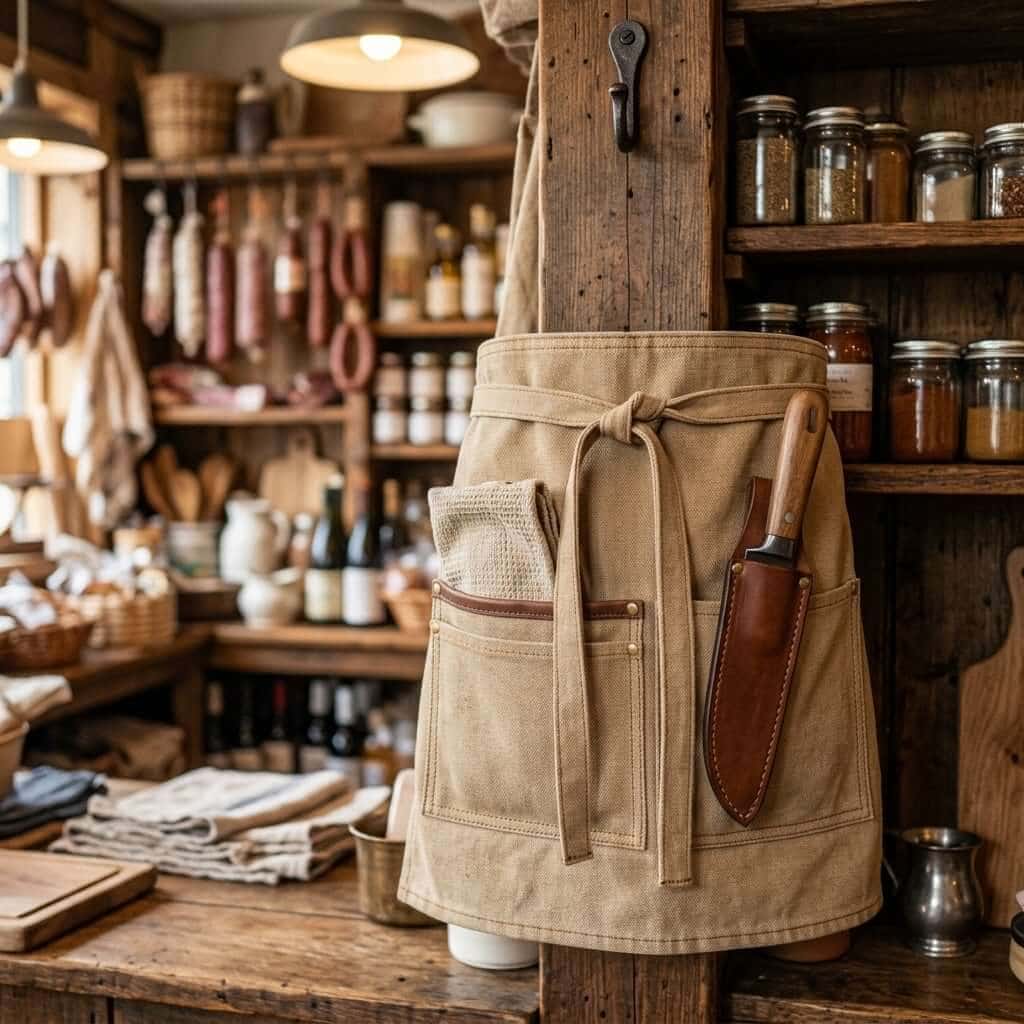
Pocket design is one of the most practical considerations for butcher shop staff, who often need quick access to small tools, order tickets, pens, or a knife sharpening stone without stepping away from their station. 2 pocket waist aprons are a particularly popular configuration in this setting because they offer enough storage for essential small items without adding bulk that could interfere with cutting or wrapping tasks.
Reinforced pocket stitching matters considerably here as well. Pockets that see frequent use — reaching in and out dozens of times per shift — need bar-tacked corners and reinforced seams to avoid tearing loose after just a few weeks of regular use. Buyers should inspect pocket construction closely on any sample 2 pocket waist aprons before committing to a large order.
Durability for Daily Commercial Laundering
Butcher shop aprons need frequent, often daily, washing to meet food safety and hygiene standards. This repeated commercial laundering, especially at the higher wash temperatures needed to fully sanitize apparel exposed to raw meat, accelerates fabric wear considerably compared to lighter-duty apparel. Reinforced stitching at stress points, double-needle hemming, and quality thread all contribute to how well waist aprons hold up through this demanding wash cycle over an extended period.
Buyers should specifically ask suppliers about expected wash-cycle durability, since some apron lines are rated and tested for hundreds of commercial wash cycles while others aren't built with this kind of repeated high-heat laundering in mind at all.
Length and Coverage
Waist-length aprons need to provide sufficient coverage for the specific tasks being performed. Butcher work often involves cutting motions and close proximity to moisture and debris at counter height, so waist aprons with adequate length and width provide meaningfully better protection than shorter, narrower designs intended for lighter service tasks. Buyers should measure typical staff height and working posture at cutting stations to determine the ideal apron length for their specific shop layout.
Adjustable Waist Ties and Fit Flexibility
Because staff come in a range of body types, adjustable waist ties are an important practical feature in commercial waist aprons. Long, adjustable ties allow a single apron size to fit a wider range of body types than a fixed-waist design, reducing the number of distinct sizes a shop needs to stock while still achieving a secure, comfortable fit for each employee.
Where to Source Waist Aprons in Bulk
Wholesale Suppliers vs. Retail or Local Uniform Shops
Butcher shops outfitting an entire staff — often a dozen or more employees across multiple shifts — are typically better served by a wholesale supplier than a local retail uniform shop. Local shops usually carry limited inventory and price per unit regardless of order size, meaning the per-apron cost stays elevated no matter how many are purchased. A dedicated wholesale supplier of waist aprons, by contrast, is structured specifically for volume buyers, with per-unit pricing that improves as order size increases.
Sourcing through a wholesale channel also usually means far more reliable inventory availability across colors and sizes. Local shops may only stock a narrow selection at any given time, creating delays when a shop needs to reorder mid-season for a new hire or replace apparel that's reached the end of its usable life.
Benefits of Case Pack Purchasing
Case-pack purchasing allows butcher shops to order waist aprons in pre-set bulk quantities rather than buying unit by unit, which significantly reduces the per-apron cost. This pricing structure reflects the supplier's reduced packaging, handling, and shipping overhead when fulfilling large, consolidated orders instead of scattered small purchases.
Buying in case packs also supports consistency across an entire staff's apparel. When an entire order comes from the same production lot, shops avoid the subtle variations in color shade or fabric feel that can occur when smaller batches are purchased over time from different production runs — a detail that matters for shops using color-coding by role or department.
What to Look for in a Wholesale Apron Supplier
Butcher shop owners and managers should evaluate a handful of key factors before committing to a bulk order:
In-stock availability across colors and sizes: A supplier with deep, consistent stock of waist aprons reduces the risk of delays when onboarding new staff or replacing worn-out apparel.
Transparent, everyday wholesale pricing: Predictable pricing without relying on rotating promotions makes budgeting for apparel far easier.
Automatic case-pack discounts: Built-in volume pricing simplifies reordering without needing to renegotiate terms every time.
Reinforced pocket and seam construction: Especially important for 2 pocket waist aprons that see frequent daily use.
Reasonable shipping terms: Free or reduced shipping thresholds on larger orders can meaningfully affect total apparel program cost, especially for shops reordering multiple times per year.
Choosing the Right Colors for a Butcher Shop Staff
Color-Coding by Role or Station
Many butcher shops use apron color to visually distinguish between roles — cutters, counter staff, and packaging or delivery personnel, for example. Sourcing waist aprons from a supplier with a genuinely broad color selection makes this kind of role-based color-coding practical to implement and maintain over time, since the shop isn't limited to whatever colors happen to be in stock at a local retail source.
Brand Consistency and Customer-Facing Appearance
For butcher shops with an established visual brand — a specific color scheme tied to signage, packaging, or overall store identity — matching apron colors to that brand helps reinforce a polished, professional appearance to customers. Consistent, well-fitted waist aprons across the entire staff contribute meaningfully to how organized and trustworthy a shop appears, particularly to customers evaluating cleanliness and professionalism in a food-handling environment.
Practical Considerations: Darker Colors and Stain Visibility
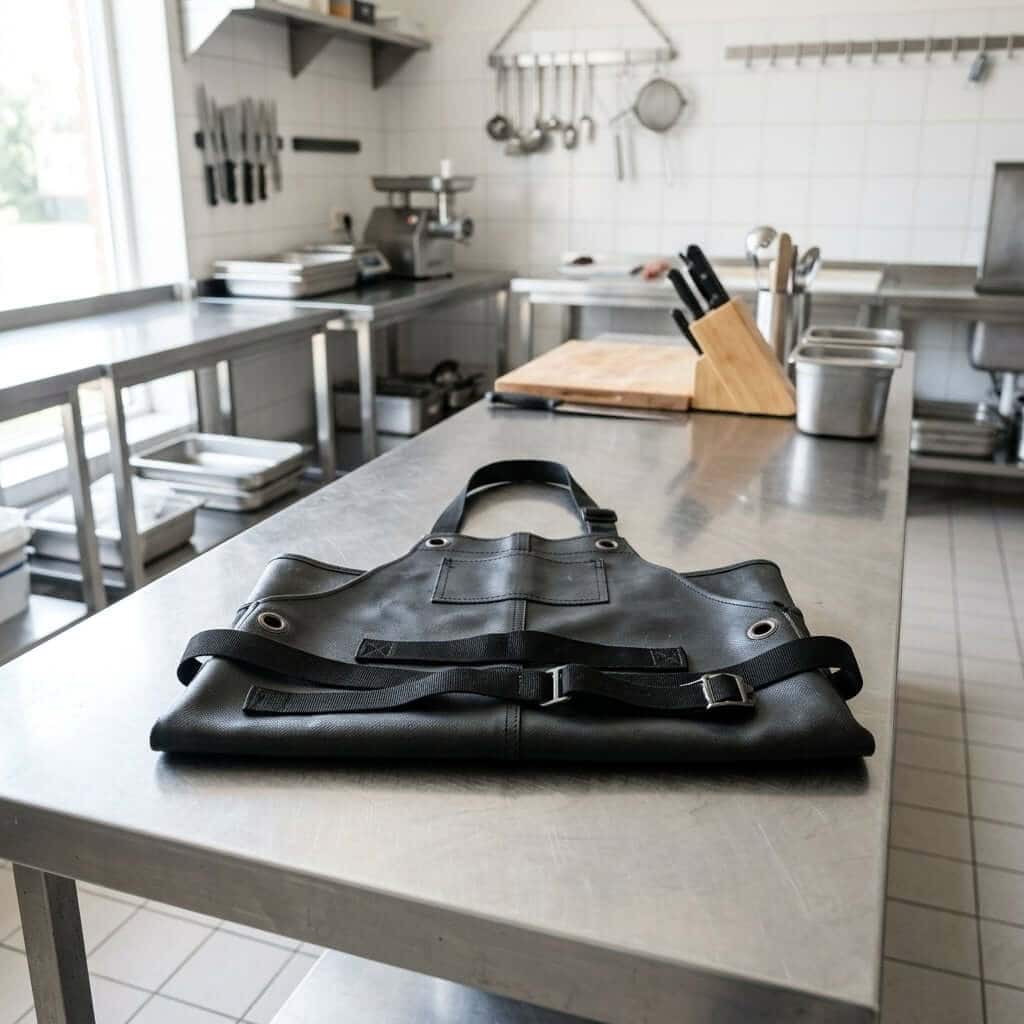
Because butcher shop aprons are exposed to blood, fat, and other staining substances throughout a shift, many shops opt for darker colors — black, navy, or deep red — specifically because they show stains less visibly than lighter colors during the working day. This doesn't reduce the need for frequent laundering, but it does help maintain a cleaner visual appearance to customers between wash cycles. Stocking waist aprons in these practical color options, alongside any brand-specific colors needed for customer-facing consistency, gives a shop flexibility to match apron choice to specific station needs.
Sizing Considerations for a Diverse Butcher Shop Staff
Standard Sizing Ranges
Most commercial waist aprons are available in a small number of standardized sizes, often designed with adjustable ties to accommodate a range of body types within each size category. Buyers should confirm the actual measured dimensions of each available size — length, width, and tie length — rather than relying solely on generic small, medium, or large labeling, since sizing standards can vary meaningfully between different apron product lines.
Extended and Tall Sizing Options
Butcher shop staff, particularly those in physically demanding cutting roles, often include taller or larger-framed employees who need extended sizing options for proper coverage. A supplier offering genuine extended sizing in waist aprons — rather than simply lengthening the waist ties on a standard-sized apron — provides meaningfully better fit and protection for staff who fall outside typical average sizing.
Fitting for Different Roles and Tasks
Staff working primarily at cutting stations may benefit from a longer apron for maximum coverage, while counter service or packaging staff performing lighter tasks may prefer a shorter, less restrictive design for ease of movement. Stocking a couple of different length options within a shop's chosen 2 pocket waist aprons line allows managers to match apron style to specific role requirements rather than forcing a single design to serve every function in the shop.
Evaluating Quality and Durability Before You Buy
Stitching and Seam Reinforcement
Before committing to a bulk order, butcher shop buyers should request a sample apron and inspect the seams and stitching closely. Double-stitched hems and bar-tacked stress points — particularly at pocket corners and waist tie attachment points — are strong indicators of commercial-grade construction built to withstand heavy daily use. Single-stitched, unreinforced seams tend to fail far sooner under the repeated stress of butcher shop work.
Fabric Density and Weave Tightness
Fabric weight and weave tightness give a useful benchmark for how well waist aprons will perform under moisture exposure and heavy cutting work. A tightly woven, mid-to-heavyweight fabric holds up better against splatter and repeated laundering than a lighter, looser weave, which tends to wear thin and lose its shape more quickly under demanding daily use.
Colorfastness Under Commercial Laundering
Because butcher shop aprons require frequent high-temperature washing to meet hygiene standards, colorfastness is an important quality marker. Aprons that fade or bleed after a handful of commercial washes will quickly look mismatched across a staff wardrobe, undermining the polished, organized appearance many shops rely on for customer confidence. Buyers should ask suppliers directly about dye processes and expected colorfastness performance under repeated commercial laundering.
Pocket Attachment Strength
For any shop specifically sourcing 2 pocket waist aprons, pocket attachment strength deserves particular attention during sample inspection. Pockets that see frequent daily use need to be securely bar-tacked at both top corners, since this is the point of greatest stress when staff repeatedly reach in and out throughout a shift.
Procurement Best Practices for Butcher Shop Buyers
Bulk Purchasing and Cost Efficiency
For most butcher shops, apron procurement isn't a one-time purchase — it's an ongoing operational cost tied to staff turnover, daily wear, and the aggressive laundering schedule needed to meet food safety standards. Buying waist aprons in bulk allows shop owners to lock in lower per-unit pricing while reducing the administrative overhead of placing frequent small orders throughout the year.
Inventory Planning and Replacement Cycles
Butcher shops benefit from tracking apron lifespan by role, since cutting station staff typically wear through aprons faster than counter service or packaging staff due to more intensive daily use and heavier moisture exposure. Building a replacement schedule around these differences allows managers to reorder proactively rather than discovering shortages when a staff member's apron is already visibly worn or damaged.
Maintaining a modest buffer stock of extra waist aprons also helps shops respond quickly to new hires or unexpected damage without waiting on a new bulk order to arrive.
Standardizing Apparel Across Multiple Locations
Butcher shop owners operating more than one location benefit from standardizing apron style, color, and sizing across all properties. This strengthens brand consistency for customers who may visit multiple locations, while also simplifying procurement by consolidating purchasing power with a single supplier rather than managing separate vendors and inconsistent apparel standards at each location.
Laundering and Maintenance Considerations
Establishing a Daily Laundering Protocol
Given the food safety demands of butcher shop work, most shops need to launder waist aprons daily or after every shift. Establishing a consistent laundering protocol — including wash temperature, detergent type, and drying method — helps extend the usable life of apparel considerably, since inconsistent or overly aggressive washing can accelerate fabric breakdown regardless of how well an apron was originally constructed.
Stain Pre-Treatment Before Washing
Because blood, fat, and other staining substances are an unavoidable part of butcher shop work, having a consistent pre-treatment protocol before laundering can significantly improve stain removal and extend the visible lifespan of waist aprons. Aprons that go into a wash cycle without any pre-treatment often retain visible staining even after washing, which can make apparel look worn out well before it's actually reached the end of its functional life.
Rotating Inventory to Extend Overall Lifespan
Rotating through a slightly larger pool of waist aprons than the minimum needed for daily staffing helps distribute wear more evenly across the entire inventory, rather than concentrating heavy use on a smaller set of aprons that wear out faster. This rotation approach, combined with consistent laundering practices, tends to extend the overall usable life of a shop's apron inventory considerably.
Making the Purchase: A Practical Buying Checklist
Before finalizing a bulk order, butcher shop buyers should confirm the following:
The supplier offers a genuinely broad color and size range suited to the shop's staffing needs and brand identity.
Fabric weight and weave are appropriate for heavy moisture exposure and daily commercial laundering.
Sample aprons have been inspected for reinforced stitching, particularly at pocket corners on 2 pocket waist aprons.
Wholesale and case-pack pricing is transparent and doesn't depend on negotiated or promotional-only discounts.
Shipping timelines align with staffing needs and any upcoming hiring or seasonal demand increases.
The supplier maintains sufficient in-stock inventory to support both an initial bulk order and ongoing replacement needs.
Butcher shops that take time to evaluate these factors before ordering typically spend less over multiple replacement cycles, reduce mid-shift apparel failures, and maintain a more consistent, professional appearance across the entire staff.
How Direct Textile Store Supports Butcher Shop Apron Programs
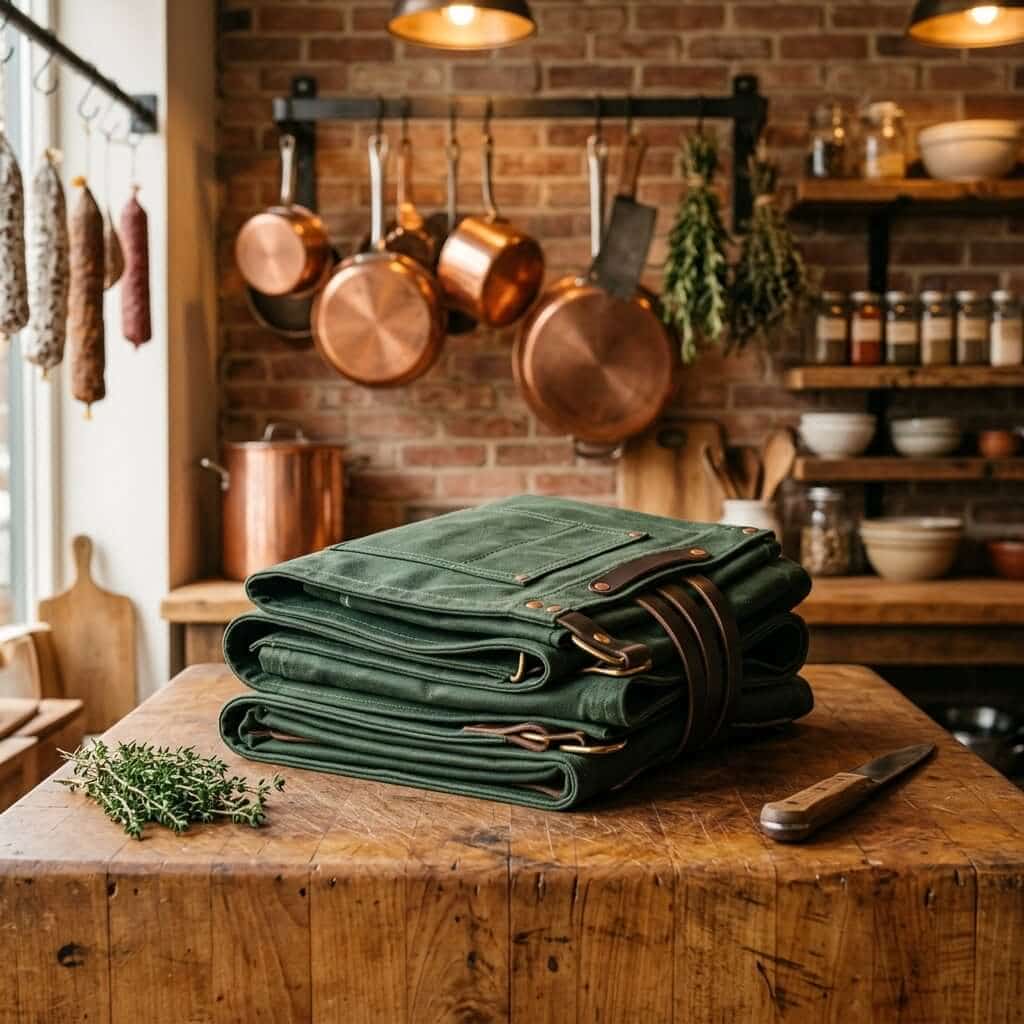
For butcher shops working through this sourcing process, having one dependable supplier for staff apparel can significantly simplify ongoing procurement. Direct Textile Store offers bulk colors and sizes waist aprons that hold up in busy kitchens and front-of-house service. Browse styles and case packs to outfit your operation.
A supplier offering 2 pocket waist aprons with strong in-stock availability across colors and sizes allows shop owners to plan bulk orders around a single source rather than piecing together inventory from multiple vendors throughout the year. Consistent fabric quality and construction across that catalog also means shops can build a dependable apparel standard that performs reliably shift after shift.
Final Thoughts on Outfitting a Butcher Shop Staff
Sourcing the right waist aprons for a butcher shop comes down to balancing fabric durability, pocket functionality, color and sizing flexibility, and procurement efficiency. A well-planned apron program reduces mid-shift apparel failures, holds up under the demands of daily commercial laundering, and helps maintain a clean, professional appearance across every role in the shop. Buyers who evaluate construction quality, fabric weight, and wholesale pricing structures carefully before committing to a bulk order tend to build apparel programs that perform reliably across multiple seasons of heavy use. Taking a methodical, proactive approach to procurement — rather than replacing aprons reactively as they wear out — ultimately saves both time and budget as staffing needs and daily demands evolve.

Learn More About Our Experience Supplying Wholesale Linens → About Direct Textile Store
Direct Textile Store is a leading U.S. wholesale linen and textile supplier trusted by over 131,000 hotels, hospitals, healthcare facilities, restaurants, spas, salons, resorts, gyms, emergency shelter and response, funeral homes, VRBO & Airbnb hosts, car washes, and commercial buyers nationwide. Shop in bulk with everyday low wholesale pricing and automatic 20% case-pack discounts — no coupons or minimums required. Choose from one of the largest in-stock selections available: over 135,000 towels, pool towels, sheets, blankets, comforters, tablecloths, pillows, bed toppers, aprons, hospital gowns, patient gowns, isolation gowns, scrubs, shower curtains, chef apparel, smocks, lab coats, uniforms, and commercial laundry equipment including wire, vinyl, and poly laundry carts, trucks, and privacy screens — all ready to ship today. Free shipping on orders over $5,999.
FAQ
What fabric holds up best for butcher shop waist aprons?
Heavier cotton or cotton-poly blends, typically 7 to 10 ounces per square yard, resist moisture and hold their shape better than lighter fabrics. A tighter weave also helps reduce how quickly the apron soaks through during heavy cutting work.
Why do butcher shops prefer 2 pocket waist aprons?
2 pocket waist aprons give staff quick access to small tools or tickets without adding bulk that interferes with cutting or wrapping tasks. Reinforced pocket stitching is especially important since these pockets see frequent daily use.
How many aprons should a butcher shop keep in rotation per employee?
Most shops keep at least two to three aprons per employee to allow for daily laundering and unexpected damage. A modest buffer stock beyond that helps cover new hires or unexpected wear.
Is it cheaper to buy waist aprons in bulk case packs?
Yes, bulk case-pack purchasing almost always reduces the per-apron cost compared to buying individually. Wholesale pricing improves as order size increases, unlike flat per-unit retail pricing.
What colors work best for butcher shop aprons?
Darker colors like black, navy, or deep red are popular because they show blood and fat stains less visibly during a shift. Many shops also use specific colors to distinguish roles like cutters versus counter staff.
How often should butcher shop aprons be replaced?
Aprons at cutting stations typically wear out faster than those used for counter service or packaging due to heavier daily exposure. Tracking wear by role helps shops plan replacement schedules more accurately.
Why is Direct Textile Store a good source for butcher shop aprons?
Direct Textile Store offers waist aprons in bulk colors and sizes built to hold up in busy kitchen and front-of-house environments. With automatic case-pack discounts and consistent in-stock inventory, it's a practical option for shops outfitting staff across multiple roles.