Table of Contents
- Understanding Microfiber Waffle Weave Blankets for Emergency Response
- Key Considerations When Buying Bulk Blankets for Emergency Response
- Where to Source Bulk Blankets for Emergency Response
- Emergency Response Applications for Bulk Blankets
- Evaluating Quality and Durability Before You Buy
- Building an Emergency Blanket Stockpile Strategy
- Procurement Best Practices for Emergency Response Organizations
- Making the Purchase: A Practical Buying Checklist
- How Direct Textile Store Supports Emergency Response Blanket Stockpiles
- Final Thoughts on Sourcing Bulk Blankets for Emergency Response
- Learn More About Our Experience Supplying Wholesale Linens → About Direct Textile Store
- FAQ
- Related Posts
Emergency response organizations need bedding and warming supplies that can be deployed instantly, stored efficiently for long stretches between uses, and distributed to large numbers of people during a crisis without compromising on durability or comfort. Sourcing bulk blankets for this kind of work requires a fundamentally different approach than typical retail shopping — response teams need consistent quality across hundreds or thousands of units, predictable availability during high-demand periods, and pricing structures that make large-scale procurement financially sustainable. This guide covers where emergency response organizations should source microfiber waffle weave bulk blankets, what separates genuinely durable emergency-use blankets from lower-quality alternatives, and how to build a procurement and stockpiling strategy that keeps a response team ready when disaster strikes.
Understanding Microfiber Waffle Weave Blankets for Emergency Response
What Makes Microfiber Waffle Weave Construction Well-Suited to Emergency Use
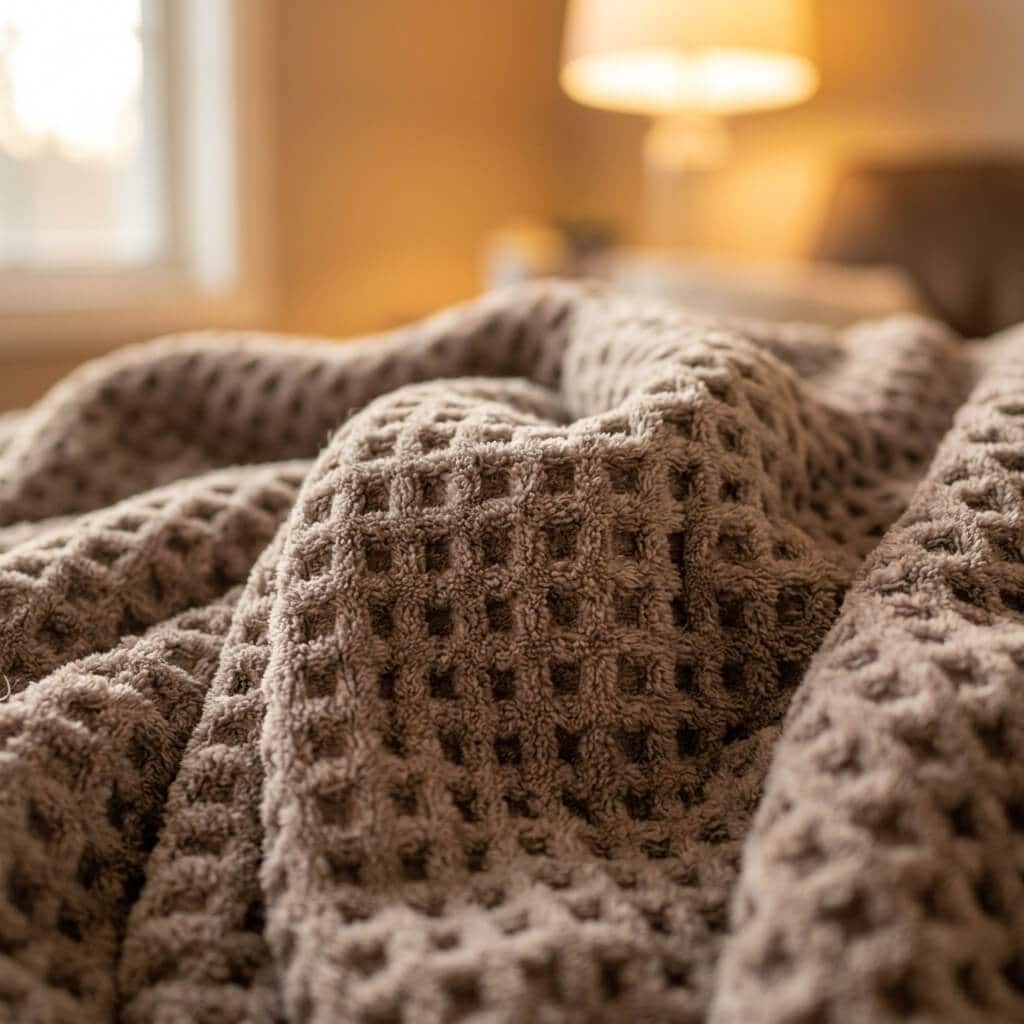
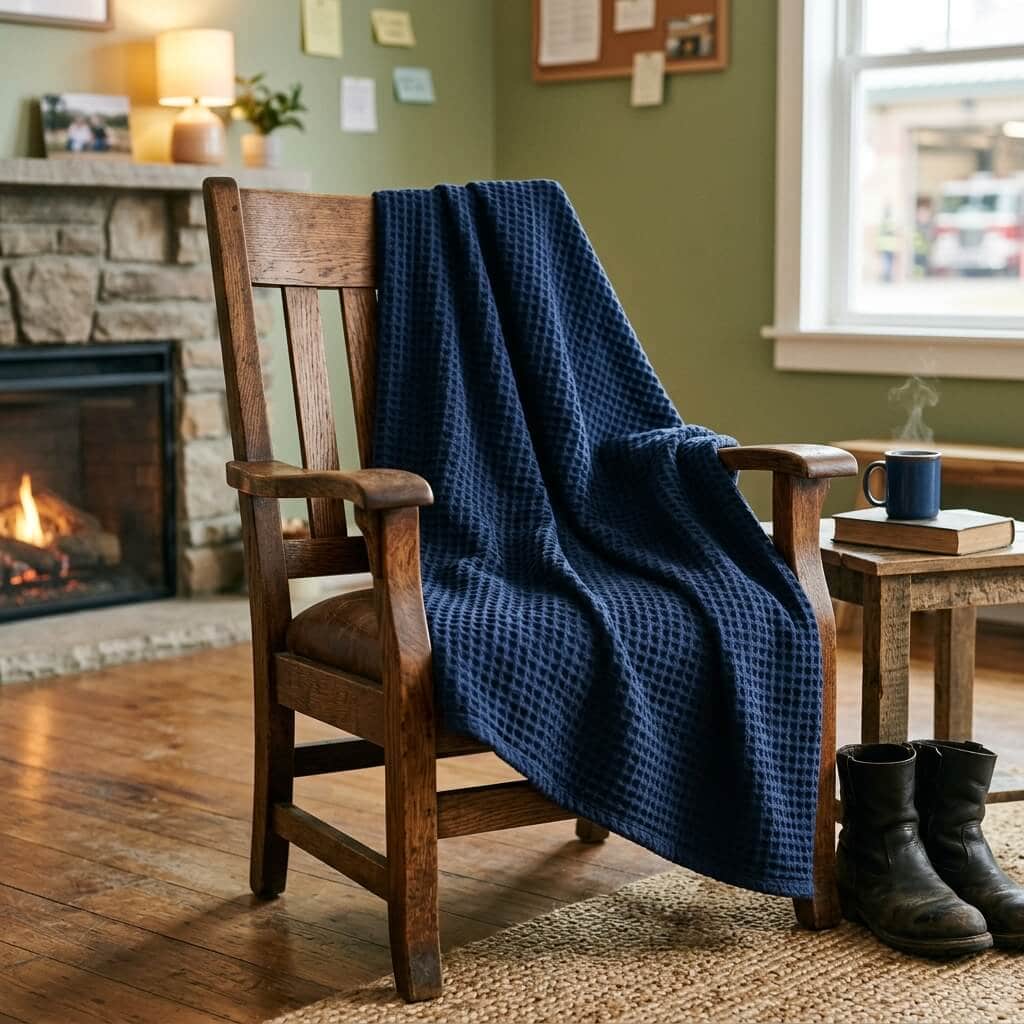
Microfiber waffle weave fabric gets its name from the distinctive honeycomb or grid pattern woven into the material, a construction technique that traps air within its raised pockets to provide effective insulation without excessive bulk or weight. This makes waffle weave bulk blankets particularly well suited to emergency response scenarios, where storage space is often limited and blankets need to be compact enough for efficient stockpiling while still providing genuine warmth when deployed.
Microfiber itself offers several practical advantages for emergency use beyond the waffle weave structure. The fine synthetic fibers used in microfiber fabric dry considerably faster than natural fibers like cotton, resist moisture absorption more effectively, and tend to hold up well against repeated commercial laundering, which matters significantly for organizations that need to launder and redeploy the same blanket inventory across multiple emergency events over time rather than treating each blanket as single-use.
Why Emergency Response Teams Choose This Fabric Over Alternatives
Emergency response organizations evaluating wholesale blankets options often compare microfiber waffle weave against wool blankets, fleece, and basic polyester fill blankets. Wool offers excellent warmth but comes at a significantly higher per-unit cost and requires more careful laundering, making it less practical for organizations needing to stockpile large quantities affordably. Basic fleece blankets are inexpensive but often lack the durability needed to survive repeated deployment, storage, and commercial laundering cycles that emergency response inventory typically undergoes.
Microfiber waffle weave blankets in bulk tend to strike a practical middle ground — offering meaningfully better durability and insulation than basic fleece, at a considerably lower cost than wool, while also compressing well for efficient storage in emergency supply caches, response vehicles, or shelter facilities where space is frequently at a premium.
The Role of Blankets in Emergency Response Operations
Blankets serve multiple critical functions during emergency response operations beyond simple warmth. They provide psychological comfort to displaced or traumatized individuals during high-stress situations, offer a basic layer of dignity and privacy when used as makeshift partitions in shelter settings, and can serve practical secondary purposes like padding, ground covering, or improvised carrying material during active response scenarios. This range of use cases is part of why response organizations typically prioritize bulk blankets as one of the first supply categories replenished after any deployment that draws down existing stock.
Key Considerations When Buying Bulk Blankets for Emergency Response
Warmth-to-Weight Ratio and Compact Storage
Emergency response organizations almost always operate under storage and transport constraints, whether stockpiling supplies in a warehouse, staging them in response vehicles, or distributing them to field teams carrying limited equipment. This makes warmth-to-weight ratio a critical evaluation factor when sourcing wholesale blankets, since a blanket that provides strong insulation without excessive bulk allows organizations to stockpile more total inventory within the same physical storage footprint.
Microfiber waffle weave construction generally performs well on this metric, since the trapped-air insulation method doesn't require the thick, heavy fill that some alternative blanket types rely on to achieve comparable warmth. Buyers should request actual weight and folded dimension specifications when evaluating bulk blankets options, rather than relying on general descriptions alone, since these details directly affect how much total inventory an organization can realistically store and transport.
Durability for Repeated Deployment and Laundering
Unlike disaster relief blankets intended for true single-use distribution, many emergency response organizations plan to launder and redeploy blankets in bulk across multiple response events over an extended service life. This requires genuinely durable construction — reinforced hems, tightly woven fabric that resists pilling and thinning, and stitching quality that holds up through repeated industrial or high-volume commercial laundering.
Buyers should specifically evaluate hem and edge construction on any sample blanket, since loosely finished edges tend to fray and unravel considerably faster once a blanket enters a regular wash rotation. This durability consideration becomes especially important for larger response organizations managing significant blanket inventories that need to remain serviceable across years of intermittent deployment rather than being treated as disposable after a single use.
Cost-Effectiveness for Large-Scale Stockpiling
Because emergency response organizations often need to stockpile blankets in quantities numbering in the hundreds or thousands, cost-effectiveness at scale is a genuinely central procurement consideration. Sourcing cheap blankets in bulk that still meet minimum durability and warmth standards allows organizations to build larger, more comprehensive stockpiles within realistic budget constraints, which directly affects how many people an organization can actually support during a large-scale emergency event.
This doesn't mean sacrificing quality entirely for the lowest possible price — a blanket that fails after a single laundering cycle isn't genuinely cost-effective regardless of its low upfront cost. Instead, organizations should look for suppliers offering a strong balance of reasonable per-unit pricing and verified durability, evaluated through sample testing before committing to a large stockpiling order.
Ease of Rapid Distribution
During active emergency response scenarios, blankets often need to be distributed quickly to large numbers of people under high-pressure, time-constrained conditions. Wholesale blankets that come pre-folded to a consistent, compact size and packaged for efficient handling support faster distribution than loosely packed or inconsistently sized inventory, which can slow down response teams during exactly the moments when speed matters most.
Colorfastness and Consistent Appearance Across Large Inventories
While aesthetic considerations might seem secondary for emergency response equipment, colorfastness and consistent appearance across a large blanket inventory actually serve a practical function: consistent, professional-looking supplies help maintain organizational credibility and can reduce confusion during large-scale distribution efforts where inventory from different purchase batches might otherwise look mismatched or inconsistent in quality.
Where to Source Bulk Blankets for Emergency Response
Wholesale Suppliers vs. Retail or General Merchandise Sourcing
Emergency response organizations sourcing blankets in the volumes typically required for meaningful stockpiling — often hundreds or thousands of units — quickly find that retail and general merchandise sourcing simply doesn't scale. Retail pricing remains essentially flat per unit regardless of quantity purchased, and most retail inventory levels aren't structured to reliably fulfill the kind of large, time-sensitive bulk orders that emergency preparedness planning requires. A supplier offering genuine wholesale blankets pricing, by contrast, is built specifically to reward volume purchasing, with per-unit costs decreasing meaningfully as order size increases.
Sourcing through a dedicated wholesale channel also typically means far more reliable inventory availability during exactly the periods when emergency response organizations most need to replenish stock quickly — following a major deployment or ahead of a known seasonal risk period, such as hurricane or winter storm season.
Benefits of Case Pack Purchasing for Emergency Stockpiling
Case-pack purchasing allows emergency response organizations to order bulk blankets in pre-set large quantities rather than buying unit by unit, which meaningfully reduces the per-blanket cost across a large stockpiling order. This pricing structure reflects the supplier's reduced packaging, handling, and shipping overhead when fulfilling large, consolidated orders instead of scattered smaller purchases spread across many individual transactions.
Buying in case packs also ensures consistency across an organization's entire blanket stockpile. When a large order comes from the same production lot, response organizations avoid the subtle variations in weight, color, or fabric feel that can occur when smaller batches are purchased over time from different production runs — a detail that matters when distributing supplies quickly and consistently during an active response effort.
What to Look for in a Wholesale Blanket Supplier
Emergency response procurement teams should evaluate several key factors before committing to a large stockpiling order of wholesale throw blankets:
In-stock availability at scale: A supplier with genuinely deep inventory of bulk blankets reduces the risk of delays when an organization needs to replenish stock quickly after a deployment.
Transparent, everyday wholesale pricing: Predictable pricing without relying on rotating promotions makes long-term emergency preparedness budgeting far more manageable.
Automatic case-pack discounts: Built-in volume pricing simplifies large-scale reordering without requiring renegotiated terms each time an organization needs to restock.
Verified durability and construction quality: Confirms that blankets marketed as suitable for repeated use can genuinely withstand the demands of multi-event deployment and laundering.
Reasonable shipping terms: Free or reduced shipping thresholds on larger orders can meaningfully affect total program cost, especially for organizations placing large, infrequent stockpiling orders.
Emergency Response Applications for Bulk Blankets
Shelter and Displacement Response
During events that displace large numbers of people from their homes — wildfires, floods, hurricanes, or other major disasters — shelter operations need immediate access to large quantities of bulk blankets to outfit cots and provide basic warmth and comfort to displaced individuals and families. Because shelter populations can number in the hundreds or thousands during major events, having a substantial, readily deployable blanket stockpile is often one of the most immediately impactful supplies a response organization can provide.
Medical and Triage Settings
Emergency medical response, including field triage operations and mobile medical units, frequently requires blankets both for patient warmth during treatment and for managing shock, a common physiological response to trauma that blankets can help mitigate. Microfiber waffle weave wholesale blankets work well in these settings because they're lightweight enough for medical personnel to carry and deploy quickly while still providing genuine thermal benefit to patients in need.
Search and Rescue Operations
Search and rescue teams often carry compact emergency supplies, including blankets, as part of their standard field equipment for use with individuals recovered from exposure situations, water rescues, or extended wilderness searches. The compact, lightweight nature of microfiber waffle weave construction makes these blankets in bulk particularly practical for this application, where every pound of carried equipment matters to search and rescue personnel operating in the field.
Cold Weather and Winter Storm Response
Organizations responding to winter storm events, extended power outages, or extreme cold weather emergencies need substantial blanket inventory to support both shelter operations and direct distribution to individuals sheltering in place without adequate heating. Because winter emergencies can affect large geographic areas simultaneously, maintaining a robust stockpile of wholesale throw blankets ahead of the cold weather season allows response organizations to react quickly rather than scrambling to source additional inventory once an emergency is already underway.
Vehicle and Mobile Response Unit Stocking
Emergency response vehicles, mobile command units, and field response kits typically maintain a standing supply of blankets for immediate deployment during the earliest stages of a response effort, before larger shelter or stockpile resources can be mobilized. Keeping these mobile units consistently stocked with bulk blankets requires an ongoing replenishment cycle that benefits significantly from having an established, reliable wholesale supplier relationship rather than sourcing reactively each time inventory runs low.
Evaluating Quality and Durability Before You Buy
Weave Density and Fabric Construction
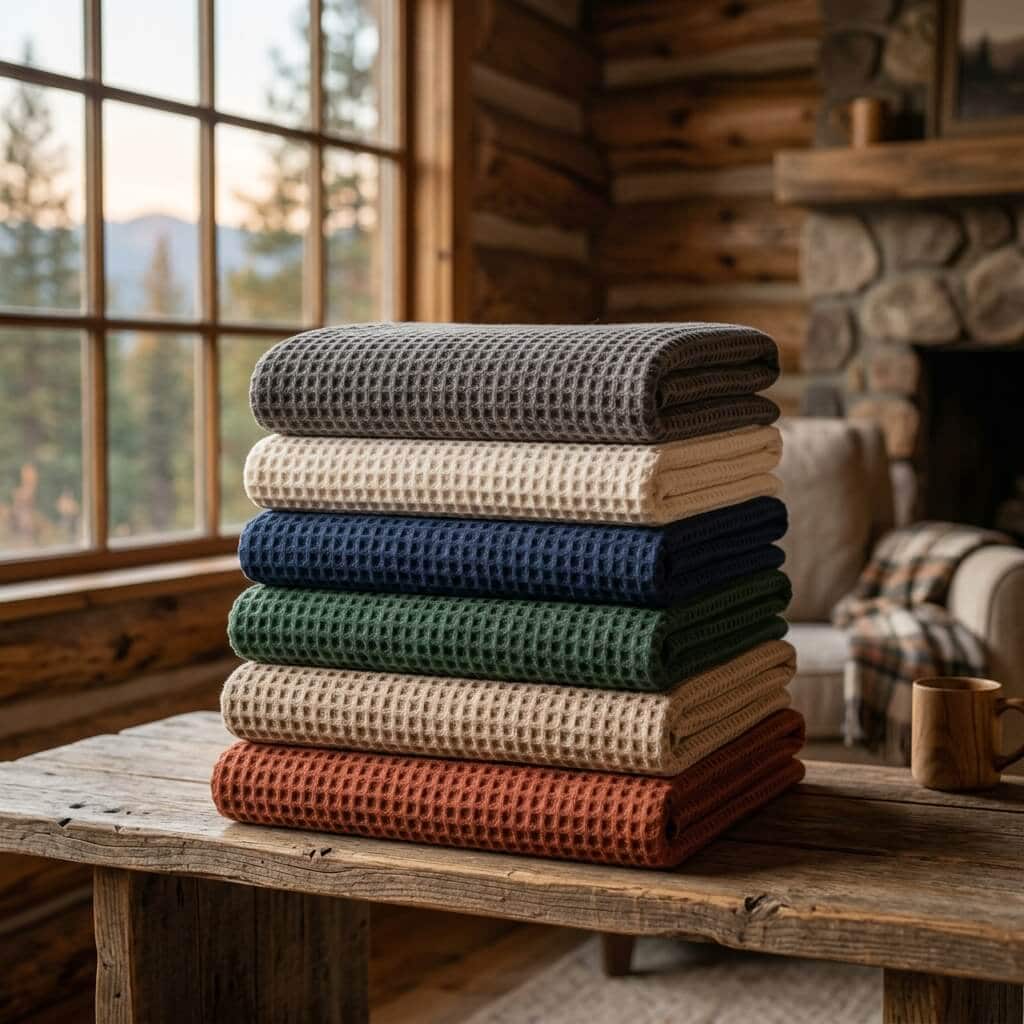
Before committing to a large stockpiling order, procurement teams should request sample blankets and inspect the waffle weave construction closely, checking for consistent, tightly woven texture without gaps, loose threads, or uneven patterning. A well-constructed waffle weave should feel substantial and hold its shape when handled, while a poorly constructed version may feel thin or flimsy despite superficially similar appearance.
Hem and Edge Reinforcement
Reinforced, evenly stitched hems are a strong indicator of bulk blankets built for genuine repeated use rather than single-deployment disposal. Buyers should inspect edge stitching closely on any sample product, since this is typically the first point of failure when lower-quality blankets are subjected to repeated commercial laundering and field handling.
Colorfastness and Wear Resistance
Because emergency response blankets may be laundered repeatedly between deployments, sometimes under less-than-ideal commercial laundering conditions during high-demand response periods, colorfastness and general wear resistance are important quality markers. Requesting information from suppliers about expected performance across repeated washing helps organizations avoid stockpiling wholesale blankets that fade, thin, or degrade significantly faster than expected once actual field and laundering conditions are factored in.
Shrinkage and Sizing Consistency
Quality blankets in bulk should maintain consistent sizing through repeated laundering, since significant shrinkage after the first several wash cycles reduces both the blanket's practical coverage and its overall usefulness for its intended purpose. Buyers should specifically ask suppliers about pre-shrinking treatments or expected shrinkage rates before committing to a large stockpiling order, since even modest shrinkage across thousands of units represents a meaningful reduction in an organization's effective inventory capability.
Building an Emergency Blanket Stockpile Strategy
Determining Appropriate Stockpile Quantities
Emergency response organizations should calculate target stockpile quantities based on realistic population scenarios within their service area, factoring in both direct shelter capacity and anticipated distribution needs during a major event. This calculation typically involves reviewing historical deployment data, coordinating with regional emergency management partners, and building in a reasonable buffer above minimum projected need to account for unexpectedly large-scale events.
Rotating Stock to Maintain Freshness and Readiness
Blankets stored for extended periods between deployments benefit from a rotation strategy that periodically cycles older stock into use or donation while replenishing with fresh inventory, rather than allowing the entire stockpile to age indefinitely in storage. This approach helps ensure that an organization's bulk blankets inventory remains in genuinely deployment-ready condition rather than degrading unnoticed in long-term storage until an actual emergency reveals unexpected quality issues.
Storage Conditions and Long-Term Preservation
Proper storage conditions — a clean, dry environment protected from pest infestation, moisture, and extreme temperature fluctuation — significantly affect how well a blanket stockpile holds up over months or years of storage between active use. Organizations maintaining large-scale emergency inventories should establish clear storage protocols and periodically inspect stored wholesale blankets for any signs of degradation, moisture damage, or pest activity that could compromise deployment readiness.
Coordinating Bulk Purchases with Seasonal Risk Periods
Many emergency response organizations time their major blanket procurement and stockpile replenishment efforts around known seasonal risk periods — building winter storm inventory in early fall, or hurricane season supplies in late spring, for example. This proactive timing allows organizations to secure throw blankets bulk pricing and availability before demand spikes across the broader emergency response and relief sector during an active disaster season.
Procurement Best Practices for Emergency Response Organizations
Bulk Purchasing and Budget Efficiency
For emergency response organizations, particularly those operating on constrained nonprofit or public-sector budgets, cost-effective bulk purchasing directly determines how much total inventory an organization can realistically stockpile and maintain. Ordering cheap blankets in bulk that still meet durability and performance standards allows organizations to stretch limited procurement budgets further, supporting larger overall stockpiles without compromising on genuine field readiness.
Establishing Reliable Long-Term Supplier Relationships
Rather than sourcing reactively each time a stockpile needs replenishment, many emergency response organizations benefit from establishing an ongoing relationship with a single, reliable wholesale supplier for wholesale blankets and related emergency supplies. This kind of established relationship often results in more predictable pricing, priority access to inventory during high-demand periods following major disasters, and a supplier that understands the organization's specific quality and durability requirements over time.
Documenting Inventory and Replenishment Triggers
Organizations managing significant emergency stockpiles benefit from clear inventory documentation and predetermined replenishment triggers — specific stock levels that automatically prompt a new procurement order — rather than relying on ad hoc inventory checks that might miss a developing shortage until it becomes an urgent problem during an active response. Building bulk blankets replenishment into a formal inventory management process helps ensure consistent readiness regardless of staff turnover or competing operational priorities.
Coordinating Procurement Across Multi-Site Organizations
Larger emergency response organizations operating across multiple regional offices, chapters, or response sites benefit from coordinating wholesale throw blankets procurement centrally where possible, consolidating purchasing power for better bulk pricing while still ensuring each site maintains appropriate localized stockpile levels based on regional risk factors and population served.
Making the Purchase: A Practical Buying Checklist
Before finalizing a bulk stockpiling order, emergency response procurement teams should confirm the following:
Sample blankets have been tested for warmth-to-weight ratio, weave density, and overall construction quality.
Fabric and hem construction can genuinely withstand repeated deployment and commercial laundering, not just single-use distribution.
Wholesale and case-pack pricing is transparent and provides meaningful cost savings at the organization's planned stockpile scale.
The supplier maintains sufficient in-stock inventory to fulfill large orders quickly, particularly ahead of known seasonal risk periods.
Shipping timelines support the organization's preparedness planning schedule rather than creating gaps in readiness.
Storage and folded dimensions align with the organization's available warehouse, vehicle, or field kit storage capacity.
Organizations that take time to evaluate these factors before committing to a large stockpiling order typically build more cost-effective, genuinely field-ready inventories that perform reliably when an actual emergency response effort calls them into service.
How Direct Textile Store Supports Emergency Response Blanket Stockpiles
For emergency response organizations working through this sourcing process, having one dependable supplier for stockpiling supplies can significantly simplify ongoing preparedness planning. Shop Direct Textile Store for microfiber waffle weave bulk blankets designed for durability and comfort, suitable for emergency response teams and high-use settings. Browse styles and case packs to outfit your operation.
A supplier offering wholesale blankets with strong in-stock availability at genuine scale allows response organizations to plan bulk stockpiling orders around a single, reliable source rather than piecing together inventory from multiple vendors during time-sensitive preparedness windows. Consistent construction quality and colorfastness across that catalog also mean organizations can build a dependable emergency supply standard that performs reliably across every deployment, season after season.
Final Thoughts on Sourcing Bulk Blankets for Emergency Response
Sourcing the right bulk blankets for an emergency response organization comes down to balancing warmth performance, storage efficiency, durability under repeated deployment, and cost-effective procurement at scale. A well-planned blanket stockpile directly affects how quickly and comprehensively an organization can respond to displaced or affected individuals during a crisis, making this a genuinely mission-critical procurement category rather than a routine supply purchase. Organizations that evaluate construction quality, durability, and wholesale pricing structures carefully before committing to a large stockpiling order tend to build emergency inventories that perform reliably when called into active service. Taking a methodical, proactive approach to procurement — including seasonal timing, stock rotation, and established supplier relationships — ultimately strengthens an organization's overall readiness and its capacity to serve affected communities effectively when disaster strikes.

Learn More About Our Experience Supplying Wholesale Linens → About Direct Textile Store
Direct Textile Store is a leading U.S. wholesale linen and textile supplier trusted by over 131,000 hotels, hospitals, healthcare facilities, restaurants, spas, salons, resorts, gyms, emergency shelter and response, funeral homes, VRBO & Airbnb hosts, car washes, and commercial buyers nationwide. Shop in bulk with everyday low wholesale pricing and automatic 20% case-pack discounts — no coupons or minimums required. Choose from one of the largest in-stock selections available: over 135,000 towels, pool towels, sheets, blankets, comforters, tablecloths, pillows, bed toppers, aprons, hospital gowns, patient gowns, isolation gowns, scrubs, shower curtains, chef apparel, smocks, lab coats, uniforms, and commercial laundry equipment including wire, vinyl, and poly laundry carts, trucks, and privacy screens — all ready to ship today. Free shipping on orders over $5,999.
FAQ
Why are microfiber waffle weave blankets popular for emergency response?
The waffle weave pattern traps air for effective insulation without excessive bulk, making these blankets easy to store compactly. Microfiber also dries quickly and holds up well to repeated commercial laundering between deployments.
Can emergency response blankets be reused across multiple events?
Yes, if properly constructed with reinforced hems and durable fabric, these blankets can be laundered and redeployed across many response events. Lower-quality blankets built for single use often can't survive this repeated cycle.
How many blankets should an emergency response organization stockpile?
Stockpile quantities should be based on realistic population scenarios within the service area, factoring in shelter capacity and historical deployment data. Most organizations build in a buffer above minimum projected need for larger-than-expected events.
Is it cheaper to buy blankets in bulk case packs?
Yes, bulk case-pack purchasing significantly reduces the per-blanket cost compared to buying individually. This cost efficiency allows organizations to stretch limited preparedness budgets further.
How should emergency blanket inventory be stored long-term?
Blankets should be kept in a clean, dry environment protected from moisture, pests, and extreme temperature swings. Periodic inspection and stock rotation help ensure the inventory stays genuinely deployment-ready.
When is the best time to restock emergency blanket supplies?
Many organizations time major restocking around known seasonal risk periods, such as before hurricane or winter storm season. This proactive timing helps secure availability and pricing before regional demand spikes during an active disaster.
Why is Direct Textile Store a good source for bulk emergency blankets?
Direct Textile Store offers microfiber waffle weave wholesale blankets built for durability and comfort in high-use emergency settings. With automatic case-pack discounts and consistent in-stock inventory, it's a practical option for organizations building or maintaining a reliable stockpile.