Table of Contents
- Why Nursing Homes Need Dedicated Pillows
- Understanding Hospital Pillow Features
- Types of Pillows a Nursing Home May Need
- Where Nursing Homes Should Buy Hospital Pillows in Bulk
- Planning Quantities by Unit
- Unit-Specific Considerations
- Evaluating Samples Before Ordering
- Pillow Protectors, Covers, and Pillowcases
- Laundering and Maintenance
- Procurement Best Practices
- Cost, Value, and Total Ownership
- Common Mistakes to Avoid
- Making the Purchase: A Practical Buying Checklist
- How Direct Textile Store Supports Nursing Home Pillow Programs
- Final Thoughts on Buying Hospital Pillows for a Nursing Home
- Learn More About Our Experience Supplying Wholesale Linens → About Direct Textile Store
- FAQ
- Related Topics
Nursing homes use hospital pillows differently than hotels or homes do. Residents may spend most of the day in bed or a recliner, staff reposition pillows many times per shift, and every pillow has to survive disinfecting, laundering, and constant handling. Choosing a store comes down to whether it understands those demands and can supply consistent inventory in case-pack quantities. This guide explains what to look for in medical grade pillows, how to plan quantities by unit, what to check before ordering, and how to build a purchasing routine that keeps every room supplied.
Why Nursing Homes Need Dedicated Pillows
Long Hours in Bed Change the Requirements
A guest might use a hotel pillow for eight hours. A long-term care resident may rest on a pillow for most of a day, every day. Support, pressure distribution, and cleanliness matter more when a pillow is in near-constant contact. Hospital bed pillows designed for institutional use are built with these demands in mind.
Staff Handle Pillows Constantly
Pillows are repositioned for comfort, feeding, breathing, and pressure relief. They are pulled, flipped, and replaced during care routines. Durable shells and seams hold up better to this constant handling than consumer products.
Hygiene Is Part of Care Quality
Moisture, skin contact, and incidental soiling are daily realities. Pillows that can be cleaned, protected, and replaced efficiently support infection prevention efforts and give families and inspectors confidence in a facility's standards.
Understanding Hospital Pillow Features
Protective Casings
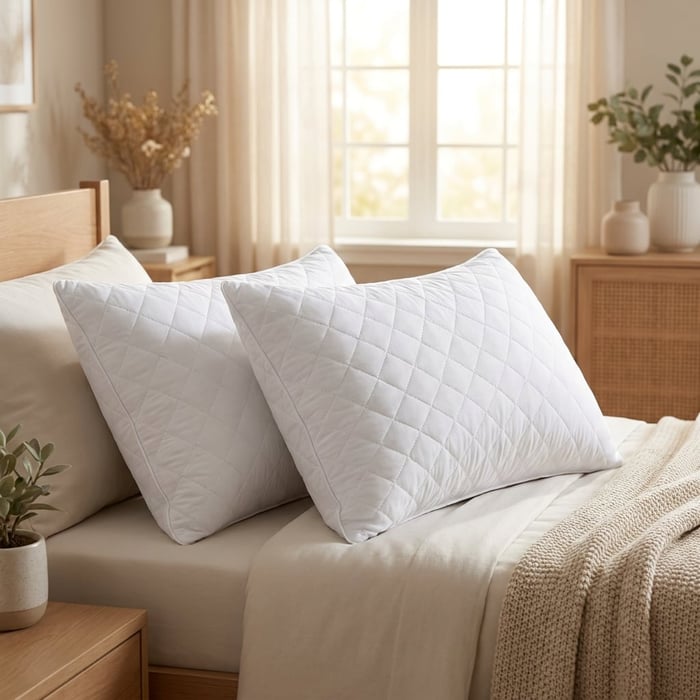
Many institutional pillows include a fluid-resistant inner barrier or pair with a protective cover. This helps guard the fill against moisture and extends service life. If your facility relies on pillow protectors, confirm that sizes and closures are compatible with the pillows you buy.
Fill Type and Support
Polyester fiberfill is common because it resists clumping, tolerates frequent washing, and avoids the allergy concerns associated with natural fills. Firmness varies by product, so match support level to resident needs and care plans.
Shell Fabric
A tightly woven shell keeps fill contained and resists wear. Check for a smooth, even texture and consistent stitching, particularly along seams and corners.
Fire-Retardant and Hygiene Documentation
Healthcare facilities are typically subject to fire safety requirements for bedding. Request documentation for the specific product line you intend to buy and keep it with purchasing records.
Washability
Confirm the pillow's laundering instructions and ensure they align with your laundry temperatures and drying methods. A product that can't tolerate your standard process creates operational headaches.
Types of Pillows a Nursing Home May Need
Standard Sleeping Pillows
These make up most of the inventory. They should offer consistent support and be easy to launder.
Firm or Extra-Firm Pillows
Residents who need elevated positioning or additional support often benefit from firmer pillows. Having these on hand avoids improvising with multiple soft pillows stacked together.
Positioning Pillows
Some care plans call for pillows used to support limbs or offload pressure points. Keep these separate from standard bed pillows so staff can find them quickly.
Recliner and Wheelchair Pillows
Common areas and chairs benefit from properly sized pillows that are easy to clean and quick to swap.
Guest and Family Room Pillows
Overnight family accommodations can use the same durable products, simplifying purchasing.
Where Nursing Homes Should Buy Hospital Pillows in Bulk
Specialty Healthcare Textile Suppliers
Retail stores and local pharmacies rarely carry the quantities needed for a full facility. Institutional textile suppliers specialize in volume orders and consistent product lines, which supports long-term purchasing. Working with established hospital pillows suppliers helps ensure you can reorder the same specification later.
Case-Pack Pricing
Buying in case packs reduces unit cost and standardizes quantities for easier counting. Because every pillow in a case comes from the same production lot, firmness and appearance remain consistent across units.
Questions to Ask a Supplier
Before placing a large order, ask:
- What shell and fill are used, and how do they perform in repeated washing?
- Are fire-retardant and hygiene documents available for this product?
- What sizes and firmness levels are in stock?
- How are case packs structured, and what are the shipping terms?
- Can the same product be reordered in six months or a year?
Planning Quantities by Unit
Start With Beds and Positions
Count licensed beds, then add chairs, recliners, and common-area seating. Don't forget therapy rooms, guest rooms, and any areas where pillows are used.
Multiply by Laundry and Replacement Cycles
A pillow that is laundered weekly needs a spare, or the bed would be empty on wash day. Many facilities plan at least two to three pillows per bed to allow rotation. For an 80-bed facility, that means 160 to 240 pillows in active inventory before adding reserves.
Add a Reserve
Maintain a buffer for admissions, soiled replacements, and damage. A reserve of ten to twenty percent is a common starting point, adjusted based on actual usage.
Separate Specialty Inventory
Track firm, extra-firm, and positioning pillows separately. They are used differently and often have different replacement rates.
Unit-Specific Considerations
Long-Term Care Units
These units usually have stable residents and predictable routines. Standard pillows with occasional firm options generally cover most needs.
Memory Care
Residents may be sensitive to texture or appearance. Choose pillows with a soft, familiar feel and consistent look. Durability remains important because laundering and handling are frequent.
Skilled Nursing and Rehabilitation
Higher turnover, changing care needs, and frequent repositioning increase demand for firm and positioning pillows. Plan a larger reserve in these units.
Isolation or Precaution Rooms
Some rooms may require pillows to be discarded or laundered immediately after discharge. Plan additional stock so rooms are not delayed.
Common Areas
Recliners, activity rooms, and therapy spaces still need clean, comfortable pillows. Include them in your par levels.
Evaluating Samples Before Ordering
Check Seam and Shell Quality
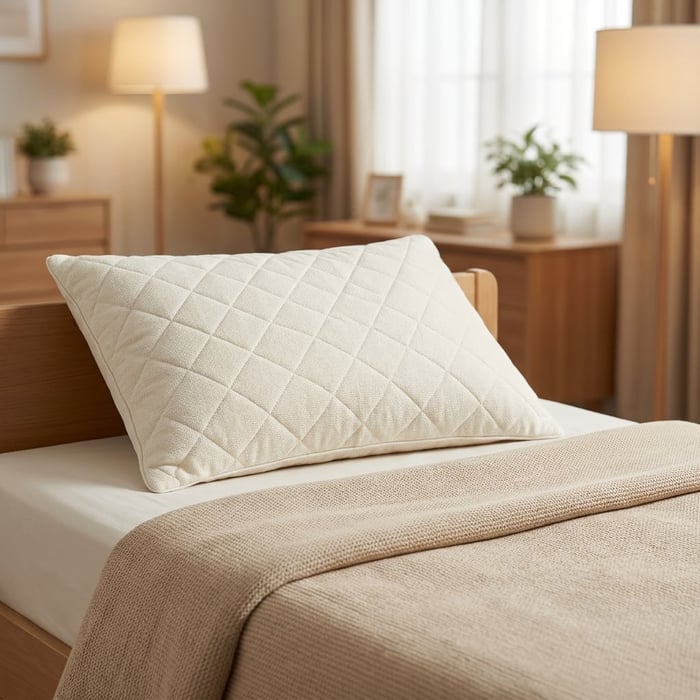
Examine stitching, corners, and fabric. Weak seams or thin shells are early warning signs.
Test Firmness and Recovery
Press and release the pillow, then compare firmness and shape. After a test wash, check whether loft returns.
Review Casing and Cover Compatibility
If you use protectors, make sure they fit properly. A loose or tight fit can affect comfort and wear.
Have Staff Try Them
Nurses and aides use pillows more than anyone. Their feedback on handling, weight, and support is valuable.
Request Documentation
Collect the paperwork you need for compliance and procurement files before finalizing the order.
Pillow Protectors, Covers, and Pillowcases
Why Protectors Help
Protective covers help guard against moisture and make cleaning more efficient. They can extend the working life of the pillow itself.
Coordinate Sizes
Pillow, protector, and pillowcase should work together. Ordering them from the same supplier can simplify sizing and replacement.
Establish Change Routines
Document when pillowcases, protectors, and pillows are changed, including at discharge or soiling. Consistency protects residents and simplifies audits.
Laundering and Maintenance
Follow Care Instructions
Use appropriate temperatures, detergent, and drying methods. Excess heat or overloading machines can shorten pillow life.
Dry Thoroughly
Residual moisture invites odors and mildew. Ensure pillows are fully dry before returning them to service.
Inspect During Rounds
Look for torn seams, lumps, odors, or stains. Remove problem pillows promptly.
Rotate Inventory
Spreading use across more pillows lowers wear on any single unit and extends overall service life.
Procurement Best Practices
Set Par Levels and Reorder Triggers
Define minimum quantities and reorder points so purchasing is routine instead of urgent.
Align Orders With Budget Cycles
Plan larger orders around fiscal timelines to capture case-pack pricing and avoid emergency buying.
Standardize Specifications
Document approved pillow types, sizes, and firmness so each reorder matches. Standardization simplifies staff training and inventory management.
Coordinate Across Multiple Facilities
Organizations with several communities can negotiate better pricing and ensure consistent standards by purchasing centrally.
Maintain Supplier Relationships
A consistent supplier offers predictable pricing and product availability, and understands your standards over time.
Cost, Value, and Total Ownership
Cost Per Month of Use
A pillow that flattens or tears quickly costs more than one that lasts. Compare expected service life, not just purchase price.
Labor and Time Savings
Durable, easy-to-launder pillows reduce staff time spent replacing, re-washing, or troubleshooting.
Reduced Emergency Orders
Good par levels and reserve stock reduce the need for rush shipping and last-minute substitutions.
Common Mistakes to Avoid
Choosing the Cheapest Option Without Testing
Low price can hide thin shells, weak seams, or fill that compresses. Test before committing.
Ignoring Firmness Variety
One firmness level rarely serves every resident. Stock a range.
Underestimating the Rotation Requirement
If you buy only enough pillows to cover beds, laundry day creates shortages. Plan for rotation.
Skipping Documentation
Compliance paperwork is easier to gather at purchase than during an audit.
Making the Purchase: A Practical Buying Checklist
Before finalizing a bulk order, nursing home buyers should confirm the following:
- Fill, shell, and firmness match resident care needs.
- Fire-retardant and hygiene documentation has been requested and retained.
- Samples have been tested for seams, loft recovery, and washability.
- Quantities include rotation, specialty pillows, common areas, and a reserve.
- Case-pack pricing is transparent and shipping terms fit your schedule.
- The supplier can reorder the same product later.
Nursing homes that complete this checklist usually reduce emergency buying, keep standards consistent, and spend less time troubleshooting bedding problems.
How Direct Textile Store Supports Nursing Home Pillow Programs
For nursing homes working through this sourcing process, one dependable supplier can simplify procurement across resident rooms, common areas, and care units. Find them at Direct Textile Store hotel and hospital styles hospital pillows with case-pack pricing for hospitality and healthcare settings. Browse styles and case packs to outfit your operation.
A supplier offering pillows for hospital beds in consistent specifications lets facilities standardize across units, reorder confidently, and avoid piecing together inventory from multiple sources.
Final Thoughts on Buying Hospital Pillows for a Nursing Home
The right store for a nursing home is one that offers durable hospital pillows, consistent availability, clear documentation, and case-pack pricing suited to institutional volume. A pillow for hospital bed use should support comfort and positioning, hold up to frequent laundering, and fit neatly into your infection prevention and housekeeping routines. Facilities that test samples, calculate par levels by unit, and standardize specifications tend to build programs that stay reliable as census and care needs change. Planning proactively, rather than replacing medical pillows only after they fail, protects resident comfort and keeps operations steady.

Learn More About Our Experience Supplying Wholesale Linens → About Direct Textile Store
Direct Textile Store is a leading U.S. wholesale linen and textile supplier trusted by over 131,000 hotels, hospitals, healthcare facilities, restaurants, spas, salons, resorts, gyms, emergency shelter and response, funeral homes, VRBO & Airbnb hosts, car washes, and commercial buyers nationwide. Shop in bulk with everyday low wholesale pricing and automatic 20% case-pack discounts — no coupons or minimums required. Choose from one of the largest in-stock selections available: over 135,000 towels, pool towels, sheets, blankets, comforters, tablecloths, pillows, bed toppers, aprons, hospital gowns, patient gowns, isolation gowns, scrubs, shower curtains, chef apparel, smocks, lab coats, uniforms, and commercial laundry equipment including wire, vinyl, and poly laundry carts, trucks, and privacy screens — all ready to ship today. Free shipping on orders over $5,999.
FAQ
What makes a hospital pillow different from a regular pillow?
Hospital pillows are built for frequent laundering and heavy handling, often with durable shells, consistent fill, and compatibility with protective covers. They're designed for institutional use rather than occasional home use.
How many pillows does a nursing home need per bed?
Many facilities plan two to three per bed to allow for laundry rotation, then add a reserve for admissions and replacements.
Should nursing homes stock different firmness levels?
Yes. Residents have different positioning and comfort needs, so having standard and firmer options on hand is practical.
Do hospital pillows need protectors?
Protectors are commonly used to guard against moisture and extend pillow life, though policies vary by facility.
Is it cheaper to buy hospital pillows in case packs?
Typically, yes. Case-pack pricing lowers unit cost and ensures consistency across pillows from the same production lot.
What should I check before ordering medical grade pillows?
Inspect seams and shell, test firmness and loft recovery, confirm washability, and request fire-retardant and hygiene documentation.
Which store offers hospital pillows in bulk for a nursing home?
Direct Textile Store offers hotel and hospital styles hospital pillows with case-pack pricing for hospitality and healthcare settings. With consistent in-stock inventory, it's a practical option for nursing homes outfitting resident rooms and common areas.