Table of Contents
- Why pediatric gowns are essential in pediatric healthcare environments
- Durability requirements in high-use pediatric units
- Patient mobility and clinical accessibility considerations
- Bulk purchasing advantages for pediatric healthcare facilities
- Emergency admissions and rapid patient intake readiness
- Multi-size inventory management for growing pediatric populations
- Direct Textile Store Solutions for Pediatric Gowns Buyers
- Infection-control support and healthcare sanitation standards
- Storage organization and healthcare inventory management
- Comfort considerations for younger patient populations
- Long-term operational budgeting and replacement planning
- Supporting multi-department pediatric healthcare operations
- Family perception and patient-care presentation standards
- Healthcare laundry coordination and apparel rotation systems
- Operational consistency across pediatric healthcare networks
- Patient-care efficiency and workflow improvement
- Conclusion
- Learn More About Our Experience Supplying Wholesale Linens → About Direct Textile Store
- FAQ
- Related Posts
Healthcare facilities that operate pediatric units require specialized apparel solutions designed to support patient comfort, efficient clinical workflows, and consistent hygiene standards. One of the most important textile products used in these environments is dependable pediatric gowns designed specifically for children receiving treatment, observation, or extended care within hospitals and healthcare facilities.
Unlike standard adult patient apparel, institutional-grade baby gowns must address the unique needs of pediatric care environments, including comfort, mobility, emotional reassurance, and repeated laundering performance. Pediatric healthcare settings often involve high patient turnover, continuous sanitation requirements, and the need for apparel that accommodates a wide range of ages and sizes.
For hospitals, clinics, children’s healthcare centers, and pediatric care units, selecting reliable gown systems directly affects patient comfort, staff efficiency, inventory management, and long-term operational consistency.
Why pediatric gowns are essential in pediatric healthcare environments
Pediatric units operate differently from adult healthcare departments because younger patients require additional comfort, reassurance, and flexibility during treatment. Reliable pediatric gowns help support a calmer and more patient-friendly healthcare environment while also meeting institutional hygiene and operational standards.
Supporting comfort and emotional reassurance for young patients
Children receiving medical treatment may experience anxiety, discomfort, or stress during hospital visits and overnight stays. Comfortable pediatric gowns help create a more supportive environment by allowing patients to feel less restricted and more at ease throughout treatment procedures.
Soft fabrics and child-friendly designs also contribute to a more welcoming atmosphere in pediatric units, helping healthcare providers create positive interactions with young patients and families.
Maintaining comfort is especially important in extended-care situations where children may wear gowns for long periods during recovery, observation, or ongoing treatment programs.
Durability requirements in high-use pediatric units
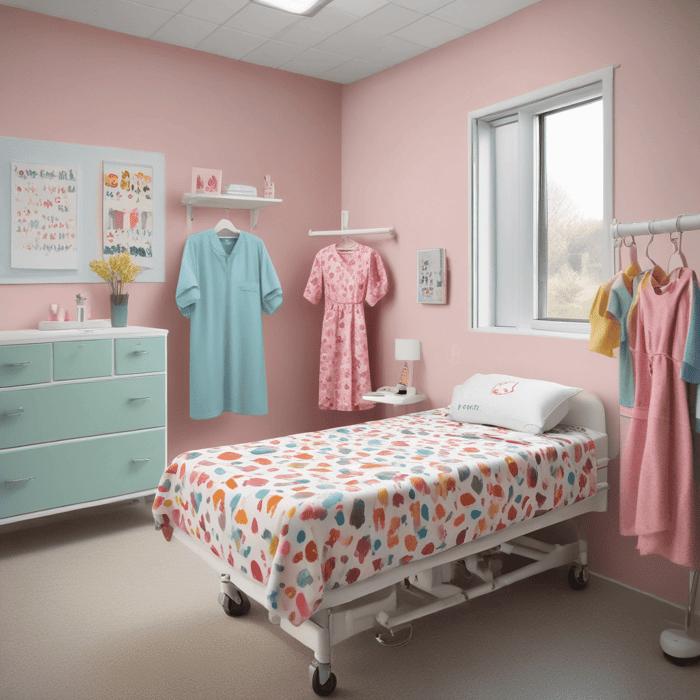
Pediatric healthcare facilities place heavy demands on institutional textiles because apparel must withstand repeated laundering, continuous use, and strict sanitation protocols. Durable pediatric gowns are essential for maintaining operational efficiency and long-term cost control within healthcare systems.
Built for repeated laundering and daily healthcare operations
Healthcare textiles in pediatric units are washed frequently to maintain cleanliness and infection-control standards. Reliable baby gowns must maintain structure, softness, and usability even after repeated industrial laundering cycles.
Strong stitching and durable fabric construction help reduce wear caused by continuous washing, patient movement, and daily operational handling. This durability is especially important for hospitals managing large patient volumes where gowns remain in constant circulation throughout the facility.
Long-lasting apparel systems also help reduce replacement frequency and support more predictable inventory management for healthcare procurement teams.
Patient mobility and clinical accessibility considerations
Healthcare apparel used in pediatric units must support both patient comfort and medical accessibility. Functional pediatric gowns help healthcare professionals perform examinations, treatments, and patient monitoring more efficiently while maintaining patient dignity and comfort.
Supporting smoother treatment and patient-care workflows
Children in healthcare environments may require frequent movement between treatment rooms, imaging departments, observation areas, and recovery units. Dependable pediatric gowns help support these workflows by allowing easier mobility and more efficient clinical access for caregivers and medical staff.
Functional gown systems also simplify routine healthcare tasks such as vital monitoring, examinations, and therapy sessions while helping minimize unnecessary patient discomfort during treatment procedures.
Efficient apparel systems contribute directly to smoother clinical workflows and improved patient management throughout pediatric care operations.
Bulk purchasing advantages for pediatric healthcare facilities
Hospitals and healthcare facilities often require large apparel inventories to support continuous patient intake, emergency readiness, and daily healthcare operations. Purchasing pediatric gowns in bulk helps improve operational efficiency while maintaining consistent care standards across the facility.
Improving inventory consistency and operational preparedness
Bulk purchasing allows healthcare facilities to maintain standardized gown systems throughout pediatric units, helping simplify distribution, storage, and replacement procedures. Reliable baby gowns also help reduce supply shortages during periods of increased patient volume or emergency healthcare demand.
Standardized inventory systems improve operational organization because staff can work with predictable sizing, laundering procedures, and storage workflows throughout the facility.
For larger hospitals or multi-location healthcare networks, consistent apparel systems contribute to smoother procurement coordination and stronger long-term inventory planning.
Emergency admissions and rapid patient intake readiness
Pediatric healthcare facilities must remain prepared for unexpected increases in patient admissions caused by seasonal illnesses, emergency situations, or high-volume treatment periods. Maintaining dependable pediatric gowns inventory helps hospitals respond quickly while maintaining organized and efficient patient intake procedures.
Supporting fast patient preparation during high-volume periods
Emergency departments and pediatric units often need to admit and prepare young patients within very short timeframes. Reliable pediatric gowns help streamline this process by ensuring that staff always have properly sized and clean apparel readily available for immediate patient use.
Efficient intake procedures help reduce delays during admissions while improving operational coordination between nursing staff, emergency teams, and pediatric care departments.
Preparedness is especially important during flu seasons, respiratory outbreaks, or other periods when pediatric patient volumes increase rapidly across healthcare facilities.
Multi-size inventory management for growing pediatric populations
Pediatric units treat patients across a wide range of ages, from infants and toddlers to adolescents, requiring healthcare apparel systems that can support varying sizing needs while maintaining operational organization. Standardized pediatric gowns help simplify inventory coordination across these different patient groups.
Maintaining organized apparel systems across multiple age categories
Healthcare staff must quickly locate the correct gown sizes during admissions and patient transfers. Organized baby gowns inventory systems help improve efficiency because products can be categorized, stored, and distributed more easily throughout the facility.
Consistent sizing systems also reduce confusion during busy operational periods and help ensure that patients receive apparel that fits appropriately for both comfort and medical accessibility.
For larger healthcare facilities with multiple pediatric departments, efficient size management contributes directly to smoother daily workflows and better inventory tracking.
Direct Textile Store Solutions for Pediatric Gowns Buyers
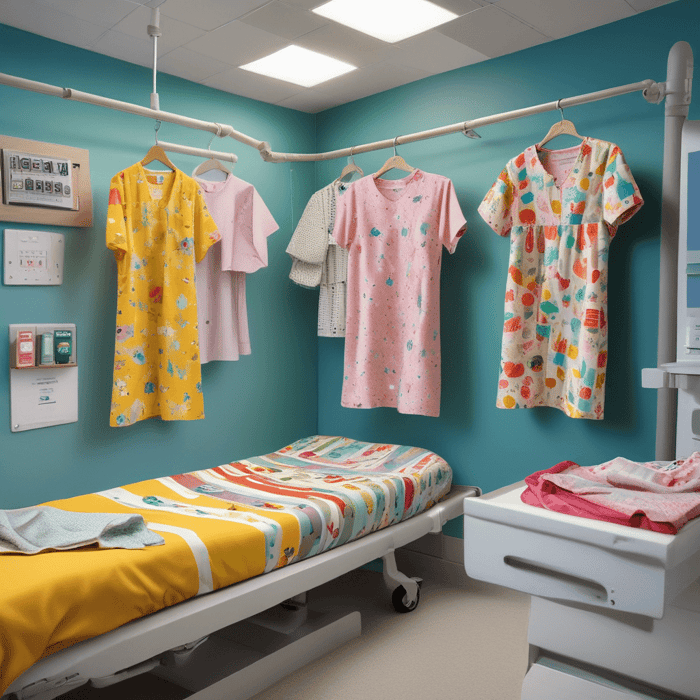
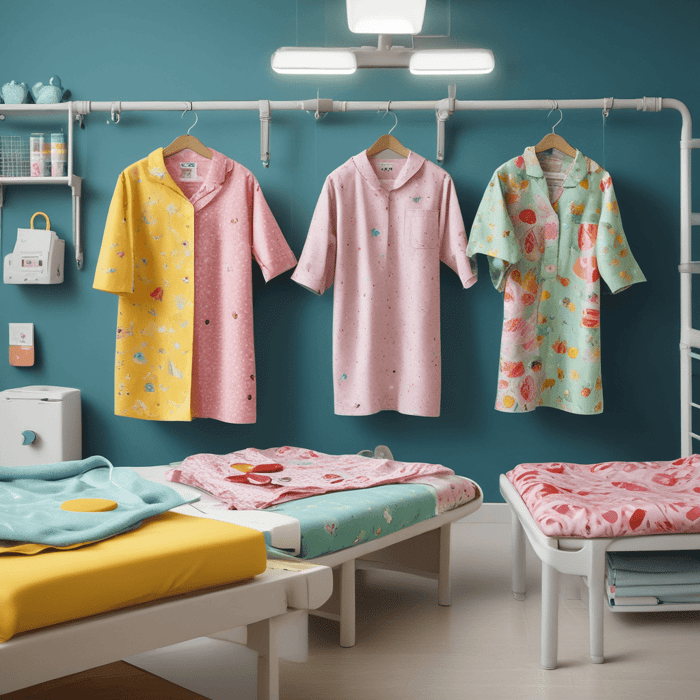
Browse Direct Textile Store for pediatric prints baby gowns with tie-back designs and sizes to fit your patient population. Browse styles and case packs to outfit your operation. Their collection of pediatric gowns is designed specifically for healthcare facilities that require dependable patient apparel capable of supporting comfort, hygiene, and operational efficiency in pediatric environments.
Pediatric-focused apparel solutions for healthcare facilities
These pediatric gowns are suitable for hospitals, pediatric care units, clinics, urgent care facilities, rehabilitation centers, and children’s healthcare environments that require durable patient apparel for repeated institutional use.
Key operational benefits for pediatric healthcare facilities
Designed for repeated healthcare laundering and daily use
Tie-back styles support efficient patient care workflows
Available in pediatric-friendly prints and multiple sizes
Suitable for high-volume healthcare environments
Supports organized inventory and apparel rotation systems
Helps maintain patient comfort and clinical accessibility
Reliable baby gowns help pediatric healthcare providers maintain cleaner operations, smoother workflows, and more comfortable treatment environments for young patients.
Infection-control support and healthcare sanitation standards
Healthcare facilities must maintain strict infection-control protocols throughout all patient-care environments, especially within pediatric units where vulnerable patient populations require additional protection. Dependable pediatric gowns help support these sanitation efforts through durable construction and repeated laundering performance.
Supporting cleaner healthcare environments and patient safety
Institutional-grade pediatric gowns are designed to withstand the intensive cleaning processes necessary for maintaining hygiene standards within hospitals and medical facilities.
Consistent laundering performance helps healthcare providers maintain clean apparel inventory while supporting safer and more organized patient-care environments across all pediatric departments.
Storage organization and healthcare inventory management
Pediatric healthcare facilities manage large quantities of patient apparel daily, requiring organized storage systems that support quick access and efficient distribution. Standardized pediatric gowns help simplify inventory management and improve operational coordination throughout healthcare facilities.
Supporting efficient apparel distribution and supply workflows
Healthcare staff must often retrieve gowns quickly during admissions, transfers, or emergency situations. Organized baby gowns inventory systems help reduce delays and improve workflow efficiency because products remain easier to sort, store, and distribute across patient-care areas.
Efficient inventory management also supports stronger operational consistency during high patient-volume periods when apparel demand increases significantly.
Comfort considerations for younger patient populations
Children in healthcare settings often require additional emotional reassurance and physical comfort during treatment and recovery. Comfortable pediatric gowns help create a more supportive patient experience that can positively influence overall care perception.
Creating a more welcoming pediatric treatment environment
Soft materials, child-friendly prints, and properly fitting pediatric gowns help reduce some of the stress associated with hospital visits and overnight stays.
A more welcoming healthcare environment can improve cooperation during treatment procedures while helping families feel more confident in the overall quality of patient care provided by the facility.
Long-term operational budgeting and replacement planning
Healthcare facilities must carefully manage textile replacement costs while maintaining reliable patient apparel inventory across all departments. Durable pediatric gowns help support stronger long-term operational budgeting through extended product lifespan and consistent institutional performance.
Reducing replacement frequency through durable apparel systems
Low-quality patient apparel may wear out quickly under continuous healthcare use, increasing replacement costs and operational disruptions. Reliable baby gowns help healthcare facilities maintain dependable apparel inventory for longer operational periods.
Predictable product lifespan also supports more accurate procurement planning and inventory forecasting across pediatric healthcare departments.
Supporting multi-department pediatric healthcare operations
Large healthcare systems often operate multiple pediatric departments including emergency care, inpatient units, outpatient clinics, rehabilitation centers, and specialty treatment programs. Flexible pediatric gowns help support operational consistency across these different care environments.
Maintaining standardized patient apparel across healthcare facilities
Using consistent pediatric gowns across multiple departments simplifies staff training, laundering coordination, and inventory management while helping maintain standardized patient-care procedures throughout the healthcare system.
Operational consistency also helps improve supply coordination between departments and reduces complications associated with managing multiple apparel systems simultaneously.
Family perception and patient-care presentation standards
Parents and guardians often evaluate pediatric healthcare environments based on cleanliness, organization, and the overall comfort provided to young patients. Professionally maintained pediatric gowns contribute to a more welcoming and reassuring healthcare atmosphere.
Reinforcing professionalism and comfort in pediatric settings
Clean and properly fitted baby gowns help create a more organized and patient-centered environment that positively influences family perception during treatment and recovery periods.
Parents often feel more confident in healthcare operations when patient apparel appears clean, comfortable, and specifically designed for pediatric use. Child-friendly presentation also helps reduce anxiety for younger patients who may already feel stressed or uncomfortable in medical environments.
Strong presentation standards contribute to overall patient satisfaction and support better communication between healthcare providers and families.
Healthcare laundry coordination and apparel rotation systems
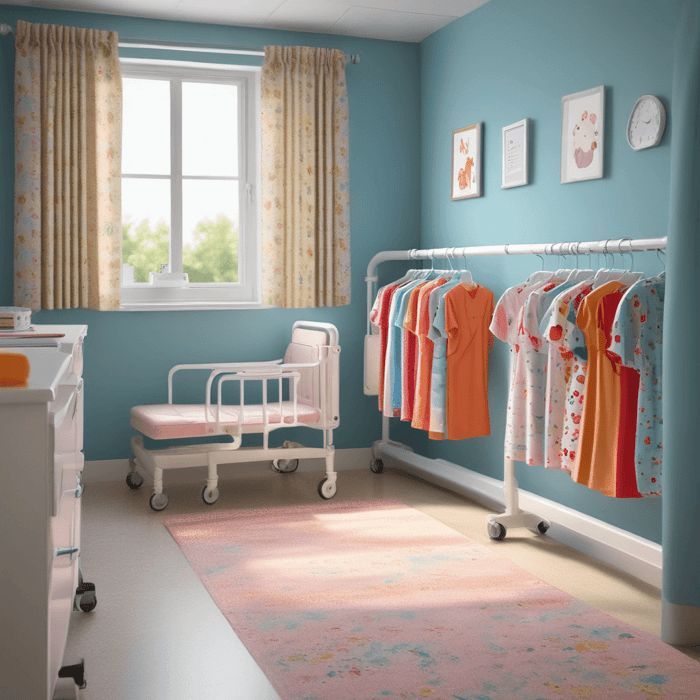
Pediatric healthcare facilities process large amounts of patient apparel daily, requiring efficient laundering systems that support continuous inventory rotation without disrupting patient care operations. Durable pediatric gowns help improve these workflows through dependable repeated-use performance.
Supporting continuous sanitation and clean apparel availability
Hospitals rely on organized laundry systems to maintain a constant supply of sanitized patient apparel throughout all departments. Reliable pediatric gowns help support these systems because they withstand repeated industrial laundering while maintaining comfort and usability.
Efficient apparel rotation is especially important in pediatric environments where patient turnover can occur rapidly throughout the day. Maintaining a dependable supply of clean gowns helps ensure smoother operations during admissions, transfers, and treatment procedures.
Strong laundering performance also contributes to lower replacement frequency and more efficient long-term inventory management.
Operational consistency across pediatric healthcare networks
Many healthcare systems operate multiple pediatric facilities, outpatient clinics, specialty centers, or satellite treatment locations. Standardized pediatric gowns help support operational consistency across these interconnected healthcare environments.
Simplifying procurement and apparel coordination between facilities
Using the same baby gowns across multiple departments or healthcare locations helps simplify staff training, inventory management, and laundering coordination throughout the healthcare network.
Consistent apparel systems also improve procurement planning because purchasing teams can standardize inventory requirements across different facilities rather than managing separate product specifications for each location.
Operational consistency becomes increasingly valuable for healthcare organizations that serve large patient populations across multiple treatment centers.
Patient-care efficiency and workflow improvement
Healthcare apparel directly affects how efficiently medical teams can manage patient movement, examinations, and routine treatment activities within pediatric units. Dependable pediatric gowns help improve these workflows while supporting smoother day-to-day operations.
Enhancing efficiency during routine pediatric care procedures
Nurses, physicians, and healthcare staff perform numerous patient-care tasks throughout the day that require accessible and functional patient apparel. Reliable pediatric gowns help simplify examinations, monitoring, and treatment activities by supporting easier patient movement and clinical access.
Improved workflow efficiency allows healthcare professionals to spend less time managing apparel-related challenges and more time focusing on patient care and treatment quality.
Over time, dependable apparel systems contribute to stronger operational performance, better staff coordination, and more organized pediatric healthcare environments.
Conclusion
Selecting dependable pediatric gowns is essential for pediatric healthcare facilities that prioritize patient comfort, hygiene, operational efficiency, and long-term durability. From repeated laundering performance to organized inventory systems and improved clinical accessibility, the right gown solutions help support smoother healthcare operations across pediatric environments.
By focusing on durability, patient comfort, and institutional-grade performance, healthcare facilities can maintain cleaner operations, stronger inventory control, and more supportive treatment experiences for young patients and their families.
Learn More About Our Experience Supplying Wholesale Linens → About Direct Textile Store
Direct Textile Store is a leading U.S. wholesale linen and textile supplier trusted by over 131,000 hotels, hospitals, healthcare facilities, restaurants, spas, salons, resorts, gyms, emergency shelter and response, funeral homes, VRBO & Airbnb hosts, car washes, and commercial buyers nationwide. Shop in bulk with everyday low wholesale pricing and automatic 20% case-pack discounts — no coupons or minimums required. Choose from one of the largest in-stock selections available: over 135,000 towels, pool towels, sheets, blankets, comforters, tablecloths, pillows, bed toppers, aprons, hospital gowns, patient gowns, isolation gowns, scrubs, shower curtains, chef apparel, smocks, lab coats, uniforms, and commercial laundry equipment including wire, vinyl, and poly laundry carts, trucks, and privacy screens — all ready to ship today. Free shipping on orders over $5,999.
FAQ
What should hospitals consider when purchasing pediatric gowns in bulk for a pediatric unit?
Hospitals should focus on patient comfort, durability, and ease of use when selecting pediatric gowns for clinical environments. Since pediatric patients range in age and size, gowns should offer flexible sizing and secure closures that support both medical access and patient dignity. Soft, easy-care fabrics are also important because pediatric gowns must withstand frequent laundering while remaining comfortable for children.
Why are specialized pediatric gowns important in children’s healthcare settings?
Pediatric gowns are designed specifically to meet the comfort and mobility needs of young patients during medical care. Unlike standard adult gowns, they provide age-appropriate sizing and often feature child-friendly designs that help reduce anxiety in clinical environments. Properly fitted gowns also improve patient comfort during examinations, treatments, and recovery periods.
How do baby gowns support efficiency in busy pediatric hospital units?
Baby gowns help streamline care by allowing healthcare staff easy access during examinations and procedures while maintaining patient coverage. In high-volume pediatric units, standardized gowns simplify inventory management and ensure appropriate sizes are readily available. Durable construction also helps reduce replacement frequency in facilities with continuous patient turnover.
Which features are most important in a baby gown used in healthcare facilities?
A baby gown used in hospitals should provide softness, secure closures, and easy accessibility for medical staff. Breathable fabrics and gentle materials help improve comfort for infants and young children during treatment or overnight stays. Many healthcare facilities also prefer gowns that are simple to change quickly during routine care procedures.
In what situations are pediatric gowns more suitable than standard patient gowns?
Pediatric gowns are more suitable whenever healthcare providers need clothing designed specifically for children’s comfort, mobility, and emotional reassurance. Their smaller sizing and child-friendly design help young patients feel more secure during medical visits. This makes them especially important in pediatric units, children’s hospitals, and outpatient clinics.
Where can healthcare facilities source pediatric gowns in bulk for pediatric units?
Hospitals and healthcare providers often work with institutional suppliers that specialize in medical textiles and patient apparel. One commonly used option is Direct Textile Store, which offers pediatric gowns and baby gown solutions designed for repeated use in healthcare and pediatric care environments.