Table of Contents
- Why Clinics Require Institutional Hospital Gowns
- Cotton and Poly Blends: The Clinical Standard
- Polyester Hospital Gowns: An Alternative Worth Considering
- Lightweight and Breathable Construction for Patient Comfort
- Fabric Options for Hospital Gowns
- Understanding Gown Closures and Design for Clinical Use
- Purchasing Patient Gowns in Bulk
- Where to Source Cotton/Poly and Polyester Hospital Gowns in Bulk
- Standardizing Gowns Across Clinic Departments and Patient Populations
- Maintaining Gowns for High-Use Clinics
- Evaluating Quality and Durability Before You Buy
- Procurement Best Practices for Clinic Buyers
- Making the Purchase: A Practical Buying Checklist
- How Direct Textile Store Supports Clinic Hospital Gown Programs
- Final Thoughts on Sourcing Cotton/Poly and Polyester Hospital Gowns for Clinics
- Learn More About Our Experience Supplying Wholesale Linens → About Direct Textile Store
- FAQ
- Related Topics
Clinics outfitting their patient population need hospital gowns that strike the right balance between patient comfort, genuine durability, and the laundering demands a busy clinical operation requires day after day. Sourcing genuine patient gowns in bulk means understanding what separates cotton/poly blend construction from pure polyester alternatives, along with a procurement strategy that keeps a clinic's full patient population properly outfitted across every visit type and body size. This guide walks through everything a clinic needs to know about sourcing cotton/poly and polyester patient gown inventory in bulk, from fabric fundamentals through building a sizing and durability strategy that serves patients comfortably over the long run.
Why Clinics Require Institutional Hospital Gowns
Healthcare Facilities Need Gowns That Go Beyond Basic Apparel
Healthcare facilities need gowns that go beyond basic apparel, since hospital gowns must support clinical examination access, patient dignity, and hygiene standards simultaneously in a way that ordinary clothing simply can't accommodate. This combination of functional and comfort requirements makes gown selection a genuinely important procurement decision rather than a routine supply purchase, since the right gown directly shapes a patient's experience during what's often an already stressful clinical encounter.
Durability for Frequent Use
Clinics process a steady volume of patient visits, and hospital gowns sourced for this kind of use need to survive frequent, often daily commercial laundering without the fabric breaking down, closures failing, or the garment losing its shape and coverage over repeated cycles. This durability requirement separates genuinely institutional-grade gowns from products simply marketed toward the same use case without the underlying construction to support real clinical demand.
Standardization Across the Clinic
Sourcing a consistent patient gown standard across an entire clinic — whether a single location or multiple facilities under the same organization — supports a uniform patient experience regardless of which exam room or department a patient visits. This standardization also simplifies procurement considerably, allowing a clinic to manage inventory, reordering, and laundering protocols through a single consistent product line rather than juggling multiple gown styles purchased piecemeal over time.
Cotton and Poly Blends: The Clinical Standard
Why Cotton/Poly Blends Dominate Institutional Gown Manufacturing
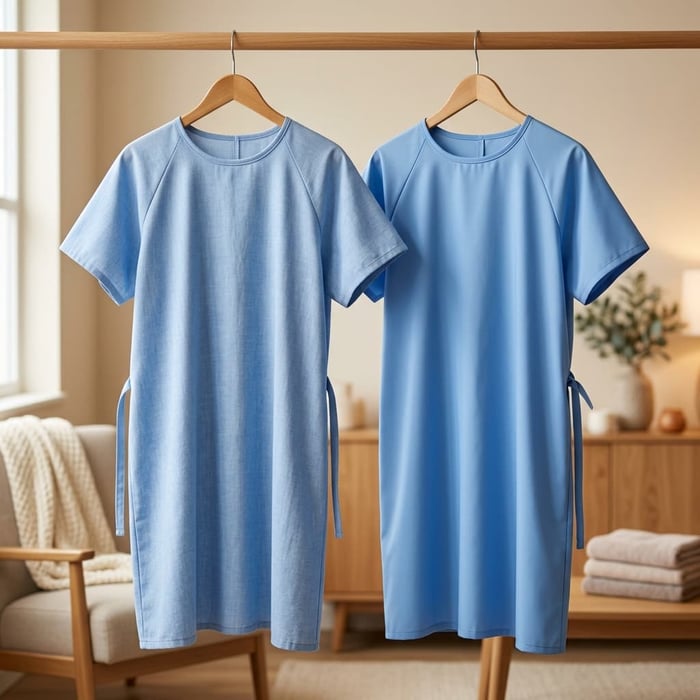
High-quality cotton or cotton-polyester blends are breathable, soft, and easy to clean, making this fabric category the long-standing standard across many clinical environments. The cotton component provides softness and breathability, while the polyester component adds structure and wrinkle resistance, giving hospital gowns constructed this way a genuine balance of patient comfort and institutional durability that neither fiber alone would deliver as effectively.
Temperature Regulation and Patient Comfort
Gowns made from cotton or cotton-blend fabrics help regulate temperature and prevent overheating, which is especially important for long procedures or vulnerable patients who may already be managing illness, anxiety, or physical discomfort during a clinical visit. This temperature-regulating property matters considerably for patients undergoing extended treatments or observation periods, where a gown that traps heat can add unnecessary discomfort to an already difficult experience.
Why Patients Generally Prefer Cotton/Poly Construction
Cotton/poly blend fabric tends to feel more comfortable than disposable nonwoven material or pure polyester alternatives, particularly for patients who may need to wear a gown for an extended period during a longer clinical visit or observation window. The softer hand-feel this blend provides helps ease the inherent discomfort of wearing unfamiliar clinical apparel, especially for anxious or first-time patients.
Polyester Hospital Gowns: An Alternative Worth Considering
When Polyester Construction Makes Practical Sense
While cotton/poly blends remain the dominant standard, 100% polyester hospital gowns offer a distinct set of advantages worth evaluating for specific clinical applications. Polyester-cotton blends offer the benefits of both polyester, namely durability and wrinkle resistance, and cotton, namely comfort and breathability, but pure polyester construction can deliver even stronger durability and wrinkle resistance for clinics prioritizing these properties above maximum softness.
Durability and Wrinkle Resistance Advantages
Durable, machine-washable fabrics such as cotton or polyester blends ensure long-lasting performance and comfort for patients, and polyester-heavy construction specifically resists the kind of wrinkling and shape degradation that can occur after hundreds of institutional wash cycles. For clinics managing a particularly aggressive laundering schedule, polyester's structural stability can translate into a meaningfully longer service life per gown.
Choosing Between Fabric Options Based on Patient Population
Clinics should weigh their specific patient population and typical visit length when choosing between cotton/poly and polyester patient gowns. A clinic handling brief outpatient visits with minimal gown wear time may find polyester's durability advantage outweighs any marginal comfort difference, while a clinic managing longer observation periods or more vulnerable patients may prioritize the superior breathability and softness cotton/poly blends provide.
Lightweight and Breathable Construction for Patient Comfort
Preventing Overheating During Extended Treatments
For patients undergoing extended treatments, breathable hospital gowns prevent overheating and improve overall comfort, a genuinely important consideration for clinics managing infusion therapy, extended observation, or multi-hour procedures where patients remain gowned for considerable stretches of time.
Material Weight and Patient Experience
Hospital gowns are typically made of lightweight and breathable materials that prioritize patient comfort, avoiding the bulky or stiff feel that heavier fabric construction might introduce. This lightweight quality matters considerably for patient dignity and comfort, since a gown that feels genuinely wearable rather than purely clinical helps ease the psychological discomfort many patients experience during medical visits.
Fabric Options for Hospital Gowns
Cotton Construction
Cotton hospital gowns are soft, comfortable, and breathable, offering the most natural feel against skin among common gown fabric options. Pure cotton construction, however, can require more careful laundering to avoid excessive shrinkage over hundreds of institutional wash cycles compared to blended alternatives.
Polyester-Cotton Blends
Polyester-cotton blends offer the benefits of both polyester, namely durability and wrinkle resistance, and cotton, namely comfort and breathability, and are commonly used in hospital gown manufacturing specifically because this combination delivers the most practical balance for institutional use. This blend remains the most widely recommended option for clinics seeking genuine durability without sacrificing patient comfort.
Disposable Materials
Some hospital gowns are made of disposable materials, such as nonwoven fabrics, offering convenience for single-use scenarios but generating considerable ongoing cost and waste when used as a clinic's primary gown solution across a high patient volume. Clinics managing steady patient throughput generally find washable cotton/poly or polyester gowns deliver better long-term value than relying exclusively on disposable alternatives.
Understanding Gown Closures and Design for Clinical Use
Tie-Back Closures as the Standard
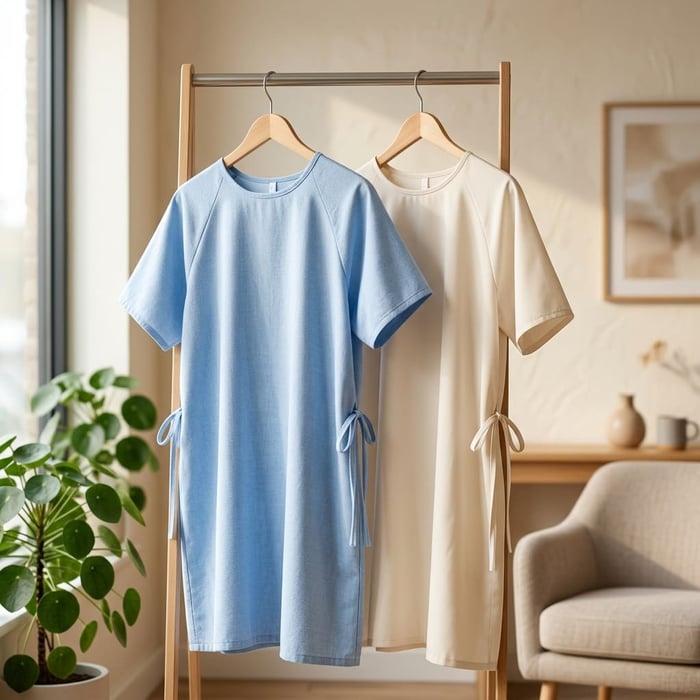
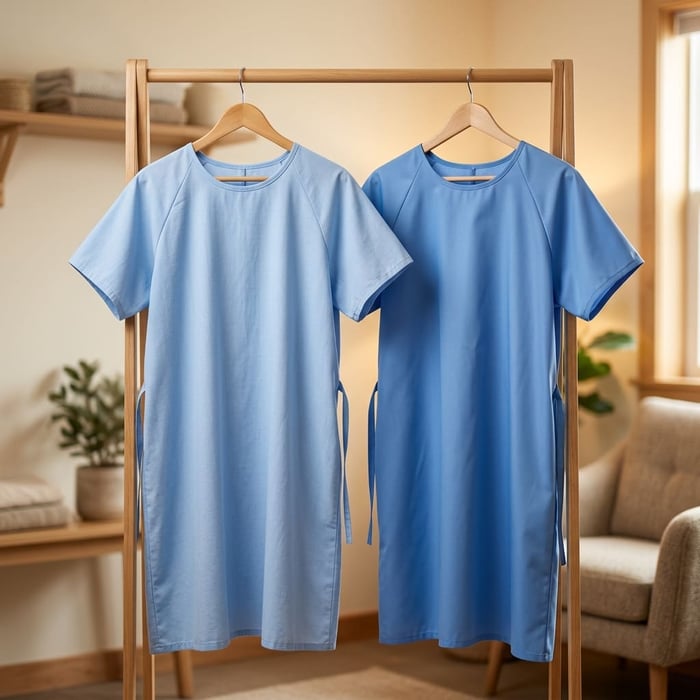
Tie-back closures remain the most common standard for hospital gowns, offering a balance of secure coverage and reasonably quick access for clinical staff needing to reach specific areas during an exam or procedure. This design has remained the clinical default for decades precisely because it balances patient dignity with practical examination access effectively.
Coverage and Design Variations by Specialty
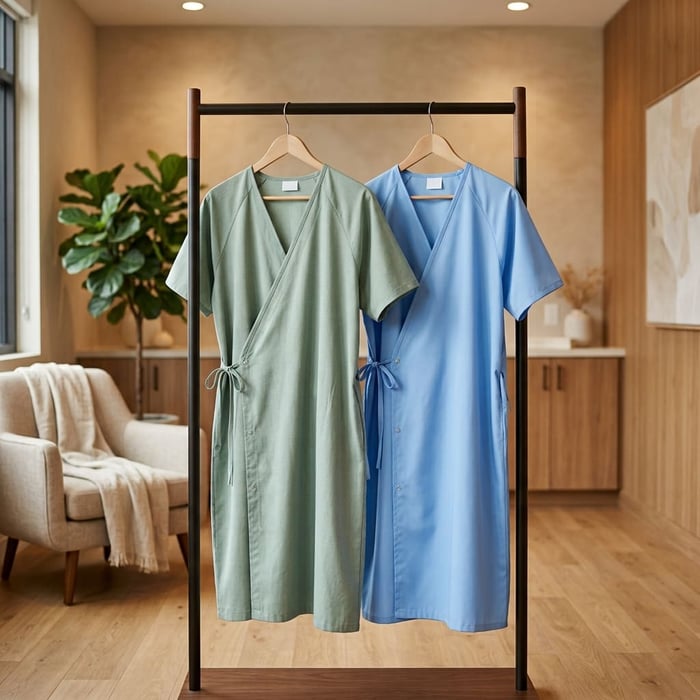
Different clinical specialties and examination types call for different gown coverage and access considerations. A general practice clinic may rely on a standard tie-back design suited to routine physical examinations, while specialty clinics performing specific procedures may benefit from gown designs offering particular access points suited to their specific patient care workflow.
Size Range Considerations
Sizing a diverse patient population correctly requires a genuinely comprehensive range, since hospital gowns for men and other patient populations vary considerably in body proportions. A supplier offering only two or three broad size categories often can't provide the fit and coverage accuracy that a clinic serving a diverse patient population actually needs, making sizing depth a genuinely important evaluation factor when sourcing bulk inventory.
Purchasing Patient Gowns in Bulk
Operational Advantages of Bulk Purchasing
Buying hospital gowns in bulk offers significant operational advantages, reducing per-unit costs while ensuring a clinic maintains sufficient inventory depth across every size category its patient population requires. Bulk purchasing also simplifies administrative overhead by consolidating ordering into fewer, larger transactions rather than frequent smaller purchases throughout the year.
Cost and Operational Efficiency
Using commercial-grade patient gowns can significantly improve a clinic's bottom line, since genuinely durable construction reduces how often a clinic needs to replace worn inventory compared to lower-quality alternatives that degrade prematurely under frequent institutional laundering.
Case-Pack Pricing and Volume Discounts
Case-pack purchasing allows clinics to order patient gowns in pre-set bulk quantities across needed sizes rather than buying unit by unit, which meaningfully reduces the per-gown cost. This pricing structure reflects a supplier's reduced packaging, handling, and shipping overhead when fulfilling large, consolidated orders instead of scattered small purchases.
Where to Source Cotton/Poly and Polyester Hospital Gowns in Bulk
Wholesale Medical Textile Suppliers vs. General Retail
Clinics sourcing hospital gowns in the quantities needed to support an active patient volume need a wholesale approach rather than general medical retail sourcing. Retail pricing remains flat per unit regardless of quantity, and retail inventory levels simply aren't structured to reliably fulfill the kind of bulk institutional orders a clinic's gown program requires. A supplier offering genuine wholesale pricing on patient gowns, by contrast, is built specifically to reward volume purchasing, with per-unit costs decreasing meaningfully as order size increases.
What to Look for in a Wholesale Hospital Gown Supplier
Clinic procurement teams should evaluate several factors before committing to a bulk order of cotton/poly and polyester hospital gowns:
- In-stock availability across the full patient size range: A supplier with deep, consistent stock reduces the risk of running short on a specific size category needed for the clinic's patient population.
- Transparent, everyday wholesale pricing: Consistent pricing without relying on rotating promotions makes annual supply budgeting far more manageable.
- Automatic case-pack discounts: Built-in volume pricing simplifies reordering as patient volume grows, without requiring renegotiated terms each time.
- Documented fabric composition: A trustworthy supplier should clearly state whether a given gown line is cotton/poly blend or pure polyester, rather than relying on vague marketing language alone.
- Reasonable shipping terms: Free or reduced shipping thresholds on larger orders can meaningfully affect total program cost, especially for clinics reordering multiple times per year.
Standardizing Gowns Across Clinic Departments and Patient Populations
General Primary Care and Family Medicine
General primary care settings typically need a broad, versatile gown inventory suited to routine physical examinations across a wide age and body type range. Standard tie-back patient gowns in a comprehensive size range, built from cotton/poly blend fabric, generally serve this setting well.
Specialty Clinics with Distinct Workflow Needs
Specialty clinics, depending on the specific procedures and examinations they conduct, may benefit from gown designs offering particular access points or coverage configurations suited to their specific patient care workflow. Coordinating directly with clinical staff regarding their typical gown needs helps ensure procurement decisions reflect actual clinical requirements.
Patients With Specific Comfort or Sensitivity Needs
Some patients have heightened skin sensitivity or comfort needs related to their underlying condition, making the softer cotton/poly blend option a genuinely important alternative to stock alongside any pure polyester inventory a clinic might otherwise default to. Having both fabric options available allows clinical staff to match gown selection to individual patient needs.
Mixed Fabric Inventory Strategy
Some clinics maintain both cotton/poly and polyester hospital gowns simultaneously, using cotton/poly for longer visits or more sensitive patients and polyester for brief, high-turnover examination rooms where durability under heavy daily use matters more than maximum softness. This mixed strategy allows a clinic to match fabric choice to the specific demands of each use case rather than committing to a single fabric type across every department.
Maintaining Gowns for High-Use Clinics
Proper Care Extends the Life of Institutional Hospital Gowns
Proper care extends the life of institutional hospital gowns, making a consistent laundering protocol a genuinely important part of any clinic's gown procurement strategy, not just an afterthought once gowns arrive. Facilities should establish clear wash temperature, detergent, and drying guidelines specific to whichever fabric type they've chosen, since cotton/poly blends and pure polyester may respond differently to aggressive industrial laundering conditions.
Handling Contaminated or Soiled Gowns
Clinics working with patients who may have contaminated or soiled a gown during an exam need specific protocols for handling this inventory, since standard laundering procedures may not be adequate for certain types of exposure. This protocol should align with the clinic's broader infection control guidelines rather than being left to individual staff discretion.
Rotating Inventory to Distribute Wear
Rotating through a slightly larger pool of patient gowns than the strict minimum needed for daily patient volume helps distribute wear more evenly across the clinic's overall inventory, rather than concentrating heavy use on a smaller working subset that wears out disproportionately fast.
Evaluating Quality and Durability Before You Buy
Seam Construction and Stitching Quality
Before committing to a bulk order, clinic buyers should request sample hospital gowns and inspect seam construction closely. Reinforced, evenly stitched seams resist fraying and separation far better than loosely finished seams, which matters considerably given how frequently reusable clinical textiles undergo demanding commercial laundering and sanitizing wash cycles.
Fabric Durability in High-Turnover Healthcare Environments
Commercial-grade hospital gowns are constructed to withstand repeated industrial laundering, high-heat drying, frequent handling and folding, and continuous patient use. Durable patient gowns not only reduce replacement costs but also maintain a professional appearance over time, which matters considerably for sustaining patient confidence in the clinic's overall cleanliness and care standards.
Colorfastness and Appearance Through Repeated Laundering
For hospital gowns featuring any color beyond standard white, colorfastness under repeated high-temperature commercial laundering is a particularly important quality marker. Colors that fade, streak, or bleed after a handful of wash cycles quickly lose their intended appearance while also potentially looking worn and unprofessional within a relatively short service life.
Closure Durability Under Repeated Use
Whether a gown uses tie-back closures or an alternative fastening system, this component needs to hold up reliably through repeated use and laundering without failing. Buyers should specifically test closure durability on any sample patient gown product, since a closure that fails partway through a patient's visit creates both a practical inconvenience and a potential dignity concern for the patient involved.
Procurement Best Practices for Clinic Buyers
Bulk Purchasing and Cost Efficiency
For clinics operating an established gown program, hospital gowns procurement represents a recurring operational cost tied to patient volume and the laundering schedule required to maintain a properly sanitized, ready-to-use inventory. Buying in bulk case packs allows clinics to lock in lower per-unit pricing while reducing the administrative overhead of placing frequent smaller orders throughout the year.
Inventory Planning and Replacement Cycles
Clinics benefit from tracking patient gowns usage and wear patterns by size category and fabric type, since high-volume sizes and the fabric type used in busiest departments typically wear out faster than less frequently used categories. Building a replacement schedule around actual usage data allows procurement teams to reorder proactively rather than discovering shortages right before a busy clinical day.
Maintaining Buffer Stock for Unpredictable Demand
Because clinical patient volume can fluctuate, sometimes unpredictably, maintaining a modest buffer stock of hospital gowns beyond immediate projected need helps clinics respond to unexpected volume increases without scrambling for an emergency reorder that may not arrive in time.
Making the Purchase: A Practical Buying Checklist
Before finalizing a bulk order, clinic buyers should confirm the following:
- The supplier offers both cotton/poly blend and polyester construction options with documented fabric composition.
- Sizing range is genuinely comprehensive and matches the clinic's actual patient population.
- Sample gowns have been inspected for seam quality, closure durability, and overall fabric feel after simulated laundering conditions.
- Wholesale and case-pack pricing is transparent and doesn't depend on negotiated or promotional-only discounts.
- Shipping timelines allow enough lead time to maintain consistent inventory ahead of anticipated patient volume.
- The supplier maintains sufficient in-stock inventory across all needed sizes to support both an initial bulk order and ongoing replacement needs.
Clinics that take time to evaluate these factors before ordering typically achieve better long-term value, reduce pre-visit delays related to sizing or inventory issues, and support a more consistent, comfortable experience for patients.
How Direct Textile Store Supports Clinic Hospital Gown Programs
For clinics working through this sourcing process, having one dependable supplier covering both major fabric categories can significantly simplify ongoing procurement. Find them at Direct Textile Store cotton/poly and polyester hospital gowns with tie-back designs and sizes to fit your patient population. Browse styles and case packs to outfit your operation.
A supplier offering both cotton/poly blend and polyester patient gowns with strong in-stock availability across a genuinely comprehensive size range allows clinics to plan bulk orders around a single, reliable source rather than piecing together inventory from multiple vendors to cover different patient needs. Consistent fabric quality and closure construction across that catalog also means clinics can build a dependable gown standard that performs reliably across every patient visit.
Final Thoughts on Sourcing Cotton/Poly and Polyester Hospital Gowns for Clinics
Sourcing the right cotton/poly and polyester hospital gowns for a clinic comes down to balancing fabric comfort, durability, sizing accuracy, and cost-effective procurement at genuine institutional scale. A well-planned inventory supports a more comfortable, dignified patient experience, holds up under the demands of frequent commercial laundering, and helps clinics manage administrative budgets more effectively across a growing patient population. Buyers who evaluate construction quality, fabric composition, and wholesale pricing structures carefully before committing to a bulk order tend to build gown programs that perform reliably across a genuinely diverse patient base. Taking a methodical, proactive approach to procurement — grounded in actual patient population data and realistic laundering capacity rather than assumptions — ultimately supports both clinical efficiency and patient comfort as a clinic's needs continue to evolve.

Learn More About Our Experience Supplying Wholesale Linens → About Direct Textile Store
Direct Textile Store is a leading U.S. wholesale linen and textile supplier trusted by over 131,000 hotels, hospitals, healthcare facilities, restaurants, spas, salons, resorts, gyms, emergency shelter and response, funeral homes, VRBO & Airbnb hosts, car washes, and commercial buyers nationwide. Shop in bulk with everyday low wholesale pricing and automatic 20% case-pack discounts — no coupons or minimums required. Choose from one of the largest in-stock selections available: over 135,000 towels, pool towels, sheets, blankets, comforters, tablecloths, pillows, bed toppers, aprons, hospital gowns, patient gowns, isolation gowns, scrubs, shower curtains, chef apparel, smocks, lab coats, uniforms, and commercial laundry equipment including wire, vinyl, and poly laundry carts, trucks, and privacy screens — all ready to ship today. Free shipping on orders over $5,999.
FAQ
What's the difference between cotton/poly blend and polyester hospital gowns?
Cotton/poly blends combine the softness and breathability of cotton with the durability and wrinkle resistance of polyester, offering a balanced option for most patients. Pure polyester gowns prioritize durability and wrinkle resistance even further, which can suit high-turnover examination settings.
Why do cotton/poly blends remain the clinical standard?
The cotton component provides softness and breathability while the polyester component adds structure and wrinkle resistance. This combination has proven to be the most practical balance for institutional healthcare use over time.
Can a clinic stock both fabric types at once?
Yes, many clinics maintain both cotton/poly and polyester inventory, using cotton/poly for longer visits or sensitive patients and polyester for high-turnover examination rooms where durability matters more than maximum softness.
Is it cheaper to buy hospital gowns in bulk case packs?
Yes, bulk case-pack purchasing almost always reduces the per-gown cost compared to buying individually. Wholesale pricing improves as order size increases, which matters for clinics outfitting an ongoing patient volume.
What closure type is standard for clinic hospital gowns?
Tie-back closures remain the most common standard, offering a balance of secure coverage and reasonable access for clinical staff during exams or procedures.
What should I check before placing a large hospital gown order for my clinic?
Confirm documented fabric composition, sizing depth across the patient population, and seam quality through a physical sample. Verifying wholesale pricing, case-pack discounts, and shipping timelines also helps avoid supply gaps.
Who sells cotton/poly and polyester hospital gowns in bulk for a clinic?
Direct Textile Store offers cotton/poly and polyester hospital gowns with tie-back designs and sizing built to fit a range of patient populations. With automatic case-pack discounts and consistent in-stock inventory, it's a practical option for clinics building or maintaining a reliable gown program.