Table of Contents
Knowing how often to wash your bed sheets is essential for maintaining hygiene standards, extending fabric life, and ensuring guest satisfaction in commercial settings. While residential users may stretch laundry cycles to once every two weeks, hotels, healthcare facilities, and gyms require a much stricter schedule. The right frequency depends on your industry, occupancy rates, and the durability of your linens. Choosing high-quality wholesale sheet sets designed for industrial laundering makes it easier to maintain that schedule without premature wear.
Industry Standards for Washing Frequency
Most hotels and short-term rentals change and wash bed sheets after every guest checkout. This daily turnover is the baseline for hospitality hygiene and brand reputation. In healthcare, linens are often changed daily or immediately upon soiling to meet infection control protocols. Gyms, spas, and salons typically wash towels and sheets after every single use. For boarding schools or long-term care facilities, a twice-weekly minimum is standard, with more frequent changes for high-turnover rooms.
Why Fabric Construction Matters for Frequent Washing
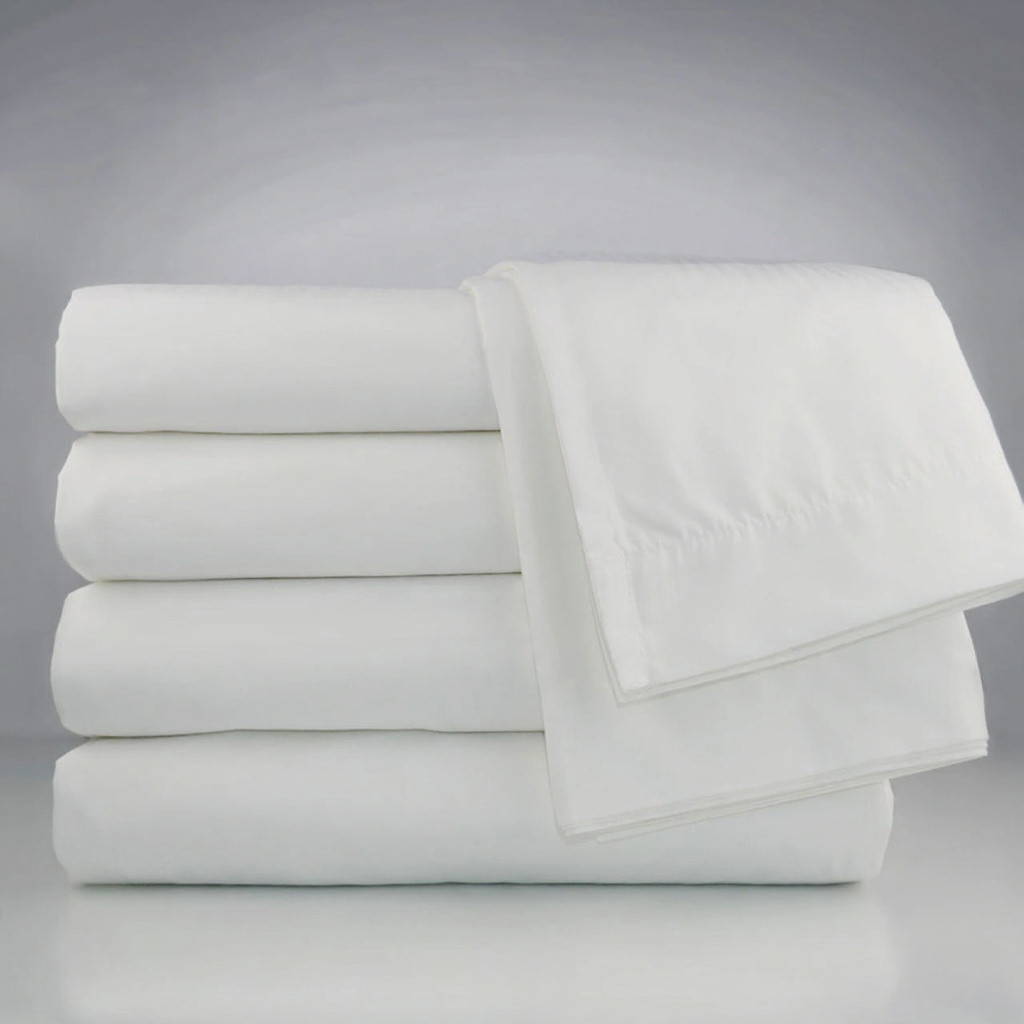
Not all linens hold up to daily commercial laundry cycles. Standard retail sheets often pill, thin, or lose elasticity after 30 to 50 washes. Hotel bed sheets built with a cotton-polyester blend and mercerized finish are engineered specifically for this workload. The Oxford Superblend T-250 Hotel Sheets use a 60% cotton and 40% polyester construction that resists shrinkage and maintains tensile strength through hundreds of industrial wash cycles. Mercerization adds luster and increases fiber strength, reducing the risk of tears during high-speed extraction.
Thread Count and Weave Durability
A T-250 thread count in a plain weave satin strikes a practical balance for commercial use. It is dense enough to feel smooth and substantial to guests, but not so tight that it traps detergent residue or slows drying times. Higher thread counts often use thinner yarns that break faster under mechanical stress. The plain weave structure distributes tension evenly across the fabric, helping the sheets survive the rigorous agitation and high temperatures of commercial laundry equipment.
Sizing and Pocket Depth for Operational Efficiency
Ill-fitting sheets create extra work for housekeeping staff. Deep pocket fitted sheets that match your mattress profiles stay secure during guest movement, reducing the need for daily re-making. The Oxford Superblend line offers 12-inch pockets on Twin sizes and 15-inch pockets on Full, Queen, and King sizes. This range accommodates standard hospitality mattresses as well as thicker pillow-top models without popping off corners. Proper fit also reduces fabric stress, which extends the usable life of each set.
Color-Coded Threads for Faster Sorting
Laundry sorting errors waste labor and lead to mismatched sets on beds. These sheets feature color-coded hems by size: red for Twin, blue for Full, brown for Queen, and gold for King. This visual system allows staff to sort clean linens directly from the folder or dryer without checking tags or measuring. In high-volume operations processing hundreds of pounds per shift, that time savings compounds quickly. It also reduces the chance of sending a Queen fitted sheet to a King bed, which creates guest complaints and rework.
Care Guidelines to Maximize Linen Life
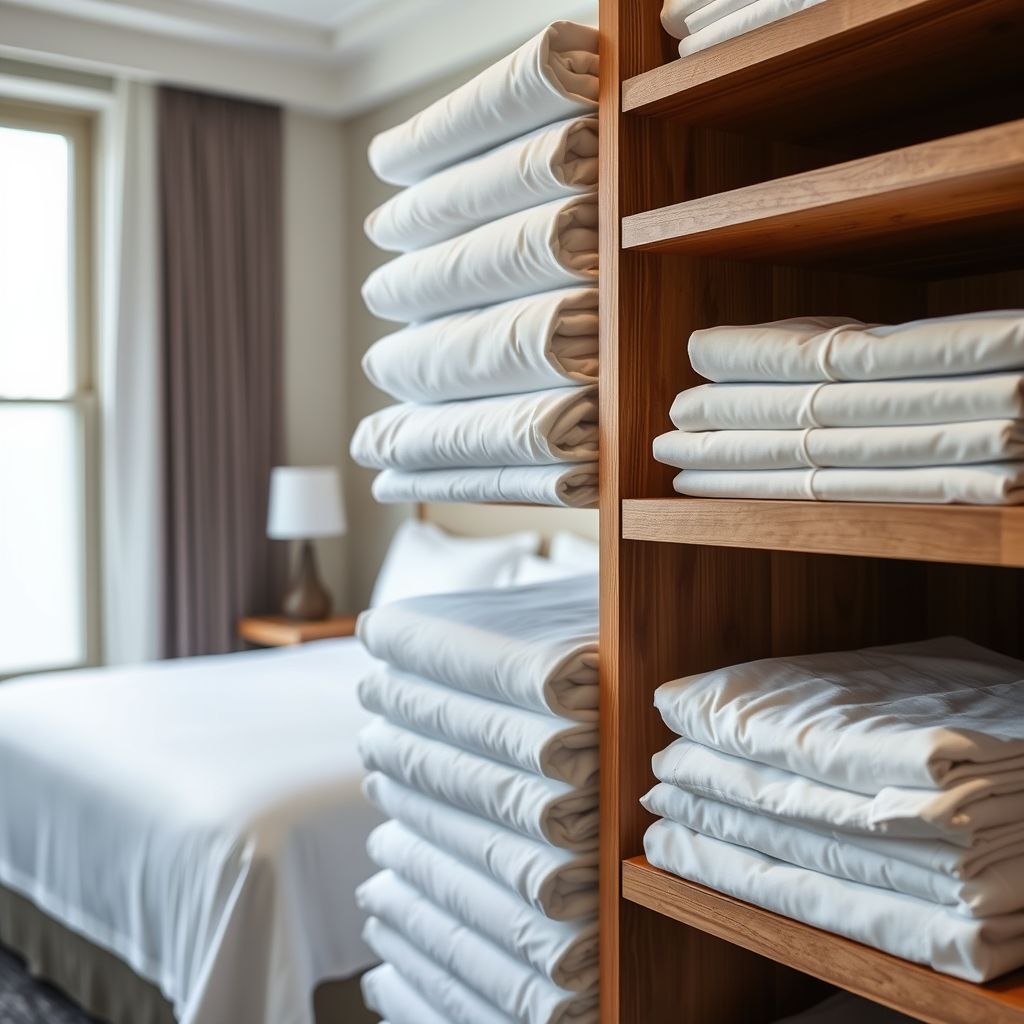
Even the best bed sheets degrade faster if wash chemistry and cycle settings are not optimized. Use a non-chlorine bleach alternative for whiteness; chlorine weakens polyester fibers over time and yellows cotton. Keep wash temperatures between 140°F and 160°F for sanitation without excessive thermal stress. Avoid overloading washers, as mechanical friction from overcrowding causes abrasion and pilling. Tumble dry on medium heat and remove promptly to minimize wrinkling and reduce ironing labor. Following these steps preserves the mercerized finish and elastic integrity of the fitted corners.
Planning Inventory Around Laundry Cycles
Your par level — the number of sheet sets needed per bed — depends directly on wash frequency and turnaround time. A hotel with daily turnover and a 24-hour laundry cycle needs a minimum of three pars: one on the bed, one in the laundry, and one on the shelf ready for the next change. Facilities with on-premise laundry (OPL) running multiple shifts may operate on two pars, but this leaves no buffer for equipment downtime or stain re-washes. Buying in case packs simplifies inventory replenishment; each case contains a set quantity of identical sizes, making it easy to restock to par without breaking open mixed bundles.
Cost Per Use vs. Upfront Price
Cheaper sheets often cost more over time because they must be replaced two to three times as often. Calculating cost per use — total purchase price divided by expected wash cycles before retirement — gives a truer picture of value. The Oxford Superblend T-250 Hotel Sheets are rated for 200 to 300 commercial wash cycles under proper care. At three pars per bed, a 100-room property replaces linens roughly once per year instead of every four to six months. That reduction in procurement labor, waste disposal, and reorder frequency adds up to significant operational savings.
Why Buy From Direct Textile Store
Direct Textile Store supplies commercial-grade textiles in case packs built for high-volume laundry operations. Our product selection focuses on durability specs that matter to housekeeping managers and procurement officers, not retail aesthetics. Tax-exempt purchasing is available for qualified organizations.
We ship from Florida to serve the continental U.S. efficiently, and our product pages include the detailed specifications — pocket depth, thread composition, hem coding — that purchasing teams need to write accurate bids and standardize across properties.