Table of Contents
- Why Senior Living Communities Need Institutional-Grade Bedding
- Understanding What Is in a Bedding Set
- Down and Down-Alternative Fill Explained
- Down-Alternative and Genuine Down in Resident Rooms
- Box-Stitched Construction and Why It Matters
- Shell Fabrics and Easy-Care Performance
- Weight and Warmth for Resident Comfort
- Safety and Handling Considerations for Residents
- Bedding Needs Across Care Settings
- Sizing and Fit for Resident Beds
- Color, Style, and a Homelike Environment
- Coordinating Sheets, Pillowcases, Comforters, and Pads
- How Many Bedding Sets a Community Needs
- Planning for Move-Ins, Turnover, and Admissions
- Why Wholesale Case Packs Make Sense
- Evaluating Quality Before You Order
- Testing Samples Before a Large Order
- Laundry Practices That Extend Bedding Life
- Housekeeping Efficiency and Handling
- Resident and Family Experience
- Storage and Organization
- Training Staff and Setting Standards
- Multi-Building and Multi-Community Standards
- Cost, Value, and Total Ownership
- Common Mistakes to Avoid
- Making the Purchase: A Practical Buying Checklist
- Direct Textile Store: A Dedicated Source for Senior Living Bedding
- Final Thoughts on Ordering Bedding Sets for a Senior Living Community
- Learn More About Our Experience Supplying Wholesale Linens → About Direct Textile Store
- FAQ
- Related Topics
In a senior living community, the bed is not just a place to sleep. For many residents it is where a large part of the day is spent, where comfort and skin health matter every hour, and where a sense of home is either reinforced or lost. Staff, meanwhile, handle that bedding constantly, washing it, replacing it, and remaking it across dozens or hundreds of rooms. Bedding sets built for institutional use are designed to serve both needs, giving residents warmth and softness while giving housekeeping durable products that survive frequent laundering. This guide explains how to choose between down and down-alternative fill, what box-stitched construction offers, how to plan quantities for move-ins and turnover, and how to buy wholesale bedding sets in case packs that keep every room consistently outfitted.
Why Senior Living Communities Need Institutional-Grade Bedding
Residents Spend More Time in Bed
Many residents rest, read, watch television, and receive visitors in bed or in a chair beside it. That extended contact means comfort, softness, and temperature regulation matter more than they do in a hotel room where a guest sleeps one or two nights. A comforter that is too heavy, too thin, or scratchy becomes a daily irritation. Dependable bedding sets help residents stay comfortable through long hours in bed and support a sense of well-being.
Laundering Is Frequent and Demanding
Communities launder bedding often, sometimes daily in care units, and they use hot water and strong detergents to maintain hygiene. Consumer products are not designed for that routine and tend to flatten, shrink, or fall apart. Institutional bedding sets use stronger shells, reinforced seams, and fills that tolerate repeated washing. That durability protects both the budget and the standard of care.
Consistency Supports Dignity and Operations
When bedding looks clean, uniform, and well maintained, rooms feel cared for, and families notice. When bedding is mismatched, worn, or stained, the impression suffers even if the room is clean. Consistent wholesale bedding sets across rooms and buildings also make staff routines simpler, because everyone works with the same products and the same standards.

Understanding What Is in a Bedding Set
The Core Components
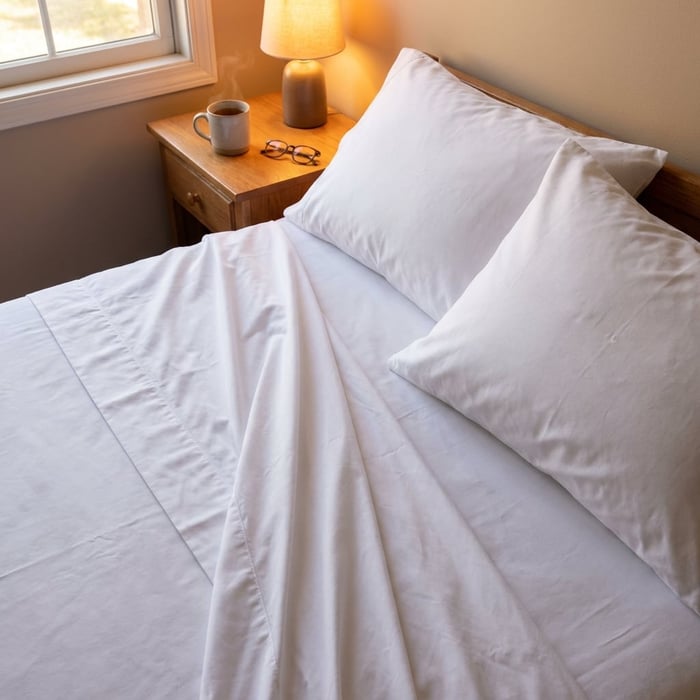
A typical set includes a comforter, fitted sheet, flat sheet, and pillowcases, and some include shams, bedskirts, or mattress pads. Each piece has a role: the sheets provide a clean layer against the skin, the comforter provides warmth, and the pillowcases protect pillows. Buying these pieces as a coordinated system ensures that colors, fabrics, and sizes match. Bedding sets purchased this way also make inventory counting more straightforward.
Why Sets Simplify Purchasing
Ordering complete sets reduces the chance of mismatched pieces and the time spent assembling a bed from separate items. Housekeeping can grab one set per bed rather than hunting for individual components. For a community with many rooms, that simplicity saves time every day. Wholesale bedding sets also create a uniform look that supports a polished, homelike environment.
Customizing for Each Community
Some communities choose sets with a comforter and sheets, while others add mattress pads or bedspreads. The right combination depends on care levels, laundry capacity, and style preferences. Defining the components of your standard set before ordering makes it easy to calculate quantities and keep every room consistent.
Down and Down-Alternative Fill Explained
What Genuine Down Offers
Down is made of the soft clusters from waterfowl and is prized for its lightness, loft, and warmth. A well-made down comforter feels luxurious and provides excellent insulation without much weight. It can be an attractive choice for residents who value that traditional feel. The trade-offs include higher cost, more careful laundering, and potential allergy concerns for some people.
What Down-Alternative Offers
Down-alternative fill uses synthetic fibers designed to imitate down's loft and softness. It tolerates frequent laundering, dries faster, and avoids many of the concerns associated with natural down. For institutional settings with high laundry demands, down-alternative fill is often the practical default. Quality varies, so test samples to confirm that the fill holds its shape after repeated washing.
Choosing the Right Fill for Your Community
The best fill depends on the community's budget, laundry capacity, resident preferences, and care levels. Many communities use down-alternative in most rooms and offer genuine down in premium units. Whichever you choose, confirm the fill composition and care instructions before ordering bedding sets in volume.
Down-Alternative and Genuine Down in Resident Rooms
Why Down-Alternative Suits Most Rooms
Down-alternative comforters are easier to launder, dry more quickly, and tend to hold their loft through repeated washing. They are also generally friendlier to residents with sensitivities, since they avoid natural feathers and down. For most resident rooms, that combination of durability and comfort is hard to beat. Bedding sets with down-alternative fill allow staff to maintain bedding with less effort and less risk of damage.
When Genuine Down Makes Sense
Genuine down can be a good fit for independent living apartments, premium suites, or residents who bring a preference for down from home. Because down requires more careful drying and may need special handling, communities should confirm that their laundry can accommodate it. When used selectively, down adds a premium option without complicating operations across the entire community.
Offering Both Options Without Complication
Some communities stock both types and match them to unit categories. To keep operations simple, keep the two types clearly labeled and stored separately, and train staff on any differences in care. Buying both from a single source of wholesale bedding sets helps maintain consistent sizing and color across the community.
Box-Stitched Construction and Why It Matters
Even Warmth Without Cold Spots
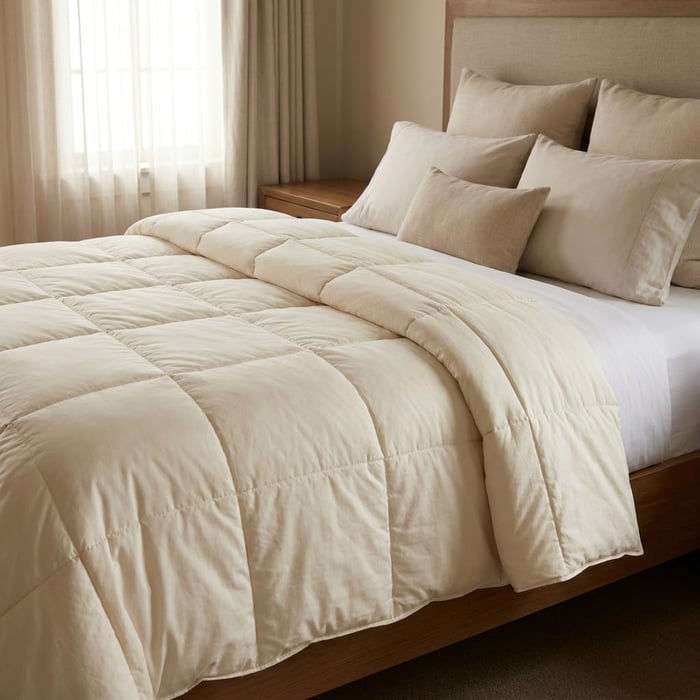
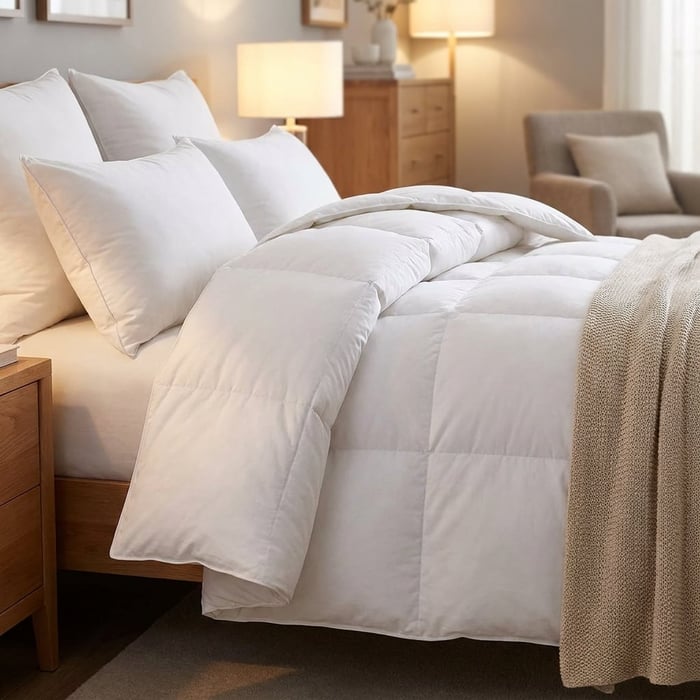
Box-stitching divides the comforter into small compartments that hold the fill in place. This prevents the fill from shifting to one side and creating cold spots. For residents who are sensitive to temperature, even warmth across the bed is a meaningful comfort feature. Quality box-stitching also helps comforters keep a smooth, tailored appearance.
Durability Through Laundering
When fill is anchored in compartments, it is less likely to clump or bunch after washing. That helps the comforter keep its shape and loft longer, which reduces replacement frequency. Look for tight, even stitching and secure edges when evaluating bedding sets, since stitching quality is a strong indicator of how well the comforter will last.
A Neat, Homelike Appearance
Box-stitched comforters lie flat and look orderly, which supports a clean, inviting room. Residents and families notice when beds look neat and cared for. That appearance helps a community feel more like a home and less like an institution.
Shell Fabrics and Easy-Care Performance
Common Shell Materials
Comforter shells are commonly made of cotton, polyester, or blends. Cotton feels soft and natural, while polyester and blends resist wrinkles, hold color, and dry quickly. Choose a shell that matches your laundry capacity and your residents' comfort preferences. A tightly woven shell also prevents fill from escaping.
Easy-Care Features
Easy-care fabrics wash and dry without special handling and require little or no ironing. In a community that launders frequently, those features save labor and reduce the risk of damage. Wrinkle-resistant shells also keep beds looking neat after laundering. Confirm that the wholesale bedding sets you choose are rated for the temperatures and cycles your laundry uses.
Softness and Skin Comfort
Residents with delicate or sensitive skin benefit from soft, smooth fabrics. Test samples against the skin and check for roughness. A comfortable fabric reduces irritation and helps residents rest. Softness should hold after washing, so evaluate the sample after several cycles.
Weight and Warmth for Resident Comfort
Matching Warmth to Resident Needs
Some residents feel cold easily, while others overheat. A medium-weight comforter often works well, with the option to add or remove layers. Consider building temperature, resident health, and personal preference when choosing weight. Standardizing on a mid-weight option for most rooms can simplify purchasing.
Lightness for Easy Handling
Residents with limited strength or mobility may find heavy comforters difficult to move. Lighter comforters are easier to adjust and less likely to cause strain. Lightness also helps staff, who handle bedding many times a day. Bedding sets that balance warmth and weight support both residents and staff.
Seasonal Considerations
Communities in climates with big seasonal changes may offer lighter and heavier comforters or additional blankets for cold months. Plan storage and laundry capacity accordingly. Having extra layers available allows staff to respond to resident comfort without replacing the whole bedding set.
Safety and Handling Considerations for Residents
Drop Length and Tangling
Comforters that hang too far over the sides can tangle in mobility equipment or create tripping risks. Choose a drop length that covers the mattress neatly without dragging. Confirm dimensions before ordering and test samples on actual beds. A well-fitted comforter reduces hazards and looks tidy.
Ease of Movement in Bed
Residents who shift position or get in and out of bed need bedding that moves easily. Overly heavy or stiff comforters can restrict movement. Test samples for flexibility and weight. Comfortable, flexible bedding supports independence.
Compliance and Documentation
Communities are typically subject to fire safety and hygiene requirements. Ask for documentation specific to the product line you plan to buy, and keep copies with your purchasing records. Having documentation ready simplifies inspections and gives staff confidence in the products.
Bedding Needs Across Care Settings
Independent Living
Independent living residents often expect a residential feel and may want more choice in style. Offering attractive, comfortable bedding sets with a homelike appearance supports satisfaction. Down or premium options may be popular here.
Assisted Living
Assisted living residents may need more help with bedding changes, so durability and ease of care are important. Comfort remains key, and a consistent standard simplifies staff routines.
Memory Care
Memory care residents benefit from calm, familiar-looking bedding in soft colors and patterns. Durable, easy-to-launder products are essential, since changes may be frequent. Avoid overly busy patterns that could cause confusion.
Skilled Nursing and Rehabilitation
In skilled nursing, bedding may be changed daily, and durability under frequent, hot laundering is critical. Choose wholesale bedding sets that maintain their shape and appearance through heavy use.
Sizing and Fit for Resident Beds
Common Bed Sizes
Resident rooms commonly use Twin, Twin XL, and sometimes Full or Queen beds. Adjustable and hospital-style beds may have different dimensions. Measure actual mattresses and confirm that product sizes match. A supplier offering a range of sizes can serve all room types from one source.
Mattress Depth and Pads
Mattress pads and toppers add depth, so fitted sheets must have adequate pockets. Check that sheets fit securely over the pad and mattress. A snug fit prevents slipping and wrinkles that can irritate skin.
Consistency Across Rooms
Using the same sizes and styles across rooms simplifies bed-making and inventory. Maintain a chart showing bed types and the corresponding set size. Clear information helps new staff make beds correctly.

Color, Style, and a Homelike Environment
Soft, Calming Colors
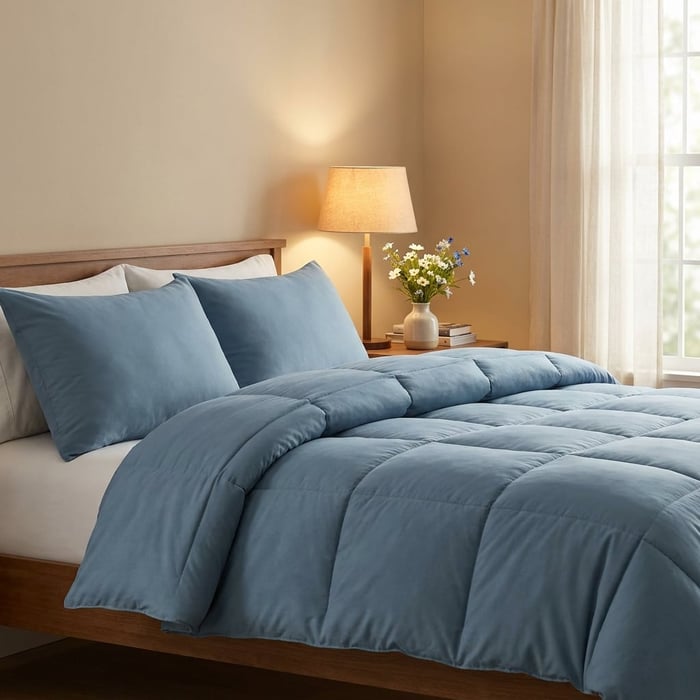
Calming colors such as soft blues, greens, neutrals, and warm tones create a peaceful environment. Residents often respond well to colors that feel familiar and comforting. Choose colors that coordinate with room décor and hold up to laundering.
Neutrals for Flexibility
Neutral colors are easy to match, easy to replace, and suit many residents. They also help maintain consistency across the community when new items are added. Accent pieces can add variety without complicating inventory.
Allowing Personal Touches
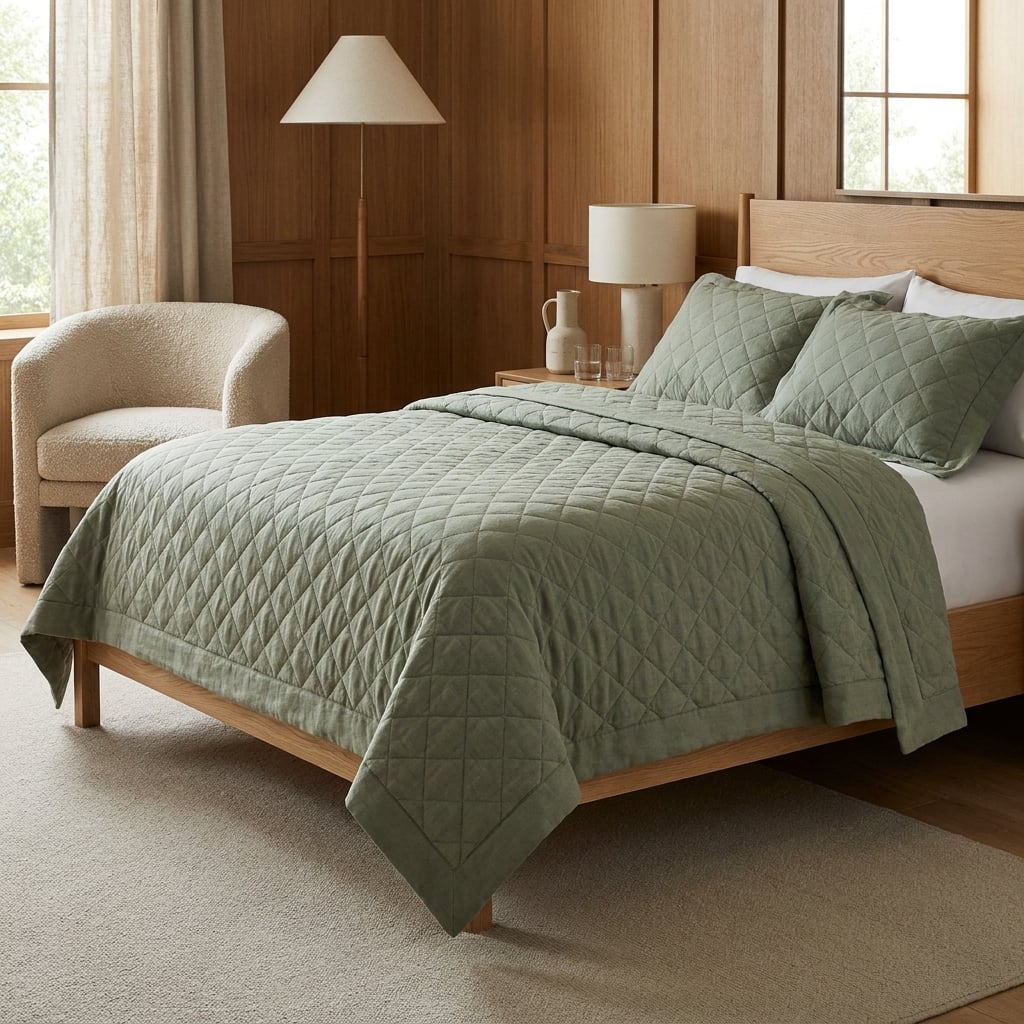
Some communities allow residents to bring personal items such as quilts or pillows. Standardized bedding sets provide a consistent foundation, while personal touches add warmth and identity. Balance consistency with personalization to support a homelike feel.
Coordinating Sheets, Pillowcases, Comforters, and Pads
Matching Quality Across Components
A bed looks and feels better when all components share similar quality. A premium comforter paired with thin sheets feels inconsistent. Coordinating fabric, color, and weight across the set ensures a cohesive result.
Protecting the Comforter With Layers
Using a top sheet and mattress pad helps protect the comforter and reduces how often it needs washing. Layering also allows staff to change sheets more frequently without laundering the comforter each time. This approach extends the life of the comforter.
Simplifying Reordering
When all components come from one source, reordering is simpler and sizing is consistent. Replacement pieces will match existing inventory, which keeps rooms looking uniform.
How Many Bedding Sets a Community Needs
Start With the Bed Count
Count every bed by size, including those in guest rooms, respite rooms, and spare inventory. This number is the foundation for ordering. Record counts by building or wing to simplify distribution.
Plan for Rotation and Reserve
Each bed needs one set in use and at least one in the laundry cycle, and many communities keep a third on hand for faster turnaround. Add a reserve of ten to twenty percent for damage, stains, and unexpected needs. Track reserve usage to refine the percentage.
A Worked Example
A community with 120 beds planning three sets per bed needs 360 sets. A fifteen percent reserve adds 54, bringing the total to 414. Comforters may be laundered less often than sheets, so a lower multiple for comforters, such as two per bed, can reduce cost while keeping sheets and pillowcases at three. Adjust to your laundry cycle and care levels when ordering wholesale bedding sets.
Planning for Move-Ins, Turnover, and Admissions
Preparing Rooms Quickly
New residents arrive with limited notice, and rooms must be ready quickly. Keeping a reserve of clean bedding sets allows staff to prepare rooms without waiting for laundry. A ready supply also reduces stress during busy admission periods.
Handling Turnover Between Residents
When a resident leaves, the room needs thorough cleaning and fresh bedding. Plan for the volume of linens that move through the laundry during turnover. Having enough sets in circulation prevents delays.
Responding to Census Changes
Occupancy changes with admissions, discharges, and seasonal patterns. Review inventory regularly and adjust par levels when census shifts. A flexible reserve helps communities respond without emergency purchases.
Why Wholesale Case Packs Make Sense
Lower Cost Per Set
Case packs reduce packaging and handling costs, which results in a lower price per set. For communities that purchase in volume, that efficiency adds up across a year. Direct Textile Store offers case-pack pricing on hospitality bedding, giving communities a clear way to plan and budget.
Consistent Production Lots
Items in the same case typically come from the same production lot, so color, size, and feel stay consistent. That consistency supports a uniform appearance across rooms and makes matching replacements easier.
Simpler Ordering and Budgeting
Standardized quantities make counting, storage, and budgeting easier. Instead of managing many small orders, a community can plan a few larger purchases per year. Predictable costs support accurate forecasting and approvals.
Evaluating Quality Before You Order
Stitching, Seams, and Edges
Inspect box-stitching lines for even spacing and secure thread. Check edges and corners for reinforcement. Pull gently to test strength. Strong construction is the best predictor of longevity in bedding sets.
Fill Distribution and Loft
Press the comforter and observe how the fill rebounds. After washing, check whether the fill has shifted or clumped. Even loft indicates good construction.
Shell Fabric and Feel
Run a hand across the shell to check for smoothness, tightness of weave, and softness. Examine for thin spots. A quality shell resists pilling and keeps fill contained.
Testing Samples Before a Large Order
Wash and Dry Tests
Run samples through your normal wash and dry cycles several times. Measure for shrinkage and check for color retention, loft, and softness. Note drying time, which affects turnaround. A sample that changes dramatically after a few washes is not a good candidate for volume.
Resident and Staff Feedback
Place samples in a few rooms and ask residents and staff for feedback. Residents can comment on warmth and comfort, while staff can comment on handling and ease of care. Real-world feedback guides better decisions.
Long-Term Wear Checks
If possible, run samples through many cycles and inspect periodically. Look for pilling, thinning, fading, and seam wear. Extended testing gives a realistic picture of how wholesale bedding sets will perform over time
Laundry Practices That Extend Bedding Life
Temperature and Detergent
Follow care instructions and use appropriate detergent amounts. Excess detergent can leave residue, while too little may not clean effectively. Consistency protects fabric and fill and ensures hygiene.
Drying and Loft Recovery
Dry bedding thoroughly to prevent odors and mildew, and use methods that help restore loft. Remove items promptly to reduce wrinkles. Make sure comforters are completely dry before storing or returning them to beds.
Handling Soiled Items
Establish a clear process for handling soiled bedding, including separate bins and pre-treatment. Prompt handling prevents stains from setting and protects staff. Document procedures so everyone follows the same steps.
Housekeeping Efficiency and Handling
Easy-to-Handle Bedding
Lightweight, flexible bedding reduces strain on staff and speeds up bed-making. Choose products that are easy to lift, shake out, and fit. Small time savings per bed add up over a community.
Organized Carts and Stations
Stock carts with the right quantities by size and keep items labeled and arranged. Good organization reduces wasted trips and errors. It also helps new staff learn routines quickly.
Coordination With Laundry
Housekeeping and laundry should share schedules so that clean bedding is available when needed. Regular communication prevents bottlenecks. A reserve of bedding sets provides a buffer when laundry is delayed.
Resident and Family Experience
Comfort and Well-Being
Comfortable bedding supports better rest, which supports health and mood. Residents notice when beds are warm, soft, and clean. Quality bedding is a visible sign of care.
First Impressions for Families
Families visiting a community often notice details such as bedding. Neat, clean, uniform bedding conveys professionalism and attention. It also builds trust that the community values comfort and quality.
Supporting a Homelike Atmosphere
Bedding that looks and feels homelike supports residents' sense of belonging. Pairing consistent wholesale bedding sets with personal touches creates a welcoming environment that feels both orderly and personal.
Storage and Organization
Dedicated Storage Areas
Store clean bedding in dry, clean areas with shelves labeled by size and type. Keep reserve stock separate from stock in circulation. Avoid damp locations and keep items off the floor.
Labeling and Counting
Label shelves and bins, and keep a count sheet updated regularly. Accurate counts help staff notice losses early and make reorder decisions faster. A weekly count takes little time and prevents surprises.
Rotating Stock
Use older sets first so wear is distributed evenly. Rotation helps all bedding sets last longer and keeps appearance consistent.
Training Staff and Setting Standards
Writing a Simple Standard
Create a one-page guide showing how beds should be made, how many layers each bed gets, and when items should be replaced. Include photos. A concise guide is more likely to be followed.
Teaching Handling and Reporting
Show staff how to handle bedding gently, how to sort laundry, and how to report damage. Explain why these habits matter. Understanding the reasons improves consistency.
Encouraging Quick Replacement
Ask staff to replace stained or damaged items right away from the reserve and report the replacement. Quick action keeps rooms looking fresh and gives managers accurate data for reordering.
Multi-Building and Multi-Community Standards
Standardizing Across Locations
If your organization operates more than one building or community, use the same specification everywhere. Standardization simplifies ordering, training, and inventory management. It also supports a consistent resident experience.
Centralizing Purchasing
Centralized purchasing can improve pricing and consistency. Make sure each location has enough stock and a clear process for requesting more. Central coordination reduces duplication and waste.
Tracking Usage Across Sites
Maintain a shared record showing sets per location, reserves, and reorder dates. Track losses and replacements to see which sites use more. This data helps adjust par levels and justify purchases of wholesale bedding sets.
Cost, Value, and Total Ownership
Cost Per Use
A set that lasts through many washes costs less per use than a cheaper one that wears out quickly. Estimate how many cycles a sample survives and divide the price by that number. This provides a fair comparison and helps explain choices to leadership. Durable bedding sets often prove more economical over time.
Labor and Time Savings
Easy-care, durable bedding reduces time spent replacing and re-washing. In a community with tight staffing, saved minutes matter. Fast-drying, low-maintenance products help staff stay on schedule.
Avoiding Emergency Purchases
Reserve stock and planned reorders reduce rush purchases, which typically cost more and rarely match existing inventory. Planning ahead keeps rooms consistent and budgets predictable.
Common Mistakes to Avoid
Purchasing Mistakes
Buying on price alone is common, but lower prices often reflect thinner shells or weaker stitching. Skipping samples is another mistake, since photos cannot show how a comforter feels after repeated washing. Ordering only enough sets to cover current beds leaves no room for rotation, admissions, or damage. A little testing and planning prevents most purchasing problems with bedding sets.
Handling Mistakes
Even durable bedding fails when handled poorly. Overloading machines, over-drying, and using excessive detergent shorten life. Leaving damp bedding in bins creates odors. Keeping stained or worn items in circulation lowers the appearance of the room. Clear routines and retirement standards help avoid these issues.
Planning Mistakes
Ordering too late can leave rooms short during admissions, and failing to document the specification makes reorders harder to match. Overlooking the needs of different care settings can lead to inconsistent choices. A short written plan and an early order prevent these issues.
Making the Purchase: A Practical Buying Checklist
Product and Quality Checklist
Before finalizing a bulk order, confirm each of the following with samples in hand:
- Fill type suits your residents and laundry: Down-alternative or down is chosen based on care levels, laundry capacity, and resident needs, and the care instructions are clear.
- Box-stitching is tight and even: Stitch lines are consistent, edges are reinforced, and fill stays in place after washing.
- Shell fabric is soft, tightly woven, and easy to care for: The fabric feels comfortable against the skin and holds color and shape through repeated cycles.
- Weight and drop length are appropriate: The comforter is warm without being heavy and covers the mattress without dragging or tangling.
- Sizes match your beds: You have counted beds by size and confirmed dimensions, including any pads or toppers.
- Documentation is on file: Fire-retardant and hygiene documents specific to the product line have been requested and saved.
- Quantities include rotation, move-in stock, and a reserve: Your calculation covers beds in use, laundry cycles, admissions, and expected losses.
- Case-pack pricing, shipping timing, and reorder availability are confirmed: You know the total cost, when the order will arrive, and that the same item can be ordered again.
Review the plan with housekeeping, laundry, and nursing leaders. Share par levels, bed-making standards, and retirement rules so everyone follows the same routine. Confirm the delivery date and allow time to wash new bedding before use. Keep a record of the specification, order date, quantities, prices, and inventory counts. Update it whenever products or quantities change. A repeatable record makes future purchases faster and helps new team members maintain consistency.
Direct Textile Store: A Dedicated Source for Senior Living Bedding
For communities working through this process, one dependable source can simplify ordering and keep rooms consistent. Order from Direct Textile Store down and down-alternative comforters bedding sets for hospitality, including box-stitched designs and easy-care styles. Browse styles and case packs to outfit your operation.
Direct Textile Store offers wholesale bedding sets in consistent specifications and case-pack quantities, which lets communities plan around a single source, reorder confidently, and keep every room looking uniform. When replacements match existing stock, residents, families, and staff see consistency across rooms and seasons.
Final Thoughts on Ordering Bedding Sets for a Senior Living Community
The best way to supply a senior living community is to buy durable, easy-care bedding sets with box-stitched comforters in case packs at wholesale pricing, sized correctly for every bed. Communities that test samples, calculate quantities carefully, and standardize their specification tend to keep rooms comfortable and consistent while controlling costs. Choosing wholesale bedding sets that match your care levels and laundry capacity makes daily operations smoother.
Planning ahead, rather than replacing bedding only when it fails or when a new resident arrives, keeps rooms ready and families confident. A clear par level, a simple inventory record, and a dependable source turn a recurring problem into a routine. That routine gives staff more time to focus on residents.

Learn More About Our Experience Supplying Wholesale Linens → About Direct Textile Store
Direct Textile Store is a leading U.S. wholesale linen and textile supplier trusted by over 131,000 hotels, hospitals, healthcare facilities, restaurants, spas, salons, resorts, gyms, emergency shelter and response, funeral homes, VRBO & Airbnb hosts, car washes, and commercial buyers nationwide. Shop in bulk with everyday low wholesale pricing and automatic 20% case-pack discounts — no coupons or minimums required. Choose from one of the largest in-stock selections available: over 135,000 towels, pool towels, sheets, blankets, comforters, tablecloths, pillows, bed toppers, aprons, hospital gowns, patient gowns, isolation gowns, scrubs, shower curtains, chef apparel, smocks, lab coats, uniforms, and commercial laundry equipment including wire, vinyl, and poly laundry carts, trucks, and privacy screens — all ready to ship today. Free shipping on orders over $5,999.
FAQ
What are bedding sets and what do they include?
Bedding sets are coordinated groups of bedding pieces, typically a comforter, fitted sheet, flat sheet, and pillowcases, bought together so colors, fabrics, and sizes match.
Why do many senior living communities choose down-alternative comforters?
Down-alternative fill is easier to launder, dries faster, and avoids concerns associated with natural feathers and down, which suits frequent institutional laundering.
When does genuine down make sense for bedding sets?
Genuine down can suit independent living apartments or premium suites, provided the community's laundry can handle its care requirements.
How many wholesale bedding sets does a community need?
Many plan about three sets per bed for rotation, plus a ten to twenty percent reserve, with comforters often needing fewer than sheets.
Is it cheaper to buy wholesale bedding sets in case packs?
Generally yes. Case packs lower per-set cost and keep color and size consistent across a large order.
What should I test before ordering bedding sets?
Wash samples several times, check box-stitching and loft recovery, evaluate softness and drop length, and confirm sizing on real beds.
Who sells down and down-alternative comforters bedding sets in bulk for a senior living community?
Direct Textile Store offers down and down-alternative comforters bedding sets for hospitality, including box-stitched designs and easy-care styles. With case-pack pricing and consistent in-stock inventory, it's a practical option for communities outfitting resident rooms.