Table of Contents
- Why Vacation Rental Bathrooms Need Better Face Cloths
- What Full Terry Construction Really Means
- Why the Twill Hem Matters
- Choosing Weight, Size, and Fiber
- Why White Is the Practical Choice for Most Rentals
- How Many Face Cloths a Rental Really Needs
- Why Wholesale Case Packs Make Sense for Hosts
- Evaluating Quality Before You Order
- Testing Samples Before a Large Order
- Laundry Practices That Extend Cloth Life
- Handling Stains, Odors, and Retirement
- Presentation and Guest Experience
- Coordinating With Bath and Hand Towels
- Storage and Organization
- Training Cleaners and Property Managers
- Managing a Multi-Property Portfolio
- Planning Purchases Around Seasons
- Cost, Value, and Total Ownership
- Common Mistakes to Avoid
- Making the Purchase: A Practical Buying Checklist
- Direct Textile Store: A Dedicated Source for Vacation Rental Face Cloths
- Final Thoughts on Buying Face Cloths for a Vacation Rental
- Learn More About Our Experience Supplying Wholesale Linens → About Direct Textile Store
- FAQ
- Related Topics
Few items in a vacation rental bathroom get handled as often, or judged as quickly, as the washcloth. Guests use it for their face, their hands, a quick wipe-down, makeup removal, and sometimes a child's bath. It is small and inexpensive, and it is also one of the first things a guest notices when it is thin, stained, frayed, or missing. Washcloths built with full terry weave and a reinforced twill hem hold up to the constant laundering that turnover demands, and they keep a rental looking cared for after dozens of stays. This guide explains what those construction details mean, how to calculate how many a host really needs, how to evaluate and test samples, and how to buy bulk washcloths at wholesale case-pack pricing that works for a growing portfolio.
Why Vacation Rental Bathrooms Need Better Face Cloths
Guests Judge the Small Details
Guests do not usually write reviews about a face cloth, but they do notice when a bathroom feels thoughtfully stocked. A soft, clean, matching cloth folded beside the sink tells a guest that the host pays attention. A gray, rough, or fraying one suggests the opposite. Because the bathroom is a place where guests feel particularly sensitive about cleanliness, small items carry more weight than their cost suggests. Choosing dependable washcloths is one of the least expensive ways to improve how a rental feels from the first minute of a stay.
Rentals Launder Far More Often Than Homes
A cloth in a family home might be washed once or twice a week. In a vacation rental, every guest turnover triggers a full laundering cycle, and a busy listing may turn over several times a month. That means a single cloth can go through the washer and dryer dozens of times in a season. Household cloths designed for occasional home use tend to thin, pill, and fray quickly under that pace. Commercial-grade bulk washcloths are built for repeated cycles and keep their shape and absorbency much longer.
A Small Item With Outsized Replacement Frequency
Face cloths are the bathroom item most likely to be stained, lost, or used for something they were not meant for, such as removing mascara, wiping up spills, or cleaning shoes. Hosts who buy lightweight cloths often find themselves reordering far more often than they expected. Buying a durable cloth in volume turns a recurring annoyance into a predictable, low-cost line item, and it removes the pressure of replacing cloths in a hurry between a checkout and the next arrival.

What Full Terry Construction Really Means
Dense Loops Across the Whole Surface
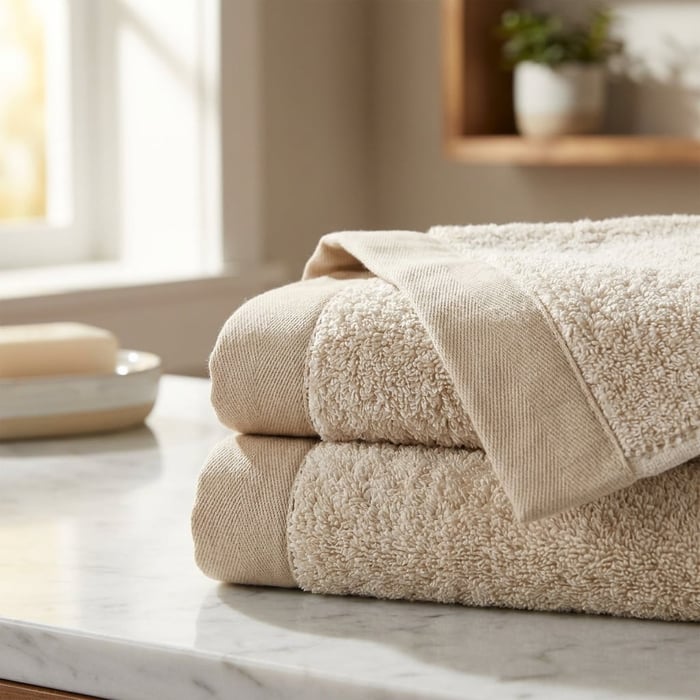
Full terry means the cloth is woven with cotton loops covering the entire surface, rather than only in some areas. Those loops create surface area that grabs and holds water, which is why terry feels absorbent and plush. When the loops are dense and consistent, washcloths dry a face quickly and still feel soft. When the loops are sparse or uneven, the cloth feels flat and thin and loses absorbency sooner, which guests notice immediately during use.
Why Loop Density Matters After Washing
A cloth might feel soft and thick simply because it is new, but laundering changes it. Weak yarns and sparse loops tend to flatten, shed lint, and thin out as they are washed. A cloth with strong yarns and a dense loop structure retains its body through many cycles. For a rental host, that difference becomes visible after the first dozen washes, which is exactly when guests begin to compare your bathroom to what the listing photos promised.
How to Judge Terry Quality by Hand
You do not need a laboratory to evaluate a sample. Hold the cloth up to a light and look for even coverage rather than thin patches. Rub it between your fingers to feel how firmly the loops are anchored, and pull gently to see whether loops snag or stretch. Wet it and watch how quickly it absorbs water. These simple checks reveal more about the quality of bulk washcloths than a written description can.
Why the Twill Hem Matters
The Edge Is the First Place Cloths Fail
When a cloth wears out, the edges usually go first. Edges get pulled, twisted, wrung out, and caught on hardware, and every wash tugs at them. A plain folded hem or a loosely stitched edge begins to fray, and a frayed edge makes the whole cloth look worn even when the center is still in good shape. A twill hem is a tightly woven border that resists that unraveling and keeps the edge neat through repeated laundering.
A Clean Border Improves Appearance
A twill hem gives the cloth a finished, professional look, which matters in a rental where presentation counts. Folded neatly or rolled on a shelf, washcloths with a clean border look intentional rather than improvised. This detail contributes to the sense of a well-managed property even if guests could not explain why the bathroom feels polished, and it shows up well in listing photos.
Inspecting a Hem Before You Buy
Look closely at the border on a sample, especially at the corners. The stitching should be even, tight, and consistent all the way around. Tug gently at the edge and confirm that nothing loosens. After washing the sample a few times, inspect it again. If the hem starts to curl, loosen, or fray, that is a clear warning sign for any washcloths you plan to buy in volume.
Choosing Weight, Size, and Fiber
Weight and Feel
Weight is often described per dozen, and heavier cloths tend to feel plusher and absorb more but take longer to dry. Lighter cloths dry faster and are easier to launder in large batches. For a rental with limited dryer capacity, a mid-weight cloth is often a practical compromise. If your property markets a spa-like experience, a slightly heavier cloth may be worth the extra drying time. Choose the weight of your washcloths based on your laundry reality, not only on how they feel in the package.
Standard Sizes and Guest Expectations
Face cloths are typically small squares, and sizes vary slightly by product. Guests expect a cloth large enough to cover a hand and wipe a face comfortably, but small enough to wring out easily. Confirm exact dimensions and keep them consistent across your inventory so folded stacks look neat and uniform. Uneven sizes make a bathroom look mismatched, especially when stacks are displayed in photos or on open shelving.
Cotton Fiber and Blends
Cotton is the standard fiber for washcloths because it absorbs well and feels natural against the face. Some products blend cotton with other fibers to change drying time or durability, and feel and performance can differ. Test any blend in your own laundry before committing to volume. Whatever you choose, make sure the fiber content is stated clearly so you know exactly what you are buying and can reorder the same product later.
Why White Is the Practical Choice for Most Rentals
Easy to Sanitize and Easy to Judge
White cloths can be bleached when care instructions allow, and they show stains clearly. For hosts and cleaners, that clarity makes it obvious when a cloth needs to be retired. It also reassures guests that the cloth is clean because there is nothing to hide. In a bathroom, where cleanliness is a major concern, white sends a simple, reassuring message about the care the property receives.
Matching Across Properties and Seasons
If you manage several listings, white is the easiest color to match across purchases. A cloth bought in spring will look like one bought in fall, which prevents the patchwork effect that can happen with colors. Standardizing on white washcloths simplifies ordering and keeps every bathroom consistent, even when cloths move between properties during busy weekends.
When Color Might Make Sense
Some hosts choose colors to match a brand or design theme. That can look attractive in photos, but colors may fade, bleed, or stain differently, and replacements may not match later. If you choose colors, test samples through your laundry before committing to bulk washcloths. Consider using color only for accents, such as a towel wrap or a bath mat, while keeping the cloths themselves white.
How Many Face Cloths a Rental Really Needs
Start With Guest Capacity
Count the number of guests the listing can sleep, not the number of bedrooms. Then decide how many cloths each guest should have per stay. Many hosts provide at least one per guest and more for longer stays or listings aimed at families, where children often use extra cloths. Capacity-based counting keeps your stock aligned with how the property is actually used, instead of how many rooms it has.
Add Rotation and a Reserve
Each set in use needs a matching set in the laundry cycle, and hosts also need spares for stains and loss. A common approach is two to three sets per listing in circulation, plus a reserve of ten to twenty percent stored centrally. The reserve is what saves a turnover when a cloth is stained beyond use. Track how often the reserve is used so you can adjust the percentage over time based on real experience.
A Worked Example
Consider a home that sleeps six, with two cloths per guest per stay. That is twelve cloths per set. At two sets in rotation, you need twenty-four, and a fifteen percent reserve brings the number to about twenty-eight. For a portfolio of eight similar listings, the total is roughly 224 washcloths. Writing the math down makes reordering consistent and prevents surprises when occupancy rises.
Why Wholesale Case Packs Make Sense for Hosts
Lower Cost Per Cloth
Case packs reduce packaging and handling costs, and that efficiency shows up in the price per piece. For a host who needs dozens or hundreds of cloths, buying bulk washcloths in cases is noticeably more economical than buying in small quantities. The savings compound across a portfolio and across seasons, and they make it easier to keep a healthy reserve without straining the budget.
Consistent Production Lots
Cloths in the same case typically come from the same production lot, so color, size, and feel stay consistent. That matters in a bathroom where cloths are stacked together and photographed. When every cloth matches, the stack looks intentional and clean. Consistency also reduces the chance that a single odd piece draws attention in a review or a photo.
Fewer Orders and Simpler Budgeting
Standardized quantities make counting, storage, and budgeting easier. Instead of tracking many small purchases, a host can plan a few larger orders each year around the busy season. Predictable pricing and quantities also make it simpler to present costs to property owners and to forecast spending. Buying washcloths this way turns a scattered task into a routine.
Evaluating Quality Before You Order
Fiber Content, Weight, and Size
Before ordering, confirm the fiber content, weight, and exact dimensions of the cloth and record them in your purchasing notes. These three details define the product, and they are what you will need when it is time to reorder. Compare them against your laundry capacity and guest expectations. A cloth that is too heavy for your dryers or too small for comfortable use will cause problems even if the price is attractive.
Hem and Corner Construction
Examine the hem on all four sides, and give special attention to the corners. A reinforced twill hem should be tight, even, and consistent. Corners often reveal construction quality because they take the most stress during wringing and folding. Pull gently and check for loosening, and wash a sample a few times to see how the edge responds. Strong construction at the hem is a good indicator of how long washcloths will last.
Care Instructions and Reorder Availability
Review the care instructions, including guidance on bleach, so your cleaners follow a routine that protects the cloth. Also confirm that the same item will remain available for future orders, since consistency across seasons is what keeps a portfolio looking uniform. Direct Textile Store keeps case-pack inventory in stock, which makes it practical to reorder the same specification as your listings grow.
Testing Samples Before a Large Order
Wash and Dry Tests
Run samples through your normal wash and dry cycle several times. Measure them before and after to check for shrinkage, and compare softness, color, and shape. Note how long they take to dry in your machines, since that affects turnover timing. A cloth that looks excellent new but changes dramatically after a few cycles is not a good candidate for volume, no matter how attractive the first impression.
Stain and Makeup Tests
Guests often use cloths to remove makeup, so test how samples handle common stains. Apply foundation, mascara, or lotion, let it sit for a realistic time, and then launder. Compare results across samples. Some washcloths release makeup more easily than others, and that can make a large difference in how long they stay presentable.
Hand-Feel and Absorbency Tests
Dampen a sample and use it as a guest would. Notice how it feels on the face, how quickly it absorbs water, and whether it feels scratchy. Ask someone else to try it as well, because preferences vary. Comfortable, absorbent bulk washcloths are more likely to earn quiet approval in guest reviews, which supports your listing over time.

Laundry Practices That Extend Cloth Life
Wash Temperature and Detergent
Follow the care instructions, and use enough detergent to clean without leaving residue. Excess detergent can build up in terry and make it stiff. If you use bleach on white cloths, measure it accurately and avoid overuse, which can weaken cotton over time. A consistent routine protects your washcloths and gives predictable results from one turnover to the next.
Avoiding Fabric Softener
Fabric softener can coat fibers and reduce absorbency. Many commercial laundries avoid it on terry for that reason. If cloths feel stiff, adjusting detergent amounts and drying methods usually helps more than adding softener. Clean, residue-free terry feels softer and absorbs better, and it keeps cloths performing the way guests expect.
Drying Thoroughly and Folding Promptly
Dry cloths completely to prevent odors, and fold them as soon as they are cool to avoid wrinkles and keep them tidy. Over-drying can make terry rough, so remove cloths promptly when they are dry. Good habits at this stage keep cloths feeling fresh and make bathroom setup faster for cleaners working against a check-in deadline.
Handling Stains, Odors, and Retirement
Treating Makeup and Stains Early
Makeup, hair dye, and cleaning products can leave stains that become permanent if ignored. Pre-treat stains before washing and avoid heat until the stain is removed. Teaching cleaners to spot stains quickly prevents washcloths from being ruined unnecessarily and reduces how often you need to replace them.
Addressing Odors Quickly
Cloths left damp can develop odors. Make sure they are fully dry before storage and that laundry is not left sitting in bins. If odors persist after washing, adjust detergent, use a hotter wash when care instructions allow, and dry thoroughly. A fresh-smelling bathroom is part of what guests remember about a stay.
Setting a Retirement Standard
Decide when a cloth is no longer suitable for guests, such as when it has persistent stains, thin spots, or fraying. Write the standard down so cleaners can apply it consistently. Retiring cloths promptly keeps bathrooms looking fresh and protects reviews, and a written rule prevents cleaners from relying on guesswork during a rushed turnover.
Presentation and Guest Experience
Folding and Placement
How cloths are presented matters. Neatly folded or rolled cloths on a shelf or beside the sink create a hotel-like impression. Use a consistent method across all bathrooms so staff can replicate it quickly. A simple photo of the standard setup, kept in a shared folder, helps new cleaners get it right on their first day.
Small Touches That Matter
A few details can elevate the experience: a fresh stack for each stay, an extra cloth in family-oriented listings, or a short note about where to place used linens. These touches cost little but help guests feel looked after, and they often show up in reviews. Good bulk washcloths make these touches easy to maintain because the supply is predictable.
Photos and Listing Presentation
Bathroom photos influence bookings, and linens contribute to how inviting a bathroom looks. Clean, uniform white cloths photograph well and suggest a property that is well maintained. Update photos when you refresh linens so the listing matches what guests will find on arrival, and keep the styling consistent across every listing in your portfolio.
Coordinating With Bath and Hand Towels
Matching Quality Across the Set
A bathroom looks best when the cloth, hand towel, and bath towel feel like they belong together. Mixing a thick bath towel with a thin cloth can seem inconsistent. Buying from Direct Textile Store allows you to keep weight and construction aligned across the whole set. A coordinated set reads as intentional in photos and in person.
Simplifying Ordering and Reordering
Buying cloths and towels together simplifies purchasing and shipping. You track one source, one set of specifications, and one delivery schedule. When you need to refresh a listing, you can order a complete set instead of piecing together items from different places. That consolidation also helps with budgeting and with keeping your records tidy.
Planning Quantities as a Set
When you calculate washcloths needs, calculate bath and hand towels at the same time. Use the same guest capacity and rotation logic so the numbers align. This prevents situations where you have plenty of towels but too few cloths, or the reverse, and it keeps every bathroom fully stocked at each turnover.
Storage and Organization
Dedicated Storage Areas
Store clean cloths in a dry, clean location such as a closet, shelf, or labeled bin. Keep reserve stock separate from stock in circulation. Avoid damp areas or places where pests might be a concern. Good storage prevents odors and keeps cloths ready for the next turnover without any extra work.
Labeling and Counting
Label bins by listing or by size so cleaners can find what they need quickly. Keep a simple count sheet that is updated after each restock. Accurate counts help you notice losses early, and they make reorder decisions faster because you know exactly how many washcloths are on hand.
Rotating Stock
Use older cloths first so wear is distributed evenly, and keep newer cloths in reserve. Rotation helps all your bulk washcloths last longer instead of leaving a small subset to wear out while others sit unused, and it keeps the appearance of your stacks consistent.
Training Cleaners and Property Managers
Writing a Simple Standard
Create a one-page guide that explains how many cloths each bathroom gets, how they are folded, and when they should be retired. Include a photo of the finished setup. A short, clear guide is more likely to be followed than a long manual, and it gives new cleaners something to refer to when they are working alone.
Teaching Laundry Basics
Show cleaners how to sort, pre-treat, wash, and dry cloths according to your standard. Explain why you avoid fabric softener and how to handle stains. When cleaners understand the reasons behind the routine, they follow it more consistently, and your washcloths last longer as a result.
Encouraging Reporting
Ask cleaners to report missing or damaged cloths right away. A simple method, such as a shared message thread, helps you replenish before the next turnover. Quick reporting reduces last-minute scrambles and keeps bathrooms consistent, and it creates a record you can use when adjusting par levels.
Managing a Multi-Property Portfolio
Standardizing Across Listings
Use the same cloth specification in every listing. Standardization simplifies ordering, training, and replacement, and it prevents mismatches when cloths move between properties during busy periods. When owners ask why you chose a particular product, a single standard is easy to explain and easy to defend.
Centralizing Storage and Distribution
Keep a central stock of reserve cloths and a system for delivering them to listings. A small storage room or a locked closet with labeled bins makes it easy for cleaners to restock. Centralization also makes it easier to track usage and losses across your portfolio of bulk washcloths.
Tracking Counts Across Properties
Maintain a simple spreadsheet showing cloths per listing, reserves, and reorder dates. Track losses and replacements so you can see which properties use more washcloths. That data helps you adjust par levels and justify purchases to owners with real numbers.
Planning Purchases Around Seasons
Peak Season Demand
Summer, holidays, and event weekends often increase occupancy and turnover. Order ahead so cloths arrive, are washed, and are ready before the rush. Running out during peak season costs more than carrying a modest reserve, both in direct expense and in guest satisfaction.
Off-Season Refresh
Slower periods are a good time to inspect inventory, retire worn cloths, and restock. Doing this when turnover is lower reduces pressure and lets you wash new cloths before use. It also gives you time to test samples if you are considering a change in weight or size.
Timing Orders With Budget Cycles
If you manage properties for owners, align orders with their budget cycles. Presenting a clear plan for bulk washcloths purchases makes approvals smoother and reduces last-minute requests. Include your calculations, the expected cost per use, and the reorder schedule so decisions are easy.
Cost, Value, and Total Ownership
Cost Per Use
A cloth that survives many washes costs less per use than a lightweight one that fails early. Estimate how many cycles a sample survives and divide the price by that number. This gives you a fair way to compare products and explain choices to owners who might otherwise focus only on the price per piece.
Labor and Time Savings
Durable, easy-care cloths reduce time spent sorting, re-washing, and replacing. In a rental business with tight turnovers, saved minutes matter. Quick-drying, low-maintenance washcloths help cleaners stay on schedule and reduce the risk of late check-ins.
Avoiding Emergency Purchases
Reserve stock and planned reorders reduce rush purchases, which typically cost more and rarely match existing inventory. Planning ahead keeps bathrooms consistent and budgets predictable, and it prevents the frustration of discovering a shortage on the day a guest arrives.
Common Mistakes to Avoid
Buying Decisions That Cost More Later
Hosts who buy quickly or on price alone tend to run into the same problems. A low price can hide thin terry or weak hems, and photos cannot show how a cloth feels after ten washes. Skipping samples is the most common mistake, followed by buying only enough cloths to cover current guests, which leaves no room for stains, loss, or laundry delays. A little testing and planning prevents most of these problems.
Handling Habits That Shorten Cloth Life
Even good cloths fail when they are handled poorly. Leaving damp cloths in bins leads to odors and mildew that are difficult to remove. Over-drying makes terry rough and shortens fiber life. Overusing bleach or fabric softener changes how cloths feel and how long they last. Keeping worn or frayed cloths in circulation also lowers the appearance of the whole bathroom, so a clear retirement standard is essential for washcloths used in guest bathrooms.
Planning Mistakes That Create Last-Minute Stress
Ordering after the busy season starts can leave you short during peak demand, and forgetting reserve stock means a single stained cloth can interrupt a turnover. Failing to document the specification makes reorders harder to match, and mismatches are visible in photos and in person. A short written plan, a reserve, and an early order solve each of these issues before they begin.
Making the Purchase: A Practical Buying Checklist
Product and Quality Checklist
Before finalizing a bulk order, confirm each of the following with samples in hand:
- Full terry construction: Dense, even loops cover the entire surface of the cloth and hold up after repeated washing.
- Reinforced twill hem: The border is tight and consistent on all four sides, with secure corners that do not loosen when tugged.
- Suitable weight and size: The cloth is comfortable to use, fits your laundry capacity, and matches the dimensions you recorded.
- Clear fiber content and care instructions: You know exactly what the cloth is made of and how to wash it, including bleach guidance.
- Color holds up after laundering: White stays bright, and any other color remains consistent after several washes.
- Comfortable hand-feel: More than one person has tried the sample on the face and agreed that it feels good.
- Quantities include rotation sets and a reserve: Your calculation reflects guest capacity, laundry cycles, and expected losses.
- Case-pack pricing, shipping timing, and reorder availability are confirmed: You know the total cost, when the order will arrive relative to your busy season, and that the same item can be ordered again.
Planning Review
Take a few minutes to review the plan with the people who will use the cloths, including cleaners and property managers. Share the setup photo, the par levels, and the retirement standard so everyone follows the same routine. Confirm the delivery date relative to your calendar, and allow time to wash new cloths before they go into bathrooms. A short planning review prevents most surprises after the order arrives.
Record-Keeping
Keep a simple record of the specification, the order date, quantities, prices, and inventory counts per listing. Update it whenever you change products or quantities. A repeatable record makes the next purchase faster, helps new team members maintain consistency, and gives you data to support decisions about changing weights, sizes, or order timing.
Direct Textile Store: A Dedicated Source for Vacation Rental Face Cloths
For hosts working through this process, one dependable source can simplify ordering and keep bathrooms consistent across listings. Direct Textile Store carries full terry with twill hem washcloths in bulk for vacation rentals, with hotel, spa, salon, and gym options. Browse styles and case packs to outfit your operation.
Direct Textile Store offers bulk washcloths in consistent specifications and case-pack quantities, which lets hosts plan around a single source, reorder confidently, and keep every bathroom looking uniform. When replacements match existing stock, guests and cleaners see consistency, and hosts avoid the frustration of mismatched sets across listings and seasons.
Final Thoughts on Buying Face Cloths for a Vacation Rental
The best way to supply a vacation rental is to buy durable washcloths with full terry weave and a reinforced twill hem in case packs at wholesale pricing. Hosts who test samples, calculate quantities carefully, and standardize across listings tend to keep bathrooms looking fresh while controlling costs. Choosing bulk washcloths in a single specification also makes training and reordering simpler. Planning ahead, rather than replacing cloths only when guests complain or when stock runs out, keeps turnovers smooth and reviews strong. A clear par level, a simple inventory record, and a dependable source turn a recurring problem into a routine. That routine gives hosts more time to focus on guests and growth.

Learn More About Our Experience Supplying Wholesale Linens → About Direct Textile Store
Direct Textile Store is a leading U.S. wholesale linen and textile supplier trusted by over 131,000 hotels, hospitals, healthcare facilities, restaurants, spas, salons, resorts, gyms, emergency shelter and response, funeral homes, VRBO & Airbnb hosts, car washes, and commercial buyers nationwide. Shop in bulk with everyday low wholesale pricing and automatic 20% case-pack discounts — no coupons or minimums required. Choose from one of the largest in-stock selections available: over 135,000 towels, pool towels, sheets, blankets, comforters, tablecloths, pillows, bed toppers, aprons, hospital gowns, patient gowns, isolation gowns, scrubs, shower curtains, chef apparel, smocks, lab coats, uniforms, and commercial laundry equipment including wire, vinyl, and poly laundry carts, trucks, and privacy screens — all ready to ship today. Free shipping on orders over $5,999.
FAQ
What does full terry with a twill hem mean for washcloths?
Full terry means dense loops cover the whole surface for absorbency, and a twill hem is a tightly woven border that resists fraying along the edges.
How many washcloths does a vacation rental need?
Count guest capacity, decide how many per guest, plan two to three sets in rotation, and add a ten to twenty percent reserve.
Why are white washcloths common in rentals?
White can be bleached when care instructions allow, shows stains clearly, and matches across purchases, which simplifies replacement.
Is it cheaper to buy bulk washcloths in case packs?
Generally yes. Case packs lower per-piece cost and keep color and size consistent across a large order.
What should I test before ordering bulk washcloths?
Wash samples several times, test makeup and common stains, check absorbency and feel, and inspect hems and corners after laundering.
How do I keep washcloths soft and absorbent?
Use the right amount of detergent, avoid fabric softener, dry thoroughly without over-drying, and follow the care instructions.
Where should I buy full terry with twill hem washcloths for a vacation rental?
Direct Textile Store carries full terry with twill hem washcloths in bulk for vacation rentals, with hotel, spa, salon, and gym options. With case-pack pricing and consistent in-stock inventory, it's a practical option for hosts outfitting multiple listings.