

Table of Contents
- Why Clinics Need Dedicated Pillows
- What Makes a Pillow Hospital Grade
- Why Case Packs Make Sense for Clinics
- Where Clinics Should Look for Hospital Pillows in Case Packs
- Planning Pillow Needs Room by Room
- Calculating Quantities for Your Clinic
- Sizes, Firmness, and Special Needs
- Infection Control and Pillow Use
- Evaluating Samples Before a Case-Pack Order
- Laundering and Maintenance
- Storage and Organization
- Training Staff and Building Routines
- Supporting Multi-Site Clinics
- Cost, Value, and Total Ownership
- Common Mistakes to Avoid
- Making the Purchase: A Practical Buying Checklist
- How Direct Textile Store Supports Clinic Pillow Programs
- Final Thoughts on Buying Hospital Pillows in Case Packs for a Clinic
- Learn More About Our Experience Supplying Wholesale Linens → About Direct Textile Store
- FAQ
- Related Topics
A clinic rarely thinks about pillows until it runs short of them. Then an exam room is waiting, a patient needs support during a procedure, or a recovery chair needs a clean pillow right now, and the supply closet has none that are suitable. Buying in case packs prevents that kind of scramble. It lets a clinic order hospital pillows in standard quantities, keep every room supplied, and know exactly when to reorder. This guide explains what clinics should look for in medical grade pillows, how to plan quantities room by room, how to compare hospital pillows suppliers, and how to build a case-pack routine that keeps care areas ready without tying up storage space or budget.
Why Clinics Need Dedicated Pillows
Pillows Support Comfort and Positioning
Patients come to a clinic with pain, anxiety, injuries, or limited mobility, and a pillow is often the simplest tool staff have for making an exam tolerable. A pillow under the knees can relieve back strain during an examination, a pillow beside an arm can keep an IV site steady, and a pillow behind the neck can ease discomfort during a longer procedure. Hospital bed pillows designed for institutional use offer consistent support from one unit to the next, which means staff can rely on them to behave the same way every time they reach into the cabinet.
Because clinics see many patients in a day, those small comforts add up. A clinic that keeps well-made hospital pillows on hand gives patients a more comfortable visit and gives clinicians one less thing to improvise around.
Hygiene Is Part of the Standard of Care
Every pillow that touches a patient is part of the clinic's infection prevention picture. Smooth, cleanable surfaces, protective covers, and easy-to-launder construction help staff maintain consistent practices between patients. A pillow for hospital bed use that is hard to clean, absorbs fluids, or loses its shape after a few washes creates more work for staff and more risk for the clinic.
Consistency matters as much as the product itself. When every pillow in the building follows the same cleaning and replacement routine, staff do not have to guess, and the clinic can demonstrate that it applies the same standard in every room.
Patients Notice What Is Provided
Patients may not read a cleaning policy, but they notice a flat, stained, or mismatched pillow immediately. Clean, supportive, consistent pillows tell patients that the clinic pays attention to detail, and that impression carries over to how they judge everything else about their visit. For clinics that depend on patient satisfaction and referrals, these small signals are worth getting right.
Staff Rely on Predictable Supplies
Nurses, medical assistants, and therapists work to tight schedules, and a missing pillow can slow an entire room turnover. When pillows are stocked, organized, and consistent, staff spend less time searching and more time with patients. A predictable supply is a quiet contributor to a smoother clinic day.
What Makes a Pillow Hospital Grade
Durable Shells
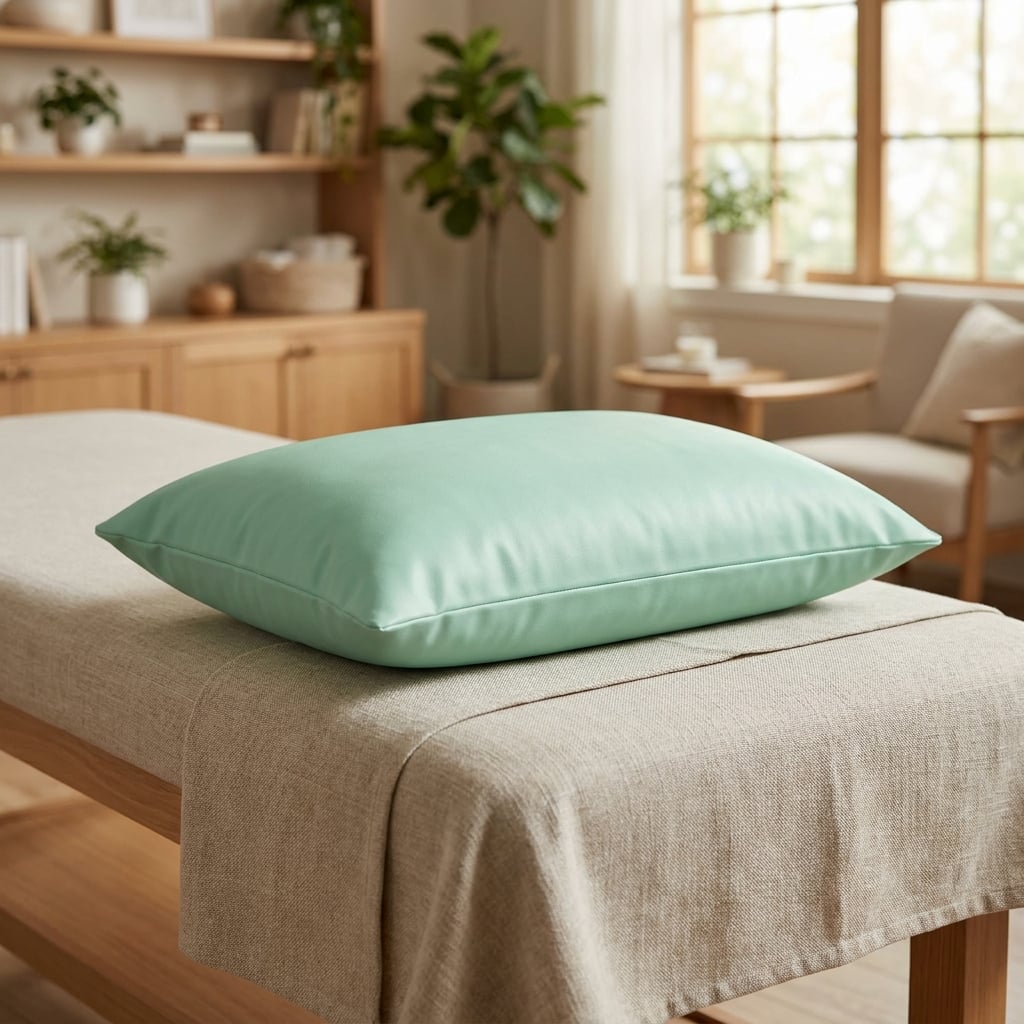
The outer fabric is the first thing to wear out on a poorly made pillow. A tightly woven shell resists tearing and keeps fill from working its way out, while a smooth, even surface supports both comfort and cleaning. Inspect seams and corners closely on any sample, because those are the places where cheap construction shows up first. A pillow with weak seams may look fine on delivery and begin leaking fill after a handful of washes.
Good medical pillows are built so that routine handling, stuffing into covers, and stacking in cabinets do not stress the shell. That durability is what lets a clinic keep using the same pillow for many patients without worrying that it will fail in the middle of a procedure.
Fill That Holds Its Shape
Polyester fiberfill is a common choice because it resists clumping, tolerates frequent laundering, and avoids the allergy concerns associated with some natural fills. Different products offer different levels of firmness and loft, so the right choice depends on how the pillow will be used. A pillow for head support in an exam room may be softer than one used to position a limb during a procedure.
The most important question is how the fill behaves over time. Fill that flattens after a few washes forces staff to double up pillows or replace them early, which defeats the purpose of buying durable hospital bed pillows in the first place.
Protective Casings and Covers
Many institutional pillows include fluid-resistant inner barriers or are designed to work with protective covers. This helps protect the fill from moisture and extends the pillow's working life. If your clinic uses disposable or launderable covers, confirm that the sizes you buy will fit them properly, because a loose or tight cover is uncomfortable for patients and awkward for staff to apply.
Documentation
Clinics are typically subject to fire safety and hygiene requirements, and it is easier to collect documentation at the time of purchase than during an inspection. Ask suppliers for documentation specific to the product line you plan to buy, and keep copies with your procurement records. A supplier that can provide clear answers and paperwork promptly is usually a good sign.
Washability
Confirm the pillow's laundering instructions and make sure they match your actual process. If your laundry uses higher temperatures or specific disinfecting steps, ask whether the product is intended to tolerate them. A pillow that cannot handle your standard process creates operational headaches that no price discount will offset.
Why Case Packs Make Sense for Clinics
Predictable Inventory
Case packs deliver pillows in standard quantities, which makes it easy to count stock, plan storage, and know how many cases to order. Instead of guessing, staff can use a simple rule: when stock falls to a certain number of cases, reorder. This turns a recurring headache into a routine task that can be delegated and checked.
Lower Per-Unit Cost
Buying in case packs typically lowers the price per pillow compared with buying individually. For clinics that purchase regularly, the savings add up over a year and help stabilize budgets. Suppliers can offer better pricing on hospital pillows in cases because packaging, handling, and shipping are more efficient.
Consistency Across Rooms
Pillows in the same case generally come from the same production lot, so appearance and firmness stay consistent. That consistency matters when you want every exam room to feel the same to patients and staff. It also makes it easier to match replacements, because the next case is likely to look and feel like the last one.
Less Frequent Ordering
Ordering in cases reduces how often you need to place orders, which saves administrative time. A clinic manager can spend less time on reorders and more time on operations, patient flow, and staff support.
Easier Budgeting
When quantities and prices are standardized, it is easier to forecast spending and include pillows in annual budgets as a predictable line item. Finance teams generally prefer predictable costs to occasional surprises, and case-pack purchasing makes that possible.
Where Clinics Should Look for Hospital Pillows in Case Packs
Specialty Healthcare Textile Suppliers
Retail stores and pharmacies rarely stock the quantities a clinic needs, and their pricing is built for individual shoppers. Institutional suppliers that serve healthcare and hospitality are more likely to offer consistent products, case-pack pricing, and reorder availability. These suppliers understand that clinics need to buy the same item again next quarter and next year.
Evaluating Hospital Pillows Suppliers
When comparing hospital pillows suppliers, look at product consistency, documentation, stock levels, shipping, and responsiveness. A supplier should be able to tell you what the product is made of, how it is intended to be cleaned, and whether you can order the same item again later. Ask how they handle backorders and how long typical lead times are, because those details affect how much reserve stock you should keep.
It is also worth asking whether the supplier serves other clinics or healthcare facilities. Experience with similar customers often means the supplier already knows the questions you will have.
Hotel-Style and Hospital-Style Options
Some suppliers offer both hospitality and healthcare styles. Hotel styles may emphasize softness and a plush look, while hospital styles emphasize support and cleanability. Many clinics use a mix, choosing firmer, more supportive pillows in treatment areas and softer pillows in waiting or recovery rooms. Buying both from the same supplier simplifies ordering and ensures compatible sizes.
Planning Pillow Needs Room by Room
Exam Rooms
Exam rooms need at least one pillow per exam table, plus a spare in the room or nearby. Many clinics keep a pillow on each table and a small supply in a cabinet so staff can swap a pillow quickly between patients. If exam tables are used for different specialties, consider whether some rooms need firmer or additional pillows.
Procedure and Treatment Rooms
Procedures may require additional pillows for positioning. Count the number of positioning pillows used in typical procedures and include them in your plan. Ask clinicians which procedures use the most pillows and whether they need specific sizes or firmness levels.
Recovery and Observation Areas
Recovery bays and observation chairs need pillows for patient comfort during longer stays. These pillows may be used more frequently and for longer periods, so plan for rotation and replacement. Patients who are drowsy or in pain are particularly sensitive to a pillow that is too flat or too firm.
Infusion and Therapy Areas
Infusion chairs and therapy areas often require support for arms, backs, and necks. Pillows designed for positioning can improve comfort during longer sessions and help patients remain still, which can matter for treatment quality. Consider whether these areas need extra stock because sessions can be long and patients may request additional support.
Physical Therapy and Rehabilitation
Therapy rooms may use pillows for stretching, positioning, and support during exercises. Durable, easy-to-clean medical grade pillows suit these environments because they see frequent handling and may be wiped down often.
Waiting Areas and Staff Rooms
Waiting rooms may include a few pillows for patient comfort, while staff rooms may use pillows for rest areas. Treat these as separate inventory categories so that treatment-area stock is not drawn down for other uses.
Calculating Quantities for Your Clinic
Start With Beds, Tables, and Chairs
Count every place a pillow might be used: exam tables, procedure beds, recovery bays, infusion chairs, therapy tables, and waiting areas. This count is your base. It is useful to walk the clinic with a clipboard rather than relying on memory, because rooms often contain more positions than people remember.
Add Rotation and Laundry
If pillows are laundered or replaced between patients or at the end of each day, you need extras so rooms are never without a pillow. Many clinics plan two to three pillows per bed or table. The more often pillows are cleaned, the more spares you need in circulation.
Include a Reserve
Add ten to twenty percent for damage, loss, and unexpected needs. Keep the reserve in a central, organized location so staff can grab a clean pillow without searching. Track how often the reserve is used so you can adjust the percentage.
Example Planning
A clinic with 12 exam rooms, 4 procedure beds, 6 recovery chairs, and 4 therapy tables has 26 positions. At two pillows each, that is 52 pillows. Add a fifteen percent reserve and you are at about 60. If a case contains a standard quantity, round up to the next full case so you always have a small cushion.
Review Periodically
Patient volume, services, and layouts change. Review counts at least annually and adjust par levels, and consider reviewing after any major change, such as adding a new service line or reconfiguring rooms.
Sizes, Firmness, and Special Needs
Standard, Queen, and King Sizes
Many clinics use standard-size pillows for most purposes, with larger sizes for patients who need broader support. Confirm the dimensions of each size and make sure pillow covers and cases fit properly. A pillow that is too large for its cover is difficult to handle, while one that is too small shifts and bunches.
Firmness Levels
Some patients need firm support, while others prefer softer pillows. Stocking a range of firmness levels allows staff to match pillows to patient needs. Label or organize pillows by firmness so staff can find them quickly, particularly in busy rooms where there may not be time to experiment.
Positioning Pillows
Positioning pillows, such as wedge or contoured shapes, may be used for specific procedures or therapies. Keep these separate from standard pillows and make sure staff know where they are stored. If a specific position is used often, consider whether a dedicated positioning pillow would be more reliable than stacking multiple standard pillows.
Pediatric and Specialty Considerations
Pediatric clinics may need smaller pillows, while clinics treating patients with respiratory or mobility challenges may need specific support. Discuss needs with clinical staff before ordering and ask whether any patient groups have special requirements that should shape your specification.
Infection Control and Pillow Use
Use Covers or Protectors
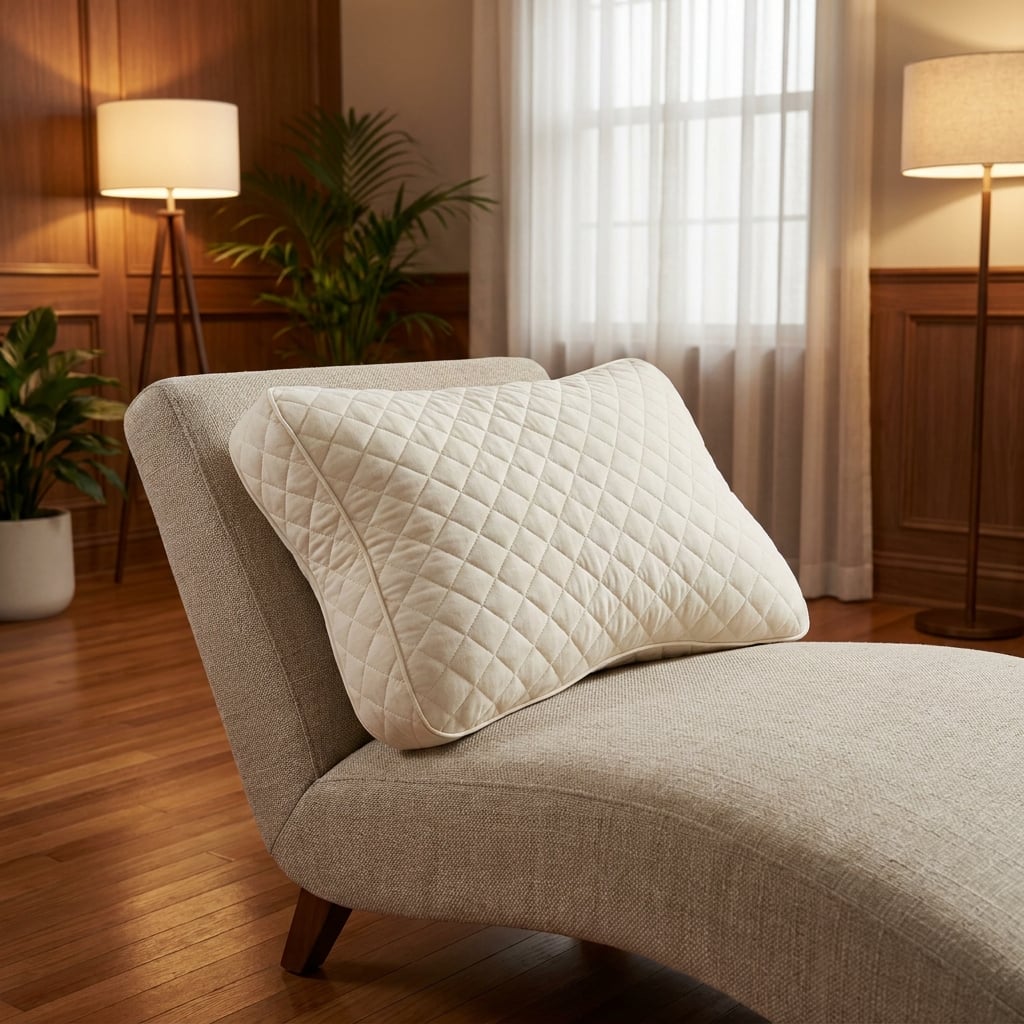
Protective covers can make cleaning easier and extend pillow life. Decide whether your clinic will use disposable covers, launderable covers, or both, and choose hospital bed pillows that fit properly. A cover that slips or bunches is uncomfortable and can encourage staff to skip it.
Establish Cleaning Procedures
Document how and when pillows and covers are cleaned or replaced. Clear procedures help staff apply consistent standards and make it easier to demonstrate compliance. Include who is responsible, what products are used, and how soiled items are handled.
Replace When Compromised
Pillows with torn seams, persistent stains, or odors should be removed from service. A simple rule helps staff decide when to replace a pillow rather than leaving the decision to individual judgment. Consistent rules reduce disagreements and protect patients.
Keep Clean and Used Pillows Separate
Use designated bins or carts for clean and used pillows. Label them clearly and train staff to follow the process. Mixing clean and used items undermines the point of cleaning and creates confusion during busy periods.
Evaluating Samples Before a Case-Pack Order
Inspect Seams and Shell
Examine stitching, corners, and fabric. Look for loose threads, uneven seams, and thin spots. Pull gently on seams to test strength. Poor construction is easier to spot in a sample than after a full case has arrived.
Test Firmness and Recovery
Press the pillow and observe how it rebounds. Then wash a sample according to your normal process and check whether it returns to shape. A pillow that stays flat after washing is not a good candidate for a recurring order.
Check Compatibility With Covers
Test protectors and pillowcases on sample pillows to confirm fit. Make sure staff can apply and remove covers quickly without struggling.
Get Staff Feedback
Ask nurses and medical assistants to try the pillows during real work. Their feedback about handling, weight, and comfort is valuable and often catches issues that specifications do not.
Request Documentation
Collect documentation before committing to a large order so you have it on file. If a supplier cannot provide it, consider that a warning sign.
Laundering and Maintenance
Follow Care Instructions
Use recommended temperatures and detergents. Avoid overloading machines, which can cause uneven cleaning and damage. If you use an outside laundry service, share the care instructions with them and confirm that they will follow them.
Dry Thoroughly
Make sure pillows are fully dry before returning them to service. Residual moisture can cause odors and promote mildew. Thorough drying also helps restore loft and keeps pillows feeling fresh.
Inspect Regularly
Check pillows for wear during routine cleaning. Remove any that are damaged or no longer supportive. A quick visual and hands-on check takes seconds and prevents problems from reaching patients.
Rotate Inventory
Rotate pillows through rooms to spread wear evenly and extend their life. Without rotation, pillows in the busiest rooms wear out first while those in low-use rooms remain nearly new.
Storage and Organization
Dedicated Storage Areas
Store pillows in clean, dry, labeled spaces. Separate clean inventory from used items. Avoid storing pillows on the floor or in damp areas.
Organize by Size and Firmness
Group pillows by type so staff can quickly find what they need. Use shelves, bins, or labeled carts. A simple label system can save time during busy periods.
Keep Reserve Stock Accessible
Place reserve stock in a central location that staff can reach easily without disrupting patient care. A reserve that is difficult to reach tends to be ignored until it is too late.
Use First-In, First-Out
Rotate older stock to the front so pillows are used evenly. When a new case arrives, place it behind existing stock.
Training Staff and Building Routines
Make the Process Simple
The best systems are the ones staff will actually follow. Write a one-page guide that explains where pillows are stored, how they are replaced between patients, how soiled pillows are handled, and who to tell when stock runs low. Post it where staff will see it.
Assign Responsibility
Decide who checks pillow inventory, who places orders, and who inspects pillows. Without clear ownership, routine tasks slip. Even a simple weekly check by one person can prevent shortages.
Include Pillows in Room Turnover Checklists
Add pillow checks to your standard room turnover steps. A quick look for damage, stains, or missing items ensures that rooms are ready for the next patient and reinforces consistent habits.
Encourage Reporting
Staff should feel comfortable reporting damaged or missing pillows. A simple reporting method, such as a note on a whiteboard or a message to a designated person, keeps issues from being ignored.
Supporting Multi-Site Clinics
Standardize Specifications
If your organization has multiple clinics, standardize the pillow specification so every location uses the same product. This simplifies purchasing, training, and quality control. Staff who move between locations will also find the same products in familiar places.
Centralize Purchasing
Centralized ordering can improve pricing and ensure consistent quality. Make sure each location has enough stock for its needs and a clear process for requesting more.
Share Par Levels and Usage Data
Track usage across locations and share data to refine par levels. This helps identify high-use sites and avoid over-ordering at low-use sites.
Cost, Value, and Total Ownership
Cost Per Month of Use
A pillow that lasts longer costs less per month of service. Compare expected lifespan, not just purchase price. If a slightly more expensive pillow lasts twice as long, it is the better value.
Labor Savings
Durable, easy-to-clean pillows reduce staff time spent on replacing, re-washing, or troubleshooting. This time can be spent on patient care, which is a more valuable use of clinical staff.
Reduced Emergency Purchases
Good par levels and reserve stock reduce rush orders and last-minute purchases, which often cost more and may not match existing inventory.

Common Mistakes to Avoid
Buying Without Testing
Ordering a large quantity based on a photo or description invites surprises. Always test samples in your own environment, including washing them.
Ignoring Firmness Variety
One firmness level rarely serves every patient. Stocking a range avoids improvising with stacked pillows.
Underestimating Rotation Needs
If you buy only enough pillows to cover beds, laundry or replacement days will cause shortages. Plan for rotation from the start.
Skipping Documentation
Compliance paperwork is easier to gather at purchase than during an audit. Collect it early and keep it organized.
Letting Reserve Stock Disappear
Reserve stock is often used for regular needs and then forgotten. Track reserve usage and replenish promptly.
Making the Purchase: A Practical Buying Checklist
Before finalizing a case-pack order, clinic buyers should confirm the following:
- Shell, fill, and firmness suit the clinic's patient needs and care areas.
- Documentation for fire-retardant and hygiene requirements has been obtained.
- Samples have been tested for seams, loft recovery, and compatibility with covers.
- Quantities include rotation, reserve, and different sizes or firmness levels.
- Case-pack pricing is transparent and shipping terms fit your schedule.
- The supplier can reorder the same product later.
Clinics that follow this checklist typically reduce emergency purchases, maintain consistent standards, and spend less time managing supply problems.
How Direct Textile Store Supports Clinic Pillow Programs
For clinics working through this sourcing process, one dependable supplier can simplify ordering and keep supplies consistent. You'll find bulk case packs hospital pillows with case-pack pricing for hospitality and healthcare settings. Browse styles and case packs to outfit your operation.
A supplier offering pillows for hospital beds and other healthcare-ready styles in consistent specifications lets clinics standardize across rooms, reorder confidently, and avoid piecing together inventory from multiple sources. Working with dependable hospital pillows suppliers also makes it easier to keep documentation, sizing, and firmness options consistent from one order to the next.
Final Thoughts on Buying Hospital Pillows in Case Packs for a Clinic
The best way for a clinic to supply its rooms is to buy hospital pillows in case packs from a supplier that offers durable products, clear documentation, consistent availability, and pricing that suits institutional volume. A well-chosen pillow for hospital bed use supports patient comfort, fits into infection prevention routines, and holds up to frequent cleaning. Clinics that test samples, calculate par levels room by room, and standardize specifications tend to avoid shortages and control costs. Planning ahead, rather than replacing medical pillows only after they fail, keeps exam rooms ready and patients comfortable, and gives staff one less thing to worry about on a busy day.

Learn More About Our Experience Supplying Wholesale Linens → About Direct Textile Store
Direct Textile Store is a leading U.S. wholesale linen and textile supplier trusted by over 131,000 hotels, hospitals, healthcare facilities, restaurants, spas, salons, resorts, gyms, emergency shelter and response, funeral homes, VRBO & Airbnb hosts, car washes, and commercial buyers nationwide. Shop in bulk with everyday low wholesale pricing and automatic 20% case-pack discounts — no coupons or minimums required. Choose from one of the largest in-stock selections available: over 135,000 towels, pool towels, sheets, blankets, comforters, tablecloths, pillows, bed toppers, aprons, hospital gowns, patient gowns, isolation gowns, scrubs, shower curtains, chef apparel, smocks, lab coats, uniforms, and commercial laundry equipment including wire, vinyl, and poly laundry carts, trucks, and privacy screens — all ready to ship today. Free shipping on orders over $5,999.
FAQ
What are hospital pillows and how are they different from regular pillows?
Hospital pillows are built for institutional use, with durable shells, consistent fill, and compatibility with protective covers and frequent cleaning.
Why should a clinic buy hospital pillows in case packs?
Case packs lower per-unit cost, simplify counting and reordering, and keep pillows consistent because they come from the same production lot.
How many pillows does a clinic need?
Count exam tables, procedure beds, recovery chairs, and therapy tables, plan two to three pillows per position for rotation, and add a ten to twenty percent reserve.
Do medical grade pillows need protective covers?
Covers are commonly used to guard against moisture and make cleaning easier, though policies vary by clinic. Choose pillows that fit your covers properly.
What should I ask hospital pillows suppliers before ordering?
Ask about shell and fill, documentation, available sizes and firmness, case-pack structure, shipping terms, and whether the product can be reordered later.
How often should a pillow for hospital bed use be replaced?
Replace pillows when they are damaged, stained, or no longer supportive. Tracking wear by area helps predict replacement timing.
Where can my clinic get hospital pillows in case packs?
Direct Textile Store offers bulk case packs hospital pillows, including medical pillows, with case-pack pricing for hospitality and healthcare settings. With consistent in-stock inventory, it's a practical option for clinics outfitting exam rooms and treatment areas.