Table of Contents
- The Role of the Napkin
- Counting the Guest List
- The Linen Look Without the Linen Upkeep
- Fabric Weight and the Feel in Hand
- True to Color From First Wash to Fiftieth
- Palette Planning for Every Bride and Groom
- Fold Styles for the Reception Table
- Size and Proportion on the Place Setting
- Stain Season: Wine, Cake, and Candle Wax
- The Event Calendar and Linen Rotation
- From Order Form to Loading Dock
- The Dress Rehearsal: Testing Samples
- After the Last Dance: Collection and Laundry
- Storage Between Saturdays
- Walking the Aisle: The Final Pre-Order Checklist
- Your Linen Partner for Every Reception: Direct Textile Store
- Ever After: A Final Look at Napkin Planning for Wedding Venues
- Learn More About Our Experience Supplying Wholesale Linens → About Direct Textile Store
- FAQ
- Related Topics
A wedding is a day when every detail is observed. Guests notice the flowers, the lighting, the music, and the food, but they also notice what is in their laps, because a napkin is something every person at every table actually touches. A crisp, soft, well-colored napkin feels like part of the celebration, while a wrinkled, stained, or mismatched one is a small flaw that the camera and the eye both catch. For a venue that hosts weddings week after week, that detail multiplies across hundreds of place settings. Napkins in a linen-style finish deliver the look couples want, with the durability a venue needs to launder, store, and reuse them throughout the season. This guide walks a venue owner through every stage of the decision, from fabric and color to quantities, folds, laundry, and ordering, so linen-style napkins arrive ready for the first booking and stay presentable through the last.
The Role of the Napkin
The Smallest Piece With the Closest Contact
Few items on a reception table are touched as often as the napkin. Guests unfold it, place it in their laps, lift it to their mouths, and sometimes use it to dab a toast-induced tear. That closeness gives the fabric an outsized influence on how guests experience the table. A soft, substantial cloth feels generous and refined, while a thin or scratchy one feels like an afterthought. Because every guest uses one, napkins are an inexpensive way to deliver a premium sensation to the entire room.
Photographs Remember Folded Fabric
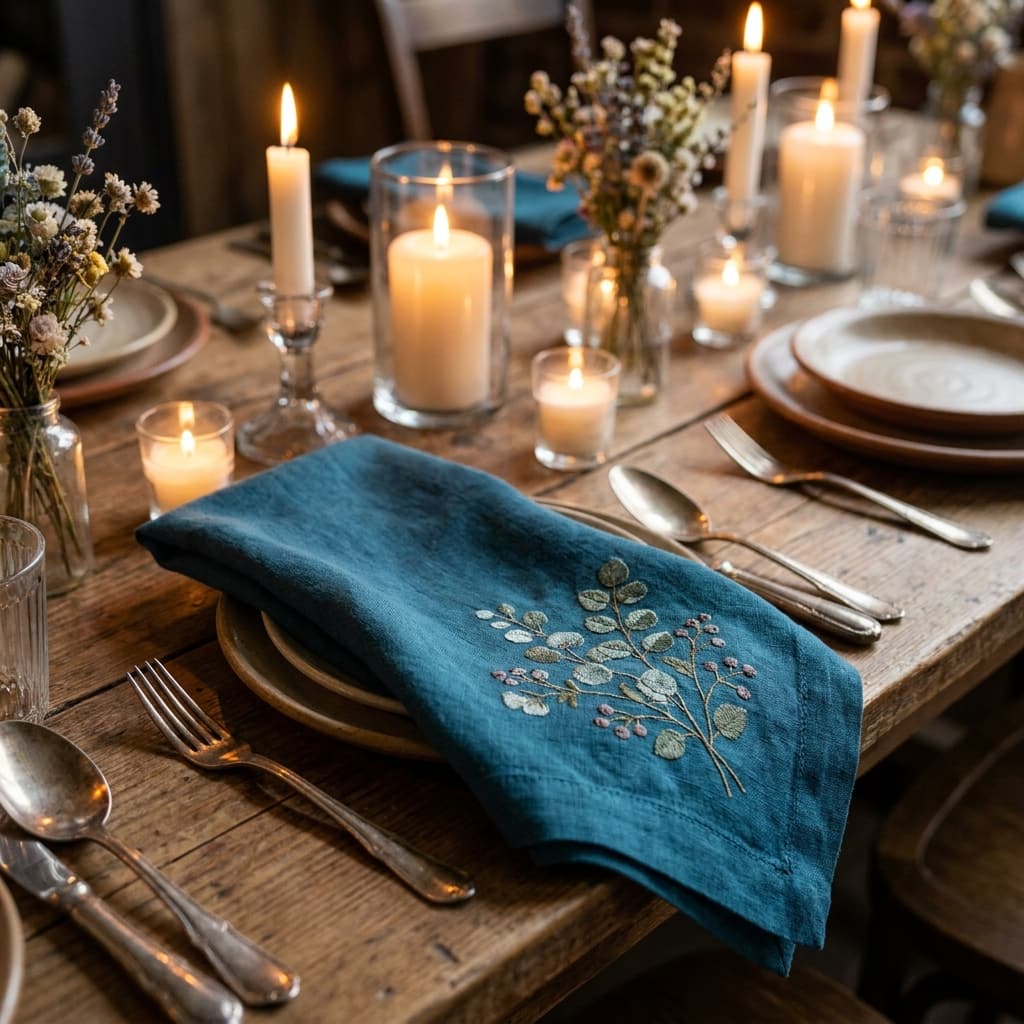
Wedding photographers capture place settings, and the folded napkin is often at the center of those images. A clean, well-shaped fold adds structure and color to the plate. Over time, those photographs become part of how a venue is remembered and marketed. A property that consistently presents crisp, uniform napkins builds a visual signature that couples recognize in galleries and social media. That is a quiet but real benefit of choosing dependable linen-style napkins.
A Cost That Pays Back in Reputation
Napkins are one of the smallest line items in a wedding budget, yet they influence how guests rate the entire venue. A bad impression is hard to attribute to any single detail, but guests can sense carelessness when many small things add up. Investing in good linens, and keeping them consistent, protects the venue's reputation at a modest cost. Venues that treat napkins as part of their brand tend to keep that reputation strong.
Counting the Guest List
Seating Charts Drive Quantity
Every order starts with the largest reception the venue can host. Multiply the number of seats by the number of napkins each guest typically receives, which is often one for dinner and sometimes a second for cocktail hour or dessert. This gives the number of pieces required for a single full event. Accuracy matters, since underestimating leaves tables incomplete. A realistic maximum is the foundation for ordering napkins.
Allowing for Rehearsal Dinners and Receptions on Consecutive Days
Many weddings involve a rehearsal dinner, a ceremony, and a reception within a couple of days. The venue may host a rehearsal dinner Friday and a full reception Saturday, which requires enough pieces for both. Laundry cannot always turn around overnight, so inventory must cover both events. Planning for consecutive events prevents shortages and keeps linen-style napkins available when the next couple arrives.
Extra Pieces for the Unexpected
Guests spill, children grab extras, and caterers need spares for service. Building in a reserve of ten to twenty percent lets staff replace a soiled napkin in seconds. A reserve also covers pieces that are damaged or lost between events. Without it, staff scramble at the worst moments. A reasonable cushion of napkins pays for itself in calm event days.
The Linen Look Without the Linen Upkeep
What Linen-Style Means
Linen-style refers to fabrics that imitate the texture and appearance of natural linen, often using spun polyester or blends. The goal is a soft, slightly textured surface with an elegant drape that looks natural on the table. Genuine linen is beautiful but wrinkles easily and needs careful pressing, which is impractical for high-volume venues. Linen-style napkins offer a similar look with far less maintenance.
Why Venues Prefer It
A venue that launders hundreds of pieces each week cannot afford to hand-press each one. Linen-style fabrics resist wrinkles, hold color, and tolerate commercial washing, which reduces labor and replacement cost. They also maintain a consistent look across large quantities. These practical advantages explain why many event venues choose linen-style napkins over natural linen for everyday service.
Where Natural Fibers Still Make Sense
Some venues keep a small collection of natural linen for special events and charge accordingly. That approach uses the premium fabric where it matters most and relies on linen-style products for volume. Mixing the two requires clear labeling and laundry instructions. For most venues, a core stock of napkins in a linen-style finish covers the great majority of bookings.
Fabric Weight and the Feel in Hand
Why Weight Matters
Weight affects drape, opacity, fold retention, and how the napkin feels in the hand. A heavier commercial weight falls cleanly, holds a fold, and feels substantial. A thin, lightweight piece can look limp and feel flimsy. Guests judge quality by touch more than they realize, and weight is a quick indicator. Handling samples of linen-style napkins is the best way to compare.
Balancing Weight and Laundry
Heavier fabrics take longer to dry and require more energy to launder. A balanced weight provides good drape without turning laundry into a bottleneck. Test samples in your equipment to see how long they take to dry and how they handle after laundering. The right weight should feel premium on the table and work smoothly in the laundry room.
Softness Against the Skin
Napkins touch lips and hands, so softness matters. A rough or stiff fabric is uncomfortable and feels cheap. Some fabrics soften with washing, while others stiffen. Evaluate samples after several cycles to see how they feel over time. Lasting softness is a mark of quality in napkins.
True to Color From First Wash to Fiftieth
What Colorfast Means
Colorfast fabric holds its dye through repeated laundering. For a wedding venue, that means a champagne napkin looks the same in March as it did when it arrived, and a burgundy one does not turn pink. Colorfastness protects the venue's ability to promise a palette to couples months ahead. It also keeps old and new stock matching. Choosing colorfast linen-style napkins is essential for a rotating inventory.
Testing Deep and Delicate Shades
Dark colors can bleed or fade, and delicate pastels can shift subtly. Wash samples several times with other items of similar color and compare them against unwashed fabric. Look for fading, streaking, or transfer. A product that stays true across cycles is worth paying for. Color testing is especially important if you plan to stock bold wedding palettes in napkins.
Keeping Dye Lots Consistent
Colors can vary slightly between production lots, so ordering from the same lot keeps pieces matching. When reordering, ask whether the supplier can match existing shades, and keep records of product names and lot information. Consistent lots make replacement seamless and preserve a uniform look across seasons.
Palette Planning for Every Bride and Groom
The Core Neutrals
White, ivory, champagne, and black cover the vast majority of weddings and pair with almost any décor. A deep stock in these colors lets a venue say yes quickly to most couples. Neutrals also make it easy to add accent colors through table runners and florals. Building the base inventory around neutral napkins is the most practical foundation.
Seasonal and Trend Colors
Couples often choose shades that reflect the season or current trends, such as sage in spring, burnt orange in autumn, or navy in winter. Keep a smaller stock of these popular colors and track requests to see which are rising. Adjust inventory ahead of each season. Responsive stocking of linen-style napkins helps a venue stay relevant without overbuying.
Handling Custom and Rare Requests
Occasionally a couple wants a color the venue does not stock. Decide in advance how to handle those requests, whether by special order, rental, or a polite alternative. Having a plan prevents last-minute stress. Many venues treat rare colors as add-on services and order accordingly.
Fold Styles for the Reception Table
Simple Folds That Look Elegant
A clean rectangle, a pocket fold, or a simple fan can look refined without taking much time. These folds work well for large events where staff have limited setup time. They also suit napkins with a softer drape. Standardizing on one or two simple folds makes setup faster and results more consistent.
Decorative Folds for Showpiece Tables
Some couples request elaborate folds, such as pleats, bows, or sculpted shapes. These require crisper fabric and more time. Heavier linen-style napkins hold shape better. Test sample folds before offering elaborate styles, and price them to reflect the labor.
Teaching and Documenting Folds
Create a simple visual guide showing each fold, step by step, and train staff to follow it. Photos work well. Consistent folds across tables make a room look professionally set. Documentation also helps new seasonal staff learn quickly.
Size and Proportion on the Place Setting
Common Dimensions
Napkins used at receptions are typically square, and common sizes range from compact to generous. Larger napkins offer more folding options and a more luxurious look, while smaller ones suit casual events. Confirm the exact size of each product and keep sizes consistent across the inventory. Consistent dimensions simplify folding and counting.
Fitting the Plate and Glassware
A napkin that is too large can overwhelm a plate or crowd glassware, while one that is too small can look lost. Set a place with samples and check proportions. Consider charger plates, stemware, and menus when judging. Good proportion helps napkins look intentional.
Matching Napkin Size to Table Linens
Napkins should work with tablecloths and runners in color and scale. A large napkin on a small table can feel cluttered. Coordinate sizes across your linen collection so combinations look balanced. A little planning prevents awkward pairings.
Stain Season: Wine, Cake, and Candle Wax
Common Wedding Stains
Receptions produce red wine, sauces, frosting, makeup, and sometimes candle wax. Each behaves differently in fabric and in the wash. Soil-release finishes and prompt handling help many of them release. Knowing what to expect lets staff respond appropriately. Choosing stain-tolerant linen-style napkins reduces replacement rates.
Quick Response Protocols
Train staff to collect soiled napkins quickly, avoid heat before washing, and pre-treat stains according to type. Provide labeled bins and simple instructions. Fast handling is the best protection against permanent stains. A short protocol makes a measurable difference to how long napkins last.
When to Retire a Piece
Some stains never fully release. Decide on a standard for retiring napkin, such as visible discoloration or texture change, and apply it consistently. Retired pieces can be repurposed for cleaning or staff use, which reduces waste. Keeping stained pieces on the tables lowers the venue's standard.
The Event Calendar and Linen Rotation
Mapping the Season
Wedding venues have busy and slow periods, with peak months driving most revenue. List bookings by weekend, and note the number of guests and colors requested. This calendar shows when inventory will be strained and when it can be refreshed. A visible calendar helps staff plan laundry and purchasing around real demand for napkins.
Rotating Stock Evenly
Use older pieces first so wear spreads across the inventory, and keep newer stock in reserve for premium events. Track how many events each batch has served. Rotation prevents a small group of pieces from wearing out far faster than the rest.
Planning Around Back-to-Back Weekends
Some weekends have multiple events, and laundry has limited capacity. Plan wash schedules and spare inventory accordingly. If an event ends late Saturday and another begins early Sunday, the same pieces cannot be reused without time to launder. Extra stock bridges the gap.
From Order Form to Loading Dock
Choosing Case Packs
Case packs reduce packaging and handling costs, which lowers the price per piece. For a venue that needs hundreds or thousands, buying in cases is more economical than smaller quantities. Direct Textile Store offers case-pack pricing on linen-style napkins, giving venues a clear way to plan and budget for napkins. Pieces in the same case typically come from the same lot, which keeps colors consistent.
Receiving and Inspecting
When a shipment arrives, verify quantities against the order and inspect cartons for damage. Open sample cartons from each color and check size, color, and finish. Record any problems and notify the supplier promptly. Careful receiving catches issues while there is still time to fix them before the season.
Washing Before First Use
New linens should be washed before use to remove manufacturing residue and confirm that colors and sizes behave as expected. Measure a few pieces before and after washing. Note any shrinkage or color change. Pre-washing also softens the fabric and improves drape, which helps linen-style napkins look their best.
The Dress Rehearsal: Testing Samples
Touching and Inspecting
Request samples in the colors and sizes you plan to buy, and examine them closely. Check hems, corners, and fabric texture. Pull gently on edges to test strength. Compare multiple samples side by side so differences are clear. A careful inspection prevents costly mistakes when ordering napkins in volume.
Wash, Stain, and Fold Trials
Wash samples several times, apply common stains, and practice your standard folds. Note shrinkage, color retention, wrinkle behavior, and how well the fabric holds a fold. A sample that performs well across all four tests is a strong candidate. Document results for future reference.
Setting a Real Table
Place the napkin on a plate with glassware and flatware, under typical lighting. Photograph it. Ask planners, staff, and couples for feedback. A real table reveals qualities that swatches cannot.
After the Last Dance: Collection and Laundry
Gathering Linens Quickly
At the end of the event, collect napkin promptly and sort them into labeled bags or bins by color and condition. Avoid leaving soiled pieces in piles. Speed prevents stains from setting and keeps the next day's turnaround on schedule. A dedicated team member for linen collection helps keep the process orderly.
Washing for Longevity
Follow care instructions for temperature and detergent, sort by color, and avoid overloading machines. Dry thoroughly but avoid excessive heat. Fold or hang promptly to reduce wrinkles. Consistent practices protect the fabric and color of linen-style napkins.
Counting and Inspecting Returns
After laundering, count pieces by color and inspect for damage. Update inventory records, and set aside any that need repair or retirement. Counting after each event reveals losses early, when they are easier to trace.
Storage Between Saturdays
A Clean, Dry Home
Store clean napkin in a dry, clean room on shelves or bins labeled by color and quantity. Avoid damp areas, which invite mildew and odors. Keep reserve stock separate from stock in circulation. A well-organized linen room makes setup faster and counting simpler.
Folding for Storage
Fold pieces consistently so stacks are tidy and easy to count. Counting by stack saves time. Avoid compressing stacks too tightly, which can create stubborn creases. Good folding habits save pressing time later.
Protecting Stock Over the Off-Season
During slow months, cover shelves or bins to keep dust off, and check periodically for moisture or pests. A short inspection each month protects inventory. When the season restarts, wash any items that have been stored a long time.
Walking the Aisle: The Final Pre-Order Checklist
Details to Verify
Before finalizing a bulk order, confirm each of the following with samples in hand:
- Fabric has the linen look and a commercial weight: The surface looks natural, drapes cleanly, and feels substantial without being stiff.
- Colors are fast and consistent: Samples hold their shade after repeated washing, and the supplier can match dye lots on reorder.
- Stain behavior is acceptable: Common wedding stains release in your laundry process, and care instructions are clear.
- Folds hold their shape: Samples keep both simple and decorative folds through service.
- Sizes suit your place settings: Dimensions are confirmed and consistent, and they work with your plates, glassware, and table linens.
- Quantities include consecutive events and a reserve: Your calculation covers your largest event, the laundry cycle, and expected losses.
- Case-pack pricing, shipping timing, and reorder availability are confirmed: You know the total cost, when the order will arrive before peak season, and that the same item can be ordered again.
Conversations to Have
Share the plan with the events team, caterers, and laundry staff. Make sure everyone understands par levels, fold standards, and retirement rules. Confirm the delivery date, and schedule time to wash and sort new stock before it reaches the floor.
Records to Keep
Save the specification, order date, quantities, prices, and inventory counts by color. Update the record after every order and every season. A clear history makes the next purchase faster and helps new managers keep the venue's look consistent.
Your Linen Partner for Every Reception: Direct Textile Store
For wedding venues working through this process, one dependable source can simplify ordering, keep every reception looking cohesive, and keep quality steady from one season to the next. You can order from Direct Textile Store — they offer colorfast options linen-style napkins in commercial weights and multiple colors for professional dining rooms. Browse styles and case packs to outfit your operation. The range is built for event and hospitality settings where linens are laundered constantly and judged by guests at every celebration, so durability, colorfastness, and consistent sizing are central to every product.
Venues benefit from having napkins available in consistent specifications and case-pack quantities. With one source for napkin, tablecloths, runners, and other table linens, a venue can match fabrics and colors across every setting, keep one set of care instructions, and avoid the mismatches that come from buying piecemeal. Automatic case-pack pricing lowers the cost per piece as the order grows, and there are no coupons or minimums to manage, which makes budgeting simpler for owners and event managers. When a couple asks for a specific palette, a deep, coordinated inventory makes it easy to say yes with confidence.
Consistency matters as a venue grows. When a second ballroom opens, a garden pavilion is added, or a refresh replaces an aging collection, additions and replacements that match existing stock keep the whole property looking unified. Direct Textile Store also supplies the other textiles venues use, including aprons for catering staff, bar towels, and kitchen linens, so one relationship can support the entire operation. That breadth lets a venue standardize its textile program, simplify reordering, and keep supply predictable through the busiest weekends of the season and the quietest weeks of winter.
Ever After: A Final Look at Napkin Planning for Wedding Venues
The best way to supply a wedding venue is to buy durable, colorfast linen-style napkins in a commercial weight, in the colors couples actually request, in case packs at wholesale pricing. Venues that test samples through their own laundry and fold routines, calculate quantities around consecutive events and a sensible reserve, and standardize their specification tend to keep every reception looking polished while controlling costs. Choosing napkins that match your laundry capacity and your event calendar makes setup faster, laundry calmer, and the whole operation more predictable.
The real payoff comes from planning rather than from any single purchase. A written par level, a clear color key, a simple fold guide, and a retirement standard turn a collection of cloth into a managed program. Staff know what to set, what to collect, and what to replace, and managers can see at a glance what the venue owns and what it needs. When those habits are in place, replacements arrive before they are urgent, the reserve stays healthy, and each wedding starts from the same strong baseline.
Finally, remember that guests rarely discuss napkin, but they remember how a celebration felt. Clean, soft, uniform napkins contribute to that feeling in small, steady ways, from the first unfolding at the table to the last toast of the night. Venues that plan ahead, rather than reordering only when stock runs low or a big weekend approaches, protect their budgets, their staff, and their reputations. Over many seasons, that consistency becomes part of what couples and guests mean when they say a venue does everything beautifully.
Learn More About Our Experience Supplying Wholesale Linens → About Direct Textile Store
Direct Textile Store is a leading U.S. wholesale linen and textile supplier trusted by over 131,000 hotels, hospitals, healthcare facilities, restaurants, spas, salons, resorts, gyms, emergency shelter and response, funeral homes, VRBO & Airbnb hosts, car washes, and commercial buyers nationwide. Shop in bulk with everyday low wholesale pricing and automatic 20% case-pack discounts — no coupons or minimums required. Choose from one of the largest in-stock selections available: over 135,000 towels, pool towels, sheets, blankets, comforters, tablecloths, pillows, bed toppers, aprons, hospital gowns, patient gowns, isolation gowns, scrubs, shower curtains, chef apparel, smocks, lab coats, uniforms, and commercial laundry equipment including wire, vinyl, and poly laundry carts, trucks, and privacy screens — all ready to ship today. Free shipping on orders over $5,999.
FAQ
What are linen-style napkins?
They are napkins made from fabrics that imitate the look and texture of natural linen while resisting wrinkles and tolerating commercial laundering.
Why do wedding venues choose colorfast napkins?
Colorfast fabric keeps its shade through repeated washing, so napkin look uniform and old and new stock match.
How many napkins does a wedding venue need?
Start with the largest guest count, multiply by napkin per guest, plan for consecutive events, and add a ten to twenty percent reserve.
Is it cheaper to buy linen-style napkins in case packs?
Generally yes. Case packs lower per-piece cost and keep color and size consistent because items come from the same lot.
What should I test before ordering napkins in volume?
Wash samples several times, apply common stains, practice your standard folds, and set a real table to check proportion and color.
How should wedding venue napkins be handled after an event?
Collect them promptly, sort by color, avoid heat before washing, pre-treat stains, and count them after laundering.
Where can I order linen-style napkins for my wedding venue?
Direct Textile Store offers colorfast options linen-style napkins in commercial weights and multiple colors for professional dining rooms. With case-pack pricing and consistent in-stock inventory, it's a practical option for wedding venues.