Table of Contents
- Make the Gown a Comfort Tool, Not Just a Garment
- Choose Prints Children Recognize and Parents Trust
- Pick Fabrics That Feel Safe Against Young Skin
- Match Closures to Clinical Access
- Fit Every Age From Infant to Teen
- Plan for Teenagers and Adult-Size Patients
- Protect Dignity at Every Age
- Keep Washable Standards Strict
- Count Gowns by Bed, Shift, and Spill
- Prepare for Surges and Seasonal Illness
- Order by the Case and Save
- Test Samples With Real Pediatric Workflows
- Organize Storage Where Nurses Actually Work
- Retire Worn Gowns Before Families Notice
- Run the Final Pre-Order Review
- Rely on Direct Textile Store for Pediatric Gown Supply
- Bring It All Together for Your Pediatric Unit
- Learn More About Our Experience Supplying Wholesale Linens → About Direct Textile Store
- FAQ
- Related Topics
A child in a hospital bed is often frightened, tired, and uncomfortable, and the clothing they are handed can make that feeling better or worse. A plain, oversized gown that gapes and slips adds to the sense of being out of place, while a soft, properly sized gown with a friendly print gives a young patient something familiar to look at and a little more dignity to hold onto. For the nurses and aides working around the clock, the same garment has to open easily for IV lines and monitors, survive constant laundering, and be available in the right size at every hour. Hospital gowns designed for pediatric units meet both needs. This guide explains how to choose prints, fabrics, closures, and sizes, how to count inventory by bed and by spill, and how to buy patient gowns in case packs so every pediatric room is ready.
Make the Gown a Comfort Tool, Not Just a Garment
Reducing the Strangeness of the Hospital
Children cope with unfamiliar settings by looking for anything that feels familiar or friendly. A gown with a cheerful pattern, in a soft fabric, changes the tone of the room from clinical to approachable. Child life specialists and nurses often point to small details like this as ways to lower anxiety before an exam or procedure. When hospital gowns look and feel less intimidating, children are more willing to change, and care begins more smoothly.
Supporting Parents and Families
Parents notice what their child is wearing and whether it looks cared for. A clean, well-fitting gown reassures them that the unit pays attention to detail. A gown that is too large, stained, or rough can raise concerns before a single clinical conversation has happened. Because families are partners in pediatric care, their confidence matters. Dependable patient gowns help communicate professionalism and compassion in a very visible way.
Helping Staff Work Faster
When gowns are easy to put on, easy to open, and available in the right size, staff save minutes on every patient. Those minutes add up across a shift, especially on busy units. A well-designed pediatric gown reduces struggles with wriggling toddlers and nervous teens. Staff who spend less time wrestling with clothing have more time to talk with children and families, which is where comfort is often won.
Choose Prints Children Recognize and Parents Trust
Friendly, Non-Distracting Patterns
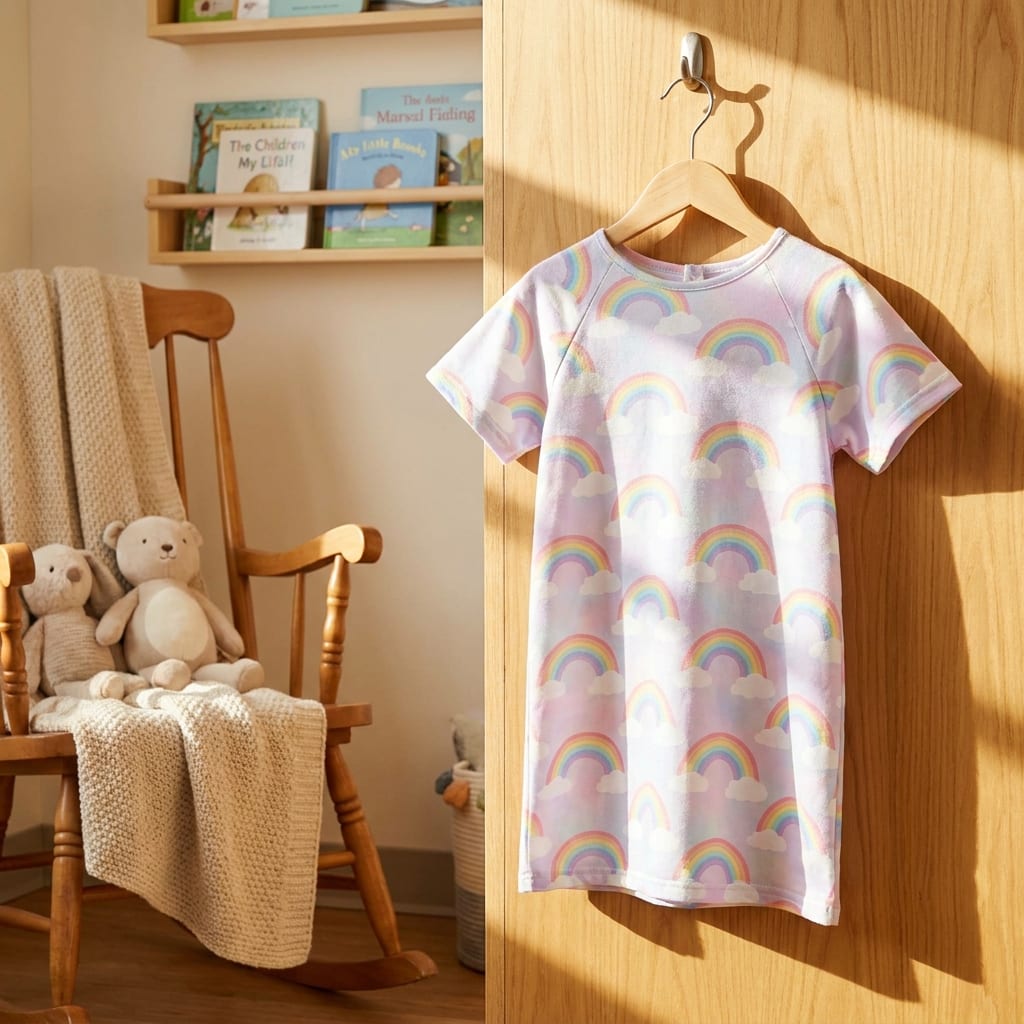
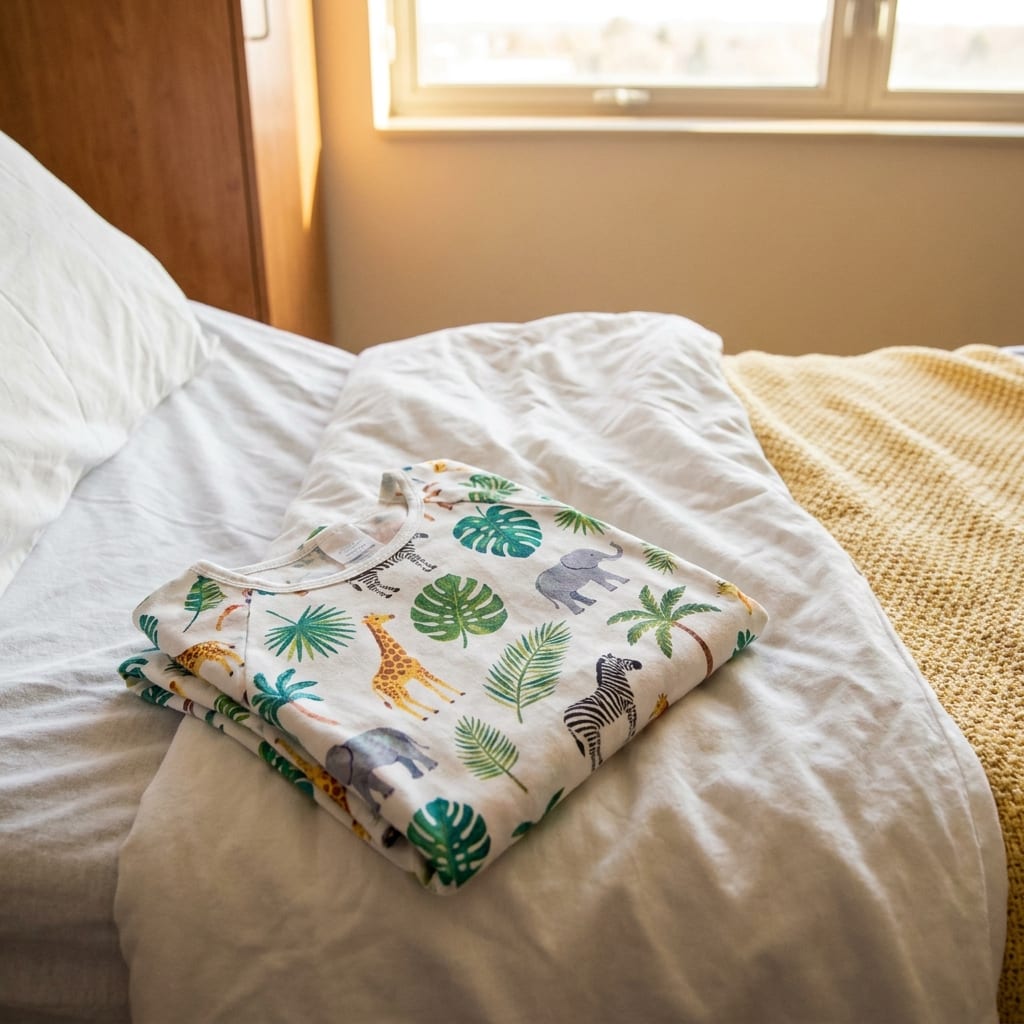
Prints for pediatric units work best when they are cheerful but not overwhelming. Soft animals, shapes, and gentle color palettes tend to feel welcoming without becoming a distraction during procedures. Overly busy or high-contrast patterns can be harder on tired eyes and can make it harder for staff to see skin color and condition. A calm, friendly print helps hospital gowns soften the setting while keeping clinical visibility.
Prints That Hold Up to Laundering
A print that fades or cracks after a few washes undermines the whole purpose. Quality prints are built into or bonded onto the fabric in ways that tolerate repeated hot laundering. Wash samples several times and compare them with unwashed fabric. Look for color retention, sharp edges, and no flaking. Durable prints keep patient gown inventory looking fresh across many cycles.
Variety Without Complexity
Offering two or three print options allows children and families a small choice, which can restore a sense of control. Too many options complicate inventory and sizing. A modest set of coordinated prints, available in every size, is enough. Keep a simple chart showing which prints are available and where they are stocked.
Pick Fabrics That Feel Safe Against Young Skin
Softness and Sensitivity
Children, especially infants and those undergoing treatment, may have delicate skin. Rough seams, stiff fabric, and scratchy labels can cause discomfort and fussiness. Soft cotton or cotton-blend fabrics feel gentle and breathe well. Handle samples and run them across the inside of a wrist to judge comfort. Comfortable fabric helps hospital gowns earn acceptance from both children and parents.
Breathability and Temperature
Hospital rooms can be cool, and sick children may run warm or cold. Breathable fabrics help regulate temperature, while layers such as blankets can be added when needed. Avoid fabrics that trap heat or feel clammy. Consider how the gown will feel over several hours, not just at first touch.
Durability Under Frequent Changes
Pediatric patients may change gowns several times a day because of spills, accidents, or procedures. Fabric must tolerate that laundering rhythm without pilling or thinning. Cotton-polyester blends often offer a good balance of softness and durability. Test samples through repeated washing to confirm that the fabric keeps its feel and shape.
Match Closures to Clinical Access
Tie-Back Designs
Tie-back gowns remain a standard because they are adjustable, simple, and allow access to the back and sides. Ties can be loosened or tightened to fit children of different builds. Check that ties are long enough to reach comfortably and are firmly attached. Gentle, flat ties feel better against skin and are less likely to knot. Tie-back hospital gowns are familiar to clinicians and easy to teach to new staff.
Shoulder Snaps and Side Openings
Some pediatric gowns use snaps at the shoulders or openings along the sleeves, which allow access to IV sites and monitoring leads without fully removing the garment. These features can be especially valuable for infants and for children with lines in place. Evaluate how easily snaps open and close and whether they feel comfortable against skin. Choose features that match your most common clinical needs.
Testing Access in Real Scenarios
Ask nurses to practice placing IV lines, attaching monitors, and performing exams with sample gowns. Notice where the fabric gets in the way. Their feedback helps you choose a design that supports workflow. A gown that looks good but slows care is not a good choice for a busy unit.
Fit Every Age From Infant to Teen
Understanding the Size Range
A pediatric unit may care for patients from newborns to teenagers, and a single size cannot fit them all. A good range includes infant, toddler, child, and youth or teen sizes with consistent proportions. Review the supplier's size chart carefully and compare it against the ages and body types you see. Matching size to age prevents gaping, tripping, and discomfort in patient gowns.
Measuring and Testing Fit
Have staff try samples on patients of different sizes, with permission and in appropriate settings, or evaluate them on appropriately sized forms. Check coverage when the child is sitting, lying, and moving. A gown that fits well in one position may shift in another. Test with typical activities such as being held by a parent or sitting up in bed.
Planning Depth by Size
Not all sizes are used equally. Track the age distribution of your patients and stock more of the common sizes. Maintain a small reserve of less common sizes so every child can be fitted promptly. Reviewing size usage each quarter keeps inventory aligned with reality.
Plan for Teenagers and Adult-Size Patients
Older Adolescents Need Different Proportions
Teenagers may be as large as adults, and an adolescent patient needs a gown that provides proper coverage. A child-sized gown will not suffice. Stocking adult sizes in a style suitable for teens helps maintain dignity. Some units keep a small supply of hospital gowns for men and adult women's sizes for older patients so that no one is left without a proper fit.
Print Preferences Change With Age
Teens often prefer neutral or subtle designs over childish prints. Offering a calm, solid color or a restrained pattern in larger sizes respects their age. Consider stocking both a pediatric print line and a neutral line. Giving older patients a choice supports their sense of autonomy.
Handling Transitions and Young Adults
Pediatric units sometimes care for young adults with chronic conditions. These patients may need adult-size hospital gowns for men or comparable women's styles. Plan for a modest number of adult sizes and make sure staff know where they are stored.
Protect Dignity at Every Age
Coverage and Closure
Children are often more modest than adults expect, and many are acutely aware of being exposed. A gown should cover adequately in every position and stay closed during movement. Check coverage in the back and sides, and make sure ties hold. Good coverage helps children feel safe and respected.
Privacy During Changes
Even young patients benefit from privacy while changing. Use curtains, doors, or screens, and offer help in a calm, matter-of-fact way. Making the gown easy to change reduces the time spent exposed. Thoughtful practices help patient gown use feel respectful.
Involving the Child
When possible, let children choose between gown options or help put on the gown. Small choices help reduce anxiety. Child life specialists can offer techniques that make the process smoother. A gown that is easy for a child to handle supports their sense of participation.
Keep Washable Standards Strict
Building a Reliable Laundry Routine
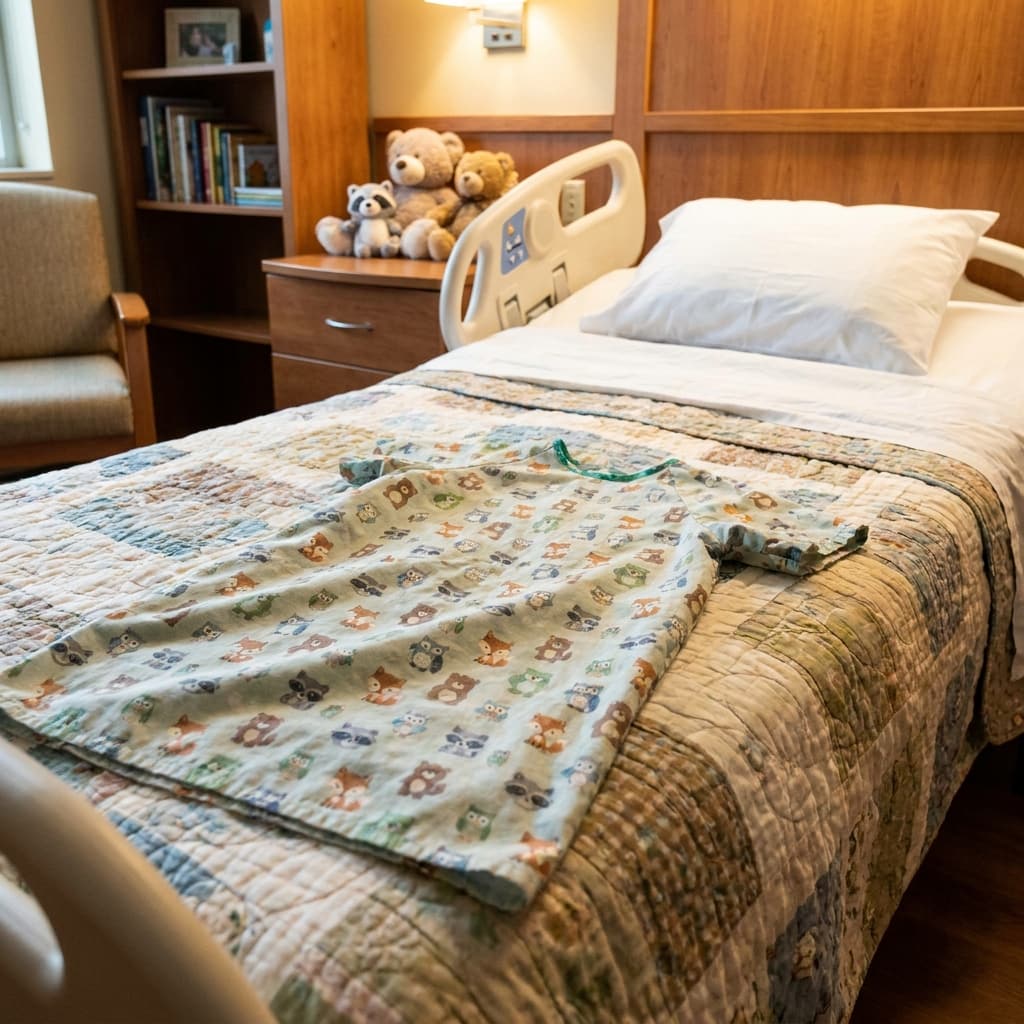
Pediatric gowns are laundered often, and the routine must be consistent. Follow care instructions for temperature, detergent, and drying, and avoid overloading machines. Use enough detergent to clean without leaving residue that irritates skin. Consistent routines protect fabric and prints and keep hospital gowns comfortable.
Handling Soiled Items Safely
Establish clear procedures for collecting and transporting soiled gowns, including gloves and bagging. Keep clean and soiled items separate. Train staff and review procedures regularly. Clear handling supports infection prevention and protects staff.
Inspecting After Laundering
Check each gown for damage, stains, and worn closures as it is folded. Remove items that no longer meet your standard. Inspection takes seconds and prevents problems from reaching patients. A routine check keeps patient gowns looking and performing well.
Count Gowns by Bed, Shift, and Spill
Start With Beds and Typical Changes
Count the number of beds on the unit and estimate how many gown changes each patient typically requires per day. Younger children may need several. Multiply to get daily gown use on a busy day. This base number reflects how pediatric units actually operate.
Add Rotation and Reserve
Gowns used today must be cleaned before reuse, so plan for at least two days of stock. Add a reserve of ten to twenty percent for losses, damage, and surges. Track how often the reserve is used and adjust the percentage. A buffer prevents shortages that frustrate families and staff.
A Worked Example
A unit with 30 beds and an average of three changes per patient per day uses about 90 gowns daily. With a two-day cycle, plan for 180, and add a fifteen percent reserve for about 207 hospital gowns. Split the total by size according to your patient mix, and keep a few extra in the smallest and largest sizes.
Prepare for Surges and Seasonal Illness
Anticipating Busy Periods
Pediatric units often see surges during respiratory illness season and other predictable periods. Review historical admissions to identify when demand rises. Order ahead so gowns arrive, are washed, and are ready. Running short during a surge costs more than carrying a reserve.
Flexing Between Units
Float staff and shared supply rooms can help move gowns where they are needed. Standardizing the specification across units makes sharing easy. Keep records of where stock is located so it can be redirected quickly.
Learning From Each Season
After each surge, review how many gowns were used and whether shortages occurred. Adjust par levels for the next season. Data from real experience is the best guide for future orders of patient gowns.
Order by the Case and Save
Lower Cost Per Gown
Case packs reduce packaging and handling costs, which lowers the price per gown. For units that buy hundreds, ordering in cases is more economical than small quantities. Direct Textile Store offers case-pack pricing on pediatric prints patient gowns, giving hospitals a clear way to plan and budget for hospital gowns.
Consistent Lots
Gowns in the same case typically come from the same production lot, so print color, fabric, and sizing are consistent. That consistency keeps inventory looking organized and makes replacements easier to match. Consistent lots matter for printed fabrics, where small differences can be visible.
Simpler Purchasing
Standardized quantities make counting, storing, and budgeting easier. Instead of managing many small orders, a hospital can plan a few larger purchases per year. Predictable pricing helps finance and supply chain teams forecast costs and approve budgets.
Test Samples With Real Pediatric Workflows
Inspect Construction
Examine seams, ties, snaps, and prints. Pull gently on ties and closures to test strength. Check that there are no rough edges or scratchy labels. Compare samples side by side so differences are clear. Careful inspection prevents surprises when the full order arrives.
Launder Repeatedly
Wash and dry samples several times using your laundry process. Check for shrinkage, color retention, softness, and print durability. Note drying time. A sample that looks tired after a few cycles will not hold up through months of use.
Gather Clinical and Family Feedback
Ask nurses, child life specialists, and parents to review samples. Nurses can comment on access and handling, while parents can comment on comfort and appearance. Real-world feedback often reveals details that specifications miss about patient gowns.
Organize Storage Where Nurses Actually Work
Stocking by Size and Print
Store clean gowns on shelves or carts labeled by size and print. Keep sizes in consistent locations across units so float staff can find them quickly. Clear labeling reduces wasted time and mistakes.
Keeping Clean and Soiled Separate
Use separate bins or carts for clean and soiled gowns, and keep them physically distinct. Cover clean stock to protect it from dust and contamination. Separation supports infection prevention and reduces confusion.
Maintaining Par Levels
Set minimum quantities for each unit and size, and review them regularly. Use a simple log or system to track restocking. Predictable par levels keep hospital gowns available without overstocking.
Retire Worn Gowns Before Families Notice
Defining the Standard
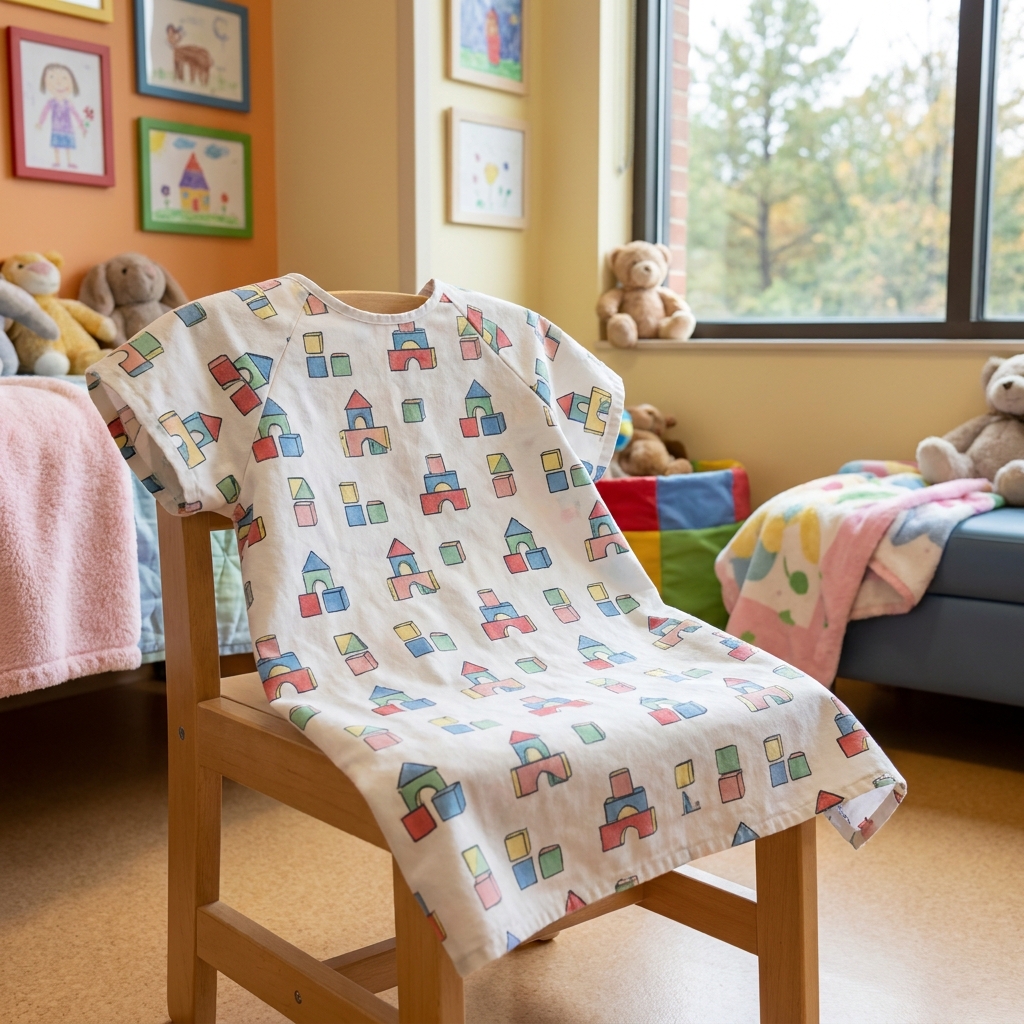
Decide when a gown should be retired, such as when ties are frayed, snaps fail, prints are faded, or stains remain. Write the standard down and train staff to apply it consistently. Clear rules prevent borderline items from staying in circulation.
Tracking Wear
Record how many gowns are retired each month and why. Patterns can reveal issues with laundering, product quality, or handling. Use the data to refine your specification and your orders.
Replacing Promptly
Replace retired gowns from the reserve and update counts. Prompt replacement keeps inventory consistent and protects the unit's appearance. A short routine keeps patient gown quality high.
Run the Final Pre-Order Review
Items to Verify
Before finalizing a bulk order, confirm each of the following with samples in hand:
- Prints are friendly and durable: Samples keep color and sharpness after repeated washing, and patterns are calm enough for clinical visibility.
- Fabric is soft and easy to care for: The material feels gentle against young skin and holds up to your laundry process.
- Closures support clinical access: Ties, snaps, or openings allow IV and monitor access and have been tested by nurses.
- Sizes cover infants through teens: The range matches your patient population, with adult sizes, including hospital gowns for men, available for older patients.
- Dignity and coverage are verified: Gowns cover adequately in sitting, lying, and moving positions.
- Quantities include changes, rotation, and a reserve: Your calculation covers beds, expected daily changes, laundry cycles, and surges.
- Case-pack pricing, shipping timing, and reorder availability are confirmed: You know the total cost, when the order will arrive, and that the same item can be ordered again.
People to Brief
Share the plan with nursing leaders, child life specialists, infection prevention, laundry, and supply chain. Make sure everyone knows par levels, storage locations, and retirement rules. Confirm the delivery date and allow time to wash and organize new stock before use.
Documents to File
Save the specification, order date, quantities, prices, and inventory counts by unit and size. Update the record after each order and each season. Clear documentation makes future purchases faster and supports audits and training.
Rely on Direct Textile Store for Pediatric Gown Supply
For pediatric units working through this process, one dependable source can simplify ordering, keep every room stocked, and keep quality steady from one order to the next. Direct Textile Store offers pediatric prints patient gowns with tie-back designs and sizes to fit your patient population. Browse styles and case packs to outfit your operation. The range is built for healthcare settings where gowns are laundered constantly and worn by patients at their most vulnerable, so softness, durability, and consistent sizing are central to every product.
Hospitals benefit from having hospital gowns available in consistent specifications and case-pack quantities. With one source for pediatric prints, adult styles, and hospital gowns for men, a facility can match fabrics and sizing across units, keep one set of care instructions, and avoid the confusion of piecing together inventory from many places. Automatic case-pack pricing lowers the cost per gown as the order grows, and there are no coupons or minimums to manage, which makes budgeting simpler for supply chain teams. Whether a unit is opening new beds or refreshing an existing inventory, the same specification can be ordered and reordered with confidence.
Consistency matters as a pediatric program grows. When a new wing opens, a clinic is added, or a seasonal surge strains supply, additions and replacements that match existing stock keep the entire system uniform and easy to manage. Direct Textile Store also supplies other textiles healthcare facilities use, including blankets, pillows, sheets, and scrubs, so one relationship can support the whole operation. That breadth lets a hospital standardize its textile program, simplify reordering, and keep supply predictable through the busiest illness seasons and the quietest weeks alike.
Bring It All Together for Your Pediatric Unit
The best way to supply a pediatric unit is to buy soft, durable hospital gowns with friendly prints, practical closures, and a full range of sizes, in case packs at wholesale pricing. Units that test samples through real clinical workflows and their own laundry, count inventory by bed, change frequency, and reserve, and standardize their specification tend to keep patients comfortable and staff efficient while controlling costs. Choosing patient gowns that fit children of every age, with adult sizes available for older adolescents, protects dignity and avoids improvisation.
The biggest gains come from planning rather than from any single product decision. A written par level by size, a simple storage layout, a retirement standard, and a short routine for inspecting gowns turn a changing inventory into a managed program. Nurses know where to find the right gown, laundry knows what to expect, and administrators can see at a glance what the unit owns and what it needs. With those habits in place, orders arrive before shortages, reserves stay healthy, and every child is dressed in something clean, comfortable, and suited to them.
Finally, remember that a gown is often the first thing a frightened child notices and the last thing they remember about how they were treated. Thoughtful choices about prints, fabric, and fit contribute quietly and steadily to a more reassuring stay. Pediatric units that plan ahead, rather than replacing hospital gowns only when shortages appear, protect their budgets, support their staff, and give young patients and their families one less thing to worry about.

Learn More About Our Experience Supplying Wholesale Linens → About Direct Textile Store
Direct Textile Store is a leading U.S. wholesale linen and textile supplier trusted by over 131,000 hotels, hospitals, healthcare facilities, restaurants, spas, salons, resorts, gyms, emergency shelter and response, funeral homes, VRBO & Airbnb hosts, car washes, and commercial buyers nationwide. Shop in bulk with everyday low wholesale pricing and automatic 20% case-pack discounts — no coupons or minimums required. Choose from one of the largest in-stock selections available: over 135,000 towels, pool towels, sheets, blankets, comforters, tablecloths, pillows, bed toppers, aprons, hospital gowns, patient gowns, isolation gowns, scrubs, shower curtains, chef apparel, smocks, lab coats, uniforms, and commercial laundry equipment including wire, vinyl, and poly laundry carts, trucks, and privacy screens — all ready to ship today. Free shipping on orders over $5,999.
FAQ
Why do pediatric units use printed hospital gowns?
Friendly prints make the setting feel less intimidating, which can help children feel more comfortable and cooperative.
What closures work best on pediatric patient gowns?
Tie-back designs are a familiar standard, and shoulder snaps or side openings can ease access to IV sites and monitors.
How many hospital gowns does a pediatric unit need?
Count beds, estimate daily changes per patient, plan for at least two days of stock, and add a ten to twenty percent reserve.
Do pediatric units need adult sizes?
Yes, older adolescents and young adults may need adult sizes, including hospital gowns for men, for proper fit and dignity.
Is it cheaper to buy a patient gown style in case packs?
Generally yes. Case packs lower per-gown cost and keep print color and sizing consistent across a large order.
What should I test before ordering patient gowns?
Wash samples several times, check print durability and softness, test closures with nurses, and gather feedback from child life staff and parents.
Where can I source pediatric prints patient gowns for a pediatric unit?
Direct Textile Store offers pediatric prints patient gowns with tie-back designs and sizes to fit your patient population. With case-pack pricing and consistent in-stock inventory, it's a practical option for pediatric units.