
Table of Contents
- Why Thermal Blankets Suit Camp Bedding
- How Camp Blankets Differ From Household Blankets
- Understanding Thermal Blanket Construction
- Choosing Between Cotton and Cotton-Blend Options
- Warmth Planning for Different Camp Climates
- Sizing for Camp Beds
- How Many Thermal Blankets Does a Camp Need?
- Where Camps Should Buy Thermal Blankets in Bulk
- Durability Features That Matter at Camp
- Laundry Planning for Blankets
- Hygiene and Stain Management
- Storage and Off-Season Care
- Camper and Staff Experience
- Procurement Best Practices for Camp Buyers
- Cost, Value, and Total Ownership
- Making the Purchase: A Practical Buying Checklist
- How Direct Textile Store Supports Camp Thermal Blanket Programs
- Final Thoughts on Sourcing Thermal Blankets for a Camp
- Learn More About Our Experience Supplying Wholesale Linens → About Direct Textile Store
- FAQ
- Related Topics
Camp nights can swing from warm evenings to surprisingly cold mornings, and the blanket on a camper's bunk has to handle all of it. It has to keep a child warm without overheating, survive being dragged around a cabin, and come out of a commercial wash ready for the next session. Thermal blankets have become a common answer to that challenge because their open, air-trapping weave gives useful warmth without excessive weight, and they launder and dry more easily than many heavier options. This guide explains what thermal construction does, how to compare fabrics, weights, and sizes, how to calculate quantities for a camp, and where to find cotton thermal blankets in bulk at wholesale pricing that fits a seasonal budget.
Why Thermal Blankets Suit Camp Bedding
Warmth Without Heaviness
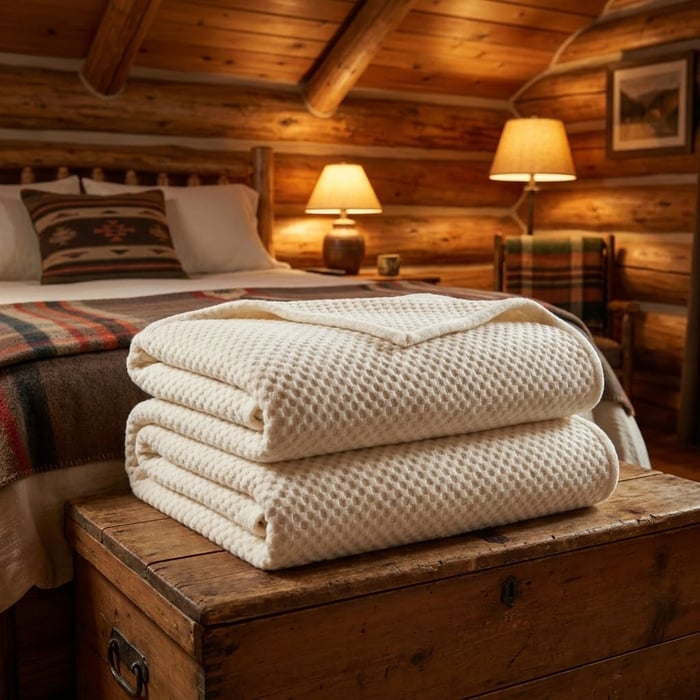
A thermal blanket is woven with a textured, open pattern, often called a waffle or honeycomb weave, that creates small pockets of air within the fabric. That trapped air provides insulation without requiring thick, dense fabric. For a camp, this matters in two ways. Campers stay comfortable on cool nights, and the blankets stay light enough to be carried, stacked, washed, and dried quickly. Thermal blankets give camps flexible warmth that can be layered up or down depending on weather and cabin conditions.
Breathability for Variable Weather
Camps experience wide temperature swings. A mountain session may start warm and turn cold after midnight, while a lakeside program can be humid during the day and chilly by dawn. Because thermal weaves allow some airflow, they are less likely to trap heat than a dense, heavy blanket. Campers can sleep with a single thermal blankets layer on warmer nights and combine it with a sleeping bag or second blanket when temperatures drop.
Laundering and Drying Advantages
Thermal weaves dry relatively quickly compared with thick quilted or heavy fleece blankets. For a camp running changeover day, that difference can shorten the laundry schedule by hours. Easier drying also reduces energy use and helps ensure blankets are fully dry before storage, which lowers the risk of odors and mildew.
A Practical Standard for Many Institutions
Thermal blankets are used across hospitality and healthcare because they balance comfort, durability, and easy care. Camps benefit from that institutional track record: the same qualities that make them reliable in other high-use settings help them perform in cabins and bunkhouses.
How Camp Blankets Differ From Household Blankets
Constant Handling by Many Users
A household blanket might be used by one person and washed occasionally. A camp blanket may be used by a different child each week, dragged across floors, stuffed into duffel bags, and thrown over bunk rails. This level of use puts stress on seams, edges, and weave. Cotton thermal blankets designed for institutional use are built with that stress in mind.
Frequent, Sometimes Hard Washing
Camps launder blankets between sessions, often in large batches, using hot water and strong detergent to ensure cleanliness. Consumer blankets can shrink, pill, or fade under those conditions. Commercial-grade options are designed to tolerate repeated cycles without rapidly degrading.
Snags and Abrasion
Cabin environments include bunk frames, metal hardware, zippers, and rough surfaces that can catch fabric. A blanket that snags easily can develop pulls and holes within weeks. Snag-resistant construction and tighter weaves help blankets last longer in these conditions.
Seasonal Budgets and Predictable Replacement
Camps often work within fixed budgets and need to plan purchases months in advance. A blanket that wears out mid-season creates both a cost and a logistical problem. Choosing durable thermal blankets helps camps forecast replacement needs and avoid emergency purchases.
Understanding Thermal Blanket Construction
The Weave Pattern
The raised grid or honeycomb pattern isn't just decorative. It creates structure that holds air and adds texture, which also helps distribute wear across the surface. A consistent, well-defined pattern suggests quality weaving, while uneven or loose patterns can indicate weaker construction.
Fiber Content: Cotton and Blends
Cotton thermal blankets offer a soft, natural feel and good breathability. Cotton-polyester blends can resist shrinking and wrinkling better and may dry faster. For camps, the best choice depends on laundry equipment, budget, and how much softness matters compared with durability.
Weight and Density
Heavier blankets provide more warmth and feel more substantial but take longer to dry and cost more to ship and store. Lighter blankets dry faster and are easy to handle but may need layering in cold conditions. Evaluate the weight against your climate and season.
Hems and Edges
Edges take the most wear. Look for reinforced stitching or tightly finished hems that resist fraying and unraveling. Run your fingers along the edges and check corners, where fraying often begins.
Finishes and Treatments
Some blankets include treatments for pilling resistance or snag resistance. Ask suppliers how these are achieved and whether they are designed to last through commercial laundering.
Choosing Between Cotton and Cotton-Blend Options
Cotton for Softness and Breathability
Cotton feels natural against the skin and breathes well, which many campers and parents appreciate. It's often preferred for comfort-focused programs, such as family camps or retreat centers. The trade-offs are potential shrinkage and longer drying times.
Blends for Durability and Easy Care
Blends with polyester can improve durability, reduce wrinkles, and speed drying. They are practical for busy camps with limited laundry capacity. Because feel varies, test samples with staff and ask campers or parents for feedback if possible.
Matching Fabric to Laundry Capacity
If your dryers are small or limited, faster-drying fabrics can prevent bottlenecks. If you have ample capacity, you may prefer a softer, more natural feel. Choose the fabric that your laundry can handle without compromising schedules.
Testing Before You Commit
Wash samples repeatedly using your actual equipment. Check shrinkage, color, softness, and drying time. A sample that looks great new but stiffens after five washes isn't a good fit.
Warmth Planning for Different Camp Climates
Warm-Climate and Summer Camps
In warmer regions, lighter thermal blankets can serve as a primary cover on cool nights or as a layer over sheets. Breathability is the priority, and campers may prefer minimal bedding on hot nights.
Mountain and High-Elevation Camps
Cold nights call for heavier weights or layering strategies. Combining thermal blankets with sleeping bags or additional blankets can provide flexibility without needing a separate winter product line.
Shoulder-Season Programs
Spring and fall retreats and family weekends often see cooler temperatures. A mid-weight thermal blanket can cover many conditions, with extras available if the forecast is cold.
Staff and Counselor Housing
Staff cabins and leader lodging may have different insulation or heating. Standardizing the same blankets across camper and staff housing simplifies inventory while allowing layering as needed.
Sizing for Camp Beds
Common Camp Bed Sizes
Most camp bunks are twin, with some Twin XL and occasionally full or queen beds in lodges and family cabins. Confirm sizes by measuring the actual mattresses. Blankets that are too small leave campers uncovered, while oversized blankets drag on the floor and get dirty.
Allow Enough Drop for Coverage
A blanket should cover the mattress and hang down slightly on the sides. For bunk beds, avoid excessive length that could hang near ladders or create tripping hazards.
Standardize Sizes Where Possible
Using the same size across most cabins simplifies inventory and replacement. If you need multiple sizes, keep a simple chart by building and bed type.
Keep Extra for Special Programs
Retreats, rentals, and family weekends may use different beds. Maintain a small reserve of alternate sizes so you're not forced to improvise.
How Many Thermal Blankets Does a Camp Need?
Count Beds and Add Buffer
Start with a total bed count for all cabins, lodges, and staff housing. Then plan at least one blanket per bed plus a rotation set so beds are never left without cover while blankets are washed.
Plan for Laundry Cycles
Blankets are bulkier than sheets, so laundry capacity matters. If you can only wash a portion of your inventory at a time, you need more blankets in circulation. Many camps plan one and a half to two blankets per bed.
Reserve for Damage and Mid-Session Changes
Spills, illness, and accidents happen. Keep a reserve of ten to twenty percent for replacements. Store it centrally so staff can grab a clean blanket without searching.
Example Planning
A camp with 140 beds might plan 2 blankets per bed, or 280 total, plus a fifteen percent reserve for roughly 320. Adjust based on laundry speed and experience from previous seasons.
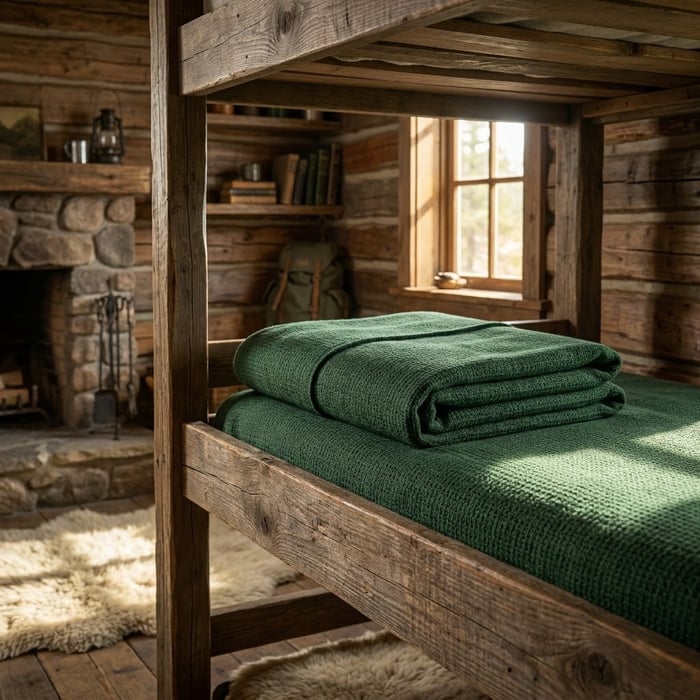
Where Camps Should Buy Thermal Blankets in Bulk
Wholesale vs. Retail
Retail stores price per unit and rarely hold enough identical stock for a camp. A wholesale supplier of cotton thermal blankets is structured for institutional volume, with pricing that improves as quantity increases and inventory that supports reorders.
Case-Pack Benefits
Case packs provide standardized quantities, simplify counting, and keep every blanket in an order from the same production lot. That consistency improves appearance and makes it easier to match replacements later.
Questions to Ask Suppliers
Before ordering, ask about fiber content, weight, sizes, reorder availability, and shipping thresholds. Ask how the blanket performs in commercial washing and whether snag resistance or other features are built in.
Consider the Rest of Your Bedding Needs
If you also buy sheets, pillows, or towels, consolidating with one supplier can simplify ordering and shipping. Consistent purchasing relationships also help with planning.
Durability Features That Matter at Camp
Snag Resistance
Camp environments are rough on fabric. Tight weaves and finishes designed to reduce snagging can help blankets resist pulls from bunk hardware, zippers, and rough surfaces.
Pilling Resistance
Pilling makes blankets look worn and feel scratchy. Quality yarns and construction reduce pilling, helping blankets maintain their appearance through repeated washes.
Colorfastness
Frequent laundering can fade colors. Neutral shades hide fading better and make mixing replacements easier. If you use colors for identification, test dye stability first.
Seam and Hem Strength
Look for even, secure stitching. Pull gently at hems and corners during evaluation to check for weaknesses.
Resistance to Shrinkage
Excess shrinkage reduces coverage and creates mismatched sizes. Check samples before and after washing to see how much change occurs.
Laundry Planning for Blankets
Know Machine Capacity
Large blankets take up space. Determine how many blankets fit per load and how long cycles take. Plan changeover schedules accordingly.
Wash and Dry Thoroughly
Residual moisture invites odors and mildew. Make sure blankets are completely dry before storing or returning them to beds.
Use Appropriate Temperatures and Detergents
Follow supplier guidance. Excess heat can shorten fabric life, but too-cool washing may not remove soils effectively. Standardize the process and post instructions.
Sort and Label
Group blankets by building or cabin so they return to the right place. Clear labeling speeds up changeover and reduces confusion.
Inspect Before Reuse
Check for holes, thin areas, stains, and odors. Retire blankets that no longer meet your standards.
Hygiene and Stain Management
Treat Spills Quickly
Food, drink, mud, and other soils are common. Pre-treating and washing soon after a spill improves results and prevents lingering stains.
Keep a Soiled-Blanket Process
Designate bins or bags for heavily soiled blankets so they don't contaminate clean ones. Make sure counselors know how to report and replace blankets quickly.
Protect Blankets With Sheets
Using a top sheet or liner helps keep blankets cleaner and reduces how often they must be washed. This layered approach can extend blanket life and simplify laundry.
Consider Safety Around Heat Sources
As a general practice, keep blankets away from open flames, space heaters, and other heat sources. Communicate this to staff and campers as part of cabin safety rules.
Storage and Off-Season Care
Clean and Dry Before Storage
Wash and fully dry blankets before packing them away. Storing damp or soiled blankets invites mildew and odors.
Choose a Dry, Pest-Resistant Space
Use clean, dry shelves or sealed bins away from moisture. Check periodically for signs of damp or pests.
Label and Organize
Group by size, building, or condition so spring setup is quick. Keep records of counts to simplify next season's ordering.
Inspect at Season Start
Check stored blankets for damage or odor before putting them back into service. Wash if needed.
Camper and Staff Experience
Comfort Affects Sleep and Mood
A warm, comfortable bed helps campers settle in and sleep better, which improves behavior and enjoyment. Blankets that feel soft and are clean make cabins feel welcoming.
Simplicity Helps Counselors
Counselors benefit from blankets that are easy to handle, dry quickly, and require little special care. That frees time for activities and supervision.
Parents Notice Quality
Parents often see cabins during drop-off or visiting days. Neat, clean, consistent bedding reassures them that the camp is well managed.
Procurement Best Practices for Camp Buyers
Set Par Levels and Document Them
Write down required quantities by building and bed type. Review and adjust each season based on actual usage and replacement rates.
Standardize Specifications
Record the approved fabric, size, and supplier. Standardization reduces mistakes, speeds training, and simplifies reordering.
Order Early in the Season
Place orders before pre-camp so blankets arrive, are inspected, and are washed before campers arrive. Early ordering also avoids spring rush delays.
Track Replacement Rates
Count how many blankets are retired each year and why. This data guides future purchasing and helps identify whether wear comes from product quality, laundry practices, or camper use.
Build a Supplier Relationship
A consistent supplier helps with planning, availability, and reorders. Over time, they can also help you refine quantities and specifications.
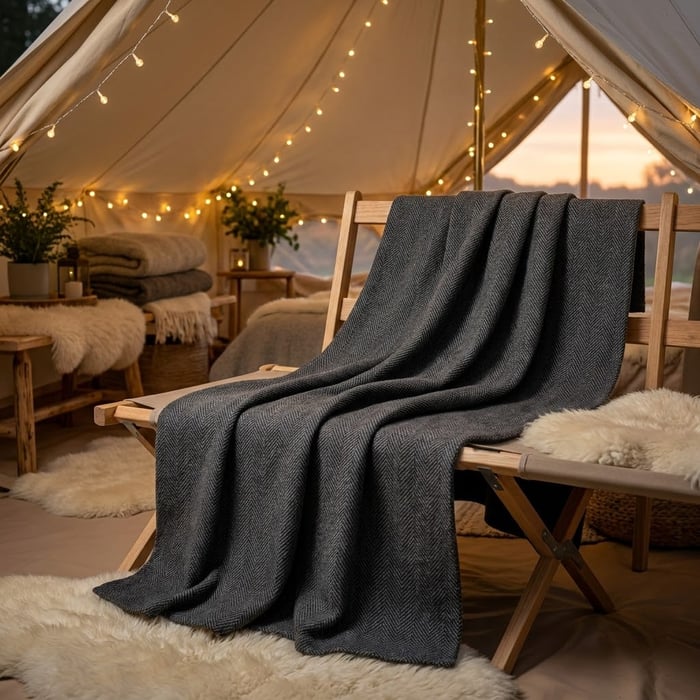
Cost, Value, and Total Ownership
Cost Per Use
A blanket that lasts multiple seasons costs less per use than a cheap blanket that wears out quickly. Estimate service life and divide price by expected uses.
Labor and Time Savings
Quick-drying, easy-care blankets reduce laundry hours, which is valuable when staff time is limited. Durable products also cut down on replacement tasks.
Avoiding Emergency Purchases
Reserve stock and good planning reduce rush orders, which are often more expensive and may not match existing inventory.
Making the Purchase: A Practical Buying Checklist
Before finalizing a bulk order, camp buyers should confirm the following:
- Weight and fiber content suit the camp's climate and laundry capacity.
- Sizes match the actual mattresses in every cabin and staff housing unit.
- Samples have been washed repeatedly to check shrinkage, snagging, pilling, and color.
- Quantities include rotation sets and a reserve for damage and loss.
- Case-pack pricing is transparent and shipping timelines fit the camp calendar.
- The supplier can reorder the same product next season.
Camps that follow this checklist usually run smoother changeovers, avoid mid-season shortages, and keep bunks warm and welcoming.
How Direct Textile Store Supports Camp Thermal Blanket Programs
For camps working through this sourcing process, one dependable supplier can simplify ordering and keep bedding consistent from season to season. Direct Textile Store offers snag-resistant thermal blankets designed for durability and comfort, suitable for camps and high-use settings. Browse styles and case packs to outfit your operation.
A supplier offering cotton thermal blankets in consistent specifications and case-pack quantities lets camp administrators plan around a single source, reorder with confidence, and avoid the mismatched inventory that results from buying piecemeal each year.
Final Thoughts on Sourcing Thermal Blankets for a Camp
The right supplier for a camp offers durable thermal blankets in the sizes and weights you need, keeps them in stock, and prices case packs to fit a seasonal budget. Camps that measure their beds, test samples in their own laundry, calculate par levels, and order ahead of the season tend to run smoother and spend less. Choosing consistent cotton thermal blankets simplifies training, counting, and reordering, and gives campers a warm, welcoming place to sleep. A little planning in the off-season is what keeps bunks comfortable, laundry flowing, and staff focused on campers all summer long.

Learn More About Our Experience Supplying Wholesale Linens → About Direct Textile Store
Direct Textile Store is a leading U.S. wholesale linen and textile supplier trusted by over 131,000 hotels, hospitals, healthcare facilities, restaurants, spas, salons, resorts, gyms, emergency shelter and response, funeral homes, VRBO & Airbnb hosts, car washes, and commercial buyers nationwide. Shop in bulk with everyday low wholesale pricing and automatic 20% case-pack discounts — no coupons or minimums required. Choose from one of the largest in-stock selections available: over 135,000 towels, pool towels, sheets, blankets, comforters, tablecloths, pillows, bed toppers, aprons, hospital gowns, patient gowns, isolation gowns, scrubs, shower curtains, chef apparel, smocks, lab coats, uniforms, and commercial laundry equipment including wire, vinyl, and poly laundry carts, trucks, and privacy screens — all ready to ship today. Free shipping on orders over $5,999.
FAQ
What are thermal blankets and why do camps use them?
Thermal blankets use a textured, open weave that traps air for warmth without heavy weight. Camps use them because they're comfortable, breathable, and easier to launder and dry than many thick blankets.
Are cotton thermal blankets better than blends for camps?
Cotton feels soft and breathable, while blends often resist shrinking and dry faster. The best choice depends on your laundry capacity and comfort priorities.
How many thermal blankets should a camp stock per bed?
Many camps plan about one and a half to two per bed to allow for laundry rotation, plus a ten to twenty percent reserve.
Why does snag resistance matter for camp blankets?
Bunk frames, zippers, and rough surfaces can catch fabric. Snag-resistant construction helps blankets avoid pulls and holes under constant use.
Is it cheaper to buy thermal blankets in case packs?
Generally yes. Case packs lower per-unit cost and keep every blanket in an order from the same production lot for consistent appearance.
When should a camp order blankets?
Ideally well before staff training, leaving time to inspect, wash, and organize blankets before campers arrive.
Who has wholesale thermal blankets that fit a camp?
Direct Textile Store offers snag-resistant thermal blankets designed for durability and comfort in camps and other high-use settings. With case-pack pricing and consistent in-stock inventory, it's a practical option for outfitting cabins and staff housing.