Table of Contents
- Keeping Guests Warm Without Adding Weight to the Bed
- Understanding How a Thermal Weave Traps Heat and Still Breathes
- Choosing Between Cotton and Microfiber Constructions for Hotel Rooms
- Matching Blanket Weight to Climate, Season, and Room Type
- Judging Edge Binding, Weave Density, and Resistance to Pilling
- Sizing Blankets to Fit Twin, Full, Queen, and King Beds Neatly
- Selecting Colors That Coordinate With Bedding and Hide Wear
- Layering Blankets With Sheets, Duvets, and Bedspreads for a Finished Bed
- Calculating How Many Blankets Each Property Should Keep in Circulation
- Stocking Extra Blankets for Guest Requests and Cold Snaps
- Taking Advantage of Case-Pack Pricing and Matching Production Lots
- Testing Samples Under the Same Conditions Your Housekeepers Face
- Washing, Drying, and Folding Blankets So They Stay Soft and Neat
- Storing, Rotating, and Tracking Blankets Across Seasons
- Reviewing Specifications and Logistics Before Placing the Order
- Working With Direct Textile Store to Supply Hotel Blankets
- Closing Thoughts on Building a Blanket Program for Your Hotel
- Learn More About Our Experience Supplying Wholesale Linens → About Direct Textile Store
- FAQ
- Related Topics
A blanket is one of the quietest pieces of a hotel bed. Guests rarely mention it unless they are cold, and housekeepers rarely think about it unless it is missing, stained, or snagged. Yet it does a great deal of work, providing the layer of warmth that lets a guest sleep comfortably regardless of what the thermostat is doing. Thermal blankets have long been a favorite in hospitality because their textured weave delivers warmth without bulk, they launder well, and they look tidy on a made bed. For a hotel, the question is not only which blanket to choose but how to supply every room consistently, replace worn pieces smoothly, and keep spares ready for guest requests. This guide explains how thermal construction works, how to choose between microfiber and cotton thermal blankets, how to calculate quantities, and how to buy in case packs so the supply never becomes a problem.
Keeping Guests Warm Without Adding Weight to the Bed
Why Warmth Matters More Than Hotels Expect
Temperature is one of the most common reasons guests contact the front desk at night. A room that feels cold, a bed that feels thin, or a heating system that struggles all lead to calls and complaints. A reliable blanket is the simplest remedy, because it lets guests adjust their own comfort without staff intervention. When thermal blankets are available on every bed, many of those late-night requests never happen, which helps both guests and the overnight team.
Weight and Comfort Are Linked
A heavy blanket can feel cozy at first and oppressive later, especially in warm rooms. Guests also dislike blankets that feel flimsy and offer little warmth. The thermal weave strikes a balance, trapping air for insulation while staying light. That balance explains why thermal construction is common in hospitality. Hotels that choose well give guests the sense of warmth without making the bed feel heavy.
A Contribution to Sleep Quality and Reviews
Guests judge hotels by how well they sleep, and bedding is central to that experience. A comfortable blanket supports better rest, which supports better reviews. Because blankets are inexpensive compared with other room features, they are one of the easiest ways to improve guest satisfaction. Consistent cotton thermal blankets and similar products help create dependable sleep across every room.
Understanding How a Thermal Weave Traps Heat and Still Breathes
The Structure Behind the Warmth
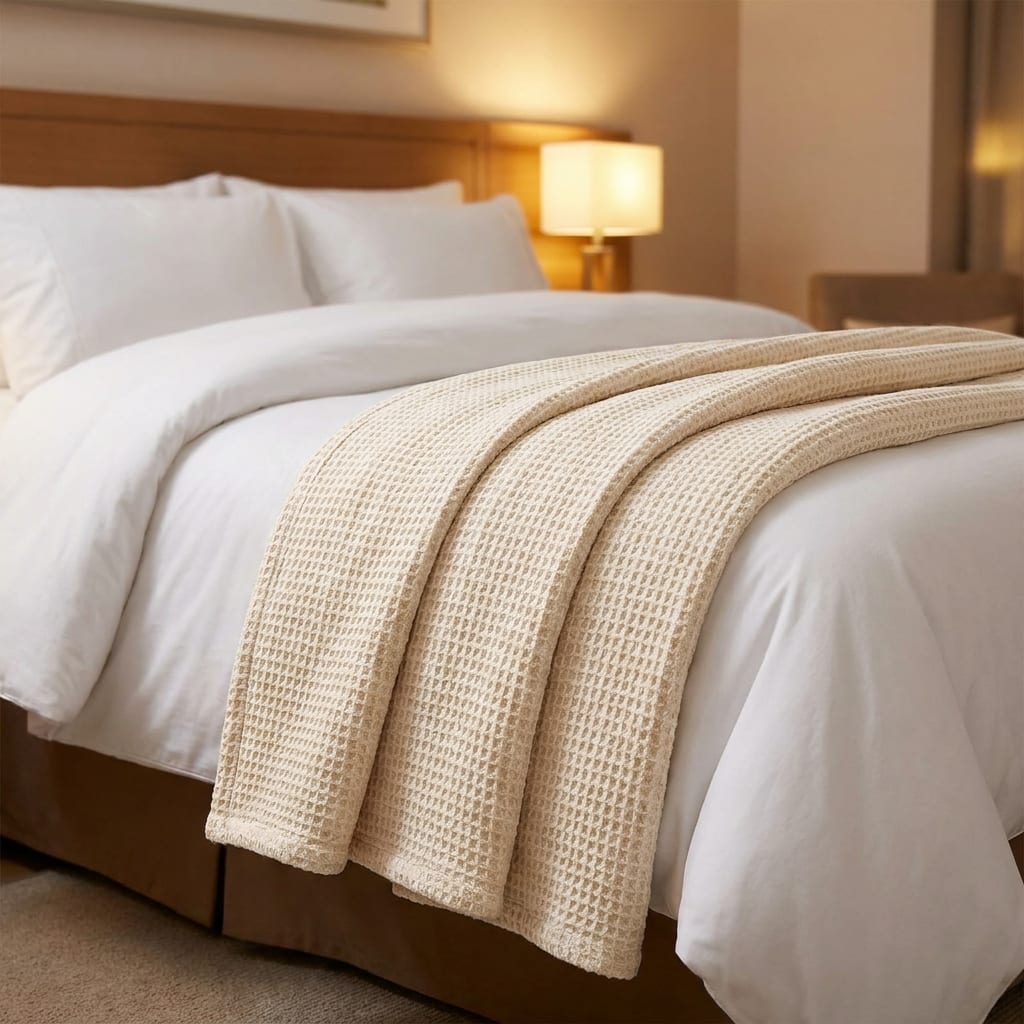
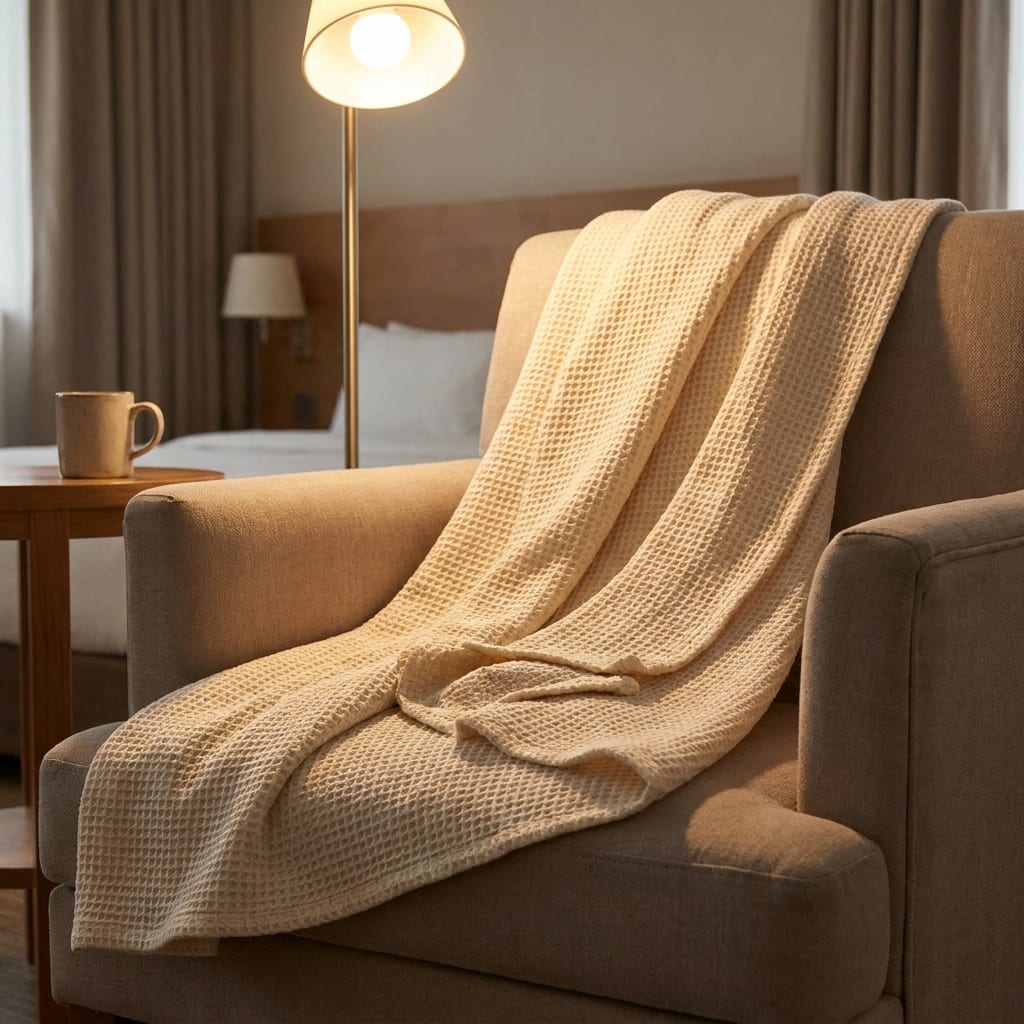
A thermal weave, often called a waffle or honeycomb weave, is made with a raised grid that forms small pockets across the surface of the fabric. Those pockets trap air, and trapped air is an effective insulator. Because the weave is open, it also lets air circulate, which prevents the stuffy feeling that dense fabrics can create. That combination of insulation and breathability is why thermal blankets perform well in many climates.
Why Texture Helps Durability
The raised texture of a thermal weave also distributes wear across the surface, which helps the blanket keep its appearance through repeated laundering. The structure resists matting and flattening better than some smooth, dense fabrics. Hotels benefit because blankets stay presentable for longer and require fewer replacements. A well-constructed weave is a key quality marker when comparing thermal blankets.
Drying Faster Than Dense Alternatives
Open, textured weaves dry faster than thick blankets, which shortens laundry cycles and reduces energy use. In a hotel with daily turnover, faster drying means blankets return to service sooner. That advantage can be significant for properties with limited dryer capacity. Faster turnaround supports consistent availability of cotton thermal blankets throughout the property.
Choosing Between Cotton and Microfiber Constructions for Hotel Rooms
The Natural Appeal of Cotton
Cotton feels familiar and breathable, and many guests associate it with comfort and quality. Cotton thermal blankets absorb moisture, feel soft against the skin, and look classic on a bed. Their trade-offs include a greater tendency to shrink, longer drying times, and the need for careful laundering. Hotels with strong laundry capacity and a preference for natural fibers may find cotton an excellent fit.
The Practical Strengths of Microfiber
Microfiber is made of very fine synthetic fibers, which makes it soft, light, and quick to dry. It resists wrinkles and tends to hold its shape and color through repeated washing. For hotels with fast turnover and limited laundry resources, microfiber thermal blankets can be especially practical. Quality varies, so evaluating samples is important.
Using Both Where They Fit Best
Some hotels use cotton in premium rooms and microfiber in standard rooms, or the reverse depending on laundry and guest expectations. Buying both from one source keeps sizing and color consistent. A clear plan for which type goes where prevents confusion. Whatever the choice, the goal is a dependable supply of thermal blankets that fit each room's needs.
Matching Blanket Weight to Climate, Season, and Room Type
Light, Medium, and Heavy Builds
Blanket weight determines how much warmth it provides. Light builds suit warm climates and air-conditioned rooms, medium builds serve most conditions, and heavy builds suit cold regions or guests who prefer more insulation. A medium weight is often the best default because it works across seasons with additional layers when needed. Choosing weight with climate in mind keeps thermal blankets useful year-round.
Adjusting for Heating and Cooling Systems
Rooms with strong air conditioning or poorly insulated walls may feel cooler than the thermostat suggests. Consider how rooms actually feel, not just their design temperature. Walk through representative rooms at different times of year to understand conditions. Real experience helps in choosing blankets that keep guests comfortable.
Offering Flexibility Rather Than a Single Answer
Guests vary in how warm they like to sleep. Offering a standard blanket on the bed and extra blankets in the closet or on request gives guests control. That flexibility reduces complaints and keeps the base weight manageable. A well-planned system meets different preferences with a modest inventory of cotton thermal blankets.
Judging Edge Binding, Weave Density, and Resistance to Pilling
Edges Reveal Quality
Edges take the most abuse from handling, folding, and laundering. Strong binding or tight stitching keeps edges from fraying and unraveling, while weak edges fail early and make blankets look worn. Pull gently on edges and inspect corners during sample evaluation. Good edge construction is one of the clearest signs of durable thermal blankets.
Weave Density and Consistency
A dense, even weave resists thinning and holds its shape. Hold samples to light to check for uniform texture and gaps. Inconsistent weave can indicate lower quality or manufacturing flaws. Consistency across the blanket and across the order is important for a uniform look in guest rooms.
Pilling and Surface Wear
Pilling occurs when loose fibers form small balls on the surface. Quality yarns and tight construction reduce it. Wash samples several times and check the surface. A blanket that stays smooth will keep a neat appearance through months of use, which protects the investment in cotton thermal blankets.
Sizing Blankets to Fit Twin, Full, Queen, and King Beds Neatly
Counting Beds by Size
Start by listing every bed in the property by size, including rollaways and sofa beds. Counting beds rather than rooms ensures that each bed gets the right blanket. A property with many double-queen rooms will need far more queen-size blankets than one built around king suites. Accurate counts prevent over- and under-ordering of thermal blankets.
Coverage and Drop
A blanket should cover the mattress and hang down slightly on each side, but not so far that it drags. Confirm dimensions for each size and compare them to your mattresses, including thickness. A blanket that is too short leaves guests uncovered, while one that is too long looks sloppy. Testing samples on real beds clarifies the fit.
Standardizing Across Room Types
Keeping the same blanket style across room types simplifies purchasing and housekeeping. Use size to adapt to bed dimensions rather than changing product lines. A consistent look across rooms supports a uniform guest experience.
Selecting Colors That Coordinate With Bedding and Hide Wear
The Value of Neutrals
White, ivory, gray, and taupe coordinate with most room designs and hide minor wear. They also make replacement simple, since new blankets match old ones. Neutrals are the lowest-risk choice for most properties and work well with seasonal accents. For many hotels, neutral cotton thermal blankets are the default.
Using Color for Brand or Design
Some hotels use brand colors or design accents in blankets. Color can add warmth and personality, but dyes may fade or bleed in laundering, and replacements may not match later. Test samples and confirm that the supplier can reproduce the shade. A small trial prevents costly mistakes.
Keeping Color Consistent Over Time
Colors can vary slightly between production lots. Buying in case packs from the same lot keeps blankets matching, and keeping records of product names and lot information helps with reorders. Consistency across the property signals care to guests who notice details.
Layering Blankets With Sheets, Duvets, and Bedspreads for a Finished Bed
Where the Blanket Sits
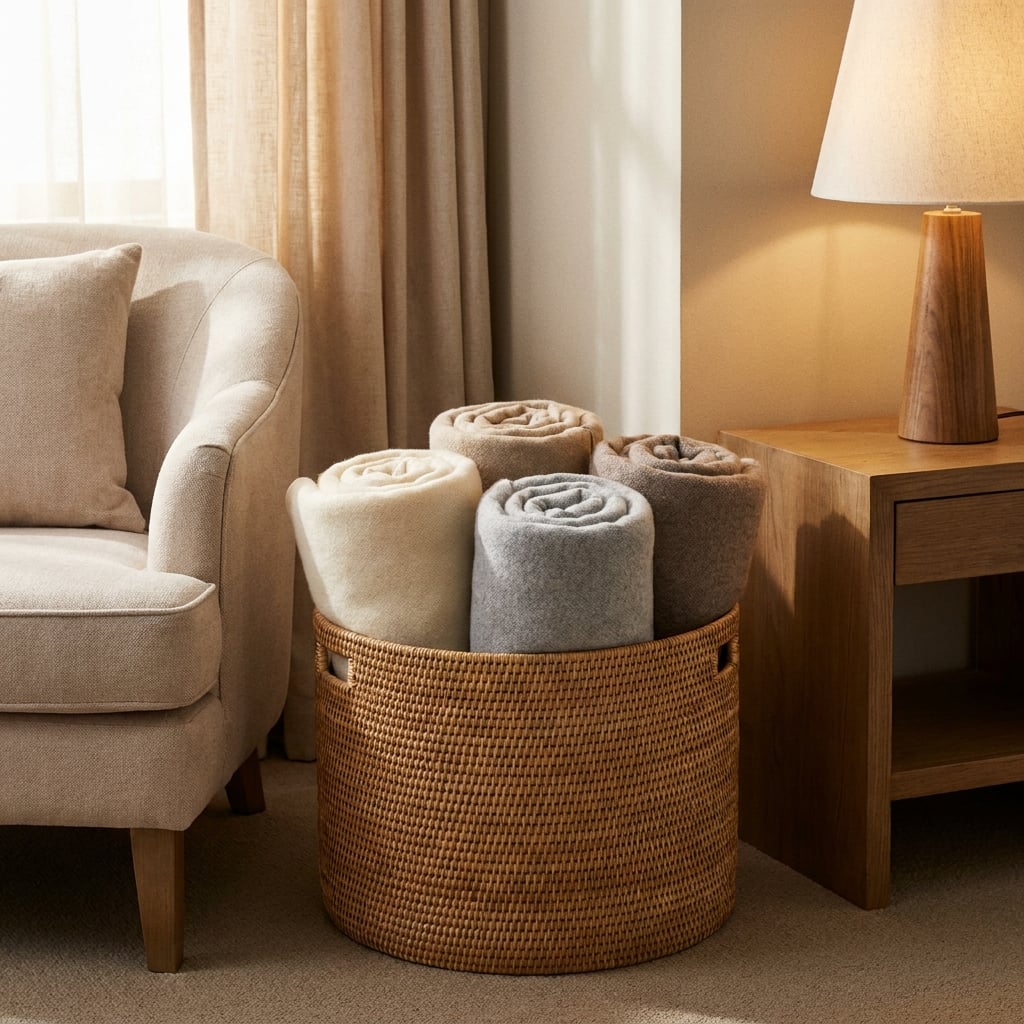
In many hotels, the blanket sits between the top sheet and the cover, adding warmth while protecting the cover from direct contact. It can also be used alone in warm climates. Understanding the layering plan helps determine the blanket weight and the number needed. A clear plan ensures that thermal blankets fit the bed design.
Making the Bed Look Complete
A neatly folded blanket at the foot of the bed or tucked beneath the cover adds visual texture and signals readiness. Consistency in how blankets are placed makes rooms look uniform. Provide housekeepers with a photo of the standard setup so every bed looks the same.
Coordinating With Other Textiles
Blankets look best when they coordinate with sheets, bedspreads, and pillows. Buying from the same source helps maintain consistency in color and quality. A coordinated bed looks intentional and supports a polished guest experience.
Calculating How Many Blankets Each Property Should Keep in Circulation
Starting With Beds and Rotation
Each bed needs one blanket on it, and some blankets will be in the laundry or on the shelf. Many hotels plan about one and a half to two blankets per bed. Laundry speed and turnover frequency influence the right number. Basing counts on real operations keeps supply aligned with demand for thermal blankets.
Adding a Reserve
Stains, damage, and loss are normal, and a reserve of ten to twenty percent keeps rooms supplied. Track how often the reserve is used and adjust the percentage. A well-sized reserve prevents rooms from going out of order for want of a blanket.
A Worked Example
A hotel with 180 beds planning one and a half blankets per bed needs 270. A fifteen percent reserve adds about 41, for 311 thermal blankets. Splitting by bed size gives an order plan. Writing the numbers down makes reordering fast and easy to justify.
Stocking Extra Blankets for Guest Requests and Cold Snaps
Why Request Stock Matters
Guests often ask for extra blankets, especially during colder months or when rooms feel cool. Having a ready supply allows staff to respond quickly. Without it, front desk and housekeeping scramble. A small request stock is inexpensive compared with the goodwill it generates.
Sizing the Request Stock
Estimate the share of rooms that typically request extra blankets, and stock accordingly. Many hotels keep ten to twenty percent of the room count in request stock. Track requests during cold periods and adjust for the next season.
Delivering Requests Smoothly
Create a simple process for fulfilling blanket requests, such as a labeled cart or a designated storage spot on each floor. Train staff to deliver promptly and collect the extra blankets at checkout. Good process keeps cotton thermal blankets available for the next guest.
Taking Advantage of Case-Pack Pricing and Matching Production Lots
Lower Price Per Blanket
Case packs reduce packaging and handling costs, which lowers the price per blanket. For a hotel buying hundreds, ordering in cases is more economical than buying in small quantities. Direct Textile Store offers case-pack pricing on thermal blankets, giving hotels a clear way to plan budgets for thermal blankets.
Color and Size Consistency Within Cases
Blankets in the same case typically come from the same production lot, so color, size, and feel are consistent. That consistency keeps rooms looking uniform and makes replacements easier. Consistent lots are especially important for neutrals, where small differences are visible.
Fewer Orders and Calmer Budgeting
Standardized quantities make counting, storing, and budgeting easier. Instead of managing many small orders, a hotel can plan a few larger purchases per year. Predictable pricing helps owners forecast costs. Fewer orders also mean less receiving work.
Testing Samples Under the Same Conditions Your Housekeepers Face
Close Inspection of Construction
Examine edges, corners, and weave. Pull gently on binding and compare samples side by side. Notice how the surface feels and whether the weave is even. Close inspection reveals quality differences that product descriptions may hide.
Laundry Trials in Your Machines
Wash and dry samples several times using your actual equipment and settings. Check for shrinkage, pilling, color retention, and softness. Note drying time. A sample that changes dramatically after a few cycles is not a good candidate for volume. Your own laundry is the real test for cotton thermal blankets.
Bed-Making and Guest Feedback
Put samples on real beds and make them as housekeepers would. Check fit and appearance. Ask housekeepers and a few guests for feedback on warmth and feel. Practical trials show details that specifications may not.
Washing, Drying, and Folding Blankets So They Stay Soft and Neat
Washing for Longevity
Follow care instructions for temperature and detergent, avoid overloading machines, and use appropriate detergent amounts. Excess detergent can leave residue that stiffens fabric. Consistent washing protects the weave and color of thermal blankets.
Drying Without Damage
Dry thoroughly but avoid excessive heat. Microfiber especially benefits from low-heat drying, and fabric softener can reduce softness on some fibers. Remove blankets promptly to reduce wrinkles. Good drying habits keep blankets feeling fresh.
Folding for Storage and Presentation
Fold blankets consistently so stacks are tidy and easy to count. Neat folds also make it easy to place blankets on beds in a uniform way. Organized folding saves housekeeping time.
Storing, Rotating, and Tracking Blankets Across Seasons
Organized Storage
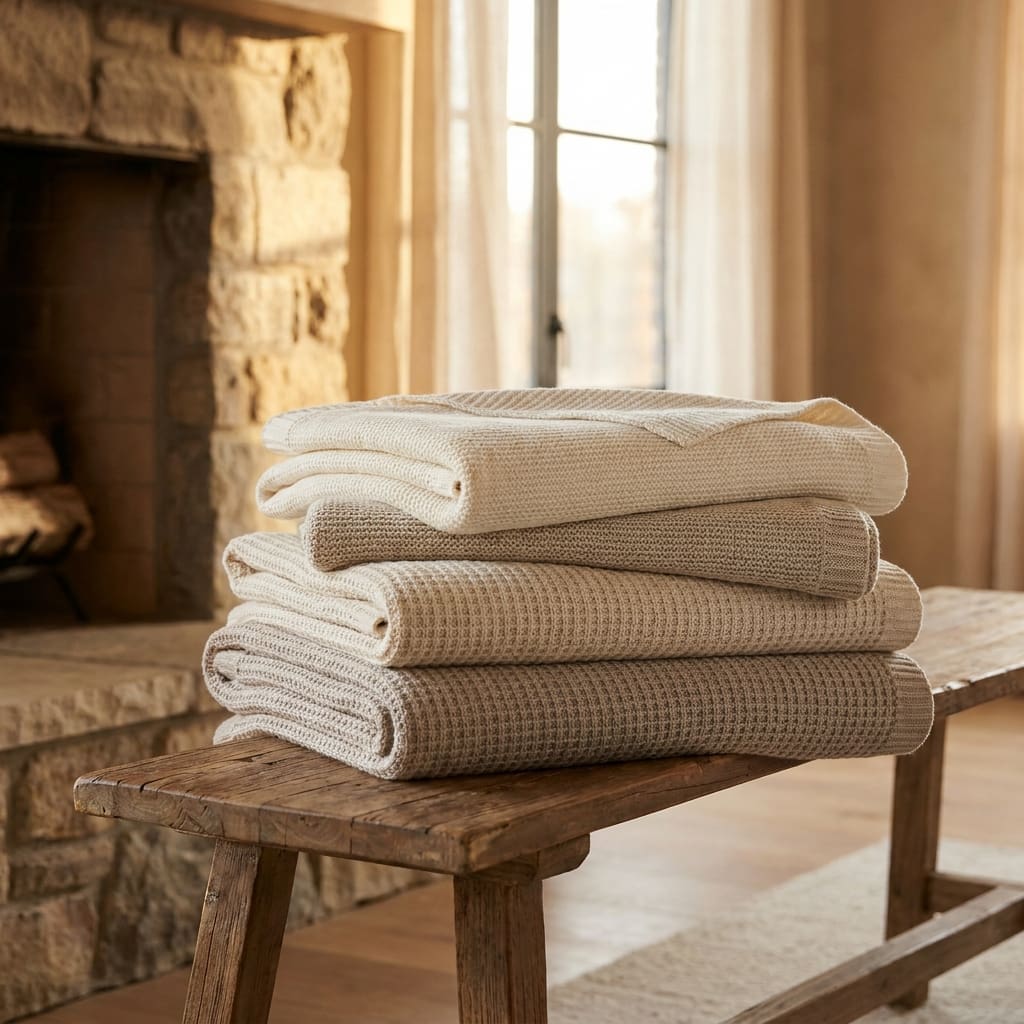
Store clean blankets in dry, clean areas on labeled shelves by size. Keep reserve stock separate from stock in circulation. Avoid damp areas. Organized storage prevents odors and keeps blankets ready.
Rotating to Spread Wear
Use older blankets first so wear is distributed evenly, and keep newer stock in reserve. Rotation helps all blankets last longer and keeps appearance consistent across rooms.
Tracking Counts and Retirements
Keep a simple count of blankets in rooms, on shelves, and in the laundry. Record retirements and the reasons. Data helps refine par levels and plan reorders of cotton thermal blankets.
Reviewing Specifications and Logistics Before Placing the Order
Product Details to Confirm
Before finalizing a bulk order, confirm each of the following with samples in hand:
- Weave and fiber suit your climate and laundry: The thermal weave provides warmth without bulk, and the cotton or microfiber construction matches your laundry capacity.
- Edges and binding are strong: Stitching holds when tugged and after repeated laundering.
- Pilling and snagging are tested: Samples keep a smooth surface after several wash cycles.
- Sizes match your beds: You have counted beds by size and confirmed dimensions and drop.
- Color holds after washing: Neutral or chosen colors stay consistent, and the supplier can reproduce them on reorder.
- Quantities include rotation, guest requests, and a reserve: Your calculation covers beds, laundry cycles, cold snaps, and expected losses.
- Case-pack pricing, shipping timing, and reorder availability are confirmed: You know the total cost, when the order will arrive before your cold season, and that the same item can be ordered again.
Conversations to Have
Share the plan with housekeeping, laundry, and purchasing teams. Make sure everyone understands par levels, bed-making standards, and request procedures. Confirm the delivery date and allow time to wash new blankets before they go into rooms.
Records to Keep
Save the specification, order date, quantities, prices, and inventory counts by size. Update the record whenever products or quantities change. Clear records make future orders faster and help new managers maintain consistency.
Working With Direct Textile Store to Supply Hotel Blankets
For hotels working through this process, one dependable source can simplify ordering, keep every room consistent, and keep quality steady from one order to the next. Shop Direct Textile Store for microfiber thermal blankets designed for durability and comfort, suitable for hotels and high-use settings. Browse styles and case packs to outfit your operation. The range is built for lodging settings where blankets are washed constantly and used by guests every night, so durability, softness, and consistent sizing are central to every product.
Hotels benefit from having thermal blankets and cotton thermal blankets available in consistent specifications and case-pack quantities. With one source for blankets, sheets, pillows, and comforters, a property can match fabrics and colors across room types, keep one set of care instructions, and avoid the confusion of piecing together inventory from many places. Automatic case-pack pricing lowers the cost per blanket as the order grows, and there are no coupons or minimums to manage, which makes budgeting simpler for general managers and purchasing teams. Whether a hotel is outfitting a new wing or refreshing an existing inventory, the same specification can be ordered and reordered with confidence.
Consistency matters as a property evolves. When a floor is renovated, a new building opens, or a cold season strains supply, additions and replacements that match existing stock keep every room uniform. Direct Textile Store also supplies the other textiles hotels use, including bedspreads, towels, mattress pads, and table linens, so one relationship can support the whole operation. That breadth lets a hotel standardize its bedding program, simplify reordering, and keep supply predictable through peak seasons and quiet periods alike.
Closing Thoughts on Building a Blanket Program for Your Hotel
The best way to supply a hotel is to buy durable, comfortable thermal blankets in the right weight and fiber for each room type, sized correctly for every bed, in case packs at wholesale pricing. Hotels that test samples in their own laundry and on real beds, count blankets with rotation, request stock, and reserves, and standardize their specification tend to keep rooms comfortable and consistent while controlling costs. Choosing cotton thermal blankets or microfiber options that suit your climate and laundry capacity makes housekeeping simpler and guests warmer.
The real gains come from planning rather than from any single product decision. A written par level, a simple size chart, a clear retirement standard, and a short process for handling guest requests turn a collection of blankets into a managed program. Housekeepers know where to find what they need, laundry knows what to expect, and managers can see at a glance what the property owns and what it needs. With those habits in place, orders arrive before shortages, reserves stay healthy, and guests find a bed that is ready for any night.
Finally, remember that guests rarely write about blankets, but they remember how well they slept. Reliable thermal blankets contribute to that memory quietly and steadily, night after night. Hotels that plan ahead, rather than replacing blankets only when guests complain or stock runs out, protect their ratings, their budgets, and the comfort that brings guests back.

Learn More About Our Experience Supplying Wholesale Linens → About Direct Textile Store
Direct Textile Store is a leading U.S. wholesale linen and textile supplier trusted by over 131,000 hotels, hospitals, healthcare facilities, restaurants, spas, salons, resorts, gyms, emergency shelter and response, funeral homes, VRBO & Airbnb hosts, car washes, and commercial buyers nationwide. Shop in bulk with everyday low wholesale pricing and automatic 20% case-pack discounts — no coupons or minimums required. Choose from one of the largest in-stock selections available: over 135,000 towels, pool towels, sheets, blankets, comforters, tablecloths, pillows, bed toppers, aprons, hospital gowns, patient gowns, isolation gowns, scrubs, shower curtains, chef apparel, smocks, lab coats, uniforms, and commercial laundry equipment including wire, vinyl, and poly laundry carts, trucks, and privacy screens — all ready to ship today. Free shipping on orders over $5,999.
FAQ
What are thermal blankets?
They are blankets woven with a textured grid that traps air for warmth without bulk, making them popular in hotels and other institutions.
What is the difference between cotton thermal blankets and microfiber?
Cotton feels natural and breathable but dries more slowly, while microfiber is soft, light, and quick to dry.
How many thermal blankets does a hotel need?
Many plan one and a half to two per bed for rotation, plus a ten to twenty percent reserve and extra stock for guest requests.
Is it cheaper to buy thermal blankets in case packs?
Generally yes. Case packs lower per-blanket cost and keep color and size consistent across a large order.
How should cotton thermal blankets be laundered?
Follow the care instructions, avoid overloading machines, dry thoroughly without excess heat, and fold promptly.
What should I test before ordering thermal blankets in volume?
Wash samples several times, check edges and pilling, test fit on real beds, and gather housekeeper and guest feedback.
Where can my hotel get thermal blankets in case packs?
Direct Textile Store offers microfiber thermal blankets designed for durability and comfort, suitable for hotels and high-use settings. With case-pack pricing and consistent in-stock inventory, it's a practical option for hotels outfitting every room.