Table of Contents
- Mattress Surface Wear and the Hidden Cost of Unprotected Beds
- Protective Layer Choices Separating Pads From Waterproof Protectors
- Comfort Layer Loft Created by Quilted Construction
- Box-Stitched Patterns Holding Fill Evenly Across the Surface
- Cover Fabric Selection Balancing Softness, Breathability, and Durability
- Fill Options Including Polyester Fiberfill and Hypoallergenic Alternatives
- Skirt Depth and Elastic Anchoring for Thick Mattresses and Toppers
- Sheet Layer Compatibility Preventing Slipping and Bunching
- Top-of-Bed Coordination With Comforters, Duvets, and Throws
- Size Planning Across Studios, Family Homes, and Multi-Bedroom Listings
- Laundry Frequency, Drying Methods, and Loft Restoration
- Par Level Math for Single Properties and Portfolios
- Case-Pack Pricing, Lot Matching, and Reorder Calendars
- Sample Trials Led by Cleaners and Hosts
- Final Order Checklist for Rental Bed Layer Purchases
- Direct Textile Store Support for Vacation Rental Bed Programs
- Closing Thoughts on Protected, Comfortable Rental Beds
- Learn More About Our Experience Supplying Wholesale Linens → About Direct Textile Store
- FAQ
- Related Topics
A vacation rental mattress works harder than most hosts expect. It carries a different guest every few nights, absorbs sunscreen, spilled drinks, sweat, and the occasional accident, and has to feel comfortable to everyone who lies down on it, from a toddler to a tall adult. Replacing a mattress after only a few seasons is one of the most expensive surprises in the business, and a stained or sagging one can sink a review score overnight. Mattress pads are the inexpensive layer that changes those economics, protecting the surface, adding cushion, and giving every bed a clean, consistent feel from the first guest to the thousandth. Box-stitched construction keeps the fill from shifting, even through endless laundering. This guide explains how the bed stack works, how to choose fit and fabric, how to plan quantities across listings, and how to buy quilted mattress pads in case packs so every bed stays protected and ready.
Mattress Surface Wear and the Hidden Cost of Unprotected Beds
Replacement Costs That Dwarf Linen Budgets
A quality mattress represents hundreds or thousands of dollars per bed, and a host with several listings may own dozens of them. Unprotected mattresses accumulate stains, odors, body impressions, and surface breakdown far faster in rentals than in homes, because turnover multiplies exposure. Replacing mattresses early drains capital and interrupts bookings while rooms sit empty. Protecting the surface with durable mattress pads costs a small fraction of mattress replacement and often delays that expense by years. Hosts who track mattress lifespan quickly see how much value a protective layer adds, which makes it one of the highest-return purchases in a rental's bedding budget.
Guest Comfort Shaped by Surface Condition
Guests judge beds by how they feel under the sheet, and an old or unevenly worn mattress can feel lumpy, thin, or sagging. A pad adds a smooth cushioning layer that evens out minor wear and improves perceived comfort. That difference shows up in reviews as comments about sleeping well, even when the underlying mattress is modest. Hosts who upgrade comfort cheaply through pads often see better ratings without replacing furniture. Quilted mattress pads are particularly effective because their loft softens the surface without adding bulk that interferes with sheets.
Hygiene Perceptions and Fresh-Bed Confidence
Guests care deeply about hygiene, and mattresses are a common source of worry. A washable layer between the sheet and the mattress reassures guests and gives hosts a way to refresh the sleeping surface regularly. Pads can be laundered on a schedule, which resets the bed in a way that wiping or airing cannot. That visible freshness supports reviews that mention cleanliness. Dependable quilted mattress pads help every bed feel newly prepared regardless of the mattress underneath.
Protective Layer Choices Separating Pads From Waterproof Protectors
Understanding What Each Product Does
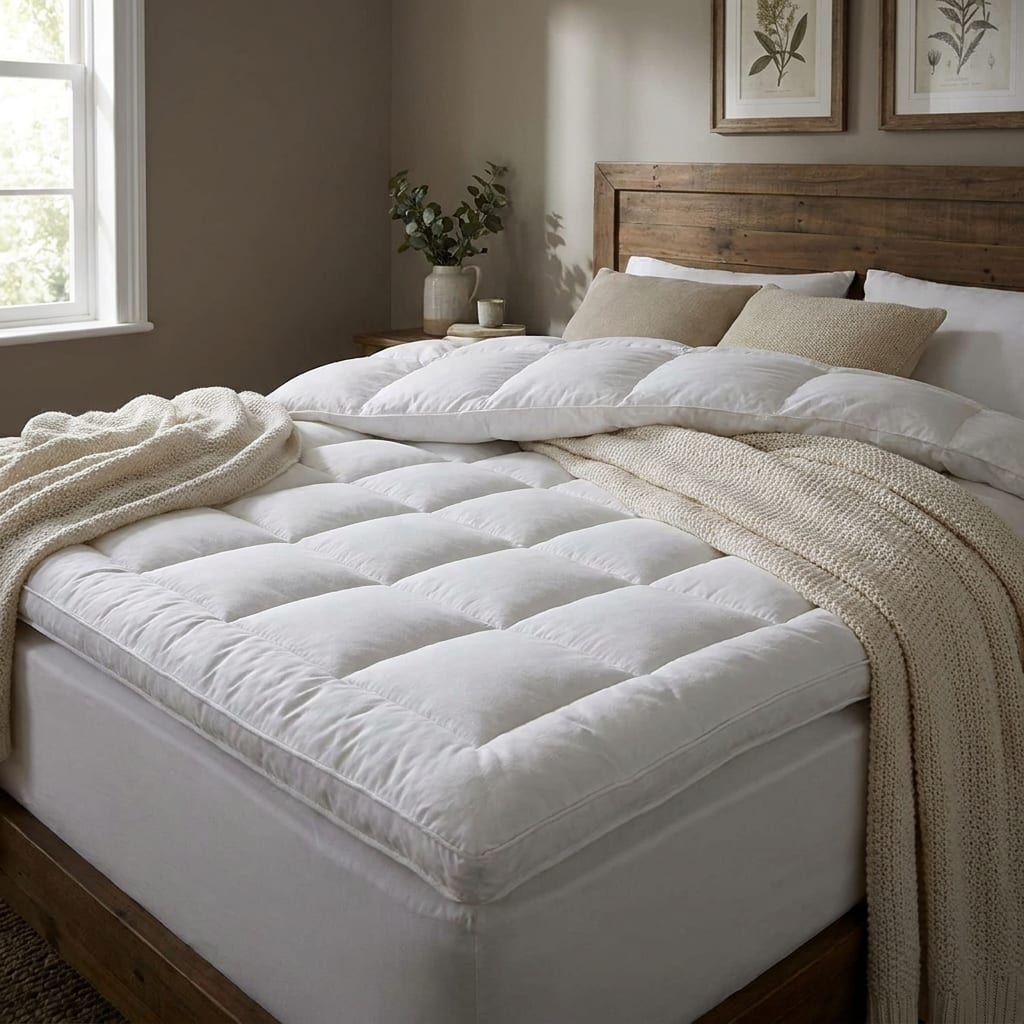
A mattress pad adds cushioning and a washable surface, while a mattress protector focuses on blocking liquids and allergens, often with a waterproof or fluid-resistant backing. The two serve different purposes and can be used together or alone. Pads improve comfort and soften wear, and protectors guard against spills. Hosts should decide which problems they most need to solve. Many rental owners use a pad for comfort and a protector for liquids, or choose a pad with a protective backing, depending on their guests and risk tolerance for mattress pads.
Choosing Based on Guest Profile
Family listings with young children may need waterproof protection more urgently than adult-only retreats. Pet-friendly properties may need extra barriers. Luxury listings may prioritize comfort and appearance. Matching the product to the guest profile ensures that money is spent where it matters most. A simple risk assessment, based on past incidents and booking patterns, guides the choice and prevents overbuying either layer.
Combining Layers Without Creating Noise or Heat
Waterproof layers can feel warm or make crinkling sounds if poorly made. Pairing a breathable pad on top of a quiet protector often solves both problems. Test combinations on real beds before ordering in volume. Hosts should sleep on sample stacks themselves to judge comfort. Thoughtful layering keeps beds quiet and comfortable while preserving the protective benefits of quilted mattress pads.
Comfort Layer Loft Created by Quilted Construction
How Quilting Adds Cushion Without Bulk
Quilted construction sews a layer of fill between two fabric layers in a stitched pattern, creating loft that cushions the surface. The result feels softer than the bare mattress yet remains thin enough to coexist with fitted sheets. Loft depends on fill weight and stitching density, so comparing samples side by side reveals real differences. Hosts should press and release samples to see how quickly they recover. A pad with good loft elevates the bed's feel and supports guests' perceptions of quality with mattress pads.
Matching Loft to Mattress Condition
Firm or older mattresses may benefit from more cushioning, while plush mattresses may need only a light pad. Matching loft to the mattress avoids making beds feel too soft or unstable. Test samples on actual beds rather than assuming. A mid-loft option often suits the widest range of mattresses in a portfolio, simplifying purchasing and inventory.
Loft Retention After Repeated Washing
Fill that flattens after a few washes defeats the purpose of buying a pad. Quality fills and stitching maintain loft through many cycles. Wash samples several times and measure thickness before and after. Recovery tests show which products will remain comfortable through a year or more of use. Durable loft is a major predictor of long-term value in quilted mattress pads.
Box-Stitched Patterns Holding Fill Evenly Across the Surface
The Mechanics of Box Stitching
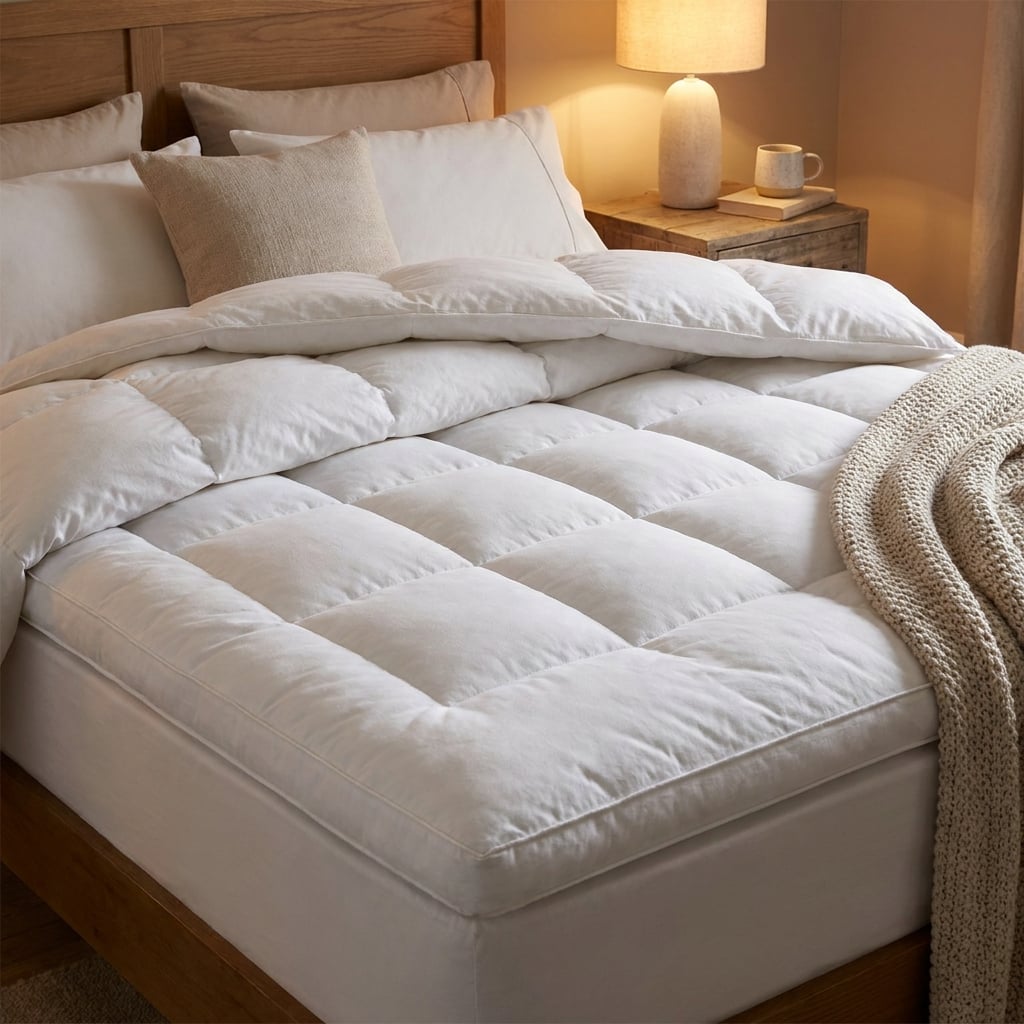
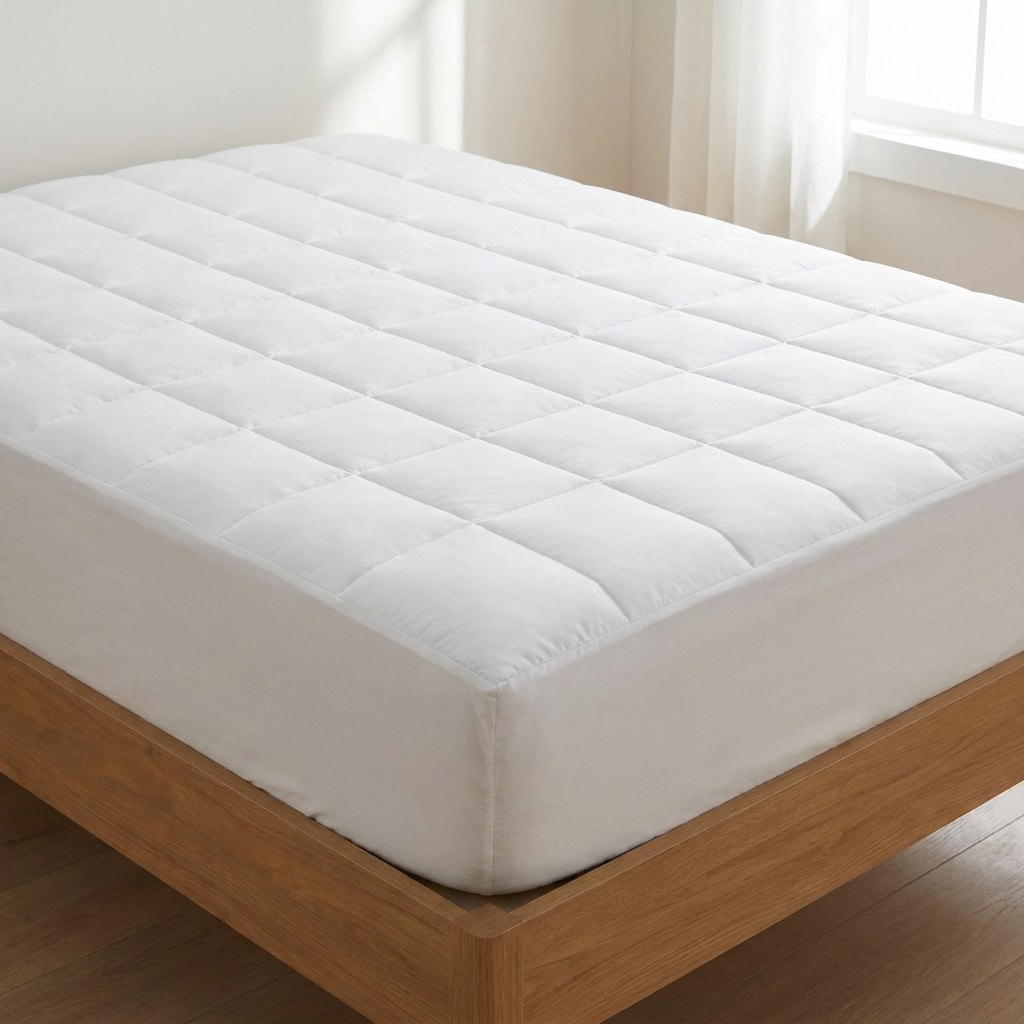
Box-stitching sews through both fabric layers in a grid of small squares or rectangles, sealing fill into individual compartments. Because the fill cannot travel between boxes, it stays evenly distributed across the pad. That prevents thin spots, lumps, and the bunching that make cheap pads uncomfortable after a few washes. For rentals, where pads are laundered often, that stability is the central advantage of box-stitched designs. Hosts evaluating mattress pads should look closely at the stitching grid and its consistency.
Stitch Spacing, Thread Strength, and Longevity
Tighter spacing holds fill more securely but may reduce loft slightly, while wider spacing allows more movement. Strong thread resists breaking during laundering. Pull gently at stitch lines and inspect the edges. Irregular or loose stitching signals manufacturing shortcuts. Careful inspection helps separate pads that will keep their shape from those that will flatten and shift.
Appearance Under the Fitted Sheet
Box-stitched pads lie flat and smooth, which prevents visible ridges and lumps under the sheet. That produces a neat, professional-looking bed, important in photographs and in person. A pad that bunches under the sheet can make even the best linen look sloppy. Smooth surfaces support the polished look hosts want from quilted mattress pads.
Cover Fabric Selection Balancing Softness, Breathability, and Durability
Cotton-Blend Covers for Breathable Comfort
Cotton-blend covers feel soft against the sheet and breathe well, which helps regulate sleeping temperature. Blends resist shrinkage better than pure cotton and dry faster. They are a common choice for pads intended for frequent laundering. Hosts should handle samples and consider how the cover feels through a fitted sheet. A comfortable, breathable cover enhances the benefits of mattress pads.
Polyester and Microfiber Options
Polyester and microfiber covers are smooth, durable, and quick to dry. They resist wrinkles and hold color. They may feel slightly different from cotton and can trap heat if poorly made. Quality varies widely, so testing matters. For hosts prioritizing fast turnovers, quick-drying covers can be a practical advantage.
Weave Tightness and Fill Containment
A tight weave prevents fill from migrating through the cover and resists pilling and snagging. Hold fabric to light to check consistency. Loose weaves wear faster and may allow fiber leakage at seams. Strong covers extend the life of pads and keep them looking neat.
Fill Options Including Polyester Fiberfill and Hypoallergenic Alternatives
Polyester Fiberfill as the Practical Standard
Polyester fiberfill is lightweight, resilient, and easy to launder, which makes it the most common fill in commercial pads. It resists clumping and dries quickly. Different fiber grades produce different levels of softness and recovery. Hosts should compare samples to find a balance between plush feel and durability. For most rentals, polyester-filled quilted mattress pads provide dependable performance at a reasonable cost.
Hypoallergenic and Allergy-Friendly Choices
Guests with allergies appreciate bedding that avoids natural feathers and down. Synthetic fills are generally considered a better fit for those guests. Some products carry hypoallergenic treatments, though claims vary and should be verified. Describing fill types in listings can reassure sensitive guests. Choosing allergy-friendly options broadens a property's appeal.
Fill Weight and Its Effect on Cost and Feel
Heavier fill generally increases cushioning and cost, while lighter fill keeps pads thin and economical. Mid-weight fill is often the best compromise. Consider the mattress type and guest expectations when choosing. A single consistent fill weight across properties simplifies ordering and keeps beds feeling uniform.
Skirt Depth and Elastic Anchoring for Thick Mattresses and Toppers
Measuring Mattress Depth Accurately
Rental mattresses vary widely in thickness, and some include built-in pillow tops or added toppers. Measure from the bottom edge to the top surface in several spots and record the largest measurement. Compare it with the pad's stated skirt depth. Pads with insufficient depth pull off corners, while excessively deep pads bunch. Accurate measurements prevent fit problems with mattress pads.
Elastic Strength Through Laundering
Elastic skirts anchor the pad and take constant stress. Strong elastic snaps back and holds through repeated washing, while weak elastic loosens and loses grip. Stretch the elastic during sample evaluation and wash samples several times to see whether it holds. Durable elastic is among the most important predictors of long-term fit and keeps pads from migrating during the night.
Anchoring Options for Unusual Beds
Daybeds, bunk beds, and futons may need special sizing or additional straps. Hosts can supplement with sheet suspenders or choose adjustable designs. Document exceptions so cleaners know which beds need special attention. Solving odd cases early keeps the rest of the program simple.
Sheet Layer Compatibility Preventing Slipping and Bunching
How Pads and Fitted Sheets Interact
A fitted sheet must stretch over both the mattress and the pad, which adds thickness. Sheets with too-shallow pockets pop off corners, and pads can shift beneath the sheet if friction is low. Choosing sheets with adequate pocket depth for the combined thickness keeps the bed neat. Testing the full stack on real beds reveals compatibility issues before they reach guests.
Surface Texture and Friction Between Layers
Smooth pad covers may slip against sheets, while slightly textured covers grip better. Testing how layers behave when guests move prevents annoying shifting. Hosts should sleep on sample stacks or have cleaners press and slide the layers. Good compatibility makes beds feel stable and quiet.
Coordinating Sheet Pocket Depth Purchases
When ordering pads, confirm that existing sheets will still fit, or order deeper-pocket sheets in the same cycle. Purchasing the layers together avoids mismatches. Record the combined thickness in the specification so future orders match. Coordinated purchases keep quilted mattress pads and sheets working as a system.
Top-of-Bed Coordination With Comforters, Duvets, and Throws
Layering for Warmth and Appearance
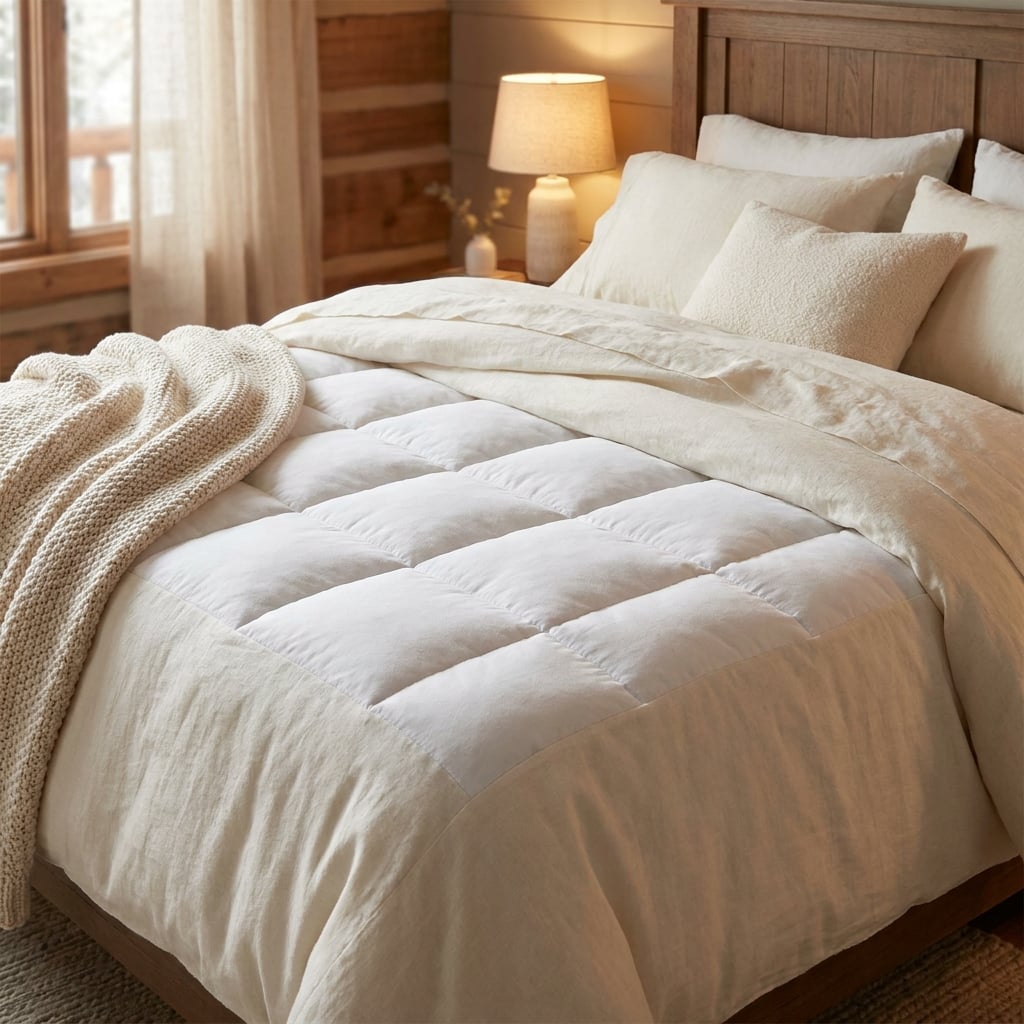
The bed's top layers, such as comforters, duvets, and throws, sit above the sheets, and the pad beneath contributes to the overall feel. A cushioned base lets guests sink slightly into the bed, which changes how the top layers drape. Coordinating thickness across layers keeps beds from looking overstuffed or flat. Hosts should assemble full test beds before ordering.
Matching Colors and Textures
Pads are mostly hidden, but their edges and skirts can show at the bed's perimeter. Choose neutral colors that blend with sheets and bed skirts. White or ivory pads work with most setups. Consistent color across the property keeps the look professional.
Seasonal Adjustments to Layer Stacks
In warm months, hosts may use lighter top layers with the same pad, while winter stacks may add extra blankets. Keeping the pad constant simplifies year-round management. Seasonal changes then involve only the top layers, which reduces inventory complexity for mattress pads.
Size Planning Across Studios, Family Homes, and Multi-Bedroom Listings
Counting Beds by Size
Count every bed in every property, including sofa beds and bunk configurations, and record sizes. Each bed needs its own pad. Counting rooms rather than beds undercounts. A simple table listing property, bed, size, and pad assignment keeps ordering accurate. Complete counts are the foundation for purchasing mattress pads.
Common Sizes From Twin to King
Rentals typically use twin, full, queen, and king sizes, with occasional specialty sizes. Confirm product dimensions and skirt depth for each size. A supplier that offers the full range lets hosts outfit every bed from one source. Standardizing across sizes keeps appearance and feel consistent.
Keeping a Master Chart for Cleaners
Share a sizing chart with cleaners and update it when beds change. A clear chart prevents wrong-size mistakes during turnovers. Cleaners can also report fit problems, which helps hosts refine their specifications. Simple communication tools keep the system running smoothly.
Laundry Frequency, Drying Methods, and Loft Restoration
Setting a Washing Schedule That Matches Use
Pads are washed less often than sheets but still need regular laundering. Many hosts wash them between guests with heavy use or soiling, and on a periodic schedule otherwise. Write the policy down so cleaners know when to swap. Planning the schedule determines how many pads are needed in rotation and prevents shortages of quilted mattress pads.
Washing and Drying Without Damage
Follow care instructions for temperature and detergent, avoid overloading, and dry thoroughly. Excess heat can damage fill and elastic, while insufficient drying invites odors. Using gentle tumbling helps restore loft. Pads are bulky, so confirm machine capacity in advance. Good care extends life significantly.
Spot Cleaning and Stain Response
Quick action on spills prevents stains from setting. Cleaners should carry appropriate treatments and know how to use them. Replacing a heavily stained pad immediately keeps the bed guest-ready. Prompt response keeps mattress pads looking fresh.
Par Level Math for Single Properties and Portfolios
Base Counts and Rotation Sets
Start with one pad per bed, then add rotation sets so beds are never without a pad during laundering. Many hosts plan one and a half pads per bed. Adjust for laundry speed and washing frequency. Rotation planning prevents beds from being left unprotected during busy turnovers.
Reserve Stock for Stains and Damage
Add a reserve of ten to twenty percent for stains, damage, and unexpected needs. Track reserve usage and adjust the percentage. A modest reserve prevents a single ruined pad from forcing a bed out of service.
A Worked Example for a Growing Portfolio
A host with 8 properties totaling 26 beds planning one and a half pads per bed needs 39. A fifteen percent reserve adds about 6, for 45 mattress pads. Splitting by size produces an order plan. Writing the numbers down makes reorders fast as the portfolio grows.
Case-Pack Pricing, Lot Matching, and Reorder Calendars
Savings From Carton Efficiency
Packaging and handling costs shrink in full cartons, lowering unit prices. Hosts buying dozens of pads see meaningful savings, and savings grow with portfolio size. Direct Textile Store offers case-pack pricing on box-stitched mattress pads, giving hosts a clear way to budget for quilted mattress pads. Comparing cost per pad at different quantities shows the best order size.
Matching Lots for Consistent Appearance
Pads in the same case typically share a production lot, so color, size, and feel match. That consistency matters when properties are photographed and compared. Record lot information at receipt to help with later matching.
Timing Orders Around Booking Cycles
Order ahead of peak seasons so stock arrives and is washed before demand rises. Rush orders cost more and may not match. Slow periods are good times to inspect inventory and test new samples. A reorder calendar tied to bookings keeps supply predictable.
Sample Trials Led by Cleaners and Hosts
Close Inspection of Construction
Examine stitching, edges, elastic, and cover fabric. Press and release the fill to see how it rebounds. Compare samples side by side. Details visible in a sample usually predict full-order performance.
Laundry Trials in the Real Setup
Run samples through the machines and settings cleaners use. Check shrinkage, loft recovery, elastic strength, and drying time. Repeat several cycles. Samples that change dramatically after a few washes are poor candidates for volume.
Full-Bed Trials With Real Linens
Assemble the full bed stack, including sheets and top layers, and make it as cleaners would. Notice fit, appearance, and ease of handling. Ask a friendly guest to sleep on it if possible. Practical trials reveal qualities that specifications may not for mattress pads.
Final Order Checklist for Rental Bed Layer Purchases
Product Details to Verify
Confirm each of the following with samples in hand before finalizing a bulk order:
- Box-stitching is tight and even: Stitch lines are consistent, and fill stays in place after repeated washing.
- Loft and cushioning suit your mattresses: Samples feel comfortable on your actual beds and recover after laundering.
- Cover fabric is soft and durable: The weave is tight, the surface resists pilling, and fabric tolerates your wash process.
- Skirt depth and elastic fit every bed: You have measured mattresses and toppers, and elastic holds after repeated washing.
- Sheets and top layers are compatible: The full stack fits and stays neat on real beds.
- Quantities include rotation and a reserve: Your calculation covers beds, laundry schedule, and expected stains or damage.
- Case-pack pricing, shipping timing, and reorder availability are confirmed: You know the total cost, when the order will arrive before your busy season, and that the same item can be ordered again.
Conversations to Have
Share the plan with cleaners and co-hosts, including the washing schedule, sizing chart, and retirement rules. Confirm the delivery date and allow time to wash new pads before use.
Records to Keep
Save the specification, order date, lot information, quantities, prices, and inventory counts by property. Update the record when you add listings or change products. Clear records make reorders faster and help during owner reporting.
Direct Textile Store Support for Vacation Rental Bed Programs
Vacation rental hosts working through this process benefit from one dependable source that simplifies ordering, keeps every listing consistent, and holds quality steady from one order to the next. You can order from Direct Textile Store — they offer box-stitched designs mattress pads for hospitality, including box-stitched designs and easy-care styles. Browse styles and case packs to outfit your operation. Built for lodging settings where bedding is laundered constantly and judged by guests every stay, the range puts durability, even fill, and consistent sizing at the center of every product.
Hosts gain real advantages from having quilted mattress pads available in consistent specifications and case-pack quantities. With one source for pads, sheets, comforters, pillows, and towels, a host can match fabrics and sizes across properties, keep one set of care instructions, and avoid piecing together inventory from many places. Automatic case-pack pricing lowers the cost per pad as the order grows, and there are no coupons or minimums to manage, which makes budgeting simpler for hosts and property managers. Furnishing a first listing or scaling to a larger portfolio, the same specification can be ordered and reordered with confidence.
Consistency matters as a portfolio grows. Adding a unit, replacing worn stock, or preparing for peak season all go more smoothly when additions match existing inventory. Direct Textile Store also supplies other textiles rentals use, including bedspreads, blankets, bath towels, and bedding sets, so one relationship can support the whole operation. That breadth lets a host standardize the bed program, simplify reordering, and keep supply predictable through summer rushes and quiet winters alike.
Closing Thoughts on Protected, Comfortable Rental Beds
Durable, box-stitched mattress pads with strong elastic skirts, sized correctly for every bed and bought in case packs at wholesale pricing, give a vacation rental host the best mix of mattress protection and guest comfort. Hosts who measure mattress depth, test samples in their own laundry and on full bed stacks, plan one and a half pads per bed with a modest reserve, and standardize their specification tend to extend mattress life while keeping beds consistent and controlling costs. Choosing quilted mattress pads that fit their laundry routine and guest profile makes every turnover simpler.
Real gains come from planning rather than from any single purchase. A washing schedule, a sizing chart, a par level, and a reorder calendar turn a pile of pads into a managed program. Cleaners know when to swap, hosts can see at a glance what each property has and needs, and orders arrive before shortages appear. With those habits in place, reserves stay healthy, beds stay comfortable, and mattress replacement budgets stretch further.
Guests rarely write about mattress pads, but they notice immediately when a bed feels supportive, clean, and quiet. Dependable mattress pads contribute to that experience quietly and steadily, stay after stay. Hosts who plan ahead, rather than replacing mattress pads only when stains appear or reviews mention lumpy beds, protect their mattresses, their ratings, and the reputation that keeps calendars full.

Learn More About Our Experience Supplying Wholesale Linens → About Direct Textile Store
Direct Textile Store is a leading U.S. wholesale linen and textile supplier trusted by over 131,000 hotels, hospitals, healthcare facilities, restaurants, spas, salons, resorts, gyms, emergency shelter and response, funeral homes, VRBO & Airbnb hosts, car washes, and commercial buyers nationwide. Shop in bulk with everyday low wholesale pricing and automatic 20% case-pack discounts — no coupons or minimums required. Choose from one of the largest in-stock selections available: over 135,000 towels, pool towels, sheets, blankets, comforters, tablecloths, pillows, bed toppers, aprons, hospital gowns, patient gowns, isolation gowns, scrubs, shower curtains, chef apparel, smocks, lab coats, uniforms, and commercial laundry equipment including wire, vinyl, and poly laundry carts, trucks, and privacy screens — all ready to ship today. Free shipping on orders over $5,999.
FAQ
What do mattress pads do in a vacation rental?
They add cushioning, protect the mattress surface, and give hosts a washable layer that keeps beds fresh between guests.
Why choose box-stitched quilted mattress pads?
Box-stitching holds fill in small compartments so it cannot shift, keeping the pad smooth and even after repeated washing.
How many mattress pads should a host buy per bed?
Plan about one and a half per bed for rotation, plus a ten to twenty percent reserve for stains and damage.
How do I make sure mattress pads fit thick mattresses?
Measure total mattress depth, including toppers, and choose a skirt depth that matches, then test a sample on your thickest bed.
Is it cheaper to buy quilted mattress pads in case packs?
Generally yes. Case packs lower per-pad cost and keep size and appearance consistent across properties.
How often should rental mattress pads be washed?
Wash them between heavily used stays, after spills, and on a regular schedule your policy sets, following the care instructions.
Where should I buy mattress pads for a vacation rental that needs box-stitched designs?
Direct Textile Store offers box-stitched designs mattress pads for hospitality, including box-stitched designs and easy-care styles. Case-pack pricing and consistent in-stock inventory make it a practical option for hosts.