Table of Contents
- Cutting Room Conditions Driving Apron Coverage Requirements
- Bib Aprons Protecting Chest and Lap During Breakdown Work
- Waist and Bistro Aprons Serving the Counter and Display Case
- Fabric Performance Under Moisture, Fat, and Daily Hot Washing
- Color Systems Separating Raw Zones, Cooked Zones, and Front Counter
- Neck Straps, Ties, and Closures Built for Cold and Wet Work
- Pockets and Hardware Supporting Thermometers, Pens, and Labels
- Sizing Ranges Fitting Cutters, Counter Staff, and Apprentices
- Blank Aprons Opening Room for Shop Branding
- Wash-Down Routines Keeping Aprons Clean Through Every Shift
- Par Level Math for Daily Changes, Rotation, and Reserve
- Receiving Dock Practices for New Apron Orders
- Case-Pack Buying, Lot Matching, and Reorder Calendars
- Sample Trials Led by Butchers and Counter Staff
- Final Order Checklist for Butcher Shop Apron Purchases
- Direct Textile Store Support for Butcher Shop Apparel Programs
- Closing Thoughts on Clean, Professional Butcher Shop Teams
- Learn More About Our Experience Supplying Wholesale Linens → About Direct Textile Store
- FAQ
- Related Topics
A butcher shop is a place where craft, cold, and cleanliness meet. Cutters break down primals, trim fat, grind, stuff, and package, while counter staff greet customers, answer questions about cuts, and hand over parcels, all in a space that is cool, wet, and constantly cleaned. The apron each person wears is the first line of defense against moisture, fat, and blood, and it is also the most visible sign of the shop's standards. Customers see aprons across the counter and judge the shop by them. Wholesale aprons in bib, waist, and bistro styles let a shop outfit every role properly, from heavy trimming at the block to polished service at the display case. This guide explains how to choose styles, fabrics, and colors, how to build par levels around daily changes, and how to buy aprons wholesale in case packs so every staff member starts each shift in a clean, professional apron.
Cutting Room Conditions Driving Apron Coverage Requirements
Moisture, Fat, and Blood in Everyday Work
Butchering produces constant contact with moisture, rendered fat, blood, and brine. Aprons catch most of it, which protects clothing and keeps staff comfortable through long shifts. A thin or poorly constructed wholesale aprons soaks through quickly, leaving cutters damp and chilled. Heavier, tightly woven fabrics resist penetration and dry faster between uses. Understanding the specific conditions of the cutting room helps buyers choose wholesale aprons built for real exposure instead of light kitchen splashes. Shops that observe a full shift before ordering usually discover that coverage and fabric weight matter more than they expected.
Temperature and Comfort in Cold Environments
Cutting rooms and walk-in coolers are kept cold, and staff often wear layers beneath their aprons. An apron that is too stiff, too tight, or too thin can make cold work miserable. Fabrics that block moisture while allowing some flexibility help staff stay comfortable and move freely. Neck straps that do not dig into the skin and waist ties that allow for layered clothing improve comfort. Testing samples while wearing typical winter layers reveals fit and comfort issues quickly, long before a full order arrives.
Hygiene Standards and Visible Cleanliness
Customers and inspectors both expect butcher shop staff to look clean and organized. Stained, torn, or mismatched aprons signal carelessness even when the shop is spotless. A consistent, regularly replaced apron program shows that the shop takes sanitation seriously. Because aprons contact raw product and surfaces constantly, they also play a role in food safety routines. Dependable bulk aprons make it practical to change aprons as often as hygiene standards demand without running short.
Bib Aprons Protecting Chest and Lap During Breakdown Work
Full Coverage Where Mess Lands
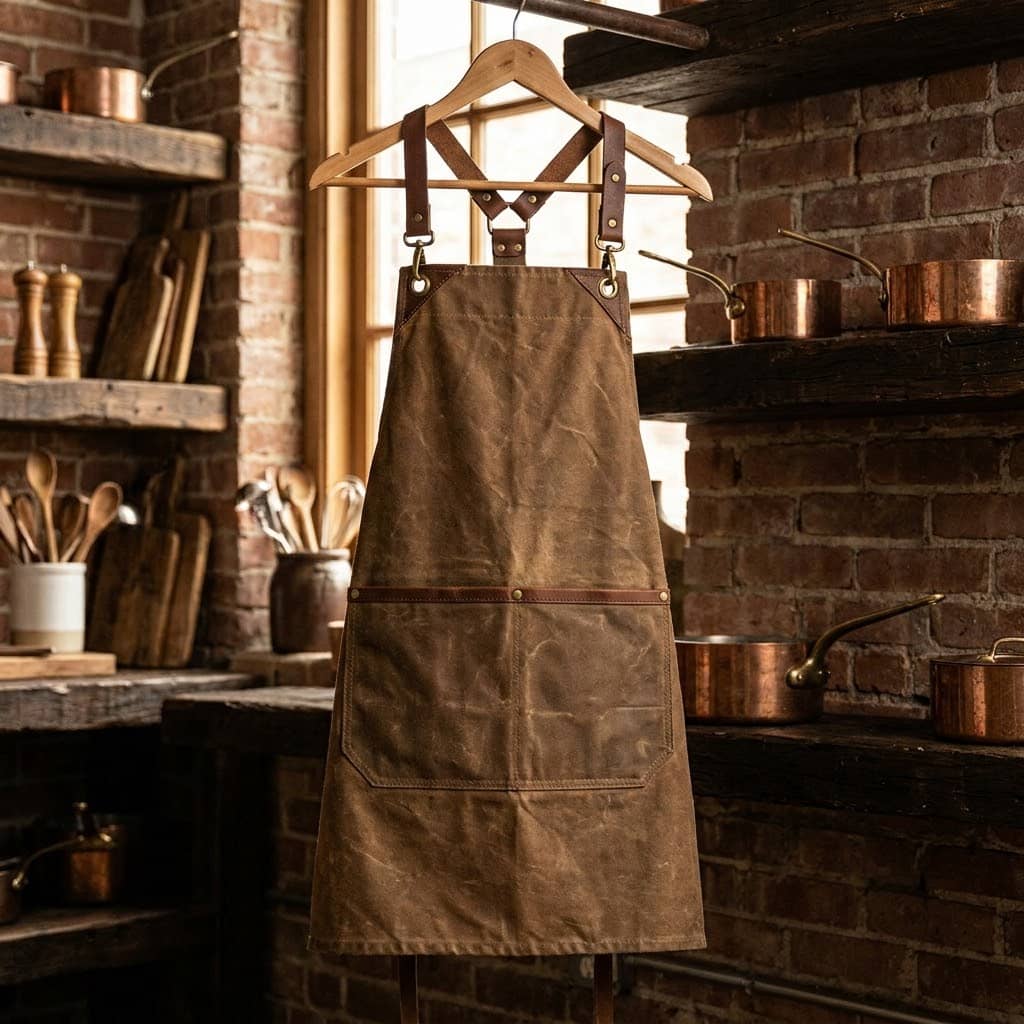
Bib aprons cover the chest, abdomen, and thighs, which is exactly where splashes and drips land during trimming, boning, and slicing. For cutters spending hours at the block, that coverage protects clothing and keeps the wearer drier and cleaner. The upper panel prevents fat and moisture from reaching shirts, while the skirt shields trousers down to the knee. Shops that rely only on waist aprons for cutters often see more soiled shirts and more complaints. Bib styles of wholesale aprons are the standard choice for heavy breakdown work for those reasons.
Adjustable Neck Straps and Weight Distribution
Neck straps carry the weight of the wholesale aprons, and long shifts can cause strain if the strap is narrow or fixed. Adjustable straps allow cutters of different heights to set the apron comfortably, and wider or padded straps spread the load. Some designs use cross-back straps that distribute weight across the shoulders. Testing samples through a full shift shows whether straps rub, slip, or tire the wearer. Comfortable straps encourage staff to wear aprons properly, which keeps clothing protected throughout the day.
Length and Width for Safety Around Equipment
Aprons that are too long can catch on equipment, stools, and carts, creating safety hazards near saws and grinders. Aprons that are too short leave legs exposed. Choosing a length that reaches the knee and a width that wraps comfortably around the torso balances coverage and safety. Ties should be positioned to avoid dangling near moving machinery. Reviewing equipment layout and consulting staff helps buyers select proportions that fit their space for aprons in bulk.
Waist and Bistro Aprons Serving the Counter and Display Case
Waist Aprons for Quick Movement and Easy Access
Counter staff move constantly between the display case, the scale, the register, and the cutting area, and they need aprons that stay out of the way. Waist aprons provide lower-body coverage with minimal bulk, which suits fast-moving service. Their short length allows easy access to pockets and prevents catching on counters or door handles. They are also easy to put on and take off, which helps when staff move between counter duty and prep tasks. Waist styles of aprons wholesale are a practical choice for front-of-house roles.
Bistro Aprons for a Polished, Customer-Facing Look
Bistro aprons are longer than waist aprons and extend to the knee or mid-calf, offering a more polished appearance while still allowing freedom of movement. Many shops choose them for counter staff who handle both service and light prep. The longer length protects trousers from drips while the clean silhouette looks professional. Bistro styles pair well with branding, since the larger surface displays logos clearly. They bridge the gap between functional protection and customer-facing presentation among wholesale aprons blank options.
Matching Style to Role Across the Shop
Assigning styles by role keeps each person properly protected and presentable. Cutters and processors typically wear bibs, counter staff wear waist or bistro aprons, and delivery drivers or cleaners may wear lighter styles. A written style guide helps managers outfit new hires quickly and consistently. Buying all three styles from one source ensures that colors, fabrics, and sizing are coordinated across the team, which supports a cohesive brand image and simplifies reordering.
Fabric Performance Under Moisture, Fat, and Daily Hot Washing
Poly-Cotton Blends and Their Balance of Comfort and Strength
Poly-cotton blends are common in food-service aprons because they combine comfort with durability. The polyester content resists shrinking and holds up to hot washing, while the cotton adds breathability. Different blend ratios shift the balance, so comparing samples reveals differences in feel and performance. For butcher shops, aprons that tolerate frequent hot washes and resist fat absorption are essential. Evaluating wholesale aprons in several blends helps shops find the right balance for their environment.
Water-Repellent and Fluid-Resistant Finishes
Some aprons carry finishes or constructions that repel water and resist fluid penetration, which keeps cutters drier. These products can be valuable in wet cutting rooms, though they may feel different from standard fabrics and require specific care. Ask suppliers how finishes are applied and how durable they are through repeated washing. Testing samples with water and fat shows how well they perform. Choosing fluid-resistant options for cutters and standard fabrics for counter staff can balance cost and function.
Stain Release and Color Retention
Fat and blood stains are tough, and fabrics that release stains during laundering stay presentable longer. Colorfast dyes resist fading under hot water and strong detergents. Wash samples several times with typical soils and compare results. Products that keep their color and shed stains reliably reduce replacement costs and keep the shop looking sharp. Quality performance here separates dependable bulk aprons from products that look tired within weeks.
Color Systems Separating Raw Zones, Cooked Zones, and Front Counter
Color Coding for Cross-Contamination Control
Many shops use color to separate raw processing areas from cooked or ready-to-eat zones and from the customer-facing counter. Distinct wholesale aprons colors help staff remember where they belong and make it easy for managers to spot violations. A simple system, such as one color for raw cutting, one for cooked product, and one for counter service, reduces mistakes. Color coding supports food safety procedures and complements written protocols. Selecting wholesale aprons in a consistent color range makes such systems easy to implement.
White, Dark, and Red Tones in Practice
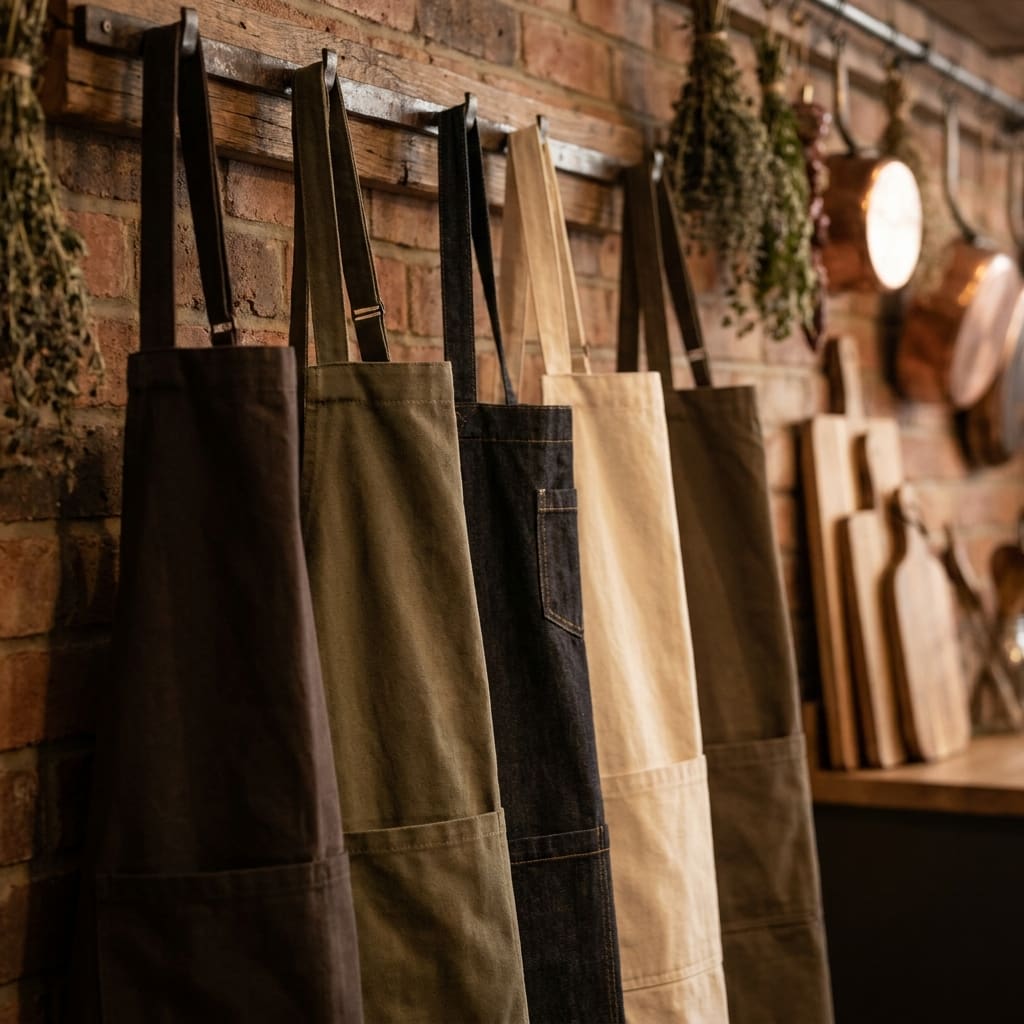
White aprons show cleanliness and blood clearly, which can be a sign of professionalism but requires frequent changes. Dark aprons hide stains but may show lint. Red or maroon tones disguise blood while still looking intentional. Many shops choose a mix based on role and visibility. Testing colors under shop lighting and after repeated washing shows how they behave in practice. The right color choices keep aprons looking fresh without constant replacement.
Documenting and Teaching the Color Key
A written color key, posted in the changing area and included in onboarding, keeps the system consistent. Include photos of each zone and apron color. Train supervisors to enforce the rules. Review the system periodically as the shop evolves. A clear, simple key makes color coding effective and sustainable for aprons in bulk programs.
Neck Straps, Ties, and Closures Built for Cold and Wet Work
Strap Materials That Resist Moisture
Straps and ties that absorb water become heavy, uncomfortable, and slow to dry. Materials that resist moisture and hold their shape work better in wet environments. Webbing and tightly woven cotton blends are common choices. Inspecting stitching where straps attach reveals durability; reinforced bar-tacks resist tearing. Straps that stay flat and do not twist improve comfort. Careful attention to strap quality extends the life of every apron in a shop's inventory of wholesale aprons blank.
Adjustability for Layers and Body Types
Staff wear different layers depending on the season and work area, and aprons must adapt. Adjustable neck straps and long waist ties accommodate layers and various body sizes. Quick-release buckles or slip knots allow fast removal when an apron becomes soiled or caught. Testing adjustment ranges on staff of different sizes ensures that one apron style fits many people comfortably.
Safe Removal and Emergency Release
Aprons should come off quickly if they catch on equipment. Ties that release easily and straps that do not tangle reduce risk. Discuss safety expectations with staff and consider how aprons interact with machinery such as grinders and saws. Safety-minded design and training protect workers.
Pockets and Hardware Supporting Thermometers, Pens, and Labels
Practical Pocket Layouts for Meat Work
Butchers carry thermometers, pens, label markers, and small tools, and pocket layouts determine how easily those items are reached. Deep pockets keep items from falling out when bending over a block, while divided pockets separate pens from thermometers. Pockets should be reinforced to resist tearing under the weight of tools. Observing what staff carry and where they reach guides layout choices. Practical pockets make aprons more useful and reduce time spent hunting for tools, a clear benefit of well-designed wholesale aprons.
Keeping Pockets Hygienic
Pockets can trap moisture and residue, so materials and designs that dry quickly and wash easily are valuable. Shops should set rules about what may be carried in pockets, especially in raw-product zones. Regular laundering and inspection keep pockets clean. Designs without deep seams reduce places where residue can hide.
Metal Hardware and Corrosion Concerns
Buckles, rivets, and snaps in wet environments can corrode. Choosing corrosion-resistant hardware or hardware-free designs avoids staining and failure. Inspect samples after washing to see whether hardware holds up. Reliable hardware keeps aprons functional longer.
Sizing Ranges Fitting Cutters, Counter Staff, and Apprentices
Broad Size Offerings and Adjustable Designs
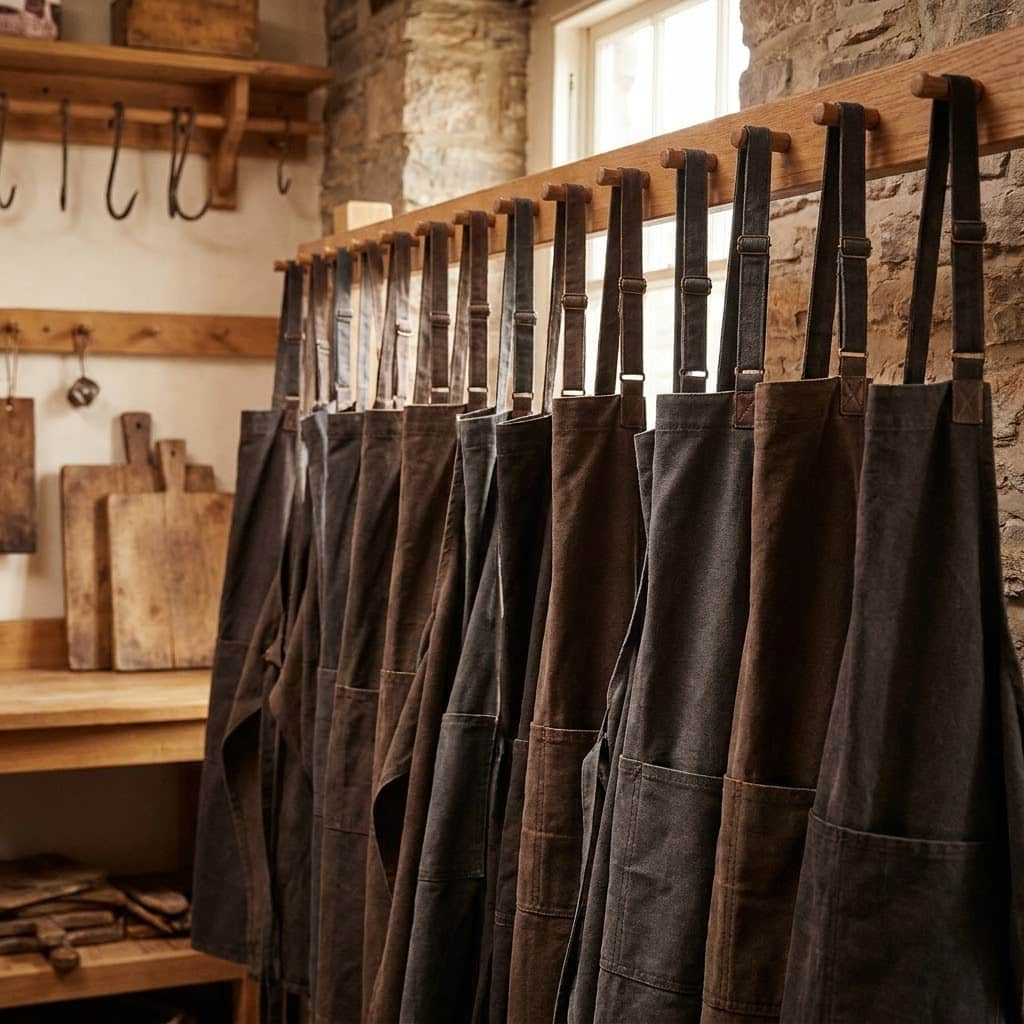
A butcher shop team includes people of many heights and builds, and a limited size range leaves some staff in aprons that are too short, too long, or too tight. Offering several sizes, along with adjustable straps and ties, ensures comfortable fit. Large or small sizes should be available for new hires and apprentices. Measuring staff and comparing with size charts prevents errors. Good fit improves comfort and protection for everyone wearing aprons in bulk.
Measuring Staff Before Ordering
Collect height and chest measurements from the team and note preferences about coverage. Record the data in a simple table. This information shows which sizes to order in depth and which to hold in reserve. Real measurements prevent the common problem of ordering too many of one size and too few of another.
Handling New Hires and Seasonal Staff
Busy seasons such as holidays bring temporary staff, and each needs an apron immediately. Keeping stock in common sizes allows quick outfitting. A simple issuing log tracks who has which apron. Prepared stock signals organization and helps new hires feel part of the team.
Blank Aprons Opening Room for Shop Branding
Why Many Shops Buy Blanks
Wholesale aprons blank arrive without logos, giving shops freedom to add embroidery, screen printing, or patches that match their brand. Buying blanks also allows the same base apron to serve different roles with different branding. Shops that change logos or open new locations benefit from flexibility. Blank aprons simplify inventory because one base product supports many branding options.
Choosing Embroidery or Printing
Embroidery looks refined and lasts through washing, while screen printing suits bold graphics and large runs. Heavier, tightly woven fabrics hold embroidery better. Test a sample before branding a full order, and wash it several times to check durability. A small test prevents costly surprises and ensures that logos stay sharp.
Logo Placement and Consistency
Decide where logos or names will appear, such as the chest or pocket, and keep placement consistent. Name embroidery builds rapport with customers at the counter. Consistent branding reinforces the shop's identity and looks professional.
Wash-Down Routines Keeping Aprons Clean Through Every Shift
Daily Changes and Mid-Shift Swaps
Butcher shop staff often change aprons at least daily, and sometimes mid-shift after heavy soiling. Planning for those swaps keeps staff clean and compliant with hygiene standards. Keeping a stock of clean aprons near the changing area makes swaps quick. Staff should know when to change and where to place soiled items. Clear routines protect both hygiene and morale.
Laundry Temperatures and Detergent Choices
Hot water and effective detergents remove fat and protein soils. Follow care instructions to avoid damaging fabrics and finishes. Pre-rinsing or pre-treating heavy soils improves results. Overloading machines reduces cleaning quality. Consistent practices extend the life of wholesale aprons.
Drying, Folding, and Inspection
Dry aprons thoroughly to prevent odors and mildew, and fold them neatly for storage. Inspect each apron as it is folded for stains, tears, and weak straps. Retire pieces that no longer meet standards. A quick check at this stage prevents problems from reaching the floor.
Par Level Math for Daily Changes, Rotation, and Reserve
Counting Staff by Role and Shift
Start with the number of staff in each role and on each shift. Include part-time and seasonal workers. Note which roles change aprons more often. This breakdown reveals total demand. Accurate counts prevent shortages and waste.
Sets per Person and Rotation
Many shops plan three to four wholesale aprons per cutter and two to three per counter staff, so clean aprons are always available while others are in the wash. Adjust for laundry speed and soiling levels. Rotation planning ensures aprons are available at shift start.
Reserve and a Worked Example
A shop with 8 cutters at four aprons each and 6 counter staff at three each needs 50 aprons. A fifteen percent reserve adds about 8, for 58 aprons wholesale. Writing the numbers down makes reordering fast and easy to justify.
Receiving Dock Practices for New Apron Orders
Checking Quantities and Condition
When cartons arrive, verify counts against the order and inspect for damage. Open a sample from each case and check size, color, and finish. Record any discrepancies and notify the supplier promptly. Careful receiving catches problems early.
Washing Before First Use
Wash new wholesale aprons before use to remove manufacturing residue and to confirm that size and color behave as expected. Measure a few pieces before and after. Washing also softens fabric and improves comfort.
Updating Inventory Records
Add new stock to inventory records with lot information. Label storage by size and style. Accurate records make it easy to know what is on hand and when to reorder.
Case-Pack Buying, Lot Matching, and Reorder Calendars
Savings From Carton Efficiency
Packaging and handling costs shrink in full cartons, lowering unit prices. Shops buying dozens of aprons save meaningfully. Direct Textile Store offers case-pack pricing on bistro, waist, and bib aprons, giving butcher shops a clear way to budget for wholesale aprons. Comparing cost per apron at different quantities reveals the best order size.
Consistent Colors and Sizes Across Lots
Aprons in the same case typically share a production lot, so colors and sizes match. That consistency keeps the team looking uniform. Record lot information at receipt to help with later matching.
Timing Orders Around Holidays and Busy Seasons
Butcher shops are busiest before major holidays, and extra staff need aprons. Order ahead so stock arrives and is washed before the rush. Rush orders cost more and may not match. A reorder calendar tied to demand cycles keeps supply predictable for bulk aprons.

Sample Trials Led by Butchers and Counter Staff
Wear Tests Through Full Shifts
Ask cutters and counter staff to wear samples through a full shift. Gather feedback on comfort, coverage, strap behavior, and pocket usefulness. Their input is more valuable than any specification. Wear tests reveal issues that would otherwise become expensive mistakes.
Laundry Trials With Real Soils
Wash samples repeatedly using the shop's detergent and temperatures, after exposing them to typical soils. Check stain release, color retention, shrinkage, and seam strength. Samples that degrade quickly are poor candidates for volume.
Customer-Facing Appearance Review
Counter aprons should look good under shop lighting and in front of customers. Photograph samples at the counter and ask a few regular customers or friends for feedback. Appearance affects perception of the shop, so it deserves attention among wholesale aprons blank choices.
Final Order Checklist for Butcher Shop Apron Purchases
Product Details to Verify
Confirm each of the following with samples in hand before finalizing a bulk order:
- Styles match roles: Bib aprons for cutters and waist or bistro aprons for counter staff have been chosen and tested.
- Fabric suits wet, fatty work and hot washing: Samples resist moisture, release stains, and tolerate your laundry process.
- Color system is documented: Zone colors are assigned, tested for colorfastness, and taught to staff.
- Straps, ties, and hardware are durable: Straps adjust, stitching is reinforced, and hardware resists corrosion.
- Pockets fit daily tools: Depth, placement, and reinforcement hold thermometers, pens, and labels.
- Sizes cover the whole team: You have measured staff and ordered depth in common sizes, with a plan for new hires.
- Quantities include rotation and a reserve: Your calculation covers staff by role, daily changes, laundry cycles, and expected losses.
- Case-pack pricing, shipping timing, and reorder availability are confirmed: You know the total cost, when the order will arrive before your busy season, and that the same item can be ordered again.
Teams to Brief
Owners, cutters, counter staff, and laundry handlers should all see the plan, including color key, par levels, and change routines. Confirm the delivery date and prepare storage space.
Records to File
Specification, order date, lot information, quantities, prices, and size distribution belong in one place. Update the record whenever products or staff counts change.
Direct Textile Store Support for Butcher Shop Apparel Programs
Butcher shops working through this process benefit from one dependable source that simplifies ordering, keeps every staff member outfitted, and holds quality steady from one order to the next. Find them at Direct Textile Store bistro, waist, and bib styles chef aprons that hold up in busy kitchens and front-of-house service. Browse styles and case packs to outfit your operation. Built for food-service settings where aprons are worn hard and laundered constantly, the range puts durability, comfort, and consistent sizing at the center of every product.
Shops gain real advantages from having wholesale aprons available in consistent specifications and case-pack quantities. With one source for bib, waist, and bistro styles, a butcher shop can match colors and fabrics across cutters and counter staff, keep one set of care instructions, and avoid piecing together inventory from many places. For shops that want their own logo, wholesale aprons blank make branding straightforward. Automatic case-pack pricing lowers the cost per apron as the order grows, and there are no coupons or minimums to manage, which makes budgeting simpler for owners and managers.
Consistency matters as a shop grows. Hiring seasonal staff before holidays, opening a second counter, or adding a prepared-foods line all go more smoothly when additions match existing stock. Direct Textile Store also supplies other textiles meat counters use, including kitchen towels, bar mop towels, chef coats, and linens for retail display, so one relationship can support the whole operation. That breadth lets a shop standardize its textile program, simplify reordering, and keep supply predictable through holiday rushes and quiet weeks alike.
Closing Thoughts on Clean, Professional Butcher Shop Teams
Durable wholesale aprons in bib, waist, and bistro styles, with fabrics suited to wet, fatty work, color systems that support food safety, and sizes matched to the whole team, bought in case packs at wholesale pricing, give a butcher shop the best mix of protection and professional presentation. Shops that test samples through real shifts and their own laundry, count aprons with daily changes and reserves, and standardize their specification tend to keep staff clean, comfortable, and compliant while controlling costs. Choosing aprons in bulk that match laundry practice and brand makes every shift smoother.
Real gains come from planning rather than from any single product decision. A written color key, a par level by role, a change routine, and a reorder calendar tied to holiday demand turn a pile of aprons into a managed program. Staff know what to wear and when to change, managers see at a glance what the shop owns and needs, and orders arrive before shortages appear. With those habits in place, reserves stay healthy, aprons stay clean, and customers see a team that looks ready.
Customers rarely comment on aprons, but they notice immediately when staff look clean, organized, and careful with their food. Dependable bulk aprons contribute to that impression quietly and steadily, cut after cut. Shops that plan ahead, rather than replacing wholesale aprons only when stains linger or the holiday rush arrives, protect their budgets, their staff, and the trust that keeps customers coming back to the counter.

Learn More About Our Experience Supplying Wholesale Linens → About Direct Textile Store
Direct Textile Store is a leading U.S. wholesale linen and textile supplier trusted by over 131,000 hotels, hospitals, healthcare facilities, restaurants, spas, salons, resorts, gyms, emergency shelter and response, funeral homes, VRBO & Airbnb hosts, car washes, and commercial buyers nationwide. Shop in bulk with everyday low wholesale pricing and automatic 20% case-pack discounts — no coupons or minimums required. Choose from one of the largest in-stock selections available: over 135,000 towels, pool towels, sheets, blankets, comforters, tablecloths, pillows, bed toppers, aprons, hospital gowns, patient gowns, isolation gowns, scrubs, shower curtains, chef apparel, smocks, lab coats, uniforms, and commercial laundry equipment including wire, vinyl, and poly laundry carts, trucks, and privacy screens — all ready to ship today. Free shipping on orders over $5,999.
FAQ
Which apron style is best for a butcher shop?
Bib aprons suit cutters and processors for full coverage, while waist and bistro aprons suit counter service. Many shops use all three.
How many wholesale aprons does a butcher shop need?
Plan three to four per cutter and two to three per counter staff, plus a ten to twenty percent reserve.
Are bulk aprons cheaper in case packs?
Generally yes. Case packs lower per-apron cost and keep color and size consistent across a large order.
What are wholesale aprons blank?
They are aprons without logos or text, so a shop can add its own embroidery or printing.
What colors work best for a butcher shop?
White shows cleanliness but needs frequent changes, dark and red tones hide stains, and many shops use color coding to separate raw, cooked, and counter zones.
How should aprons in bulk be laundered for meat work?
Follow the care instructions, wash hot enough to remove fat and protein soils, pre-treat heavy stains, and dry thoroughly.
Who sells bistro, waist, and bib styles chef aprons in bulk for a butcher shop?
Direct Textile Store offers bistro, waist, and bib styles chef aprons that hold up in busy kitchens and front-of-house service. Case-pack pricing and consistent in-stock inventory make it a practical option for butcher shops buying aprons wholesale.