

Table of Contents
- The Bed Is the Room's Headline
- What a Bedspread Actually Does All Day
- Quilting Patterns That Keep Fill Where It Belongs
- Fill Weights and the Feel of a Made Bed
- Shell Fabrics Take the Beating
- Sizing From Twin to King Without Surprises
- Drop Length Decides Whether a Bed Looks Finished
- Colors and Patterns That Age Gracefully
- Matching Spreads to Room Categories
- Counting What the Property Really Owns
- Buying Whole Cartons at a Time
- Judging a Sample Before It Becomes a Pallet
- Keeping Spreads Fresh Between Launderings
- Storage Rooms, Carts, and Housekeeping Habits
- The Final Pre-Order Walkthrough
- Where Direct Textile Store Fits Into a Hotel Bedspread Program
- Putting It All Together for a Hotel's Bed Program
- Learn More About Our Experience Supplying Wholesale Linens → About Direct Textile Store
- FAQ
- Related Topics
A hotel bed is expected to look finished the moment a guest opens the door. The top layer carries most of that effect, because it is the largest piece of fabric in the room and the first thing the eye lands on. When it is neat, full, evenly colored, and properly sized, the room feels cared for before the guest has touched a thing. When it is faded, flat, stained, or mismatched, the room feels tired no matter how good the rest of it is. Bedspreads built for hospitality give a property that finished look and keep it through years of guest turnover and constant laundering. Finding the right store means looking for a supplier that stocks consistent commercial-grade products, offers case-pack pricing, and can reorder the same specification when replacements are needed. This guide covers what separates durable bedspreads from consumer products, how to size, count, and test them, and how to buy in volume so every room stays uniform.
The Bed Is the Room's Headline
Guests Read the Bed First
The first glance into a hotel room usually goes to the bed. Guests are checking cleanliness, comfort, and quality in a single look, and the top layer provides most of the visual information. A smooth, evenly filled surface suggests that housekeeping has been careful and that the room is ready for a long, comfortable stay. A wrinkled, sagging, or stained cover suggests the opposite, even if the sheets underneath are fresh. Because that first look shapes everything that follows, hotels pay close attention to the products they place on top of the bed. Choosing dependable bedspreads is a direct way to influence that critical first impression.
Photos Start the Judgment Early
Most guests see the room in photographs long before they arrive, and the bed is nearly always the central subject. Online listings, social media posts, and review photos all feature it prominently. That means the condition of the cover affects bookings as well as arrivals. A property whose rooms photograph beautifully but look worn in person invites disappointment and poor reviews. Keeping covers fresh and consistent helps the real room match the promise made by the images. Many hotels treat twin bedspreads and larger sizes as a marketing asset as much as a housekeeping item.
Consistency Is the Quiet Luxury
Guests rarely comment on consistency, but they notice when it is missing. If one room has a slightly different shade or a visibly older cover than the next, the property feels less polished. Uniformity across dozens or hundreds of rooms signals professional management. It also makes housekeeping faster, since staff learn one style and one routine. Achieving that uniformity depends on buying from the same production lots and reordering the same specification over time. A hotel that treats bedspreads as a standardized program builds that quiet luxury into every room.
What a Bedspread Actually Does All Day
A Protective Shield for Everything Beneath
The cover takes much of the daily contact with the bed. It shields sheets, blankets, and mattress pads from dust, luggage, shoes, and stray spills, which helps the layers underneath stay cleaner longer. In many hotels, housekeeping removes the cover for guest use and replaces it after turndown, or launders it on a scheduled cycle separate from the sheets. That division of labor makes the top layer a working piece of equipment as well as a design element. Well-made bedspreads protect the entire bedding system and reduce how often the more delicate layers need attention.
A Visual Anchor for Room Design
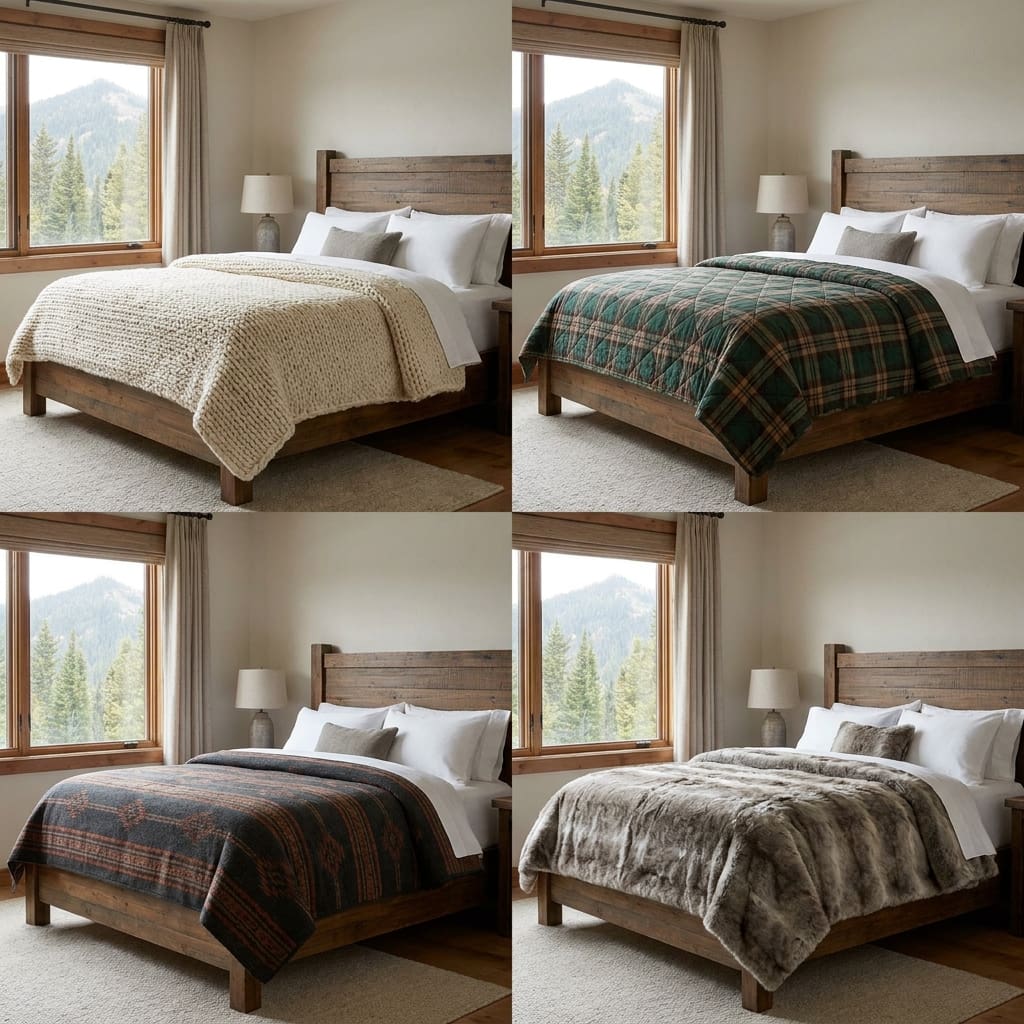
Interior designers use the cover to set color, pattern, and texture in a room. It ties together the headboard, drapes, carpet, and artwork. Because it occupies so much visual space, a small change in color or quilting pattern shifts the character of the whole room. Hotels refreshing a design often begin with the cover for that reason. Choosing a consistent, attractive style and sticking with it gives a property a recognizable look. Twin bedspreads in the same pattern as larger sizes keep multi-bed rooms looking coordinated.
A Wear Item That Needs Planning
Covers are handled daily, shaken out, tucked, and laundered, and they eventually wear out. Treating them as permanent fixtures leads to surprise replacement costs and uneven rooms. Treating them as a managed inventory, with par levels, replacement standards, and a reorder schedule, keeps rooms consistent and budgets predictable. Planning for the full life of bedspreads turns what could be a recurring headache into a routine procurement item.
Quilting Patterns That Keep Fill Where It Belongs
Box-Stitching in Plain Terms
Box-stitching sews the top and bottom layers of the cover together in a grid of small squares or rectangles, with fill sealed inside each compartment. Because the fill cannot travel from one box to another, it stays evenly distributed across the surface. That gives the cover consistent warmth and a flat, tailored appearance. In hotels, where covers are shaken, folded, and laundered repeatedly, this stability is especially valuable. Box-stitched bedspreads keep their shape in situations where loosely quilted products clump and bunch.
What Tight Stitching Reveals
The spacing and strength of stitch lines say a lot about how long a cover will last. Closely spaced, evenly sewn lines hold fill firmly and resist pulling apart. Widely spaced or irregular lines allow fill to shift and seams to stress. When comparing samples, look along every row and tug lightly at intersections. Quality stitching is easy to see once you know to look for it. The same inspection applies to twin bedspreads, where smaller dimensions sometimes tempt manufacturers to cut corners.
Edges and Binding
The perimeter of the cover receives the most handling and the most strain. A well-finished edge, whether bound, piped, or double-stitched, resists fraying and keeps the cover looking crisp. Weak edges are often the first sign of wear and make the whole product look old. Examine corners particularly closely, because they take the most abuse. A hotel that chooses bedspreads with reinforced edges will see fewer early replacements and a more consistent look across rooms.
Fill Weights and the Feel of a Made Bed
Light, Medium, and Heavy Builds
Fill weight determines how warm and substantial a cover feels. Light builds suit warm climates and air-conditioned rooms, medium builds work for most properties, and heavy builds suit cold regions or hotels that want a plush, substantial look. The right choice depends on climate, season, and the guest experience a hotel wants to offer. A mid-weight option often serves the widest range of conditions. Matching weight to the property's reality prevents both overheating and chilly nights when selecting bedspreads.
Loft That Lasts
Loft is the fullness of the cover, and it fades as fill compresses with use and washing. Quality fill recovers well, while poor fill stays flat. A cover that holds its loft keeps beds looking inviting year after year. To judge loft recovery, compress a sample, release it, and watch how quickly it rebounds, then repeat after washing. Loft retention is one of the best measures of value in twin bedspreads and larger sizes alike.
Matching Weight to Layers
The cover works with other layers, such as a blanket or a duvet, and the total warmth is the sum of all of them. A heavy cover over a thick blanket may be too warm, while a light cover alone may be too cool. Decide how many layers each room type receives, then choose the cover weight to fit. Documenting the standard helps housekeepers make every bed the same way. Thoughtful layering makes bedspreads work as part of a coordinated system.
Shell Fabrics Take the Beating
Polyester, Blends, and Microfiber
Most commercial covers use polyester, poly-cotton blends, or microfiber shells. These fabrics resist wrinkles, hold color, and tolerate frequent hot laundering far better than delicate natural fibers. Their durability explains why they dominate in hospitality. The look and feel vary widely, from smooth and crisp to soft and brushed, so handling samples is important. Choosing the right shell is central to getting bedspreads that look good and last.
Weave Tightness and Surface Quality
A tight, even weave resists snagging, pilling, and fill leakage. Loosely woven or thin fabrics show wear quickly and let fill escape at the seams. Run a hand across the surface of each sample and hold it up to light to check consistency. A smooth, uniform surface is a good sign. Hotels that buy bedspreads with quality shells avoid the pilled, fuzzy look that makes rooms feel old.
Easy-Care Finishes
Easy-care treatments help covers come out of the dryer ready to use, with minimal pressing. For a hotel with many rooms, that reduction in labor is significant. Confirm that the product is rated for the temperatures and cycles your laundry uses. A cover that needs special handling will slow housekeeping and raise costs. Easy-care construction is one of the main reasons that commercial twin bedspreads outperform household products in hotel settings.
Sizing From Twin to King Without Surprises
Counting Beds by Size
The ordering process begins with an accurate count of every bed in the property, by size. A hotel with many double-queen rooms will need far more queen-size covers than one built around king suites. Include rollaways and sofa beds that receive covers. Walking the property with a notepad is the most reliable method, because records often miss changes made over the years. Accurate counts prevent the two classic ordering errors, too many of one size and too few of another, with bedspreads.
Where Twin Sizes Fit
Twin beds appear in family rooms, connecting rooms, dormitory-style accommodations, and some budget properties. They need covers of the same quality and style as larger beds so that multi-bed rooms look coordinated. A supplier that offers twin bedspreads alongside full, queen, and king sizes allows a hotel to outfit every room type from one source. Keeping all sizes in the same specification also simplifies training and inventory.
Measuring Mattresses, Not Assuming
Mattress thickness varies, especially with toppers and pillow-top models. A cover that fits a standard mattress may look short on a deeper one. Measure length, width, and depth for each bed type, and compare the numbers with product dimensions. A few minutes of measuring prevents hundreds of mis-sized covers. Real measurements are the foundation for choosing bedspreads that fit properly.
Drop Length Decides Whether a Bed Looks Finished
What Drop Means
Drop is the distance the cover hangs below the mattress top. A short drop reveals the box spring or bed base, while a long drop can drag on the floor. The right drop depends on the bed frame, the presence of a bed skirt, and the look the hotel wants. Formal properties often prefer a longer drop that nearly reaches the floor, while casual ones may choose a shorter drop. Deciding on a standard drop ensures that bedspreads look the same in every room.
Practical Considerations
A cover that touches the floor collects dust and can be stepped on or caught in vacuum cleaners. A cover that is too short looks unfinished and exposes the base. Consider housekeeping routines and room traffic when choosing. Testing a sample on a real bed with the usual frame and skirt shows how it will look. Small adjustments in drop can make a large difference to how finished a bed appears.
Matching Drop Across Sizes
Drop should look consistent across twin, queen, and king beds. A manufacturer that scales dimensions carefully will deliver the same visual proportions in each size. Compare samples in different sizes side by side if possible. Consistent drop helps twin bedspreads and larger sizes read as one coordinated collection.

Colors and Patterns That Age Gracefully
Neutrals for Longevity
Neutral colors such as ivory, taupe, gray, and navy hide minor wear and coordinate with many design schemes. They also make replacement easy, since new covers will blend with older ones. A neutral base lets a hotel change accents without replacing the cover. For properties that expect to keep the same covers for years, neutrals are a safe and attractive choice for bedspreads.
Patterns That Hide Wear
Subtle textures, tonal quilting, and small-scale patterns disguise minor soil and wear better than solid, flat colors. They also add visual interest. Very large or high-contrast patterns can look dated quickly and may be harder to match later. Evaluate patterns on actual beds, not just in swatches, to see how they read from across the room.
Dye Consistency and Reorders
Color can shift slightly between production lots. Buying a full order from the same lot keeps the room uniform, and a supplier that maintains consistent specifications makes later reorders match. Keep records of product names and lot information. Reliable color consistency is essential for long-term programs of twin bedspreads and larger sizes.
Matching Spreads to Room Categories
Standard Rooms Carry the Volume
Standard rooms make up the bulk of most hotels, so durability and cost efficiency matter most there. A reliable mid-weight, box-stitched cover in a neutral color is a practical default. Keeping the same specification across these rooms simplifies purchasing and training, and it lets the hotel hold a deeper reserve. The goal is a clean, consistent look at a sustainable cost, which good bedspreads deliver.
Suites and Premium Rooms
Premium rooms often justify heavier fill, richer colors, or more refined quilting. These rooms are fewer, so the extra cost per cover is manageable, and the upgrade supports higher rates. Guests in these rooms expect noticeable quality, and the cover is one of the easiest places to show it. Choosing upgraded bedspreads for these categories differentiates them clearly.
Extended-Stay and High-Turnover Rooms
Extended-stay rooms and high-turnover rooms put more wear on covers. Durability and easy care become even more important, and replacement cycles tend to be shorter. Track wear by room category and adjust par levels. Building those differences into the plan prevents surprises with twin bedspreads and other sizes.
Counting What the Property Really Owns
The Base Count
Start with the number of beds by size, and decide how many covers each bed needs in the system. Most hotels plan at least one in use and a partial rotation set. This base count tells you the minimum inventory required to keep every bed dressed. Record counts by building or wing to support distribution and audits of bedspreads.
Rotation and Reserve
Covers are laundered less often than sheets, but they still need replacements ready when a cover is stained or being cleaned. Many hotels plan about one and a half covers per bed, plus a reserve of ten to twenty percent for damage and loss. Track how often the reserve is used and adjust accordingly. A sensible reserve prevents rooms from going out of order for want of a cover.
A Worked Example
A hotel with 220 beds planning one and a half covers per bed needs 330. A fifteen percent reserve adds about 50, bringing the total to 380 bedspreads. If 40 of those beds are twin, the order should include roughly 46 twin bedspreads after the reserve. Writing the math down makes ordering quick and gives owners a clear basis for approval.
Buying Whole Cartons at a Time
Why Cases Cost Less Per Piece
Suppliers pack, handle, and ship full cartons more efficiently than single pieces, and that efficiency shows up as a lower price per cover. For a hotel that needs hundreds, the savings can be substantial across a year. Direct Textile Store offers case-pack pricing on hospitality bedspreads, giving hotels a clear way to plan budgets for bedspreads and to compare options on a consistent basis.
Lot Matching and Visual Consistency
Pieces in the same carton typically come from the same production lot, so color, size, and feel match. That matters when many beds are photographed and when guests compare rooms. Lot matching also makes replacement simpler, since a new carton from the same specification is likely to blend with existing stock. Consistent lots are a hidden advantage of buying twin bedspreads and other sizes by the case.
Administrative Relief
Fewer, larger orders mean fewer purchase orders, fewer deliveries, and fewer receiving tasks. Predictable pricing and quantities also make budgeting easier. For procurement teams and owners, that simplicity is a real benefit. Standardizing on a single source of bedspreads keeps the entire process manageable.
Judging a Sample Before It Becomes a Pallet
Hand and Eye Inspection
Open the sample and examine it closely in good light. Check stitching, edges, corners, and the evenness of the surface. Press and release the fill to see how it rebounds. Compare multiple samples side by side so differences are easy to see. A careful inspection costs little and prevents large mistakes when ordering bedspreads.
Laundry Trials
Wash and dry samples several times using your actual laundry process. Check for shrinkage, clumping, color change, and seam damage, and note how long they take to dry. A sample that looks different after three washes will look much worse after thirty. Your own machines are the best test of how twin bedspreads and other sizes will behave.
On-the-Bed Trials
Place the sample on a real bed with the usual sheets, blanket, and pillows. Make the bed as housekeeping would and evaluate the finished look. Ask housekeepers for feedback on weight, handling, and ease of tucking. Practical trials often reveal issues that measurements and specifications miss.
Keeping Spreads Fresh Between Launderings
Spot Cleaning and Quick Fixes
Not every stain requires a full laundering. Housekeepers can often treat small spots quickly with the right product and technique, which keeps covers in service longer. Train staff on what to use and what to avoid, and document the procedure. Prompt attention prevents stains from setting. Spot care is an efficient way to extend the life of bedspreads.
Full Laundering Practices
When covers do need a full wash, follow the care instructions for temperature and detergent, avoid overloading machines, and dry thoroughly. Over-drying can cause shrinkage and stiffness, while under-drying leads to odors. Use methods that restore loft, such as gentle tumbling. Consistent practices protect fill and shell.
Retirement Standards
Decide when covers should be retired, such as when they remain flat, show persistent stains, or have damaged seams. Write the standard down so every housekeeper applies it the same way. Prompt retirement keeps rooms looking fresh. It also gives you data to refine par levels for twin bedspreads and larger sizes.
Storage Rooms, Carts, and Housekeeping Habits
Organizing the Linen Room
Store clean covers in a dry, clean room on shelves labeled by size and type. Keep reserve stock separate from stock in circulation, and avoid compressing covers tightly for long periods, which can reduce loft. An organized room speeds up restocking and makes inventory counts easy. Good storage protects the investment in bedspreads.
Stocking Housekeeping Carts
Carts should carry the right quantities of each size for the rooms assigned that day. Labeling and consistent placement help housekeepers grab what they need quickly. Fewer trips to storage means faster room turnover. Cart discipline is a simple efficiency that pays off across a large property.
Building Training Into the Routine
Create a short guide showing how each bed should look, how covers are folded and stored, and when to replace them. Include photos. Train new housekeepers early, and refresh the training periodically. Clear, simple standards keep every room consistent and make bedspreads last longer.
The Final Pre-Order Walkthrough
Specifications to Verify
Before finalizing a bulk order, confirm each of the following with samples in hand:
- Box-stitching is tight and even: Stitch lines are consistent, edges are reinforced, and fill stays in place after washing.
- Fill weight suits your climate and layers: The cover provides the right warmth with your standard blanket or duvet setup.
- Shell fabric is tightly woven and easy to care for: The surface resists snagging and pilling and tolerates your laundry cycles.
- Sizes and drop match your beds: You have counted beds by size, measured mattresses, and confirmed dimensions, including twin sizes.
- Color and pattern hold up: Samples keep their shade after repeated washing, and the supplier can match the color on reorder.
- Quantities include rotation and a reserve: Your calculation covers beds in use, replacement needs, and expected losses.
- Case-pack pricing, shipping timing, and reorder availability are confirmed: You know the total cost, when the order will arrive relative to your renovation or peak season, and that the same item can be ordered again.
Conversations to Have
Share the plan with housekeeping, laundry, and purchasing teams. Make sure everyone understands the par levels, the bed-making standard, and the retirement rules. Confirm the delivery date and make sure storage space is ready. A short conversation before the order arrives prevents confusion afterward.
Records to Keep
Save the specification, order date, quantities, prices, and inventory counts in one place. Update the record whenever products or quantities change. A clear history makes future orders faster, supports audits, and helps new managers maintain consistency across the property.
Where Direct Textile Store Fits Into a Hotel Bedspread Program
For hotels working through this process, one dependable source can simplify ordering, keep every room consistent, and keep quality steady from one order to the next. Direct Textile Store offers box-stitched designs bedspreads for hospitality, including box-stitched designs and easy-care styles. Browse styles and case packs to outfit your operation. The range is built for hotels and other lodging settings where bedding is laundered constantly and judged by guests every night, so durability, even fill, and consistent sizing are central to every product.
Hotels benefit from having bedspreads and twin bedspreads available in consistent specifications and case-pack quantities. With one source for covers across sizes, a property can match fabric, color, and quilting across every room type, keep a single set of care instructions, and avoid the confusion of piecing together inventory from many places. Automatic case-pack pricing lowers the cost per piece as the order grows, and there are no coupons or minimums to manage, which makes budgeting simpler for owners, general managers, and procurement teams. When a renovation or brand refresh is planned, the same source can supply the full set of bedding, which helps rooms come together as a coordinated whole.
Consistency matters as a hotel grows or renews itself. When a new wing opens, a floor is renovated, or a replacement cycle comes due, additions and replacements that match existing stock keep guests experiencing the same quality in every room. Direct Textile Store also supplies the other textiles hotels use, including sheets, comforters, pillows, blankets, towels, and mattress pads, so one relationship can support the whole property. That breadth lets a hotel standardize its bedding program, simplify reordering, and keep supply predictable through busy seasons and quiet ones alike, with every cover arriving in the same quality the guests have come to expect.
Putting It All Together for a Hotel's Bed Program
The best way to supply a hotel is to buy durable, box-stitched bedspreads in the right fill weight and color for each room category, sized correctly for every bed, in case packs at wholesale pricing. Hotels that measure their mattresses, test samples through their own laundry and on real beds, and calculate quantities with rotation and reserves tend to keep rooms looking full and uniform while controlling costs. Including twin bedspreads in the same specification as larger sizes keeps multi-bed rooms coordinated and removes a common source of mismatch. Choosing a supplier that can reorder the same product year after year protects the look of the property as it ages and expands.
The biggest gains come from planning rather than from any single product decision. A written par level, a simple inventory record, a clear retirement standard, and a short training guide for housekeepers turn what could be a recurring scramble into a routine. When those pieces are in place, replacements arrive before they are urgent, rooms stay consistent, and guests encounter the same finished bed on the first night and the fiftieth. That consistency supports reviews, repeat stays, and the overall reputation of the property in ways that are hard to measure but easy to feel.
Finally, treat the bed program as part of the whole bedding system rather than an isolated purchase. Covers work alongside sheets, blankets, pillows, and mattress pads, and the best results come when they are chosen together, sourced together, and maintained together. Hotels that plan ahead, rather than replacing bedspreads only when guests notice wear, keep every room ready, protect their budgets, and make the most of the single piece of fabric that does the most to say a room is ready for its guest.

Learn More About Our Experience Supplying Wholesale Linens → About Direct Textile Store
Direct Textile Store is a leading U.S. wholesale linen and textile supplier trusted by over 131,000 hotels, hospitals, healthcare facilities, restaurants, spas, salons, resorts, gyms, emergency shelter and response, funeral homes, VRBO & Airbnb hosts, car washes, and commercial buyers nationwide. Shop in bulk with everyday low wholesale pricing and automatic 20% case-pack discounts — no coupons or minimums required. Choose from one of the largest in-stock selections available: over 135,000 towels, pool towels, sheets, blankets, comforters, tablecloths, pillows, bed toppers, aprons, hospital gowns, patient gowns, isolation gowns, scrubs, shower curtains, chef apparel, smocks, lab coats, uniforms, and commercial laundry equipment including wire, vinyl, and poly laundry carts, trucks, and privacy screens — all ready to ship today. Free shipping on orders over $5,999.
FAQ
What do bedspreads do in a hotel room?
They protect the layers beneath, set the color and style of the room, and give the bed its finished appearance.
Why do hotels choose box-stitched bedspreads?
Box-stitching holds fill in small compartments so it cannot shift, keeping warmth even and the bed looking full after repeated laundering.
Do hotels need twin bedspreads?
Yes, if they have twin beds, daybeds, or multi-bed rooms, and they should match the style and quality of larger sizes for consistency.
How many bedspreads should a hotel stock?
Many plan about one and a half per bed for rotation, plus a ten to twenty percent reserve for damage and loss.
Is it cheaper to buy bedspreads in case packs?
Generally yes. Case packs lower per-piece cost and keep color and size consistent across a large order.
What should I test before ordering twin bedspreads in volume?
Wash samples several times, check stitching and loft recovery, test drop on real beds, and confirm that sizes match your mattresses.
Which store offers bedspreads in bulk for a hotel?
Direct Textile Store offers box-stitched designs bedspreads for hospitality, including box-stitched designs and easy-care styles. With case-pack pricing and consistent in-stock inventory, it's a practical option for hotels outfitting every room.