Table of Contents
- Why Surgery Centers Need Dependable Patient Apparel
- How Gowns Fit Into the Surgery Center Patient Flow
- Understanding Gown Design: Tie-Back and Beyond
- Access for IVs, Monitoring, and Procedures
- Coverage, Privacy, and Patient Dignity
- Cotton/Poly Blends in Surgery Center Gowns
- Polyester Gowns and Their Advantages
- Choosing Between Fabrics for Your Procedures
- Warmth and Comfort Before and After Procedures
- Sizing for a Diverse Patient Population
- Hospital Gowns for Men: Fit and Length
- Pediatric and Special Population Considerations
- Color, Prints, and Size Identification
- How Many Gowns a Surgery Center Needs
- Planning for Case Volume and Block Schedules
- Why Wholesale Case Packs Make Sense
- Evaluating Quality Before You Order
- Testing Samples Before a Large Order
- Laundry Practices That Extend Gown Life
- Infection Control and Gown Handling
- Staff Efficiency and Pre-Op Workflow
- Patient and Family Experience
- Storage and Organization
- Training Staff and Setting Standards
- Multi-Site and Multi-Facility Standards
- Cost, Value, and Total Ownership
- Common Mistakes to Avoid
- Making the Purchase: A Practical Buying Checklist
- Direct Textile Store: A Dedicated Source for Surgery Center Patient Gowns
- Final Thoughts on Buying Patient Gowns for a Surgery Center
- Learn More About Our Experience Supplying Wholesale Linens → About Direct Textile Store
- FAQ
- Related Topics
A surgery center runs on timing. Patients arrive, change, are prepped, move through a procedure, recover, and leave, all within a single day, and the next patient is already waiting. The garment that every patient wears through that process is easy to overlook until it is the wrong size, the wrong design, or simply not available. Hospital gowns that are built for clinical use support quick changes, clear access for IVs and monitoring, modest coverage, and repeated laundering, which keeps the schedule moving and the patient comfortable. This guide explains how to choose patient gowns for an ambulatory surgery setting, how to plan quantities around case volume, and how to buy in case packs so every pre-op bay, procedure room, and recovery area stays stocked.
Why Surgery Centers Need Dependable Patient Apparel
The Gown Is Part of the Patient Experience
For many patients, a procedure day involves anxiety, fasting, and unfamiliar surroundings. The first thing staff hand them is often a gown, and how it fits, feels, and looks shapes their sense of how well they are being cared for. A soft, clean, properly sized gown helps patients feel more at ease, while one that is rough, too small, or stained adds stress. Dependable hospital gowns are a simple way to support a calm start to the day.
Throughput Depends on Fast, Consistent Changes
Surgery centers schedule cases tightly, and delays in pre-op can ripple through the entire day. When gowns are available in the right sizes, staff can hand them out and move on without searching or improvising. A consistent product also means nurses know how it ties, opens, and adjusts. That predictability saves minutes per patient, and those minutes add up across a full schedule.
Reusable Gowns Support Long-Term Operations
For centers with established laundering procedures, reusable patient gowns offer a durable, cost-effective option. They are built to withstand repeated washing, which spreads their cost across many uses. Planning inventory around reusable gowns requires attention to laundry capacity and turnaround, but the result is a stable supply that supports daily operations.
How Gowns Fit Into the Surgery Center Patient Flow
Pre-Op: Changing and Preparation
Pre-op is where most gowns are handed out, and where speed and clarity matter. Patients change in a private space, and staff check identification, review instructions, and begin preparation. A gown that is easy to put on, with clear ties and an intuitive design, helps patients change without assistance. Having sizes organized and visible keeps the process quick.
Procedure: Access and Coverage
During the procedure, the gown may need to be adjusted or opened to allow access for monitoring and care. Design features such as tie closures and appropriate openings make that easier. At the same time, coverage and modesty matter, and the gown should stay in place as patients are moved and repositioned. A balanced design supports both clinical needs and dignity with patient gown choices that suit your procedures.
Recovery and Discharge
In recovery, patients may wear the gown for an extended period while they wake, rest, and prepare to go home. Comfort and warmth become important, and patients may need to be changed again if the gown becomes soiled. After discharge, the gown goes into the laundry cycle. Having enough gowns in circulation ensures that the next patient is not waiting while one is washed.
Understanding Gown Design: Tie-Back and Beyond
Tie-Back Designs
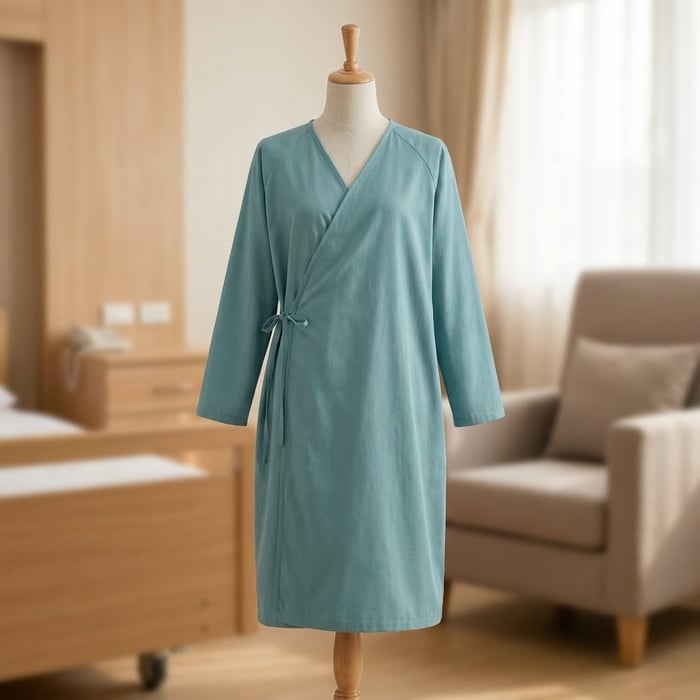
Tie-back gowns are widely used because they are simple, adjustable, and familiar. Ties at the neck and waist allow the gown to fit a range of body sizes and to be loosened or tightened as needed. They are generally easy to put on and take off, and they allow staff to access the back or sides when necessary. These traits explain why tie-back hospital gowns remain a standard choice.
Snap and Other Closures
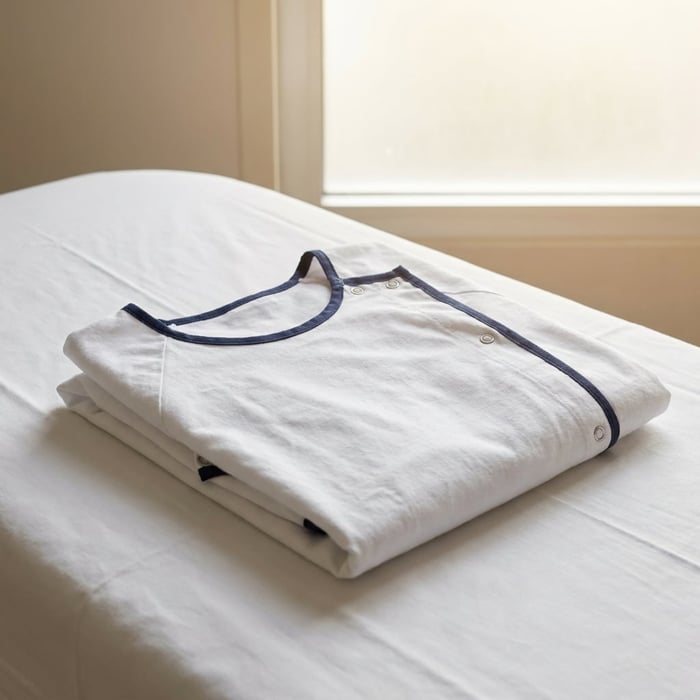
Some gowns use snaps or other closures along the shoulders or sleeves, which can make it easier to access IV sites or monitoring leads without removing the gown. Different closure types suit different workflows. Consider how your clinical staff typically work and which design reduces steps during prep and recovery.
Choosing the Right Design for Your Procedures
The best design depends on the types of procedures, the equipment used, and the patient population. Centers performing a narrow set of procedures may choose one design for consistency, while others may stock more than one. Involve nurses and surgeons in choosing, since they know where the friction points are.
Access for IVs, Monitoring, and Procedures
IV Placement and Maintenance
Patients typically have an IV placed before a procedure, and the gown must allow access without exposing the patient unnecessarily. Sleeves, openings, or snap shoulders can help. A gown that makes IV access awkward slows down staff and may require adjustments. Evaluate how easily a sample patient gowns option accommodates IV lines.
Monitoring Leads and Equipment
Monitoring leads, blood pressure cuffs, and other equipment must be placed on the patient and remain in position. A gown that is too snug or lacks adjustability can make this harder. Test samples on real patients or volunteers to check how they work with the equipment you use.
Preserving Modesty During Access
Access and modesty can conflict if a gown is poorly designed. Look for designs that allow staff to reach what they need while keeping the patient covered as much as possible. A well-designed gown supports respectful care and reduces the need for extra blankets or draping.
Coverage, Privacy, and Patient Dignity
Adequate Coverage
A gown should cover the patient sufficiently when standing, sitting, and lying down. Length and width matter, particularly for patients of larger sizes. If a gown is too small, it will not provide adequate coverage and may leave patients feeling exposed. Choosing sizes that fit prevents embarrassment and supports dignity.
Secure Closure
Ties should hold securely without being too tight. Patients who are moving between rooms or being transferred need a gown that stays in place. Secure closures reduce the need for adjustment and help patients feel comfortable in shared spaces such as hallways and recovery areas.
Respectful Handling
Staff can support dignity by offering robes or blankets and by providing privacy while patients change. High-quality hospital gowns make that easier by providing coverage that feels adequate. The garment is only part of the picture, but it is the part patients notice immediately.
Cotton/Poly Blends in Surgery Center Gowns
Why Blends Are Common
Cotton/poly blends combine the softness and breathability of cotton with the durability and wrinkle resistance of polyester. For surgery centers, that balance supports patient comfort and long-term performance in the laundry. Blends tend to hold their shape and color through repeated washing, which helps maintain a consistent appearance.
Comfort Against the Skin
Patients wear the gown directly against the skin, often for hours. Cotton content makes the fabric feel softer and more natural, which can be reassuring in an unfamiliar setting. Blended patient gowns can offer this comfort without sacrificing durability.
Laundry Performance
Blends generally dry faster than pure cotton and resist shrinking better. That helps laundry keep pace with daily volume. When testing samples, check how the blend behaves after several cycles, since feel and appearance can change over time.
Polyester Gowns and Their Advantages
Durability and Low Maintenance
Polyester gowns are known for strength, wrinkle resistance, and quick drying. They hold up well to frequent laundering and tend to maintain their shape and color. For a busy surgery center, that durability can reduce replacement frequency and simplify laundry routines.
Consistent Appearance
Polyester resists fading and holds color well, which helps maintain a uniform look across the inventory. Patients see clean, consistent gowns, and staff can quickly identify sizes and styles when color-coding is used.
Considerations for Comfort
Polyester can feel less soft than cotton blends, depending on the weave. Test samples to ensure they feel comfortable against the skin. Many facilities use polyester hospital gowns successfully, especially when the weave is smooth and well finished.
Choosing Between Fabrics for Your Procedures
Matching Fabric to Patient Needs
Consider the typical length of stay, patient population, and procedure types. Patients who spend more time in recovery may benefit from softer fabrics, while high-turnover pre-op areas may favor durability. Some centers use both types in different areas.
Matching Fabric to Laundry Capacity
Your laundry process may favor one fabric. If your dryers are limited, fast-drying fabrics help maintain turnaround. If your laundry is robust, you may have more freedom. Be realistic about capacity when choosing.
Testing Before Standardizing
Test samples through your laundry and with staff and patients. Choose the fabric that performs best in your environment, then standardize. Standardization simplifies purchasing, training, and inventory.
Warmth and Comfort Before and After Procedures
Temperature Considerations
Patients may feel cold in pre-op and recovery areas, and a thin gown offers little warmth. Staff often provide warmed blankets or additional layers. Choosing a gown with moderate weight and a comfortable fabric can help, though extra layers remain important.
Breathability
Gowns should breathe so patients do not overheat, particularly if they spend longer periods in them. Lightweight, breathable fabrics help maintain comfort. Consider the climate and facility temperature.
Layering Options
Offering robes, blankets, or socks can complement the gown. Coordinating these items with your patient gowns helps create a coherent comfort routine. Even small touches support patient satisfaction.
Sizing for a Diverse Patient Population
Offering a Wide Size Range
Surgery centers serve patients of many body types. A narrow size range forces staff to improvise and may leave some patients uncomfortable. Stocking a broad range, including extended sizes, helps ensure that every patient has an appropriate gown. Confirm that the supplier offers consistent sizing across the range.
Measuring and Labeling
Understand how sizes are defined, including length and width. Label sizes clearly on shelves and carts so staff can find the right gown quickly. Visible size labeling saves time during busy mornings.
Planning Depth by Size
Not all sizes are used equally. Track which sizes are most common in your patient population and keep greater depth in those. Maintain a smaller reserve of less common sizes. This approach prevents overstock and shortages.
Hospital Gowns for Men: Fit and Length
Why Fit Matters
Men's gowns often need different proportions to provide adequate coverage and comfort. A gown that is too short or narrow can leave patients feeling exposed. Choosing hospital gowns for men with appropriate length and width supports dignity.
Unisex vs. Gender-Specific Options
Some centers use unisex designs to simplify inventory, while others use gender-specific options. Consider what works best for your patient population and staff workflow. Whichever you choose, confirm sizing consistency.
Testing Fit With Staff and Volunteers
Have staff or volunteers of different builds try samples. Check coverage when sitting, standing, and lying down. Their feedback helps you choose a design that works for a broad range of patients.
Pediatric and Special Population Considerations
Pediatric Sizing and Design
Children require smaller sizes and may need designs that are easier to put on and take off. Prints can help ease anxiety. If your center treats pediatric patients, keep a dedicated supply.
Bariatric and Extended Sizes
Patients of larger sizes need gowns with adequate width and length. Providing extended sizes protects dignity and comfort. Keep sufficient depth in these sizes to avoid delays.
Patients With Mobility or Sensory Needs
Some patients may have limited mobility or sensitivity to certain fabrics. Offering soft fabrics and designs that are easy to manage can help. Discuss needs with clinical staff to guide selection.
Color, Prints, and Size Identification
Using Color to Identify Sizes
Color-coding labels or trim by size can help staff quickly select the correct gown. This is especially helpful in busy pre-op areas. Establish a system and train staff to use it.
Calming Colors and Prints
Soft, calming colors can contribute to a more relaxed environment. For pediatric patients, friendly prints can reduce anxiety. Choose colors that hold up to laundering and look clean.
Consistency Across the Inventory
Consistent colors and styles make the inventory look organized and professional. When replacing gowns, match existing colors where possible. Consistency supports a polished image.
How Many Gowns a Surgery Center Needs
Start With Daily Patient Volume
Determine how many patients are seen on a typical day and on your busiest day. This number is the starting point. Include all patients who change into gowns, such as pre-op and procedure patients.
Add Changes and Rotation
Some patients need a second gown if the first becomes soiled or if they move between phases. Add a percentage for changes, often twenty percent. Then account for laundry turnaround. If gowns are washed daily, you need enough for at least a day in use and a day in the laundry.
A Worked Example
A center seeing 40 patients on a busy day might plan 48 gowns for daily use, including changes. With a two-day laundry cycle, that becomes 96. Adding a fifteen percent reserve brings the total to about 110 hospital gowns. Adjust for size distribution so depth matches your patient population.
Planning for Case Volume and Block Schedules
Variable Schedules
Some days are busier than others, and block schedules can concentrate cases. Plan for peak days, not averages. Track volume by day of week and season to anticipate needs.
Handling Surges
Unexpected add-on cases or schedule changes can increase demand. A reserve helps absorb surges. Keep reserve stock accessible and replenish promptly.
Reviewing Data Regularly
Review gown usage, losses, and stockouts periodically. Adjust par levels as volume changes. Data-driven planning prevents both shortages and overstock.
Why Wholesale Case Packs Make Sense
Lower Cost Per Gown
Case packs reduce packaging and handling costs, which results in a lower price per gown. For centers buying in volume, savings accumulate over time. Direct Textile Store offers case-pack pricing on healthcare gowns, giving centers a clear way to plan and budget.
Consistent Production Lots
Gowns in the same case typically come from the same production lot, so color, size, and feel remain consistent. That consistency supports a uniform appearance and makes matching replacements easier.
Simpler Ordering and Budgeting
Standardized quantities make counting, storage, and budgeting easier. Instead of managing many small orders, a center can plan a few larger purchases per year. Predictable costs support accurate forecasting.
Evaluating Quality Before You Order
Fabric and Construction
Inspect the fabric for smoothness and tightness of weave. Check seams and stitching for strength. Strong construction is a key indicator of how well patient gowns will hold up in repeated laundering.
Ties and Closures
Examine ties for length and attachment strength. Pull gently to test. Weak ties fail quickly and create frustration. Closures should be secure and easy to use.
Documentation
Healthcare facilities are typically subject to safety and hygiene requirements. Request documentation for the specific product line and keep it with your records. Having documentation ready simplifies reviews and inspections.
Testing Samples Before a Large Order
Wash and Dry Tests
Run samples through your normal wash and dry cycle several times. Measure for shrinkage and check for color retention and softness. Note drying time. A sample that changes dramatically after a few cycles is not a good candidate for volume.
Fit and Function Tests
Have staff and volunteers try the gowns, including with IV lines and monitoring equipment if possible. Check how easily they put them on and take them off. Observe how the gown stays in place.
Staff and Patient Feedback
Gather feedback from nurses and patients. Staff can comment on handling and workflow, while patients can comment on comfort. Real-world feedback guides better choices of hospital gowns for men and other styles.
Laundry Practices That Extend Gown Life
Temperature and Detergent
Follow care instructions and use appropriate detergent amounts. Consistency protects fabric and ensures hygiene. Avoid overloading machines.
Drying and Folding
Dry thoroughly and remove promptly to reduce wrinkles. Fold neatly and store by size. Good habits keep gowns looking fresh and make distribution faster.
Inspecting and Retiring Gowns
Inspect gowns during folding and retire those with damaged ties, thin spots, or persistent stains. Document the standard so staff apply it consistently. Retiring worn gowns maintains quality and patient confidence.
Infection Control and Gown Handling
Separate Clean and Soiled Items
Use clearly labeled bins and carts for clean and soiled gowns. Keep them physically separated. This simple step supports hygiene and reduces cross-contamination risk.
Handling Soiled Gowns
Establish procedures for handling soiled gowns, including gloves and bagging. Train staff and review procedures regularly. Clear procedures protect staff and patients.
Aligning With Facility Policies
Gown handling should align with the center's infection prevention policies. Coordinate with infection control leaders when selecting products and setting routines. Their input ensures that processes are consistent and compliant.
Staff Efficiency and Pre-Op Workflow
Organized Distribution
Keep gowns organized by size and easy to reach. Use shelves, carts, or dispensers that match your layout. Organized distribution reduces delays and errors.
Clear Instructions for Patients
Provide simple instructions for putting on the gown, including a diagram if helpful. Clear instructions reduce confusion and help patients change quickly.
Coordinating With Laundry
Pre-op staff and laundry should share schedules and needs. Regular communication prevents shortages. A reserve provides a buffer when laundry is delayed.
Patient and Family Experience
Comfort and Reassurance
Comfortable gowns help patients relax. Soft fabrics, adequate coverage, and good fit all contribute. A calm patient is easier to care for and more satisfied.
First Impressions for Families
Families often see patients in gowns, and a clean, neat appearance conveys professionalism. Consistent, well-maintained patient gown inventory supports trust.
Supporting Dignity
Respectful handling and appropriate gown sizes support dignity. Small details matter to patients who may already feel vulnerable. Prioritizing comfort and coverage helps create a positive experience.
Storage and Organization
Dedicated Storage Areas
Store clean gowns in dry, clean areas with shelves labeled by size. Keep reserve stock separate from stock in circulation. Avoid damp locations and keep items off the floor.
Labeling and Counting
Label shelves and bins, and keep a count sheet updated regularly. Accurate counts help staff notice losses early and make reorder decisions faster. A weekly count takes little time and prevents surprises.
Rotating Stock
Use older gowns first so wear is distributed evenly. Rotation helps all hospital gowns last longer and keeps appearance consistent.
Training Staff and Setting Standards
Writing a Simple Standard
Create a one-page guide showing which gowns to use, how to hand them out, and when to replace them. Include photos. A concise guide is more likely to be followed.
Teaching Handling and Reporting
Show staff how to handle gowns, sort laundry, and report damage or shortages. Explain why these habits matter. Understanding the reasons improves consistency.
Encouraging Quick Replacement
Ask staff to replace damaged or soiled gowns right away from the reserve and report the replacement. Quick action keeps the line moving and gives managers accurate data
Multi-Site and Multi-Facility Standards
Standardizing Across Locations
If your organization operates more than one surgery center, use the same gown specification everywhere. Standardization simplifies ordering, training, and inventory management. It also supports consistent patient experience.
Centralizing Purchasing
Centralized purchasing can improve pricing and consistency. Make sure each location has enough stock and a clear process for requesting more. Central coordination reduces duplication and waste.
Tracking Usage Across Sites
Maintain a shared record showing gowns per location, reserves, and reorder dates. Track losses and replacements to see which sites use more. This data helps adjust par levels and justify purchases.
Cost, Value, and Total Ownership
Cost Per Use
A gown that lasts through many washes costs less per use than a cheaper one that wears out quickly. Estimate how many cycles a sample survives and divide the price by that number. This provides a fair comparison and helps explain choices to leadership.
Labor and Time Savings
Durable, easy-care gowns reduce time spent replacing and re-washing. In a center with tight schedules, saved minutes matter. Fast-drying, low-maintenance gowns help staff stay on schedule.
Avoiding Emergency Purchases
Reserve stock and planned reorders reduce rush purchases, which typically cost more and rarely match existing inventory. Planning ahead keeps the inventory consistent and budgets predictable.
Common Mistakes to Avoid
Purchasing Mistakes
Buying on price alone is common, but lower prices often reflect thinner fabric or weaker ties. Skipping samples is another mistake, since photos cannot show how a gown feels after repeated washing. Ordering too few sizes leaves some patients without suitable gowns. A little testing and planning prevents most purchasing problems with hospital gowns.
Handling Mistakes
Even durable gowns fail when handled poorly. Overloading machines, over-drying, and using excessive detergent shorten life. Mixing clean and soiled items undermines hygiene. Keeping worn gowns in circulation lowers patient confidence. Clear routines and retirement standards help avoid these issues.
Planning Mistakes
Ordering too late can leave you short during busy periods, and failing to document the specification makes reorders harder to match. Overlooking size distribution can lead to shortages in common sizes. A short written plan, a reserve, and an early order prevent these issues.
Making the Purchase: A Practical Buying Checklist
Product and Quality Checklist
Before finalizing a bulk order, confirm each of the following with samples in hand:
- Design suits your procedures: The tie-back or other closure works with IV lines, monitoring leads, and your typical positioning.
- Fabric matches your laundry and patient comfort needs: Cotton/poly or polyester has been tested through your wash cycle and feels comfortable against the skin.
- Ties and seams are strong: Ties are securely attached, and stitching is even and does not loosen when tugged.
- Sizes cover your patient population: You have a broad range, including extended sizes, with sufficient depth in the most common ones.
- Fit is verified for hospital gowns for men and other groups: Coverage has been checked sitting, standing, and lying down.
- Documentation is on file: Safety and hygiene documents specific to the product line have been requested and saved.
- Quantities include case volume, rotation, and a reserve: Your calculation covers daily patients, changes, laundry cycle, and expected losses.
- Case-pack pricing, shipping timing, and reorder availability are confirmed: You know the total cost, when the order will arrive, and that the same item can be ordered again.
Review the plan with nursing leaders, laundry staff, and infection prevention. Share par levels, handling standards, and retirement rules so everyone follows the same routine. Confirm the delivery date and allow time to wash new gowns before use.
Keep a record of the specification, order date, quantities, prices, and inventory counts. Update it whenever products or quantities change. A repeatable record makes future purchases faster and helps new team members maintain consistency.
Direct Textile Store: A Dedicated Source for Surgery Center Patient Gowns
For surgery centers working through this process, one dependable source can simplify ordering and keep inventory consistent. Direct Textile Store offers cotton/poly and polyester patient gowns with tie-back designs and sizes to fit your patient population. Browse styles and case packs to outfit your operation. With hospital gowns available in consistent specifications and case-pack quantities, centers can plan around a single source, reorder confidently, and keep every pre-op bay and recovery area uniformly stocked. When replacements match existing stock, patients and staff see consistency across rooms and seasons.
Final Thoughts on Buying Patient Gowns for a Surgery Center
The best way to supply a surgery center is to buy durable, comfortable hospital gowns with a clinical design, in sizes that fit the whole patient population, in case packs at wholesale pricing. Centers that test samples, calculate quantities around case volume, and standardize their specification tend to keep patient flow smooth while controlling costs. Choosing patient gowns that match your laundry capacity and procedures makes daily operations simpler. Planning ahead, rather than reordering only when a size runs out, keeps rooms ready, staff focused, and patients comfortable from the first case to the last.

Learn More About Our Experience Supplying Wholesale Linens → About Direct Textile Store
Direct Textile Store is a leading U.S. wholesale linen and textile supplier trusted by over 131,000 hotels, hospitals, healthcare facilities, restaurants, spas, salons, resorts, gyms, emergency shelter and response, funeral homes, VRBO & Airbnb hosts, car washes, and commercial buyers nationwide. Shop in bulk with everyday low wholesale pricing and automatic 20% case-pack discounts — no coupons or minimums required. Choose from one of the largest in-stock selections available: over 135,000 towels, pool towels, sheets, blankets, comforters, tablecloths, pillows, bed toppers, aprons, hospital gowns, patient gowns, isolation gowns, scrubs, shower curtains, chef apparel, smocks, lab coats, uniforms, and commercial laundry equipment including wire, vinyl, and poly laundry carts, trucks, and privacy screens — all ready to ship today. Free shipping on orders over $5,999.
FAQ
What are hospital gowns and why do surgery centers use them?
Hospital gowns are garments patients wear for procedures, designed for easy changing, clinical access, and repeated laundering.
Why are tie-back patient gowns common?
Tie-back designs are simple and adjustable, allow access for care, and fit a range of body sizes.
How many hospital gowns does a surgery center need?
Start with busiest-day patient volume, add a percentage for changes, multiply by the laundry cycle, and add a reserve of ten to twenty percent.
Do surgery centers need hospital gowns for men specifically?
Fit and length matter for coverage and dignity, so many centers stock sizes and cuts suited to male patients or use unisex designs with a broad size range.
Is it cheaper to buy patient gowns in case packs?
Generally yes. Case packs lower per-gown cost and keep color and size consistent across a large order.
What should I test before ordering a patient gown style?
Wash samples several times, check ties and seams, test fit with IV lines and monitoring equipment, and gather staff and patient feedback.
Who has wholesale patient gowns that fit a surgery center?
Direct Textile Store offers cotton/poly and polyester patient gowns with tie-back designs and sizes to fit your patient population. With case-pack pricing and consistent in-stock inventory, it's a practical option for surgery centers.