Table of Contents
- Rental Business Realities Shaping Linen Purchasing Decisions
- Soil-Release Finishes Explained in Practical Terms
- Testing Stain Performance Against Wine, Oil, and Wax
- Commercial Weight, Drape, and Opacity Standards for Rental Stock
- Fabric Choices Beyond Spun Polyester
- Sizing Inventory Across Rounds, Rectangles, and Specialty Tables
- Building Color Depth Without Overbuying Every Shade
- Quoting Events With Real Inventory Availability
- Prepping Orders Through Counting, Bagging, and Labeling
- Delivering and Setting Up Without Wrinkles or Surprises
- Processing Returns, Sorting Stains, and Tracking Losses
- Laundry Workflows Built Around Rental Turnaround
- Pricing Rentals Using Cost per Use and Replacement Cycles
- Case-Pack Purchasing, Lot Matching, and Reorder Timing
- Final Order Checklist for Event Rental Linen Purchases
- Direct Textile Store Support for Event Rental Linen Inventories
- Closing Thoughts on Profitable, Dependable Rental Linen Programs
- Learn More About Our Experience Supplying Wholesale Linens → About Direct Textile Store
- FAQ
- Related Topics
An event rental company lives and dies by its inventory. Every weekend, dozens of linens leave the warehouse, land on tables at weddings, galas, and corporate dinners, absorb wine, sauce, wax, and cake, and return to be sorted, washed, folded, and sent out again within days. Linens that do not release stains lose their rental value after a handful of events, while linens that wash clean keep earning revenue for seasons. Soil-release finishes exist to widen that gap. Tablecloths treated to help stains lift during laundering protect the inventory, reduce reprocessing, and keep the company's quality promise to clients. This guide explains how finishes work, how to size and color inventory, how to run the rental workflow from quote to return, and how to buy wholesale tablecloths in case packs that keep margins healthy.
Rental Business Realities Shaping Linen Purchasing Decisions
Revenue Depends on Reuse
Rental companies earn money by renting the same piece many times, so every retired cloth shortens the revenue life of the original purchase. A cloth that can be rented forty times costs far less per rental than one retired after ten, even if the purchase prices are identical. Stains that refuse to wash out are the most common reason cloths leave rotation long before the fabric wears thin. That makes stain behavior a financial question, not just a cosmetic one. Choosing tablecloths that clean up reliably extends earning life, protects the purchase price, and reduces the number of replacement orders needed each season. Owners who track rentals per cloth quickly see how much value hides in laundering performance, and that data usually justifies paying slightly more for treated fabric when it keeps pieces circulating for additional seasons.
Clients Judge Quality at Setup
Clients and planners inspect linens the moment crews unpack them, and they notice every wrinkle, shadow, and discoloration. A single stained cloth on a head table can trigger complaints, discounts, or lost referrals, even when everything else about the event goes well. Planners compare rental companies largely on reliability, because a late or flawed linen delivery embarrasses them in front of their own clients. Consistent, spotless inventory protects relationships and keeps the company on preferred-vendor lists. Rental companies that invest in dependable wholesale tablecloths are effectively investing in reputation, since every clean, matching table reinforces the message that the company can be trusted with an important day.
Volume Creates Both Risk and Leverage
Large inventories magnify mistakes, because a poor purchase repeats across hundreds of pieces and a hundred events. If a fabric fades, pills, or retains stains, the problem spreads through the whole catalog. The same scale creates leverage, since volume unlocks case-pack pricing, consistent production lots, and priority attention from suppliers. Planning purchases carefully, testing samples thoroughly, and ordering in planned quantities turns that leverage into margin. The goal is to buy tablecloths in volume once, confidently, and then manage them well, instead of correcting mistakes with repeated emergency purchases that disrupt cash flow and break uniformity across the catalog.
Soil-Release Finishes Explained in Practical Terms
How Finishes Help Stains Lift
A soil-release finish alters the surface chemistry of the fibers so oils and pigments bond less tightly and release more completely during washing. Spills still happen at every event, but they come out of treated fabric more reliably in ordinary laundering than they come out of untreated fabric. That difference reduces the number of cloths pulled from rotation after each season and cuts the time laundry crews spend re-treating stubborn stains. Cooking oils, salad dressings, sauces, and makeup are among the stains that benefit most. For a rental business, the practical outcome is more rentals per cloth, fewer rewashes, and a cleaner appearance on the table. Soil-release treatment is one of the most useful upgrades available for rental tablecloths, especially in standard-tier inventory that rents often.
Limits Every Buyer Should Understand
Finishes help, but they do not make fabric stain-proof. Old stains, stains exposed to dryer heat, heavy wax deposits, and dye transfers from colored napkins or flowers may still resist washing. Effectiveness can fade across many cycles, and some laundry chemicals reduce it by leaving residue on fibers. Buyers should treat a finish as one part of a stain-management system that also includes prompt sorting, pre-treatment, appropriate detergents, and sensible wash temperatures. Setting realistic expectations prevents disappointment and helps crews use the finish well. A company that understands these limits will get the most from its wholesale tablecloths and will train staff to handle problem stains correctly instead of assuming the fabric will solve everything on its own.
Finish Durability Through Many Washes
Rental linens may pass through dozens of wash cycles each year, so the durability of a finish matters as much as its initial performance. Some finishes remain effective for the life of the fabric, while others weaken gradually. Testing samples through repeated washing, at the company's own temperatures and with its own detergents, shows how performance holds over time. Suppliers should be able to explain how finishes are applied and which laundering practices protect them. Keeping notes on stain removal after the first wash and after the twentieth gives a realistic picture of long-term behavior, which is the number that actually determines whether a purchase of tablecloths pays off.
Testing Stain Performance Against Wine, Oil, and Wax
Building a Stain Test Panel
A consistent stain test panel lets a rental company compare products fairly instead of relying on marketing claims. Apply common event stains to each sample in identical amounts: red wine, tomato sauce, salad dressing with oil, coffee, chocolate, and a small drop of candle wax. Let stains dwell for a realistic period, such as several hours or overnight, because real events leave soiled linens sitting before they reach the laundry. Photograph each stain before and after washing so results can be compared side by side. Label each sample clearly and keep an untreated control for reference. A well-organized panel takes an afternoon to set up and can prevent a costly mistake in a large order of tablecloths.
Washing Under Real Conditions
Laboratory conditions rarely match a working laundry, so test samples with the rental company's own detergent, water temperature, cycle length, and load size. Include the same pre-treatment steps crews use in daily practice. Repeat the stain-and-wash sequence at least three times on the same sample to see whether performance holds or fades. Note drying behavior and wrinkling after each cycle as well, since those affect labor. Results from the company's real process are far more reliable than any specification sheet. Careful testing of wholesale tablecloths under working conditions is the best way to predict how the full order will behave once it enters rotation.
Scoring Results for Purchase Decisions
Scoring each sample on stain removal, fabric feel, color retention, wrinkling, and drying time converts impressions into numbers that can be compared. Weighted scores reflect what matters most to the business; a company with a slow laundry may weight drying time heavily, while a premium rental brand may weight appearance more. Share the scores with owners, operations managers, and laundry leads so everyone understands why a product was chosen. Documented decisions also help during reorders, because the team can refer back to the reasoning when new options appear. Transparent scoring turns the selection of tablecloths from a subjective debate into a repeatable process.
Commercial Weight, Drape, and Opacity Standards for Rental Stock
Weight as a Durability Indicator
Fabric weight is one of the quickest ways to judge how a cloth will survive rental life. Heavier cloths resist thinning, hold their shape through repeated laundering, and feel more formal on the table. Lightweight cloths wrinkle more, show shadows from the table beneath, and wear through sooner at the folds and edges. Handling samples side by side makes weight differences obvious within seconds. Rental stock endures more handling than almost any other linen, including loading, transport, setup, teardown, and repeated sorting, so weight pays off. Dependable commercial weight protects revenue life and keeps tablecloths looking professional across hundreds of events.
Drape Under Event Lighting
Good drape creates straight, elegant lines from the tabletop to the floor, while thin or stiff cloths ripple, cling, or stand away from the table. Photographers and planners notice drape immediately, particularly under bright or colored lighting. Testing samples on the company's actual tables shows how cloths will hang on site, including at corners and where cloths meet chairs and centerpieces. Drape depends on fabric weight, weave, and finish, so comparing several samples helps identify the best performers. A cloth that drapes well elevates even simple décor, which makes premium looks achievable in standard-tier inventory of wholesale tablecloths.
Opacity Over Mismatched Tables
Rental companies deliver to venues with varied table surfaces, some scratched, patterned, or stained, and cloths must hide whatever lies beneath. Opaque fabric prevents embarrassing show-through under bright lighting and in photographs. Holding samples to a light or placing them over a patterned surface quickly reveals opacity. Dark tables beneath light cloths are the hardest test, so check white and ivory samples especially carefully. Good opacity also reduces the need for underlays or double layering, which saves inventory and crew time. Choosing opaque tablecloths is a simple way to avoid visual flaws that clients notice.
Fabric Choices Beyond Spun Polyester
Spun Polyester as the Rental Workhorse
Spun polyester dominates rental inventories because it combines a soft matte appearance, wrinkle resistance, color stability, and tolerance for hot commercial laundering. Its surface resembles cotton or linen without their upkeep, which is exactly what rental crews need when preparing hundreds of cloths for pickup. Spun polyester also dries quickly, which shortens laundry cycles and reduces energy costs. Most soil-release finishes are designed to work with polyester constructions, which makes the pairing especially practical. For standard-tier rentals, spun polyester tablecloths are usually the first and most reliable choice, delivering a polished look at a cost that supports competitive rental pricing.
Poly-Cotton Blends for a Natural Hand
Poly-cotton blends feel softer and look more natural, and some clients request them for specific styles such as rustic weddings or garden parties. The trade-offs include greater wrinkling, slower drying, and different stain behavior, since cotton absorbs liquids more readily than polyester. Blends can still work in rental programs when laundry capacity allows and when the finish performs adequately. Testing is essential, because blends vary widely in quality and behavior. A small stock of blended wholesale tablecloths can support a premium or natural-look tier without committing the whole catalog to a fabric that requires more care.
Specialty Textures and Premium Lines
Textured weaves, sheens, and decorative finishes serve upscale clients willing to pay for distinctive looks. These products usually cost more, require more careful handling, and may not tolerate the same aggressive laundering as basic fabrics. Treating them as a separate tier, with distinct pricing and handling instructions, protects both the investment and the company's reputation. Premium stock should be tracked separately and laundered by trained staff. A modest, well-managed premium line adds revenue without exposing the entire inventory to the risks of delicate fabrics, and it gives sales teams something special to offer when clients ask for more than standard tablecloths.
Sizing Inventory Across Rounds, Rectangles, and Specialty Tables
Round Table Cloth Sizes
Round tables appear in several diameters, and cloth size depends on both the table and the desired drop. Short drops are easier to handle and stay cleaner, while floor-length drops look more formal but are heavier and more prone to soiling. Measuring the rental company's own tables avoids guesswork and ensures that listed sizes match the tables actually delivered. Many companies stock several round sizes to serve different table diameters and drop styles. Clear size records prevent mismatches and make quoting faster. Building inventory around the most commonly rented tables first ensures that tablecloths earn revenue immediately.
Rectangular, Banquet, and Farm Table Sizes
Rectangular tables vary widely in length and width, and farm tables, harvest tables, and other specialty rentals often require unusual sizes. Keeping a size matrix by table type simplifies quotes, packing lists, and ordering decisions. Include the table dimensions, the intended drop, and the cloth size assigned to each combination. Overlays and runners can extend the usefulness of a single base size across multiple table dimensions, which reduces the number of sizes needed. Inventory should match the tables the company actually rents, not the tables it hopes to rent someday, so review rental history before adding sizes of wholesale tablecloths.
Cocktail, High-Top, and Sweetheart Tables
Small and specialty tables are easy to overlook but appear at many events, particularly weddings and receptions. Cocktail and high-top tables may need floor-length cloths or fitted stretch covers, and sweetheart tables often warrant premium treatment because they sit at the center of photographs. Planning for these tables in advance prevents last-minute improvisation that can hurt the look of an event. Track how often each specialty table type is requested and size inventory accordingly. Even though these items represent a smaller share of volume, they have an outsized influence on client satisfaction when handled well with matching tablecloths.
Building Color Depth Without Overbuying Every Shade
Core Neutrals First
White, ivory, and black cover most events and rent constantly throughout the year. Deep stock in these colors earns steady revenue and protects cash flow. Building depth here before adding specialty colors ensures that the most common requests can always be filled. Neutrals also pair easily with client-supplied décor and with overlays, runners, and napkins in accent colors. Many successful rental companies keep seventy to eighty percent of their linen inventory in neutrals. Prioritizing neutral tablecloths keeps the catalog practical and profitable, and it gives sales teams confidence that popular colors are available on short notice.
Trend Colors and Rental Demand Signals
Seasonal and trending colors rent heavily for short periods, then fade from demand. Tracking quote requests, lost bookings due to unavailable colors, and planner feedback shows which colors deserve investment. Modest stock in popular accent colors captures demand without exposing the company to large unsold inventory. Many companies buy trend colors in smaller case counts and reorder if demand holds. This measured approach avoids tying up cash in colors that may not rent next year. Using data from real quotes keeps color decisions grounded in market reality when ordering wholesale tablecloths.
Dye Lots and Matching Across Purchases
Colors can vary slightly between production lots, and clients notice mismatches when cloths from different lots appear on adjacent tables. Buying full quantities for a color from the same lot keeps events uniform and avoids awkward visible differences. When reordering, ask whether the supplier can match existing shades, and keep records of product names and lot information. Cloths from older lots can be reserved for smaller events or back-of-house use, while newer lots are dedicated to large, high-visibility orders. Careful lot management protects the appearance of tablecloths and prevents complaints that arise from subtle but noticeable shade differences.
Quoting Events With Real Inventory Availability
Tracking Availability by Date
Reliable quoting depends on knowing how many cloths of each size and color are available on every date. Inventory tracking should show quantities committed to events, quantities in the laundry, and quantities reserved for spares. Small companies can manage this with a well-organized spreadsheet, while larger operations benefit from rental software that updates availability automatically. Overbooking creates emergencies that damage reputation and force expensive substitutions. Accurate availability tracking also reveals which sizes and colors are consistently in short supply, which guides future purchases of tablecloths and prevents repeated shortages.
Buffering Quotes With Reserve Stock
Spills, damage, and last-minute table additions are normal at events, so quotes should include spares. Holding a reserve of ten to twenty percent for each event prevents shortages when something goes wrong. Clients appreciate extras, and crews appreciate not having to scramble. The reserve should be factored into inventory planning, not treated as an afterthought, so that it is always physically available. Companies that skip reserves often discover the cost during their busiest weekends. A disciplined approach to spares protects service quality and ensures that wholesale tablecloths inventory can handle the unexpected.
Pricing Linen Tiers Honestly
Standard, upgraded, and premium linen tiers help match price to quality and give clients clear choices. Soil-release standard-tier cloths can anchor a reliable, affordable offering, while premium textures and rare colors justify higher rental rates. Honest tiering prevents the temptation to rent premium-priced pieces from worn standard stock. Pricing should reflect cleaning costs, replacement cycles, and handling requirements. Clear tiers also simplify quotes and reduce confusion for sales staff and clients. A well-structured catalog makes the company's tablecloths easier to sell and easier to manage.
Prepping Orders Through Counting, Bagging, and Labeling
Counting and Inspecting Before Packing
Counting cloths against the order and inspecting each one for stains, holes, loose threads, and wrinkles prevents surprises on site. Pieces that fail inspection go back to laundry or to retirement, and replacements are pulled from reserve stock. Inspection takes seconds per cloth but prevents hours of trouble and protects the company's reputation. Training crews to look for subtle flaws, such as faint shadows from old stains, helps maintain standards. Written inspection criteria keep decisions consistent between crew members. A disciplined prep process ensures that every set of tablecloths leaving the warehouse represents the company well.
Bagging by Event and Table Type
Bagged sets organized by event and table type speed setup and reduce mistakes. Labels listing the event name, date, table type, size, and count allow crews to verify contents at a glance. Clear bags let crews confirm color and condition without opening everything. Color-coded tags can distinguish event dates or venues. Consistent bagging practices also help returns processing, since crews can match returned bags to outgoing counts. Good organization at this stage saves time on site and protects the integrity of wholesale tablecloths inventory.
Adding Spares and Documentation
Include spare cloths in each order and a packing list that records quantities by size and color. Documentation helps resolve disputes about quantities and condition, since both company and client can refer to the same record. Photographs of the packed order add another layer of protection. Packing lists should travel with the order and be checked at both delivery and pickup. Clear records protect margins by supporting accurate billing for missing or damaged items. Strong documentation habits make tablecloths easier to manage across many simultaneous events.
Delivering and Setting Up Without Wrinkles or Surprises
Transport Practices That Protect Linens
How cloths travel affects how they look on arrival. Hanging transport minimizes creases, while flat packing in clean, dry bins is a practical alternative. Avoid piling heavy equipment on top of linen bins, and keep cloths away from moisture and grease. Clean vehicles and dedicated linen carts protect inventory from avoidable soiling. Drivers and crew should know which items are delicate and which can be handled roughly. Careful transport reduces on-site steaming time and protects the finish of tablecloths.
On-Site Steaming and Setup Standards
Portable steamers remove transit wrinkles quickly, and setup guides show crews how cloths should hang, where seams fall, and how corners should drape. Consistency across tables looks professional and reduces complaints. Crews should be trained to center cloths, equalize drops, and adjust for uneven floors. A simple checklist for each table type keeps quality uniform even when setup is rushed. Planning steaming time into delivery schedules prevents delays. These habits make wholesale tablecloths look their best at the moment clients care most.
Documenting Condition on Delivery
Photographs at setup record the condition of every cloth and help resolve damage disputes later. Brief notes about any pre-existing stains on venue tables or other issues protect the company from unfair claims. Crews should photograph a representative sample of tables and any areas of concern. Documentation need not be elaborate, but it should be consistent. Clear condition records support fair billing and strengthen relationships with clients and venues. Documentation is a low-cost way to protect the value of tablecloths circulating through many events.
Processing Returns, Sorting Stains, and Tracking Losses
Sorting at the Dock
Returned cloths should be sorted immediately by condition: clean, lightly soiled, heavily stained, and damaged. Quick sorting prevents stains from setting and keeps washing efficient, since similar loads can be processed together. Separate bins labeled for each category make the process simple, and crews should know which items need special attention, such as wax or dye. Delays at this stage are expensive, because stains become harder to remove with time. A well-organized dock routine protects the value of wholesale tablecloths and speeds the return of clean stock to inventory.
Pre-Treating Before Washing
Pre-treating stains according to type dramatically improves results. Oil-based stains, wine, wax, and dye each respond to different treatments, and crews should have clear instructions and appropriate products available. Avoid exposing stained cloths to heat before the stain lifts, since heat sets many stains permanently. Trained staff recover cloths that would otherwise be retired, which directly protects revenue. Keeping a simple reference chart near the sorting area helps new crew members learn quickly. Consistent pre-treatment is one of the most effective ways to extend the life of tablecloths.
Counting and Loss Reconciliation
Counting returned cloths against outgoing counts reveals losses and discrepancies while memories are fresh and recovery is still possible. Missing items can be traced to specific events, venues, or crews. Accurate records support billing clients for lost or heavily damaged pieces, which recovers replacement costs. Tracking patterns over time shows where losses occur most often and guides policy changes. A disciplined reconciliation routine protects margins and keeps inventory counts reliable for planning purchases of wholesale tablecloths.
Laundry Workflows Built Around Rental Turnaround
Matching Wash Cycles to Soil Levels
Separating light and heavy soils allows tailored wash cycles that clean effectively without unnecessary wear. Lightly soiled cloths can use gentler, shorter cycles, while heavily stained pieces may need extended washes and stronger pretreatment. Excessive heat or harsh chemicals shorten fabric life and may degrade soil-release finishes, so follow care instructions for temperature and detergent. Matching cycles to soil levels saves energy, water, and time, and it extends the life of every cloth. A thoughtful laundry workflow improves cleanliness and preserves the performance of tablecloths.
Avoiding Residues That Block Soil Release
Fabric softener, certain detergent additives, and mineral buildup can coat fibers and reduce the effectiveness of soil-release finishes. Clean, thorough rinsing helps finishes work as intended. Laundry teams should know which products to avoid and which detergents are recommended. Periodic checks of water hardness and detergent amounts prevent gradual performance loss. Training staff to understand why these steps matter increases compliance. Protecting finishes preserves the investment in wholesale tablecloths and keeps cleaning results consistent from cycle to cycle.
Drying, Folding, and Staging
Prompt drying and folding reduce wrinkles and keep inventory moving. Remove cloths from dryers while slightly warm, fold or hang according to the packing method, and stage them by size and color so crews can assemble orders quickly. Organized staging shortens prep time and reduces errors. Labeled shelves or carts keep clean stock separate from items awaiting laundry. A smooth flow from dryer to staging area keeps tablecloths ready for the next order and prevents bottlenecks during busy weekends.
Pricing Rentals Using Cost per Use and Replacement Cycles
Estimating Rental Life
Tracking how many events a cloth survives gives the company actual data on rental life, which is the foundation for pricing and purchasing. Divide the purchase price by the number of rentals to find cost per rental, and compare across fabrics and finishes. Soil-release stock often survives more rentals, lowering cost per rental even when purchase prices are higher. Start tracking early, even with simple tally sheets, and refine as data accumulates. Realistic rental-life estimates make purchase decisions more confident and help set rental prices that cover replacement costs of tablecloths.
Setting Prices That Cover Replacement
Rental prices should cover cleaning costs, handling labor, replacement cycles, storage, and a margin for profit. Underpricing erodes profit slowly as inventory ages and replacement costs come due. Reviewing prices annually, using real data on rental life and laundry costs, keeps them aligned with reality. Offering tiered pricing for standard and premium stock helps cover the higher costs of delicate fabrics. Transparent pricing logic helps sales staff explain value to clients. Pricing that accounts for the true cost of wholesale tablecloths protects margins as the business grows.
Retirement and Repurposing Rules
Cloths with permanent stains, holes, or heavy wear should be retired from client-facing use. Many companies repurpose retired cloths for staff events, back-of-house covers, drop cloths, or rag programs, which recovers some value. Written retirement criteria keep standards consistent across crews and prevent borderline pieces from reaching clients. Tracking retirements by cause, such as stain, wear, or loss, reveals patterns that guide purchasing and laundry improvements. Clear rules protect the company's reputation and keep inventory quality high across the whole catalog of tablecloths.
Case-Pack Purchasing, Lot Matching, and Reorder Timing
Unit Savings From Cartons
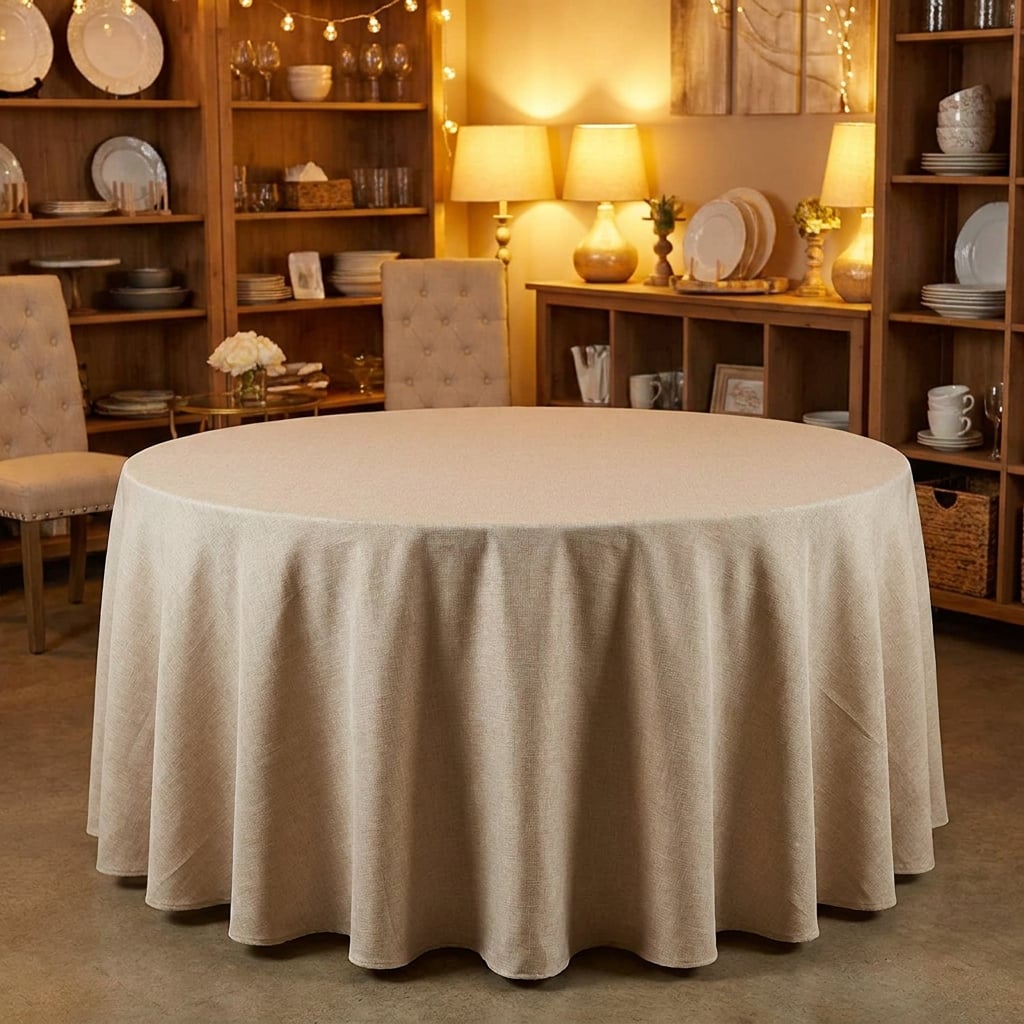
Packaging, handling, and shipping costs shrink in full cartons, which lowers unit prices significantly. Rental companies buying hundreds of cloths at a time see meaningful savings that flow directly into margin. Direct Textile Store offers case-pack pricing on soil-release finishes tablecloths, giving rental companies a clear way to budget for wholesale tablecloths. Comparing cost per cloth across order sizes shows where savings become most attractive. Planning purchases around case quantities also simplifies receiving and storage, since cartons arrive in predictable units.
Keeping Colors Uniform Across Orders
Pieces in the same case typically share a production lot, so colors and finishes match. That uniformity matters when a large event uses dozens of cloths in the same color. Recording lot information on receipt allows crews to group cloths from the same lot for big events. When reordering, mention existing lots to the supplier so they can help match. Consistent lots reduce client complaints and support a polished look across the entire catalog of tablecloths.
Timing Orders Around Peak Seasons
Ordering ahead of wedding season, holidays, and corporate event peaks ensures that stock arrives, is washed, and is ready before demand spikes. Rush orders cost more and may arrive from different lots, which complicates matching. Seasonal calendars guide when to place orders, and building a buffer for delivery delays prevents last-minute scrambling. Slow periods are also good times to inspect inventory, retire worn pieces, and test new samples. Planning purchases around demand cycles keeps wholesale tablecloths inventory healthy and cash flow predictable.
Final Order Checklist for Event Rental Linen Purchases
Product Details to Verify
Confirm each of the following with samples in hand before finalizing a bulk order:
- Soil-release performance is tested: Samples release common event stains in your laundry process, and results are documented.
- Weight, drape, and opacity suit rentals: Cloths hang cleanly and hide table surfaces beneath.
- Colors are fast and consistent: Samples hold shade after repeated washing, and the supplier can match lots on reorder.
- Sizes match your table types: You have built a size matrix covering rounds, rectangles, and specialty tables.
- Hems and seams are strong: Stitching is even and nothing loosens when tugged.
- Quantities include peak weekends and a reserve: Your calculation covers simultaneous events, laundry turnaround, and expected losses.
- Case-pack pricing, shipping timing, and reorder availability are confirmed: You know the total cost, when the order will arrive before peak season, and that the same item can be ordered again.
Teams to Brief
Warehouse, laundry, delivery, and sales teams should all see the plan, including par levels, handling standards, retirement rules, and the ordering calendar. Confirm the delivery date, prepare receiving space, and make sure laundry crews know which new products require special handling. A short briefing before delivery prevents confusion and ensures that new tablecloths enter rotation smoothly.
Records to File
Specification, order date, lot information, quantities, prices, and inventory counts belong in one organized place. Update the file whenever products or quantities change, and keep supplier contact details with it. Good records make reorders faster, support accurate rental pricing, and help new managers understand the catalog. A clear history of purchases also reveals which products performed best and which should not be reordered.
Direct Textile Store Support for Event Rental Linen Inventories
Event rental companies working through this process benefit from one dependable source that simplifies ordering, keeps every event looking consistent, and holds quality steady from one order to the next. Shop Direct Textile Store for soil-release finishes tablecloths in commercial weights and multiple colors for professional dining rooms. Browse styles and case packs to outfit your operation. Built for hospitality and event settings where linens are laundered constantly and judged by clients at every setup, the range puts durability, colorfastness, and consistent sizing at the center of every product.
Rental companies gain real advantages from having wholesale tablecloths available in consistent specifications and case-pack quantities. With one source for tablecloths, napkins, runners, and overlays, a company can match fabrics and colors across its entire linen catalog, keep one set of care instructions, and avoid piecing together inventory from many places. Automatic case-pack pricing lowers the cost per piece as the order grows, and there are no coupons or minimums to manage, which makes budgeting simpler for owners and operations managers. Expanding a catalog or refreshing aging stock, the same specification can be ordered and reordered with confidence.
Consistency matters as a rental business grows. New markets, new product tiers, and seasonal surges all go more smoothly when additions match existing stock. Direct Textile Store also supplies other textiles event companies use, including banquet napkins, placemats, aprons, and bar towels, so one relationship can support the whole operation. That breadth lets a rental company standardize its linen program, simplify reordering, and keep supply predictable through wedding season, holiday parties, and quiet months alike.
Closing Thoughts on Profitable, Dependable Rental Linen Programs
Durable tablecloths with soil-release finishes, in commercial weights and the colors clients actually request, bought in case packs at wholesale pricing, give an event rental company the best mix of revenue life and operational ease. Companies that test stain performance in their own laundry, build size and color matrices from real orders, and calculate quantities around peak weekends tend to protect margins while delivering consistent quality. Choosing wholesale tablecloths that match laundry practice and rental pricing makes the whole system more predictable.
Real gains come from planning rather than from any single purchase. A written par level by size and color, a stain-sorting routine, a retirement standard, and an ordering calendar tied to peak seasons turn a warehouse of cloth into a managed asset. Crews know what to pack, laundry knows what to expect, and owners see at a glance what the company has and needs. With those habits in place, orders arrive before shortages, reserves stay healthy, and every event starts with clean, uniform linens.
Clients rarely praise tablecloths, but they notice immediately when something looks stained, wrinkled, or mismatched. Dependable tablecloths contribute to the polished impression that earns referrals quietly and steadily, event after event. Rental companies that plan ahead, rather than replacing tablecloths only when complaints arrive or stock runs low, protect their margins, their crews, and the reputation that keeps calendars full.

Learn More About Our Experience Supplying Wholesale Linens → About Direct Textile Store
Direct Textile Store is a leading U.S. wholesale linen and textile supplier trusted by over 131,000 hotels, hospitals, healthcare facilities, restaurants, spas, salons, resorts, gyms, emergency shelter and response, funeral homes, VRBO & Airbnb hosts, car washes, and commercial buyers nationwide. Shop in bulk with everyday low wholesale pricing and automatic 20% case-pack discounts — no coupons or minimums required. Choose from one of the largest in-stock selections available: over 135,000 towels, pool towels, sheets, blankets, comforters, tablecloths, pillows, bed toppers, aprons, hospital gowns, patient gowns, isolation gowns, scrubs, shower curtains, chef apparel, smocks, lab coats, uniforms, and commercial laundry equipment including wire, vinyl, and poly laundry carts, trucks, and privacy screens — all ready to ship today. Free shipping on orders over $5,999.
FAQ
What does a soil-release finish do for tablecloths?
It helps stains lift during laundering instead of setting into the fibers, which keeps more cloths in rotation.
Does soil-release mean stain-proof?
No. Old or heat-set stains can still remain, so prompt sorting and pre-treatment still matter.
How many tablecloths does an event rental company need?
Estimate tables across simultaneous peak-weekend events, double for laundry turnaround, and add a ten to twenty percent reserve.
Which colors and sizes should rental companies stock first?
Start with white, ivory, and black in the sizes of your most-rented tables, then add accent colors that clients request.
Is it cheaper to buy wholesale tablecloths in case packs?
Generally yes. Case packs lower per-piece cost and keep dye lots consistent within an order.
How should rental tablecloths be laundered to protect finishes?
Follow the care instructions, avoid fabric softener, rinse cleanly, avoid excess heat, and pre-treat stains.
Where can I buy soil-release finishes tablecloths for an event rental company?
Direct Textile Store offers soil-release finishes tablecloths in commercial weights and multiple colors for professional dining rooms. Case-pack pricing and consistent in-stock inventory make it a practical option for rental companies.