Table of Contents
- Morning Briefings Setting the Standard for Appearance and Readiness
- Room Attendant Movement Patterns Driving Fit and Fabric Decisions
- Fabric Blends Built to Survive Bleach, Hot Water, and Heavy Rotation
- Pants Cut for Bending, Kneeling, and Stair Climbing
- Tops, Tunics, and Polos Balancing Professional Look With Airflow
- Pocket Layouts and Accessories Supporting Keys, Pens, and Small Tools
- Colors That Hide Stains and Signal Department Identity
- Sizing Systems for Diverse Teams and Seasonal Hires
- Shared Programs for Public Area Attendants, Laundry Crews, and Engineers
- Laundry Workflows Keeping Garments Fresh Between Shifts
- Par Level Math for Daily Wear, Rotation, and Reserve
- Seasonal Peaks, Onboarding Waves, and Turnover Planning
- Case-Pack Buying, Lot Matching, and Reorder Discipline
- Sample Trials Led by Housekeepers and Supervisors
- Final Order Checklist for Housekeeping Apparel Purchases
- Direct Textile Store Support for Hotel Housekeeping Apparel Programs
- Closing Thoughts on Durable, Professional Housekeeping Teams
- Learn More About Our Experience Supplying Wholesale Linens → About Direct Textile Store
- FAQ
- Related Topics
Housekeeping is one of the hardest-working departments in any hotel. Attendants start early, push carts through long corridors, bend over beds, scrub bathrooms, carry linens up stairs, and still need to look composed when a guest steps out of an elevator. Whatever they wear has to survive all of that, day after day, through washing machines that run hot and fast. Workwear designed for housekeeping delivers that durability with easy-care fabrics, reinforced stitching, practical pockets, and cuts that move with the body. For hotel managers, buying it in volume simplifies replacement, keeps teams uniform, and holds costs steady. This guide walks through the full day of a housekeeping team, explains what to look for in fabrics, workwear pants, tops, and accessories, shows how to calculate par levels, and describes how to buy in case packs so every attendant starts each shift dressed and ready.
Morning Briefings Setting the Standard for Appearance and Readiness
First Impressions Begin Before the First Room
Housekeeping teams gather at the start of each shift for assignments, and that moment sets the tone for the whole day. Supervisors notice who looks prepared, who needs a replacement garment, and who has a uniform problem that will slow them down. Clean, intact, properly fitting workwear signals that the department takes its work seriously, and it removes small distractions that otherwise follow attendants through their routes. Torn seams, faded colors, missing buttons, and mismatched pieces create friction before the first room is cleaned. Hotels that keep uniforms in good condition spend less time on corrective conversations and more time on the actual work of preparing rooms. Consistency at the briefing also builds team identity, which supports morale and reduces turnover in a department that often struggles to retain staff.
Guest Perception of Housekeeping Teams
Guests encounter housekeeping staff in hallways, elevators, and doorways, and appearance shapes how they feel about the cleanliness of the property. A crisp, professional uniform suggests careful attention to detail, while a stained or ill-fitting one raises quiet doubts. Guests rarely say this directly, but they register it in reviews that mention staff professionalism and room cleanliness. Investing in dependable workwear supports the hotel's reputation at a modest cost per employee. Consistent colors and styles also make staff easy to identify, which helps guests feel comfortable asking for assistance and reassures them that anyone entering their space belongs to the hotel team.
Readiness as an Operational Metric
Uniform readiness can be measured. Managers can track how many attendants report to shifts with complete, clean uniforms, how often replacements are issued, and how many garments are retired each month. Those numbers reveal whether the current program works or needs adjustment. A department that regularly sends attendants home to change, or that issues emergency replacements from a dwindling pool, has a supply problem that inventory planning can solve. Establishing readiness as a tracked metric turns workwear from an afterthought into a managed resource, which supports better budgeting and fewer disruptions during busy periods.
Room Attendant Movement Patterns Driving Fit and Fabric Decisions
Bending, Reaching, and Lifting Across a Full Shift
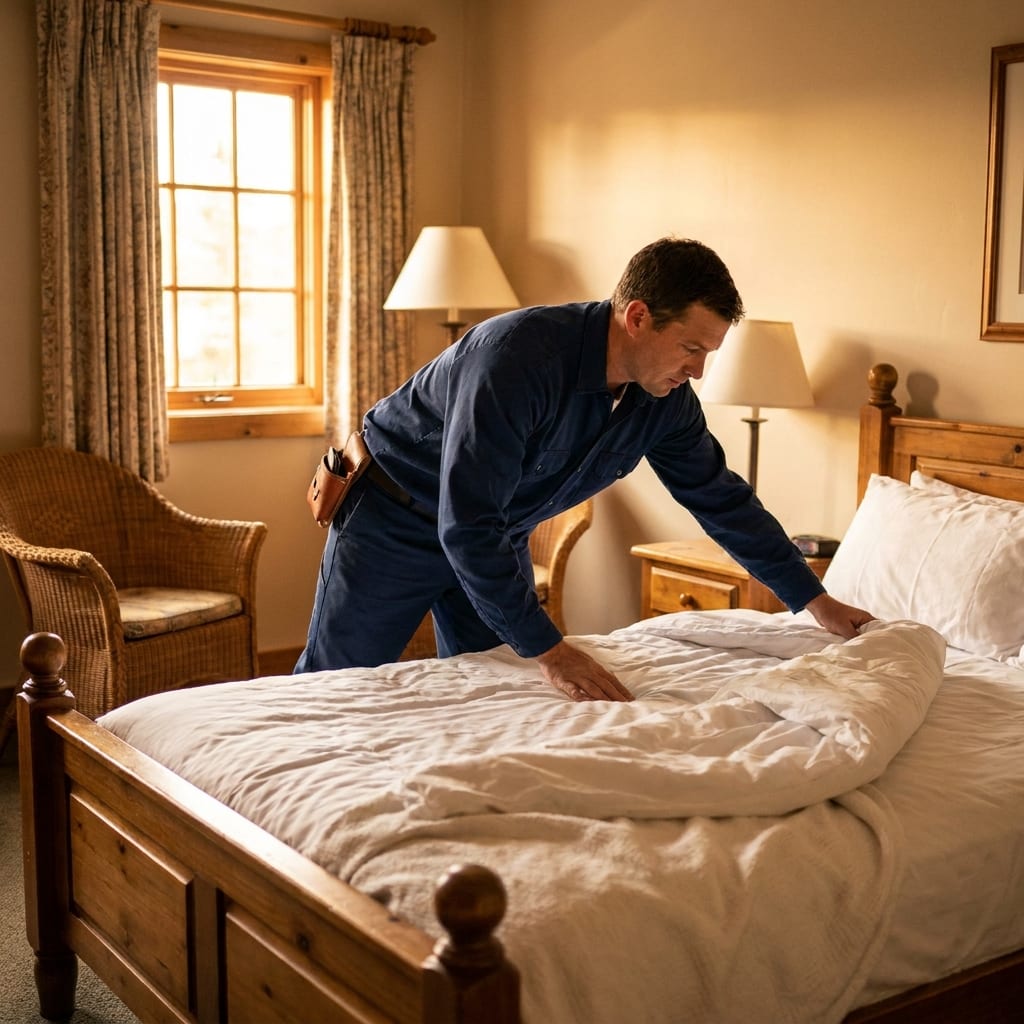
A typical attendant bends dozens of times per room, reaches across beds, lifts mattresses, stretches to clean high surfaces, and carries loaded baskets. Over a shift covering fifteen or more rooms, that adds up to thousands of movements that stress seams, waistbands, and underarms. Garments that restrict motion tire the wearer and wear out faster, because stress concentrates where fabric resists movement. Cuts with room through the shoulders, hips, and thighs, along with fabrics that stretch slightly, reduce strain and extend life. Observing real attendants at work, rather than guessing, reveals where garments pull and bind. Those observations guide choices in workwear so that comfort and durability work together instead of against each other.
Kneeling, Crouching, and Floor-Level Work
Cleaning bathrooms, baseboards, and under-bed areas requires kneeling and crouching, which puts concentrated stress on knees and seats of pants. Reinforced stitching, double-layer fabric at stress points, and relaxed cuts help prevent premature failure. Attendants also appreciate pants that stay in place without constant adjustment. Testing samples through realistic floor-level tasks shows how well they hold up. Knee and seat durability is one of the main reasons hotels invest in purpose-built workwear pants instead of consumer trousers, which tend to wear thin in those areas within months.
Carts, Corridors, and Stair Climbing
Pushing heavy carts and climbing stairs adds constant lower-body movement, and corridors can be warm, especially in older buildings. Breathable fabrics that move heat away from the body keep attendants comfortable, while loose or dangling elements risk snagging on cart hardware or door frames. Close-fitting cuffs, secure pockets, and clean lines prevent catches. Footwear and uniform pieces should work together, so pants should clear the shoe without dragging. Thoughtful design around the realities of cart work reduces accidents, tears, and complaints, and it keeps workwear looking neat through long shifts.
Fabric Blends Built to Survive Bleach, Hot Water, and Heavy Rotation
Poly-Cotton Blends as the Practical Standard
Poly-cotton blends combine the comfort of cotton with the strength and wrinkle resistance of polyester, making them the default choice for housekeeping apparel. The polyester content helps garments resist shrinking and fading, while the cotton adds breathability against the skin. Different blend ratios offer different balances, with higher polyester content generally increasing durability and lowering drying time. Hotel laundries running hot cycles and chemical sanitizers need fabrics that tolerate those conditions without degrading. Choosing the right blend for workwear prevents the early thinning, pilling, and color loss that plague cheaper garments and ensures that each piece stays presentable for many wash cycles.
Colorfastness Against Cleaning Chemicals
Housekeeping staff come into contact with bleach-based cleaners, disinfectants, and other chemicals that can spot and fade fabrics. Garments with strong colorfastness resist those effects and keep their appearance longer. Dark and saturated colors need particular attention, since they show fading most obviously. Testing samples with typical cleaning products reveals how dyes behave in real conditions. Colorfast workwear protects the hotel's investment and avoids the patchy, uneven look that results when garments fade at different rates within the same team.
Weight, Weave, and Abrasion Resistance
Heavier fabrics and tight weaves resist abrasion and snagging, which is crucial in a job where uniforms constantly brush against bed frames, carts, and furniture. Lighter fabrics breathe better but may wear faster. Twill weaves are known for durability, while plain weaves can feel lighter. Evaluating samples through physical tests, such as rubbing and stretching, shows how they will behave over time. Matching fabric weight to climate and building conditions balances comfort and longevity in workwear pants and tops.
Pants Cut for Bending, Kneeling, and Stair Climbing
Rise, Waistband, and Seat Construction
The rise, waistband, and seat determine whether pants stay comfortable while an attendant bends and kneels. A comfortable rise prevents pulling at the back when bending, while a flexible or partially elastic waistband accommodates different body shapes and changes through the day. Reinforced seat stitching resists splitting under stress. Wide belt loops, adjustable closures, and flat seams add comfort over long shifts. When selecting workwear pants, test them through actual bending and kneeling motions rather than relying on standing fit, since many pants that look fine at rest feel restrictive when moving.
Inseam, Hem, and Length Options
Pants that are too long drag on the floor and catch on carts, while pants that are too short look sloppy and expose ankles when bending. Offering regular, short, and tall inseams where available helps fit a diverse team. Hems should be secure and ideally reinforced, since they take abuse from shoes and floors. Cuffed or adjustable hems offer extra flexibility. Proper length contributes both to safety and to appearance, and it reduces the number of alterations needed when issuing workwear to new hires.
Pockets and Closures on Pants
Pants pockets should be deep enough to hold phones and small items without spilling when bending, and reinforced at stress points. Closures such as zippers and buttons should be sturdy and corrosion-resistant. Hidden or low-profile pockets keep lines clean while providing storage. Poorly designed pockets tear quickly, so inspecting stitching and fabric strength is essential. Practical details like these determine whether workwear pants earn a place in the daily routine or end up replaced by attendants' own clothing.
Tops, Tunics, and Polos Balancing Professional Look With Airflow
Choosing Between Polos, Tunics, and Button-Ups
Hotels choose tops based on brand style and practicality. Polos offer a casual yet neat look and stretch easily, tunics provide coverage and a classic housekeeping appearance, and button-up shirts project formality but may restrict movement. Consider how each style behaves when reaching overhead, bending, and lifting. Sleeve length, collar style, and fabric weight all influence comfort. Matching the style to brand identity and daily tasks leads to workwear that looks polished and functions well, while avoiding choices that require constant adjustment.
Ventilation, Moisture Management, and Comfort
Attendants work up a sweat even in air-conditioned buildings, and fabric that traps moisture feels heavy and uncomfortable. Breathable weaves, moisture-wicking blends, and lighter weights help regulate temperature. Underarm gussets and side vents provide additional airflow. Testing garments during warm shifts reveals whether they remain comfortable after hours of activity. Comfortable workwear improves morale and reduces the temptation to alter or skip uniform pieces.
Layering for Cold Corridors and Outdoor Duties
Some attendants work in unheated areas or outside, such as when moving linens between buildings. Cardigans, fleece vests, and lightweight jackets provide layering options that coordinate with core pieces. Choosing layering items in the same color family keeps appearance consistent. Planning outerwear alongside core garments prevents mismatched solutions. A coordinated system of tops and layers keeps teams comfortable year-round while maintaining a professional look across workwear programs.
Pocket Layouts and Accessories Supporting Keys, Pens, and Small Tools
Practical Pocket Placement for Daily Items
Attendants carry key cards, pens, notepads, small cleaning tools, and phones, and pocket placement determines how easily those items are reached. Chest pockets suit pens and notes, hip pockets suit larger items, and side pockets can hold phones. Pockets should close or be shaped to prevent items from falling out when bending. Reinforced corners prevent tearing from the weight of tools. A layout matched to real habits reduces trips back to the cart and speeds room turnover for teams wearing workwear.
Aprons, Smocks, and Protective Layers
Aprons and smocks protect uniforms during messy tasks such as bathroom cleaning and can be changed quickly if soiled. They extend the life of base garments and keep teams looking fresh. Selecting aprons that coordinate with uniform colors maintains a cohesive look. Lightweight options avoid overheating. Including protective layers in the apparel plan reduces replacement of core workwear pants and tops by shielding them from heavy soiling.
Name Tags, Badges, and Identification
Name tags and badges help guests and colleagues identify staff, which supports both service and security. Placement should be consistent and not interfere with movement or snag on equipment. Magnetic or clip options avoid damaging fabric. Embroidered names offer a permanent solution. Planning identification early prevents last-minute improvisation and gives workwear a finished, professional appearance.
Colors That Hide Stains and Signal Department Identity
Mid-Tone and Dark Colors for Practicality
Housekeeping tasks involve cleaning agents, dust, and occasional spills, so colors that hide marks are practical. Navy, charcoal, black, and deep teal conceal stains well, while very light colors show every mark. Test colors in real conditions, including under hallway lighting. Consider how colors look after dozens of washes. Practical color choices keep workwear looking presentable longer, which reduces replacement frequency.
Using Color to Distinguish Roles
Hotels often use different colors or trims for housekeeping, laundry, public area attendants, and supervisors. Color coding helps guests and staff recognize roles at a glance and supports organization in laundry and storage. A simple key, documented and shared, keeps the system consistent. Choose colors that remain distinct under different lighting. Role-based color systems help workwear double as a wayfinding tool for the entire hotel.
Brand Alignment and Seasonal Updates
Colors should align with the hotel's brand palette and interiors. Seasonal accents, such as scarves or aprons, can refresh the look without replacing core garments. Confirm that dyes can be reproduced on reorder so replacements match. Alignment with brand identity strengthens the guest experience and gives staff pride in what they wear.
Sizing Systems for Diverse Teams and Seasonal Hires
Broad Size Ranges and Unisex Options
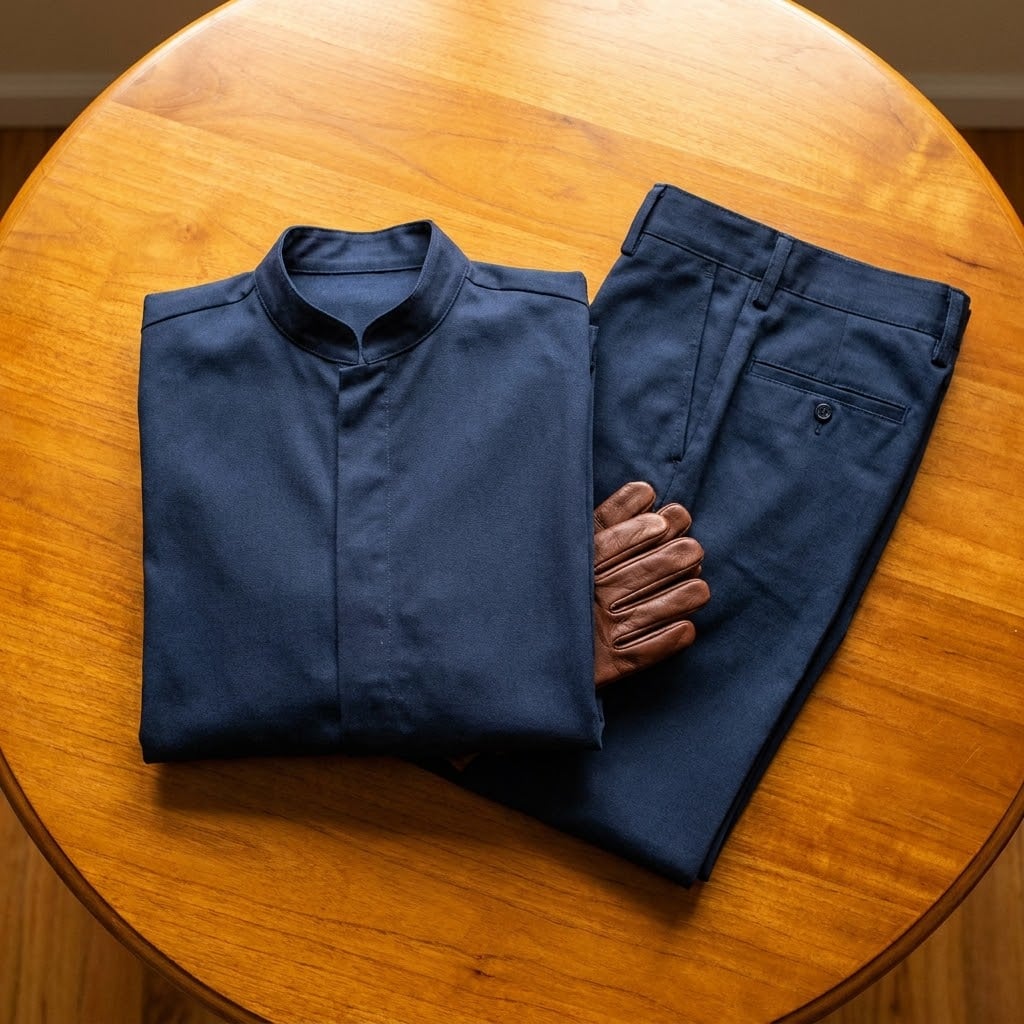
Housekeeping teams include people of every shape, and a limited size range leaves some staff with poorly fitting garments. A full range, including extended sizes, ensures that everyone can be outfitted comfortably. Unisex cuts simplify inventory and allow garments to be shared more easily, though some staff may prefer gender-specific fits. Measuring staff and tracking size distribution guides purchasing. Good sizing makes workwear more comfortable and more durable, since garments that fit properly experience less stress.
Fit Sessions During Onboarding
Brief fit sessions help new hires find the right size quickly. Keeping sample garments in common sizes allows staff to try them on and choose. Recording sizes in a simple log makes future replacements easier. Early attention to fit prevents complaints and reduces the number of exchanges. Prepared onboarding signals that the hotel values its team, and it ensures every new attendant starts in properly fitting workwear pants and tops.
Handling Weight Changes and Replacement Sizes
Staff weight and body shape change over time, and garments may need replacement. Maintaining stock in a range of sizes allows quick swaps. Encouraging staff to report fit issues prevents garments from being worn poorly. Flexible size inventory supports comfort and appearance, and it reduces waste from garments retired because they no longer fit.
Shared Programs for Public Area Attendants, Laundry Crews, and Engineers
Common Core Items Across Departments
Housekeeping, laundry, public area, and engineering teams often share needs for durable pants and sturdy tops. Standardizing core items across departments simplifies purchasing, increases volume, and lowers costs. Color or trim can differentiate departments while using the same base garments. A shared specification lets the hotel maintain a single set of care instructions. Using common core workwear across departments streamlines the entire apparel program.
Department-Specific Additions
Laundry crews may need heat-tolerant or moisture-managing garments, public area attendants may need outerwear, and engineers may need heavier fabrics or reinforced knees. Treat these as add-ons to the common core instead of separate programs. Documenting which departments receive which items prevents overlap and gaps. Targeted additions keep teams comfortable and safe without complicating the base system.
Cross-Training and Shared Pools
Hotels that cross-train staff benefit from shared garment pools that allow quick changes. Pools require clear sizing and tracking to avoid confusion. Labeling systems help return items to the right place. Shared pools reduce inventory needs and allow flexible staffing. Properly managed, they extend the usefulness of workwear pants and tops across roles.
Laundry Workflows Keeping Garments Fresh Between Shifts
Wash Temperatures and Chemical Compatibility
Hotel laundries run hot cycles with strong detergents and sanitizers, and uniforms must tolerate them. Follow care instructions for temperature and chemical limits. Overheating can shrink and fade fabric, while excessive bleach weakens fibers. Test samples through the hotel's own process before ordering. Compatible workwear maintains its look and strength through hundreds of cycles.
Turnaround Times and Staff Access
Garments must return to staff quickly, since attendants cannot work without them. Plan laundry schedules so that clean uniforms are available at shift start. Two or three sets per person provide a buffer. Clear pickup and drop-off systems prevent confusion. Efficient turnaround keeps staff dressed and reduces emergency replacements of workwear.
Stain Treatment and Repair Routines
Pre-treating stains and repairing small tears extend garment life. A simple repair station, even just a sewing kit and trained staff, can save garments from retirement. Inspecting items as they are folded catches problems early. Documenting retirements by cause helps improve purchasing and handling. Careful maintenance keeps workwear pants in service longer.
Par Level Math for Daily Wear, Rotation, and Reserve
Counting Staff and Shifts
Start with the number of staff who wear uniforms, including full-time, part-time, and seasonal employees. Count by department and shift. Include supervisors and floaters. Accurate headcounts prevent shortages. Update counts whenever staffing changes.
Sets per Person and Rotation
Most hotels plan two to three sets per person so one is worn, one is clean, and one is in the wash. Heavy-soil roles may need more. Adjust for laundry speed and work patterns. Rotation planning ensures that every attendant starts each shift in a clean uniform of workwear.
Reserve and a Worked Example
A hotel with 60 housekeeping staff planning three sets each needs 180 sets. A fifteen percent reserve adds 27, for 207 sets of workwear. If a set includes a top and pants, that means 207 of each. Writing the numbers down makes reordering fast and easy to justify to finance teams.
Seasonal Peaks, Onboarding Waves, and Turnover Planning
Hiring Surges Before Busy Seasons
Hotels hire seasonal and additional staff before peak periods, and each hire needs uniforms immediately. Ordering ahead ensures stock is ready. Delayed delivery leaves new hires in mismatched clothing and complicates training. A hiring calendar tied to purchasing keeps the process smooth.
Managing Turnover Without Wasting Inventory
Housekeeping turnover can be high, and returned garments may be reissued after laundering. Establish rules for reuse, inspection, and retirement. Keeping detailed size records allows efficient reissue. Smart handling stretches the life of workwear while maintaining standards.
Planning for Weather and Climate Shifts
Seasonal changes may call for lighter or heavier items. Layering pieces and optional long-sleeve or short-sleeve tops add flexibility. Plan inventory for each season to avoid scrambling. Thoughtful planning keeps staff comfortable and the department consistent.
Case-Pack Buying, Lot Matching, and Reorder Discipline
Lower Unit Prices From Carton Efficiency
Packaging and handling costs shrink in full cartons, lowering unit prices. Hotels buying hundreds of garments save meaningfully. Direct Textile Store offers case-pack pricing on workwear, giving hotels a clear way to budget for workwear and workwear pants. Comparing cost per garment across order sizes reveals the best quantities. Planning around cases also simplifies receiving and storage.
Consistent Color and Fit Across Lots
Garments from the same case typically share a production lot, so colors and sizes match. That matters for teams working side by side. Recording lot information at receipt helps with later matching. Consistent lots keep appearances uniform even as inventory turns over.
Reorder Calendars and Safety Stock
Setting a reorder calendar and holding safety stock prevent last-minute scrambles. Review usage and retirements quarterly. Align orders with budget cycles and seasonal hiring. Disciplined reordering keeps workwear available without overstocking.
Sample Trials Led by Housekeepers and Supervisors
Wear Tests During Real Shifts
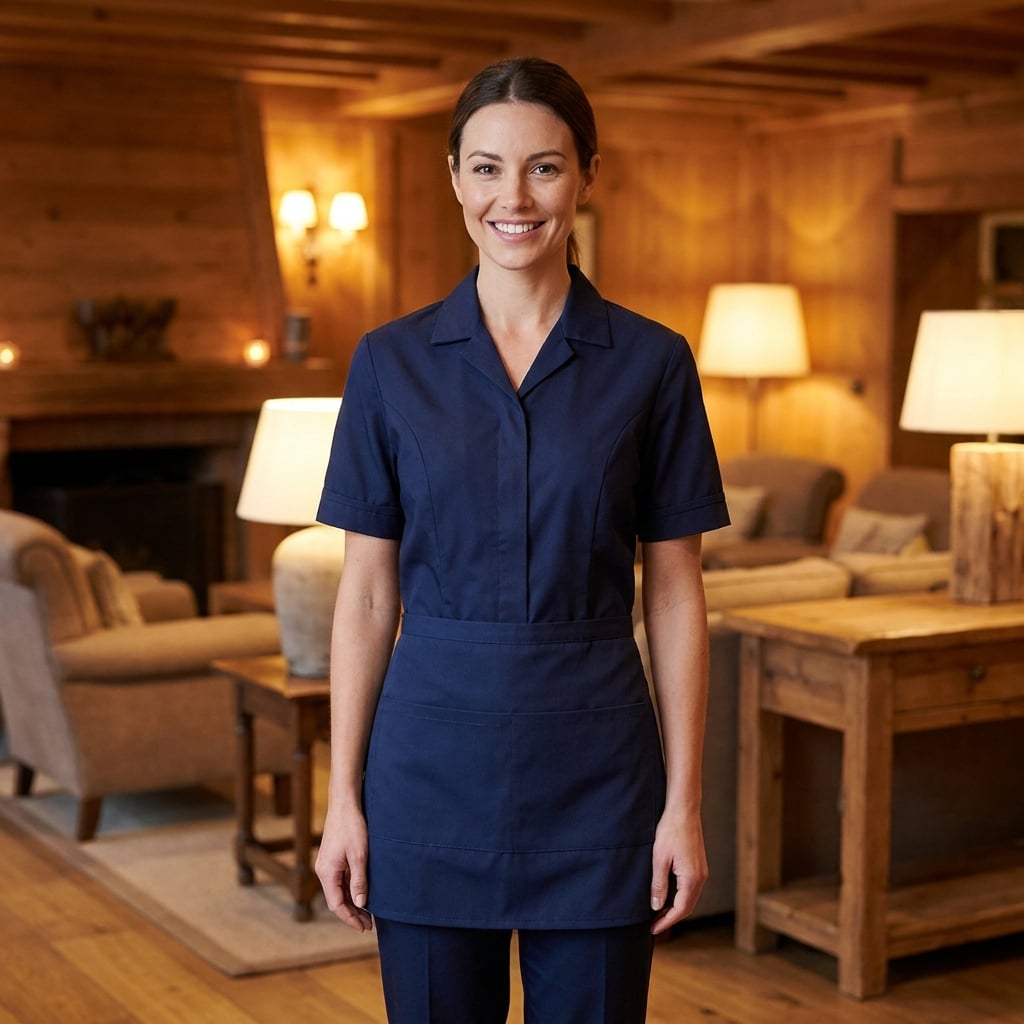
The best test of any garment is a full shift of real work. Ask housekeepers to wear samples through bending, reaching, lifting, and cart pushing. Gather feedback on comfort, mobility, pocket usefulness, and heat. Their input is more valuable than any specification. Wear tests often reveal small issues that would otherwise become expensive mistakes with workwear.
Laundry Tests Using Hotel Equipment
Wash samples repeatedly using the hotel's temperatures and chemicals. Check shrinkage, color retention, seam strength, and pilling. Note drying time and wrinkle behavior. Samples that change dramatically after a few cycles will not survive months of use. Hotel-specific testing is the most reliable predictor of long-term performance for workwear pants.
Supervisor and Guest-Facing Review
Supervisors can assess appearance and consistency, while front desk and management can evaluate how garments look in public areas. Photographs help compare options. Collecting feedback from several viewpoints leads to confident decisions and fewer regrets after the full order arrives.
Final Order Checklist for Housekeeping Apparel Purchases
Product Details to Verify
Confirm each of the following with samples in hand before finalizing a bulk order:
- Fabric blend suits your laundry and chemicals: Samples tolerate your wash temperatures and cleaning products without fading, shrinking, or weakening.
- Pants and tops move freely: Wear tests confirm comfort during bending, kneeling, reaching, and cart work.
- Construction is reinforced: Seams, pockets, and stress points are strong, and closures are secure.
- Sizes cover the whole team: You have measured staff and ordered depth in common sizes, with a plan for new hires.
- Colors hide stains and hold shade: Samples keep their color after repeated washing and match your brand and department key.
- Quantities include rotation and a reserve: Your calculation covers headcount, laundry cycles, seasonal hiring, and expected losses.
- Case-pack pricing, shipping timing, and reorder availability are confirmed: You know the total cost, when the order will arrive, and that the same item can be ordered again.
Teams to Brief
Housekeeping managers, laundry supervisors, human resources, and purchasing coordinators should all see the plan, including par levels, issuing procedures, and retirement rules. Confirm the delivery date and prepare storage and distribution space.
Records to File
Specification, order date, quantities, prices, size distribution, and inventory counts belong in one organized place. Update the record after each order and each hiring wave. Clear records speed future purchases and help new managers maintain consistency.
Direct Textile Store Support for Hotel Housekeeping Apparel Programs
Hotels working through this process benefit from one dependable source that simplifies ordering, keeps every attendant outfitted, and holds quality steady from one order to the next. Order from Direct Textile Store durable workwear housekeeping uniforms built for professional teams, made to handle daily wear. Browse styles and case packs to outfit your operation. Built for hospitality settings where garments are worn hard and laundered constantly, the range puts durability, comfort, and consistent sizing at the center of every product.
Hotels gain real advantages from having workwear pants and matching tops available in consistent specifications and case-pack quantities. With one source for housekeeping, laundry, public area, and engineering apparel, a property can match fabrics and colors across departments, keep one set of care instructions, and avoid piecing together inventory from many places. Automatic case-pack pricing lowers the cost per garment as the order grows, and there are no coupons or minimums to manage, which makes budgeting simpler for general managers and executive housekeepers. Outfitting a new property or refreshing an established team, the same specification can be ordered and reordered with confidence.
Consistency matters as a hotel grows and changes. New hires, renovations, and seasonal surges all go more smoothly when additions match existing stock. Direct Textile Store also supplies other textiles hotels use, including sheets, towels, blankets, aprons, and laundry carts, so one relationship can support the whole operation. That breadth lets a hotel standardize its textile and apparel programs, simplify reordering, and keep supply predictable through peak seasons and quiet months alike.
Closing Thoughts on Durable, Professional Housekeeping Teams
Durable workwear in easy-care fabrics, with reinforced workwear pants, practical pockets, and sizes matched to the whole team, bought in case packs at wholesale pricing, gives a hotel the best mix of professional appearance and operating value. Properties that test samples through real shifts and their own laundry, count garments with rotation and reserves, and standardize their specification tend to keep housekeeping teams dressed, comfortable, and consistent while controlling costs. Choosing workwear that fits hotel chemistry and laundry capacity makes daily operations simpler for everyone.
Real gains come from planning rather than from any single product decision. Written par levels, a size log, a color key, and a hiring-aligned ordering calendar turn a pile of garments into a managed program. Supervisors know what to issue and when to replace, laundry knows what to expect, and managers see at a glance what the department owns and needs. With those habits in place, orders arrive before shortages, reserves stay healthy, and every attendant begins the shift prepared.
Guests rarely comment on housekeeping uniforms, but they notice immediately when staff look neat, capable, and ready to help. Dependable workwear contributes to that impression quietly and steadily, room after room. Hotels that plan ahead, rather than replacing workwear pants and tops only when seams fail or new hires arrive, protect their budgets, their teams, and the reputation that keeps rooms booked.

Learn More About Our Experience Supplying Wholesale Linens → About Direct Textile Store
Direct Textile Store is a leading U.S. wholesale linen and textile supplier trusted by over 131,000 hotels, hospitals, healthcare facilities, restaurants, spas, salons, resorts, gyms, emergency shelter and response, funeral homes, VRBO & Airbnb hosts, car washes, and commercial buyers nationwide. Shop in bulk with everyday low wholesale pricing and automatic 20% case-pack discounts — no coupons or minimums required. Choose from one of the largest in-stock selections available: over 135,000 towels, pool towels, sheets, blankets, comforters, tablecloths, pillows, bed toppers, aprons, hospital gowns, patient gowns, isolation gowns, scrubs, shower curtains, chef apparel, smocks, lab coats, uniforms, and commercial laundry equipment including wire, vinyl, and poly laundry carts, trucks, and privacy screens — all ready to ship today. Free shipping on orders over $5,999.
FAQ
1. What makes workwear suitable for hotel housekeeping?
Durable fabrics, reinforced stitching, practical pockets, and cuts that allow bending, kneeling, and lifting.
2. What should I look for in workwear pants for housekeepers?
Look for a comfortable rise, flexible waistband, reinforced seat and knees, deep secure pockets, and the right inseam length.
3. How many sets of workwear should each attendant have?
Plan two to three sets per person, plus a ten to twenty percent reserve for new hires and replacements.
4. Which fabrics hold up best to hotel laundry and cleaning chemicals?
Poly-cotton blends with strong colorfastness usually perform best. Test samples with your own detergents and sanitizers.
5. Is it cheaper to buy workwear in case packs?
Generally yes. Case packs lower per-garment cost and keep color and sizing consistent across a large order.
6. What should I test before ordering workwear pants in volume?
Have housekeepers wear samples through a full shift, wash them several times, and check seams, pockets, and fit.
7. Where should I buy housekeeping uniforms for a hotel staff that needs durable workwear?
Direct Textile Store offers durable workwear housekeeping uniforms built for professional teams, made to handle daily wear. Case-pack pricing and consistent in-stock inventory make it a practical option for hotels.