Table of Contents
- Cabin Bunks Where Sheets Meet Daily Camper Life
- Hotel-Quality Construction Explained for Camp Directors
- Poly-Cotton Blends Balancing Comfort and Fast Drying
- Thread Count Expectations Across Economy and Higher Grades
- Twin XL, Bunk, and Lodge Sizes Needing Accurate Measurements
- Fitted Sheet Elastic Surviving Top-Bunk Wrestling
- White Sheets Versus Color Coding by Cabin and Age Group
- Session Changeover Days Testing Laundry Capacity
- Rainy Weeks, Heat Waves, and Other Weather Effects on Laundry
- Staff Housing, Health Center, and Lodge Rooms Needing Distinct Standards
- Par Level Math for Beds, Rotation Sets, and Reserve
- Receiving, Pre-Washing, and Off-Season Storage Routines
- Case-Pack Pricing, Lot Matching, and Budget Approval Cycles
- Sample Trials Led by Counselors and Laundry Crews
- Final Order Checklist for Camp Sheet Purchases
- Direct Textile Store Support for Camp Bedding Programs
- Closing Thoughts on Clean, Consistent Bunks All Summer
- Learn More About Our Experience Supplying Wholesale Linens → About Direct Textile Store
- FAQ
- Related Topics
Camp directors spend months planning programs, hiring staff, and arranging activities, and then discover on the first night that the thing campers talk about most is their bed. A cabin full of children, teens, or adults will forgive a rainy day, but they rarely forgive sheets that slip off mattresses, feel scratchy, or look worn before the first session ends. Parents notice too, since bunks are among the first things they inspect on visiting day. Sheets of hotel quality, built for constant laundering and consistent sizing, solve those problems at a scale a camp can afford. Hotel bed sheets bring commercial construction, reliable fit, and easy care to a seasonal program, and buying them in bulk keeps every cabin matched and every changeover on schedule. This guide explains how to choose construction and fabric, how to size and count for bunks, how to plan around weather and sessions, and how to buy hotel bedding wholesale in case packs.
Cabin Bunks Where Sheets Meet Daily Camper Life
Daily Wear From Active Campers
Campers climb into bunks muddy, damp, or sunburned, toss and turn, pull sheets off corners, and sometimes use beds for much more than sleeping. Sheets that cannot withstand that treatment fail within weeks, leaving counselors with a stream of replacements and complaints. Commercial-grade sheets use stronger yarns, tighter weaves, and reinforced seams that resist tearing and holding up under stress. The difference becomes obvious around the third week of a session, when household hotel bed sheets begin to pill and thin while commercial ones still look fresh. Choosing hotel bed sheets built for heavy use protects both the budget and the camper experience through the whole season.
First Impressions on Opening Day and Visiting Day
Parents walk through cabins on opening day and again on visiting day, and clean, uniform bunks leave a strong impression. A cabin where every bed is made with matching, crisp hotel bed sheets signals that the camp is organized and cares about children's comfort. Mismatched, stained, or ill-fitting sheets suggest the opposite, even when everything else is excellent. Because parents influence enrollment decisions and referrals, these impressions matter. Camps that invest in consistent hotel sheets make their cabins look professional without large expense, which supports enrollment from the first walkthrough.
Comfort and Sleep Quality for Better Camp Days
Tired campers are cranky campers, and counselors feel the consequences. A comfortable, secure bed supports better sleep, which improves mood, participation, and safety throughout the day. Sheets that stay in place and feel pleasant against the skin contribute directly. Homesick campers in particular benefit from a clean, welcoming bed. While hotel bed sheets are only one part of the sleep environment, they are an inexpensive part to get right. Reliable hotel linens help campers settle in and sleep well.
Hotel-Quality Construction Explained for Camp Directors
What Hotel-Quality Means in Practice
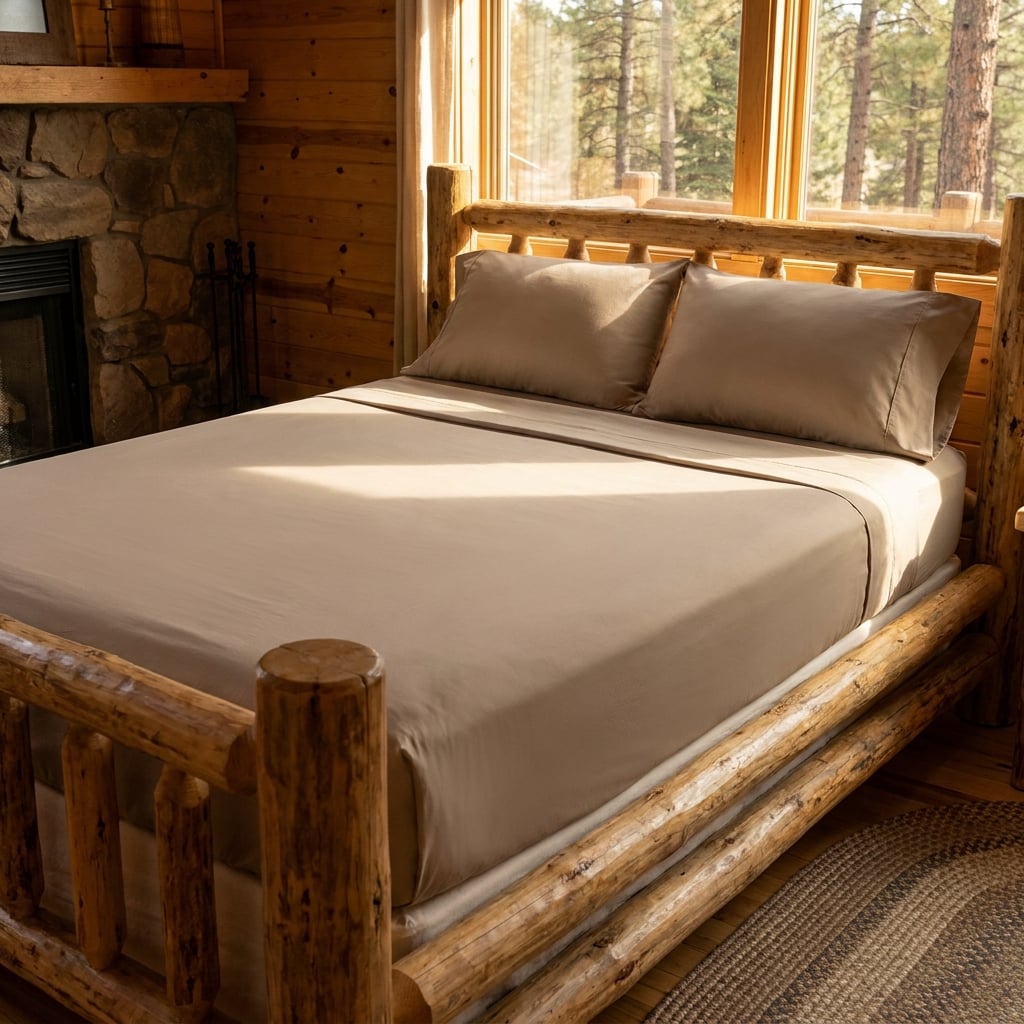
Hotel-quality describes sheets designed for hospitality use: consistent sizing, durable fabric, reinforced hems and seams, and construction that tolerates frequent commercial laundering. These sheets are made to specifications that remain stable across production runs, so reorders match earlier purchases. For a camp, that stability simplifies replacement and keeps cabins looking uniform. The term does not guarantee luxury softness, but it does signal commercial durability. Understanding the meaning of the label helps directors evaluate hotel bed sheets honestly and compare them with consumer products.
Yarn Quality, Weave, and Finishing
Yarn quality determines how a sheet feels and how long it lasts. Longer, stronger fibers resist pilling and thinning, while a tight, even weave resists snagging and holds shape. Finishing, including how fabrics are treated and sewn, affects how sheets look after washing. Directors can judge these qualities by handling samples, pulling gently at seams, and washing them repeatedly. Small differences in construction translate into large differences in service life when hotel sheets are laundered dozens of times each season.
Consistent Sizing Across Orders
Camps often order sheets in several rounds, adding cabins or replacing worn pieces over several years. Consistent sizing ensures that new sheets fit existing mattresses and match earlier stock. Suppliers who maintain stable specifications make this possible. Directors should record product names, sizes, and colors, and confirm that reorders will match. Consistency reduces fit problems and the waste that comes from buying the wrong size, which is a common issue with hotel bedding wholesale when specifications drift.
Poly-Cotton Blends Balancing Comfort and Fast Drying
Why Blends Fit Camp Laundry Realities
Poly-cotton blends combine cotton's softness and breathability with polyester's strength and wrinkle resistance. They dry faster than pure cotton, tolerate hot washing better, and shrink less. For camps doing large batches of laundry between sessions, faster drying can shorten changeover day significantly. The blend also keeps beds looking neat with minimal pressing. Understanding these advantages helps directors see why blended hotel bed sheets dominate institutional use.
Choosing Blend Ratios
Blend ratios vary, with more cotton generally feeling softer and more polyester drying faster and lasting longer. A balanced blend often suits camps, though preferences differ. Test samples against campers' and staff comfort and the camp's laundry capacity. Record the chosen ratio and reorder consistently. Small differences in ratio change how hotel linens feel and wear.
Microfiber and Pure Cotton Alternatives
Microfiber is light, smooth, and quick-drying, but it feels different and can hold odors if not washed well. Pure cotton feels wonderful but wrinkles, shrinks, and dries slowly, which can strain camp laundry. Some camps use pure cotton in lodge rooms and blends in bunkhouses. Testing alternatives against real conditions prevents costly surprises.
Thread Count Expectations Across Economy and Higher Grades
Reading Thread Count Sensibly
Thread count measures threads per square inch, but it does not tell the whole story. Yarn quality, weave, and finish matter just as much. Economy grades prioritize durability and low cost, while higher grades feel smoother and heavier. Camps should match grade to purpose rather than assuming more is always better. A well-made mid-grade sheet often outperforms a poorly made high-count one among hotel sheets.
Where Higher Grades Make Sense at Camp
Staff cabins, director housing, health centers, and guest lodges may benefit from higher grades because adults notice feel more, and those spaces are fewer. Bunkhouse beds, which take the most abuse, can use durable economy or mid grades. Splitting purchases by space controls cost while providing comfort where it matters. Buying both grades from one source keeps sizing and colors consistent across the property.
Testing Feel After Repeated Washing
Sheets that feel pleasant new may stiffen or pill after several washes. Test samples through the camp's own laundry and compare feel after the first and fifteenth wash. Durable softness is the true measure of quality. Documenting results supports confident decisions about hotel bed sheets.
Twin XL, Bunk, and Lodge Sizes Needing Accurate Measurements
Counting Beds by Size and Building
Camps often combine twin bunks, twin XL beds for older campers, and larger beds in lodges and staff housing. Count every bed by size and building, including infirmary beds and spare bunks. Record counts in a simple table. Accurate counts prevent the common mistake of ordering the wrong mix of sizes for hotel linens.
Measuring Mattresses That Have Aged
Camp mattresses can be older, compressed, or replaced piecemeal, and standard labels may not match actual dimensions. Measure length, width, and depth for each mattress type. Compare measurements with product dimensions and pocket depth. A few minutes with a tape measure prevents hotel bed sheets that pull off corners or hang unevenly.
Handling Bunk Frames and Tight Spaces
Top bunks sit against walls and ceilings, making bed-making awkward. Sheets with generous tuck allowance and secure elastic stay in place with less fuss. Test samples on top bunks and in tight corners. Easy bed-making speeds changeovers and reduces counselor frustration.
Fitted Sheet Elastic Surviving Top-Bunk Wrestling
Elastic as the First Point of Failure
Fitted sheets endure constant tension at the corners, and elastic is usually the first thing to fail. Weak elastic loses grip after repeated washing, letting corners pop loose during the night. Campers who sleep on a sheet that keeps coming off are unhappy, and counselors spend their evenings remaking beds. Testing elastic strength by stretching samples and washing them several times shows how well it will hold. Durable elastic is among the best predictors of long-term satisfaction with hotel bed sheets.
Pocket Depth and Mattress Thickness
Pocket depth must match mattress thickness, including any toppers or pads. Shallow pockets slip off, while overly deep pockets bunch. Measure the thickest mattress in the camp and test samples on it. Matching depth prevents the most common fit complaint.
Corner Construction and Seam Strength
Reinforced corner seams resist tearing under tension. Inspect corners on samples, and pull gently to test stitching. Strong corners extend sheet life. Small construction details determine whether fitted sheets last the season or fail midway.
White Sheets Versus Color Coding by Cabin and Age Group
Why White Remains the Camp Standard
White hotel bed sheets signal cleanliness, can often be bleached when care instructions allow, and match across purchases. Stains show clearly, which helps staff decide when to retire sets. White also looks neat in photographs used for marketing. For most camps, white is the simplest and most reliable choice, and it keeps inventory interchangeable among cabins and sessions.
Using Color to Organize Large Programs
Some camps use color to identify cabins, age groups, or staff housing, which helps laundry sorting and distribution. Color coding can reduce mix-ups, but dyes may fade in hot washing and bleach. If color matters, test samples and confirm that the supplier can reproduce shades. Keep the system simple so seasonal staff can follow it.
Balancing Organization and Flexibility
White sheets paired with colored pillowcases or blankets can provide organization without complicating sheet inventory. This approach keeps the most-washed items interchangeable while using color where it adds clarity. Decide on a system before ordering and document it for staff.
Session Changeover Days Testing Laundry Capacity
Mapping the Changeover Workload
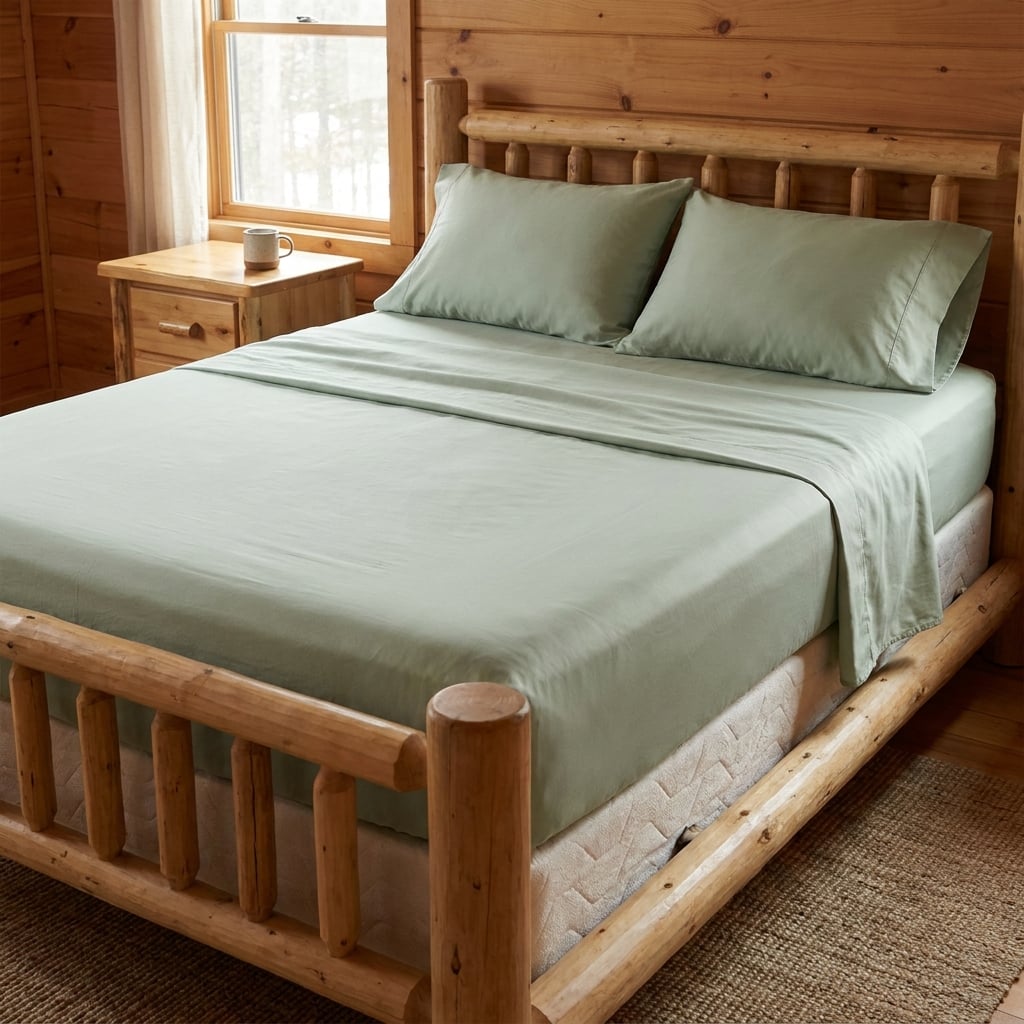
Changeover day can require stripping and remaking every bed in the camp within hours. Calculate how many sets must be washed, dried, and folded, and compare that with machine capacity and cycle times. Laundry, not bed-making, is often the bottleneck. Planning around real capacity prevents shortages and late nights. Fast-drying hotel sheets help shorten the day.
Staggering Laundry Work Through the Day
Start laundry as soon as the first cabins are stripped, use labeled bins by building, and run machines continuously. Move sheets promptly from washer to dryer to folding. A steady workflow keeps remade beds ahead of arrivals. Assigning roles, such as sorters, folders, and runners, improves efficiency.
Spare Sets as Changeover Insurance
Extra sets allow cabins to be remade immediately while previous sets are still washing. That cushion turns a stressful day into a manageable one. Plan at least two to three sets per bed, depending on laundry speed. The cost of spare sets is small compared with the cost of a delayed arrival.
Rainy Weeks, Heat Waves, and Other Weather Effects on Laundry
Wet Weather and Drying Constraints
Rain slows outdoor drying and fills cabins with damp gear, which increases laundry volume. Dryer capacity becomes critical, and sheets that dry slowly create backlogs. Quick-drying blends reduce the problem. Have a plan for wet weeks, including extra sets and possible access to additional machines.
Heat, Humidity, and Mildew Risk
Hot, humid weather encourages mildew in damp linens and storage rooms. Ensure sheets are fully dry before storing, and ventilate storage areas. Inspect for odors and retire affected sets. Good habits protect hotel linens and keep cabins fresh.
Dust, Mud, and Sunscreen on Bedding
Camp life brings dirt, sunscreen, and insect repellent into beds. Pre-treat stains and use detergents suited to heavy soil. Sheets with good stain release recover more often. Regular laundering keeps beds clean and prevents buildup.
Staff Housing, Health Center, and Lodge Rooms Needing Distinct Standards
Adult Comfort Expectations for Counselors and Directors
Counselors and directors sleep in camp housing for weeks and appreciate comfortable bedding. Higher-grade sheets and better fit improve morale and retention of staff. Because adult spaces are fewer, the added cost is modest. Treat staff housing as a place where small investments pay off.
Health Center Beds and Hygiene Requirements
Health centers need sheets that tolerate frequent hot washing and are easy to sanitize. White, bleach-friendly sheets suit that setting. Keep extra sets for rapid turnover. Follow the camp's health policies for laundering and handling.
Lodge and Guest Rooms for Visitors
Lodge rooms host parents, donors, and visitors who judge the camp's standards. Presentation matters, so choose sheets that look crisp and feel comfortable. Coordinate with the rest of the lodge décor. A polished guest room supports fundraising and enrollment.
Par Level Math for Beds, Rotation Sets, and Reserve
Beds Counted Before Anything Else
Start with the total number of beds, including bunks, staff beds, health center beds, and spares. Verify counts by walking the property. This count is the base for every other calculation of hotel bed sheets.
Sets per Bed and Laundry Speed
Many camps plan two to three sets per bed so one is on the bed, one is clean, and one is in the wash. Adjust for laundry speed and session length. Faster laundry may allow fewer sets, while slower laundry may require more.
Reserve and Worked Example
A camp with 200 beds planning three sets per bed needs 600 sets. A fifteen percent reserve adds 90, for 690 sets of hotel bedding wholesale. If each set includes a fitted sheet and a flat sheet, that means 690 of each. Written calculations speed ordering and approvals.
Receiving, Pre-Washing, and Off-Season Storage Routines
Spring Delivery and Inspection
Order early enough that sheets arrive well before staff training. Verify quantities against the order and inspect cartons for damage. Open sample cartons and check size, color, and finish. Notify the supplier promptly of problems.
Washing New Sheets Before First Use
Wash new sheets to remove manufacturing residue and to confirm that sizes and colors behave as expected. Measure a few pieces before and after washing. Add the new stock to inventory records.
Closing-Day Washing and Storage
At season's end, wash and dry all sheets completely, count them, and discard worn pieces. Store in sealed bins in a dry, pest-resistant space. Label by size and building. Good off-season care protects the investment and speeds reopening.
Case-Pack Pricing, Lot Matching, and Budget Approval Cycles
Unit Savings From Carton Efficiency
Packaging and handling costs shrink in full cartons, lowering unit prices. Camps buying hundreds of sets save meaningfully. Direct Textile Store offers case-pack pricing on hotel-quality sheets, giving camps a clear way to plan budgets for hotel sheets. Compare cost per set at different quantities to find the best order size.
Matching Lots Across Cabins
Sheets in the same case typically share a production lot, so colors and sizes match. That consistency keeps cabins looking uniform. Record lot information at receipt to help with later matching.
Presenting Plans to Boards and Committees
Camps often answer to boards, church councils, or nonprofit committees. Present clear calculations of quantities, reserves, and expected life. Include comparisons of options and cost per use. Prepared numbers make approvals smoother.

Sample Trials Led by Counselors and Laundry Crews
Hands-On Inspection
Examine fabric, hems, seams, and elastic. Pull gently, compare samples side by side, and note feel. Details visible in a sample usually predict full-order performance.
Repeated Washing in Camp Machines
Run samples through the camp's own machines and settings several times. Check shrinkage, color, softness, and drying time. Samples that change dramatically after a few cycles are poor candidates for volume.
Bunk Trials Including Top Bunks
Have counselors make beds with the sample, including top bunks. Check fit, tuck, and staying power. Feedback from the people who make beds is the most practical input available on hotel linens.
Final Order Checklist for Camp Sheet Purchases
Product Details to Verify
Confirm each of the following with samples in hand before finalizing a bulk order:
- Hotel-quality construction is verified: Yarn, weave, hems, and seams feel durable and hold up after repeated washing.
- Fiber blend suits your laundry: The fabric dries quickly, resists wrinkles, and tolerates your wash temperatures and detergent.
- Sizes match your bunks and beds: You have counted beds by size and measured mattress length, width, and depth.
- Fitted sheet elastic and corners hold: The elastic snaps back, and corner seams stay secure after repeated washing.
- Color and feel hold up after laundering: White stays bright, and the fabric remains comfortable after many cycles.
- Quantities include rotation and a reserve: Your calculation covers beds, laundry cycles, weather delays, and expected losses.
- Case-pack pricing, shipping timing, and reorder availability are confirmed: You know the total cost, when the order will arrive before staff training, and that the same item can be ordered again.
Teams to Brief
Directors, facilities managers, counselors, and laundry staff should all see the plan, including par levels, bed-making standards, and storage routines. Confirm the delivery date and prepare receiving space.
Records to File
Specification, order date, lot information, quantities, prices, and inventory counts belong in one place. Update the record each season. Clear records make future purchases faster and help new staff maintain consistency.
Direct Textile Store Support for Camp Bedding Programs
Camps working through this process benefit from one dependable source that simplifies ordering, keeps every cabin matched, and holds quality steady from one season to the next. Direct Textile Store offers hotel-quality hotel sheets in bulk with hospitality sizes from Twin to King, made for frequent laundering. Browse styles and case packs to outfit your operation. Built for lodging and institutional settings where sheets are washed constantly and judged by guests every night, the range puts durability, easy care, and consistent sizing at the center of every product.
Camps gain real advantages from having hotel bedding wholesale available in consistent specifications and case-pack quantities. With one source for sheets, blankets, pillows, and towels, a director can match fabrics and colors across cabins, keep one set of care instructions, and avoid piecing together inventory from many places. Automatic case-pack pricing lowers the cost per piece as the order grows, and there are no coupons or minimums to manage, which makes seasonal budgeting simpler for directors and boards. Outfitting a new cabin or refreshing an old one, the same specification can be ordered and reordered with confidence.
Consistency matters as a camp grows or changes. A new cabin, a program expansion, or a renovation all go more smoothly when additions match existing stock. Direct Textile Store also supplies other textiles camps use, including blankets, pillows, mattress pads, bath towels, and pool towels, so one relationship can support the whole property. That breadth lets a camp standardize its linen program, simplify reordering, and keep supply predictable through busy summers and quiet off-seasons alike.
Closing Thoughts on Clean, Consistent Bunks All Summer
Durable, hotel-quality hotel bed sheets in easy-care blends, sized correctly for every bunk and bought in case packs at wholesale pricing, give a camp the best mix of camper comfort and operating value. Camps that measure their mattresses, test samples in their own laundry and on top bunks, plan two to three sets per bed with a reserve, and standardize their specification tend to run smoother changeovers and spend less on replacements. Choosing hotel sheets and hotel linens that match their laundry capacity and weather realities makes every session start on solid ground.
Real gains come from planning rather than from any single purchase. A par level written down, a sizing chart, a changeover plan, and a closing-day storage routine turn a pile of sheets into a managed program. Counselors know what to use and where to find it, and directors see at a glance what the camp has and needs. With those habits in place, orders arrive before shortages, reserves stay healthy, and every camper finds a bed that looks and feels ready.
Campers rarely write home about sheets, but they notice immediately when a bed stays tucked, feels clean, and lets them sleep. Dependable hotel bed sheets contribute to that experience quietly and steadily, night after night. Camps that plan ahead, rather than replacing hotel bed sheets only when corners fail or a session begins, protect their budgets, their staff, and the reputation that fills cabins every summer.

Learn More About Our Experience Supplying Wholesale Linens → About Direct Textile Store
Direct Textile Store is a leading U.S. wholesale linen and textile supplier trusted by over 131,000 hotels, hospitals, healthcare facilities, restaurants, spas, salons, resorts, gyms, emergency shelter and response, funeral homes, VRBO & Airbnb hosts, car washes, and commercial buyers nationwide. Shop in bulk with everyday low wholesale pricing and automatic 20% case-pack discounts — no coupons or minimums required. Choose from one of the largest in-stock selections available: over 135,000 towels, pool towels, sheets, blankets, comforters, tablecloths, pillows, bed toppers, aprons, hospital gowns, patient gowns, isolation gowns, scrubs, shower curtains, chef apparel, smocks, lab coats, uniforms, and commercial laundry equipment including wire, vinyl, and poly laundry carts, trucks, and privacy screens — all ready to ship today. Free shipping on orders over $5,999.
FAQ
What sheets are used in 5 star hotels?
Five-star hotels typically use high-quality cotton or cotton-rich sheets with a tight weave and a crisp or silky hand, often in white. Camps usually choose durable hotel-quality blends instead, which give a similar clean look with easier care.
How many sets of hotel sheets does a camp need per bed?
Plan two to three sets per bed, depending on laundry speed, plus a ten to twenty percent reserve.
What is the difference between hotel bed sheets and regular sheets?
Hotel bed sheets are built for commercial use, with stronger yarns, reinforced seams, and consistent sizing that survive frequent laundering.
Are poly-cotton hotel linens good for camps?
Yes. They dry quickly, resist wrinkles, and tolerate hot washing, which suits busy changeovers.
Is it cheaper to buy hotel bedding wholesale in case packs?
Generally yes. Case packs lower per-sheet cost and keep color and size consistent across a large order.
How should camps wash and store hotel bed sheets?
Follow the care instructions, dry thoroughly, and store clean sheets in sealed bins in a dry, pest-resistant space during the off-season.
Who sells hotel-quality hotel sheets in bulk for a camp?
Direct Textile Store offers hotel-quality hotel sheets in bulk with hospitality sizes from Twin to King, made for frequent laundering. Case-pack pricing and consistent in-stock inventory make it a practical option for camps.