Table of Contents
- Residents With Limited Mobility Needing Reliable Positioning Support
- Residents With Respiratory Sensitivities Benefiting From Fill Choices
- Residents Living With Memory Conditions Responding to Familiar Comfort
- Residents Recovering After Hospital Stays Needing Gentle Support
- Skin Integrity Concerns Shaping Shell and Seam Quality
- Fill Technology Explained for Nursing Home Buyers
- Loft and Firmness Options Matching Care Plans
- Protectors, Covers, and Cleaning Policies Working With Pillows
- Infection Control Documentation and Compliance Requests
- Bed-by-Bed Counts Across Wings, Units, and Therapy Spaces
- Rotation Planning for Admissions, Discharges, and Laundry Cycles
- Budget Planning Using Cost per Month of Service
- Case-Pack Pricing, Lot Matching, and Reorder Calendars
- Sample Trials Involving Nurses, Aides, and Laundry Teams
- Final Order Checklist for Nursing Home Pillow Purchases
- Direct Textile Store Support for Nursing Home Pillow Programs
- Closing Thoughts on Comfortable, Consistent Resident Pillows
- Learn More About Our Experience Supplying Wholesale Linens → About Direct Textile Store
- FAQ
- Related Topics
A pillow in a nursing home does more work than most administrators realize. Residents spend long hours in bed or in recliners, and the pillow beneath their head, back, or knees affects how well they rest, how comfortable they feel through therapy and meals, and how much help they need from staff to get positioned. For the people caring for them, the same pillow has to survive constant laundering, resist stains and odors, hold its shape through hundreds of cycles, and be available in the right quantity on every wing. Alternative pillows filled with synthetic fibers answer those demands, offering soft, supportive comfort with easy care and a profile that avoids the feathers and natural down that some residents cannot tolerate. This guide explains how to match fill, loft, and shell to resident needs, how to count pillows across wings and rotation cycles, and how to buy best down alternative pillows in case packs that keep every room ready.
Residents With Limited Mobility Needing Reliable Positioning Support
Positioning Needs Throughout a Long Day
Residents with limited mobility rely on pillows to maintain comfortable, supported positions for hours at a time. A pillow under the head, behind the back, between the knees, or beneath an arm can reduce discomfort and help staff reposition residents safely. Pillows that flatten quickly force staff to add more or replace them, which adds work to an already demanding day. Dependable alternative pillows with good loft retention keep their shape through compression, which keeps positioning consistent from morning care to evening routines. Care teams should help define which pillow types and firmness levels each unit needs, since they understand the positions residents actually use.
Weight, Handling, and Staff Efficiency
Staff handle pillows dozens of times each shift, tucking them behind backs, swapping them during care, and carrying armloads to laundry. Lightweight, flexible pillows reduce strain and speed routines, while dense or awkward ones slow work and tire hands. Pillows should also slide into cases easily and stay put once placed. Consistent sizes across the building help aides grab the right item without hesitation. Choosing manageable best down alternative pillows supports both resident comfort and efficient care, since small time savings add up across hundreds of resident interactions every day.
Support Without Pressure Points
Firmness matters, because pillows that are too hard can create uncomfortable pressure points, while pillows that are too soft may not hold a position. A mid-loft option with good recovery serves many residents, with firmer options available for those who need more support. Testing samples with willing residents and staff reveals which feel best in real use. Documenting preferred types in care plans helps maintain consistency when shifts change. Matching pillow support to each resident's needs improves comfort and reduces the need for constant adjustment of alternative pillows.
Residents With Respiratory Sensitivities Benefiting From Fill Choices
Avoiding Common Fill Triggers
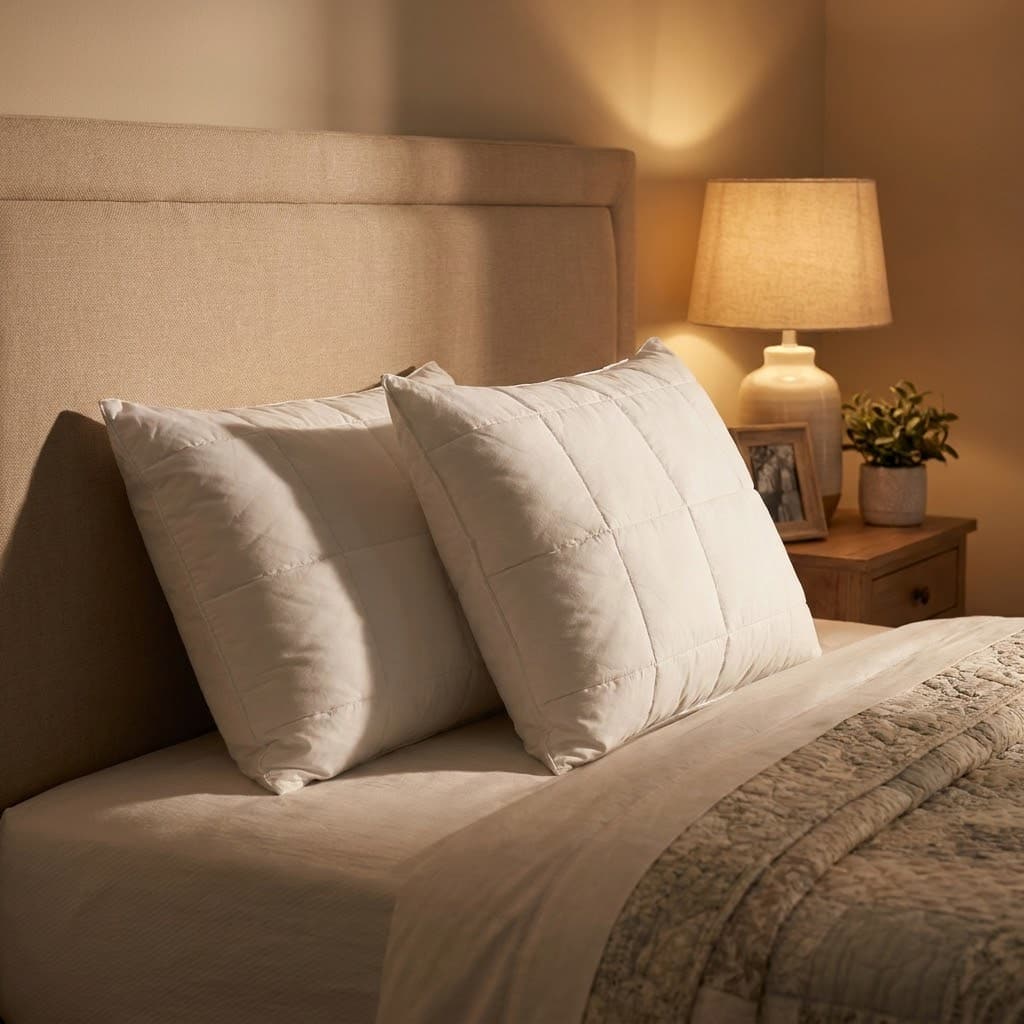
Some residents have asthma, allergies, or other respiratory sensitivities that make natural feather and down fills a poor choice. Synthetic fills avoid those materials, which removes one common source of concern and simplifies decisions for staff who cannot know every resident's history. Down-alternative fill is not allergy-proof, and sensitivities vary, but it is widely regarded as a more suitable default for mixed populations. Choosing alternative pillows for the whole building lets a facility apply one consistent standard without maintaining separate pillow types for different residents.
Cleaning Routines That Control Dust and Allergens
Pillows collect dust, skin cells, and moisture over time, and regular laundering keeps those levels down. Synthetic fills tolerate hot washing and thorough drying, which helps reduce allergens. Protectors add another layer of defense and are easier to launder than whole pillows. Establishing a written schedule for washing pillows and covers keeps the process consistent. Clean, dry storage of spare stock prevents contamination before pillows reach rooms with best down alternative pillows.
Communicating Fill Information to Families
Families often ask what residents sleep on, particularly when allergies are a concern. Clear information about fill type, laundering routines, and accommodation options builds trust. Include a short description in admissions materials, and train staff to answer questions accurately. Transparency reduces concerns and helps families feel confident that the facility has thought through resident comfort, including the choice of alternative pillows.
Residents Living With Memory Conditions Responding to Familiar Comfort
Soft Textures and Calm Appearance
Residents with memory conditions often respond strongly to familiar, comforting textures and calm environments. Soft, neutral pillows that look and feel like home can reduce agitation and help residents settle. Busy patterns and unusual textures can sometimes cause confusion or distress. Choosing simple, plain covers in soft colors supports a peaceful atmosphere. Consult clinical and memory care staff when standardizing on pillow styles, since their experience guides what works best with alternative pillows.
Safety and Durability Considerations
Some residents may tug, chew, or tear at bedding, so pillow shells and seams should be strong. Durable construction prevents fill from escaping, which is both a hygiene and a safety concern. Pillows should be inspected regularly for damage, and any with open seams should be removed immediately. Quality shells and reinforced seams reduce incidents and extend pillow life for best down alternative pillows in memory care units.
Consistency That Supports Routine
Familiar routines help residents feel secure, and consistent bedding contributes. Using the same pillow type and cover style in each room reduces unexpected changes. When pillows must be replaced, matching the previous product keeps the environment stable. Documented specifications and reliable reordering make that consistency easier to maintain across wings and years.
Residents Recovering After Hospital Stays Needing Gentle Support
Comfort During Rehabilitation
Residents arriving from hospitals for short-term rehabilitation often need extra support and gentle comfort while they recover strength. Pillows help with positioning during rest, therapy, and sleep. Many rehabilitation units use several pillows per resident for elevation and support. Planning higher pillow counts for these units prevents shortages and avoids pulling stock from long-term wings. Quality alternative pillows support a smoother recovery experience.
High Turnover and Fast Room Resets
Rehabilitation units see faster admissions and discharges, so rooms must be reset quickly. Spare pillows allow staff to replace used ones immediately without waiting for laundry. Clean, labeled storage near the unit speeds the process. Establishing a clear routine for room turnover, including pillow replacement and protector changes, keeps rooms ready for the next resident.
Coordinating With Therapy Teams
Physical and occupational therapists often use pillows and wedges during sessions. Coordinating with therapy teams helps determine what types and quantities are needed. Shared supplies should be tracked so they are not lost. Collaboration ensures that therapy spaces have the right equipment and that the facility's inventory of best down alternative pillows meets all needs.
Skin Integrity Concerns Shaping Shell and Seam Quality
Smooth Surfaces and Gentle Fabrics
Residents with fragile skin benefit from smooth, soft fabrics without rough seams or hard edges. Shells made from tightly woven cotton or cotton blends feel gentle and breathe well. Seams should lie flat and avoid creating pressure points. Pillow shells should be inspected for roughness, and cases should be soft and well maintained. Attention to these details improves comfort and helps reduce irritation when using alternative pillows.
Moisture Management and Breathability
Pillows that trap moisture can feel clammy and contribute to skin problems. Breathable shells and quick-drying fills help keep surfaces dry. Protectors should be breathable as well, since some waterproof barriers can feel hot or noisy. Testing combinations of pillow, protector, and case on real beds shows how they feel together. Balanced choices keep residents comfortable while protecting pillows.
Inspection and Replacement Standards
Staff should check pillows for lumps, flat spots, damaged seams, and odors during routine care. Pillows that no longer provide smooth, even support should be replaced promptly. Written standards help staff decide when to retire items. Prompt replacement supports skin comfort and prevents residents from using pillows that have degraded.
Fill Technology Explained for Nursing Home Buyers
What Is Inside Down-Alternative Pillows
Down-alternative pillows are filled with fine synthetic fibers, usually polyester, engineered to mimic the loft and softness of natural down. Some use small clusters of fiber that feel airy and compressible, while others use more structured fibers that feel firmer. The fill is enclosed in a shell, often tightly woven cotton or a cotton blend. Understanding fill types helps buyers compare products meaningfully. When evaluating best down alternative pillows, ask what fill is used and how it behaves after washing.
Cluster Fibers Versus Solid Fibers
Cluster fibers feel soft and compressible, closer to the sensation of down, while solid fibers feel firmer and hold their shape longer. Neither is universally better, and many facilities stock both to serve different resident preferences. Cluster fills may flatten faster if poorly made, while solid fills may feel less plush. Samples tested through repeated washing reveal how each performs. A balanced mix often serves a nursing home well with alternative pillows.
Fill Weight and Its Effect on Support
Fill weight determines how substantial the pillow feels and how well it supports. Heavier fill increases support and cost, while lighter fill keeps pillows soft and economical. Comparing samples with similar dimensions but different fill weights shows the difference clearly. Choose fill weights that match resident needs and laundry capacity, and record specifications for reordering.
Loft and Firmness Options Matching Care Plans
Understanding Loft Levels
Loft is the height of a pillow when uncompressed. Lower loft suits residents who need minimal head elevation, while higher loft suits those who sleep on their sides or need more support. Offering at least two loft levels allows staff to match pillows to care plans. Measuring loft on samples and recording it helps buyers compare products accurately.
Firmness for Positioning Versus Comfort
Firmer pillows hold positions better, which suits positioning tasks, while softer pillows feel more comfortable for general rest. Many residents use both types at different times. Labeling pillows by firmness, using color-coded cases or tags, helps staff find the right one quickly. Clear labeling reduces mistakes and improves care consistency across best down alternative pillows.
Specialty Shapes for Targeted Support
Wedge, bolster, and contoured pillows serve specific positioning needs, such as elevation or back support. These items should be stocked in smaller quantities and tracked separately from standard pillows. Clinical staff can specify which shapes are essential. Including a few specialty pieces alongside standard alternative pillows prevents improvised arrangements.
Protectors, Covers, and Cleaning Policies Working With Pillows
Zippered Protectors That Extend Pillow Life
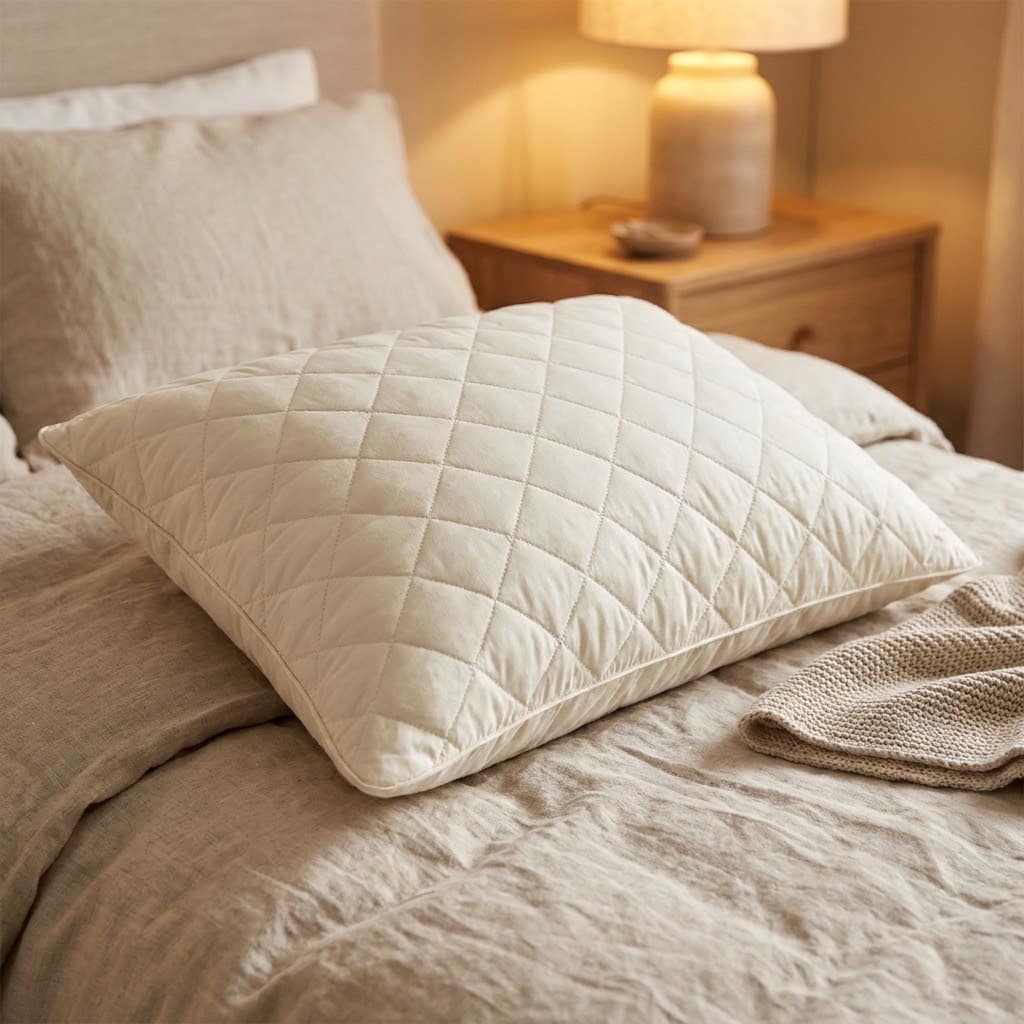
Zippered protectors seal pillows inside a washable layer that blocks moisture, oils, and dust. They are easier to launder than pillows and can be changed between residents or on a schedule. Protectors extend pillow life significantly and are a cost-effective part of any pillow program. Choose breathable fabrics that fit snugly to avoid bunching. Including protectors in purchasing plans protects the investment in alternative pillows.
Pillowcases and Size Matching
Pillowcases must match pillow sizes to fit securely. Standard, queen, and king cases correspond to their pillows. Mismatched cases look sloppy and can frustrate staff. Buying cases, protectors, and pillows as coordinated sets from one source avoids compatibility problems and simplifies ordering. Keep a size chart for each unit.
Laundry Schedules and Responsibilities
Decide how often pillows, protectors, and cases are laundered, and who is responsible for each step. Write the schedule down and train staff. Align inventory calculations with the schedule, since more frequent laundering requires more rotation stock. Clear policies keep best down alternative pillows clean and available.
Infection Control Documentation and Compliance Requests
Requesting Specification Sheets
Specification sheets describe materials, dimensions, fill weights, and care instructions. Request them for every product under consideration and keep them on file. Documents should be specific to the product line. Comparing documentation across options shows which suppliers provide clear, complete information. Good documentation supports audits and training for alternative pillows.
Fire Safety and Textile Requirements
Long-term care facilities are subject to fire safety and textile requirements that vary by jurisdiction. Confirm requirements with safety officers and administrators, and request relevant documentation from suppliers. Keep copies with purchasing records. Asking early prevents compliance surprises after pillows arrive.
Aligning Purchases With Infection Prevention Policies
Infection prevention teams define laundering temperatures, replacement triggers, and handling procedures. Involve them in product selection to ensure compatibility. Products that cannot tolerate required cleaning methods create risk and cost. Alignment between purchasing and policy keeps best down alternative pillows programs compliant.
Bed-by-Bed Counts Across Wings, Units, and Therapy Spaces
Mapping Every Place a Pillow Is Used
List resident beds, recliners, lounge chairs, therapy tables, and respite rooms. Walk the building with a clipboard rather than relying on records. Record counts by wing and by use. This map is the foundation for ordering and prevents shortages. Accurate mapping keeps orders of alternative pillows aligned with reality.
Pillows per Resident and Specialty Needs
Many residents use one or two pillows, while some use more for positioning. Estimate average use per unit and add specialty pillows. Rehabilitation and memory care units may differ from long-term wings. Track actual use for a few weeks to refine estimates.
Worked Example for a 120-Bed Facility
A facility with 120 beds planning two pillows per bed needs 240. Therapy and common areas add 30, for 270. A fifty percent rotation set adds 135, and a fifteen percent reserve adds about 61, for roughly 466 best down alternative pillows. Written calculations speed ordering and approvals.
Rotation Planning for Admissions, Discharges, and Laundry Cycles
Laundry Cycle Allowances
Pillows used today must be cleaned before reuse, so rotation sets keep rooms equipped. Many facilities plan fifty to one hundred percent extra, depending on laundry speed and policy. Faster in-house laundry may need less, while slower or outsourced laundry may need more. Aligning rotation planning with real laundry timing prevents shortages.
Admission Waves and Discharge Resets
Admissions and discharges drive pillow demand. Plan extra stock for busy periods, and keep a reserve for sudden needs. Clean stock near high-turnover units speeds resets. Review admission patterns to anticipate surges.
Reserve Stock for Damage and Loss
A reserve of ten to twenty percent covers damage, loss, and retirement. Track reserve usage and adjust the percentage. A healthy reserve prevents rooms from lacking pillows when deliveries slip. Store reserve stock centrally and keep it accessible to supervisors.
Budget Planning Using Cost per Month of Service
Estimating Pillow Life Under Real Laundering
Estimate how long a sample lasts by washing it repeatedly and noting when it begins to flatten or fail. Divide the purchase price by months of service to find cost per month. Durable pillows with slightly higher prices often win. Track actual replacements to refine estimates. Realistic service-life data supports budgeting for alternative pillows.
Labor Costs of Replacing Failing Pillows
Replacing pillows takes staff time, and failing pillows trigger complaints and extra adjustments. Include labor in cost comparisons. Products that last longer reduce interruptions and keep staff focused on residents. Durable pillows protect both budgets and care quality.
Presenting Numbers to Administrators
Clear calculations of quantities, reserves, and cost per month help administrators approve purchases. Include comparisons of options and expected life. Written plans make approvals faster and reduce later questions.
Case-Pack Pricing, Lot Matching, and Reorder Calendars
Unit Savings From Carton Efficiency
Packaging and handling costs shrink in full cartons, lowering unit prices. Nursing homes buying hundreds of pillows save meaningfully. Direct Textile Store offers case-pack pricing on down-alternative pillows, giving facilities a clear way to budget for alternative pillows. Comparing cost per pillow at different quantities shows the best order size.
Consistent Lots Across Wings
Pillows in the same case typically share a production lot, so fill weight, loft, and appearance match. That uniformity helps ensure residents on every wing receive the same quality. Record lot information at receipt to help with later matching.
Timing Orders With Budgets and Occupancy
Align orders with fiscal calendars and seasonal occupancy changes. Order ahead so stock arrives, is washed, and is ready. Rush orders cost more and may not match. A reorder calendar keeps supply predictable.

Sample Trials Involving Nurses, Aides, and Laundry Teams
Hands-On Evaluation by Care Staff
Nurses and aides understand comfort and positioning needs. Have them handle samples, test them with willing residents, and comment on firmness, size, and handling. Their feedback guides choices and builds buy-in. Hands-on trials reveal details that specifications cannot.
Laundry Testing Through Repeated Cycles
Wash and dry samples several times using the facility's actual process, noting loft, shape, seams, and drying time. Include protectors and cases in testing. Samples that change dramatically after a few cycles are unlikely to survive months of use. Laundry testing is the best predictor of long-term performance for best down alternative pillows.
Pilot Placement in Select Rooms
Place samples in a few rooms for a trial period and gather comments from residents and staff. Monitor how quickly pillows require replacement. Pilot results help finalize specifications and quantities before a large order.
Final Order Checklist for Nursing Home Pillow Purchases
Product Details to Verify
Confirm each of the following with samples in hand before finalizing a bulk order:
- Down-alternative fill performs after washing: Samples recover loft, resist clumping, and keep their shape through repeated cycles in your laundry.
- Loft and firmness options match care plans: At least two options are available, labeled, and reviewed by clinical staff.
- Shell and seams are strong: The fabric is tightly woven, stitching is even, and corners are fully filled.
- Protectors and cases are planned: Sizes are confirmed, and a laundry schedule is set for covers.
- Documentation is on file: Specification sheets, care instructions, and any required fire safety documents have been requested and saved.
- Quantities include rotation and a reserve: Your calculation covers beds, therapy spaces, laundry cycles, and expected losses.
- Case-pack pricing, shipping timing, and reorder availability are confirmed: You know the total cost, when the order will arrive, and that the same item can be ordered again.
Teams to Brief
Directors of nursing, infection prevention, laundry, housekeeping, and purchasing staff should all see the plan, including par levels, laundering policy, and retirement rules. Confirm the delivery date and prepare storage space.
Records to File
Specification, order date, lot information, quantities, prices, and inventory counts by unit belong in one place. Update the record whenever products or quantities change. Clear records speed reorders and support audits.
Direct Textile Store Support for Nursing Home Pillow Programs
Nursing homes working through this process benefit from one dependable source that simplifies ordering, keeps every wing consistent, and holds quality steady from one order to the next. Shop Direct Textile Store for bulk case packs down-alternative pillows with case-pack pricing for hospitality and healthcare settings. Browse styles and case packs to outfit your operation. Built for healthcare and hospitality environments where pillows are handled constantly and laundered often, the range puts durability, even fill, and consistent sizing at the center of every product.
Facilities gain real advantages from having alternative pillows available in consistent specifications and case-pack quantities. With one source for pillows, protectors, blankets, sheets, and gowns, a nursing home can match quality and sizing across wings, keep one set of care instructions, and avoid piecing together inventory from many places. Automatic case-pack pricing lowers the cost per pillow as the order grows, and there are no coupons or minimums to manage, which makes budgeting simpler for administrators and purchasing teams. Equipping a new wing or refreshing an existing one, the same specification can be ordered and reordered with confidence.
Consistency matters as a community grows and renovates. New wings, refurbished rooms, and replacement cycles all go more smoothly when additions match existing stock. Direct Textile Store also supplies other textiles long-term care facilities use, including blankets, shower curtains, bath towels, and patient gowns, so one relationship can support the whole operation. That breadth lets a nursing home standardize its textile program, simplify reordering, and keep supply predictable through busy admissions periods and quiet stretches alike.
Closing Thoughts on Comfortable, Consistent Resident Pillows
Durable alternative pillows in down-alternative fill, with loft and firmness options matched to care plans, bought in case packs at wholesale pricing, give a nursing home the best mix of resident comfort and operational value. Facilities that test samples through real laundry and with care staff, count pillows with rotation and reserves, and standardize their specification tend to keep wings consistent while controlling costs. Choosing best down alternative pillows that fit infection prevention policy and laundry capacity makes daily care simpler for everyone.
Real gains come from planning rather than from any single product decision. Written par levels by unit, a clear cleaning and replacement routine, a documentation file, and a reorder calendar tied to admissions turn a scattering of pillows into a managed program. Staff know what to deliver and when to swap, and administrators see at a glance what the facility owns and needs. With those habits in place, orders arrive before shortages, reserves stay healthy, and residents find clean, supportive pillows within reach.
Residents rarely mention pillows, but they feel the difference immediately when support is steady, surfaces are clean, and the room looks cared for. Dependable alternative pillows contribute to that comfort quietly and steadily, night after night. Nursing homes that plan ahead, rather than replacing alternative pillows only when something fails, protect their budgets, their staff, and the dignity of the people they serve.

Learn More About Our Experience Supplying Wholesale Linens → About Direct Textile Store
Direct Textile Store is a leading U.S. wholesale linen and textile supplier trusted by over 131,000 hotels, hospitals, healthcare facilities, restaurants, spas, salons, resorts, gyms, emergency shelter and response, funeral homes, VRBO & Airbnb hosts, car washes, and commercial buyers nationwide. Shop in bulk with everyday low wholesale pricing and automatic 20% case-pack discounts — no coupons or minimums required. Choose from one of the largest in-stock selections available: over 135,000 towels, pool towels, sheets, blankets, comforters, tablecloths, pillows, bed toppers, aprons, hospital gowns, patient gowns, isolation gowns, scrubs, shower curtains, chef apparel, smocks, lab coats, uniforms, and commercial laundry equipment including wire, vinyl, and poly laundry carts, trucks, and privacy screens — all ready to ship today. Free shipping on orders over $5,999.
FAQ
What is the best alternative to down pillows?
Down-alternative pillows filled with fine synthetic fibers are the most common choice. They mimic down's softness and loft while being easy to launder, which suits alternative pillows programs in care settings.
What is the best back pillow for nursing in bed?
For back support in bed, a firm wedge or bolster-style pillow is commonly used, with firmness matched to each resident's care plan. Clinical staff should guide the choice.
Are down alternative pillows healthy?
They are generally a good option for people who react to feathers or natural down, though they are not allergy-proof. Regular laundering and protectors help keep them clean.
What are soft-like down pillows?
They are pillows filled with fine cluster or microfiber fibers designed to feel as soft and lofty as natural down.
What is the lifespan of a down pillow?
Natural down pillows can last several years with good care, while synthetic fills often wear out sooner. In a nursing home, lifespan depends on laundering frequency and product quality, so track replacements.
What is inside a Down Alternative Pillow?
Fine synthetic fibers, usually polyester, in a cluster or fiber form, enclosed in a tightly woven cotton or cotton-blend shell.
Where can my nursing home get down-alternative pillows in case packs?
Direct Textile Store offers bulk case packs down-alternative pillows with case-pack pricing for hospitality and healthcare settings. Consistent in-stock inventory makes it a practical option for nursing homes buying best down alternative pillows.