Table of Contents
- Clinical Comfort Needs Across Exam, Procedure, and Recovery Spaces
- Down-Alternative Fill Performance Under Medical Cleaning Routines
- Support Levels That Match Positioning and Patient Comfort Goals
- Hygiene Features That Simplify Between-Patient Cleaning
- Durability Standards for Constant Laundering and Handling
- Shell Fabrics, Seams, and Fluid-Resistant Casings Worth Comparing
- Size Options for Standard Beds, Specialty Chairs, and Treatment Tables
- Protectors, Covers, and Disposable Barriers Working With Pillows
- Documentation Requests Supporting Compliance and Audits
- Room-by-Room Counts Across Exam, Procedure, and Recovery Areas
- Rotation Planning, Reserve Stock, and Patient Volume Surges
- Supplier Evaluation Criteria Covering Consistency, Lead Time, and Reorders
- Case-Pack Economics, Lot Matching, and Budget Cycles
- Sample Trial Methods Involving Clinical Staff and Laundry Teams
- Final Order Checklist for Clinic Pillow Purchases
- Direct Textile Store Support for Clinic Pillow Programs
- Closing Thoughts on Comfortable, Consistent Clinical Pillow Programs
- Learn More About Our Experience Supplying Wholesale Linens → About Direct Textile Store
- FAQ
- Related Topics
Clinics run on small comforts that make long appointments, procedures, and recoveries tolerable. A pillow under a knee during an exam, behind the neck during an infusion, or beneath an arm during a therapy session changes how patients feel and how still they can stay, which in turn affects the quality of care. Staff, meanwhile, need those pillows to be clean, consistent, and in the right place at the right time, even though every one of them is used by dozens of different patients each week. Hospital pillows in a down-alternative fill answer both needs, offering soft yet supportive comfort, easy laundering, and a hypoallergenic profile that suits mixed patient populations. This guide explains how to evaluate medical grade pillows, how to plan room-by-room counts, and how to buy in case packs through hospital pillows suppliers that can keep every room stocked.
Clinical Comfort Needs Across Exam, Procedure, and Recovery Spaces
Exam Rooms Needing Quick, Reliable Support
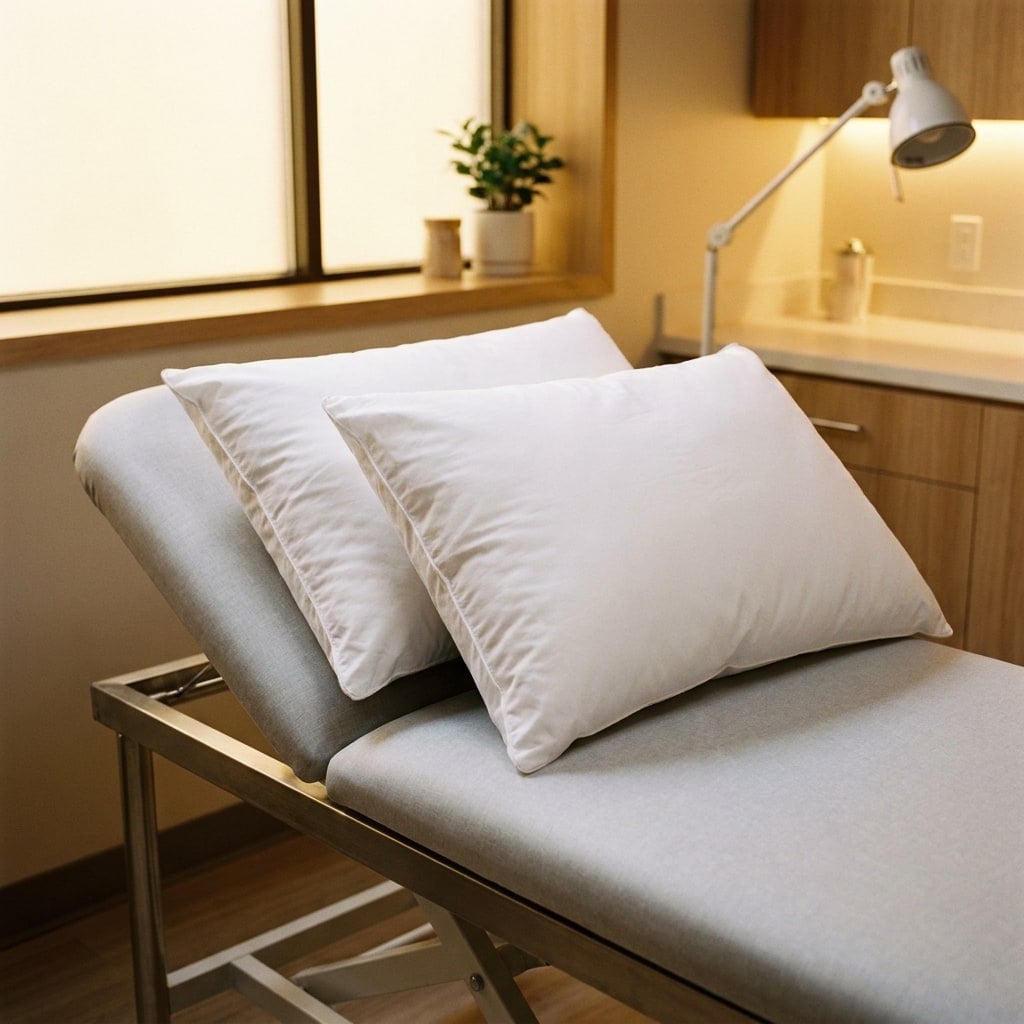
Exam rooms demand pillows that patients can use immediately, without fuss, and that staff can swap in seconds between appointments. A patient lying back for an examination needs head and neck support that keeps them comfortable for ten to thirty minutes, and one that does not slide or collapse under pressure. Consistency matters too, because clinicians develop routines around how a room is set up. When every exam room has the same type of pillow in the same place, turnover becomes faster and more predictable. Hospital pillows built for institutional use maintain loft and shape through repeated compression, which keeps that support consistent from the first appointment of the day to the last. Standardizing across rooms also simplifies stocking and training for new medical assistants.
Procedure Rooms Requiring Positioning Stability
Procedure rooms ask more of a pillow than exam rooms do. Patients may need limbs elevated, necks supported at specific angles, or bodies held in position for longer periods, and a pillow that flattens halfway through compromises both comfort and technique. Firmer constructions with reliable shape retention suit these tasks, and some procedures call for additional positioning pillows beyond the standard head pillow. Clinicians should help define which firmness levels and sizes are needed, since they know where positioning problems arise. Selecting medical pillows with dependable structure prevents improvisation with rolled towels or stacked pillows, which look unprofessional and may not hold position safely.
Recovery Areas Where Comfort Shapes the Experience
Recovery bays and observation chairs are where patients spend their most vulnerable moments after treatment, often feeling groggy, anxious, or sore. A soft, clean, properly sized pillow signals care and helps patients settle. These areas often see longer stays, which means pillows endure more continuous use and more frequent adjustment by patients and staff. Planning extra stock and faster replacement cycles for recovery spaces keeps conditions comfortable during busy afternoons. Quality hospital bed pillows in recovery areas also reassure family members who accompany patients, because they notice whether the clinic's details feel attentive and clean.
Down-Alternative Fill Performance Under Medical Cleaning Routines
Synthetic Fibers Designed for Laundering
Down-alternative fill uses fine synthetic fibers, usually polyester, engineered to mimic the loft and softness of natural down while behaving predictably in the wash. Natural fills can clump, take long to dry, and degrade under hot water, but synthetic fibers tolerate repeated hot cycles and dry quickly. That behavior matters in clinics, where cleaning routines are often strict and frequent. Infection prevention policies typically favor products that can be laundered thoroughly without losing their shape. Choosing hospital pillows with quality down-alternative fill gives clinics products that survive their cleaning protocols and still provide comfort afterward, instead of becoming lumpy or flat after a few cycles.
Hypoallergenic Profiles for Mixed Patient Populations
Clinics treat patients with varied sensitivities, including allergies and asthma, and cannot know every patient's needs in advance. Down-alternative fill avoids feathers and natural down, which are common triggers, making it a sensible default across rooms. That does not eliminate every sensitivity, but it removes one frequent concern and simplifies policy. Offering a widely tolerated option reduces the number of special accommodations staff must manage. Specifying down-alternative medical grade pillows lets a clinic apply a consistent standard everywhere, supporting both patient comfort and staff efficiency in daily operations.
Loft Retention After Repeated Cycles
Loft is the height and fullness of a pillow, and it determines how well the pillow supports a patient. Fill that recovers its loft after compression and washing keeps pillows useful for months, while poor fill flattens quickly and forces early replacement. Testing samples through repeated laundering reveals how they hold up and prevents costly surprises. Clinics should record how each sample feels after five, ten, and twenty cycles, since long-term behavior drives value. Strong loft retention is the clearest indicator that a pillow for hospital bed use or clinic use will earn its cost, and it is the first quality marker to verify.
Support Levels That Match Positioning and Patient Comfort Goals
Firmness Categories and Clinical Use
Firmness levels serve different clinical purposes. Softer pillows suit general comfort and patients who prefer a plush feel, while firmer pillows hold positions and support heavier heads or necks. A clinic that stocks at least two firmness levels can respond to most patient needs without improvising. Labels or color-coded cases help staff grab the right pillow quickly in busy rooms. Clinicians should review how firmness relates to common procedures and recovery positions, and then choose hospital pillows accordingly. Documenting those choices in a simple chart helps new staff and ensures that rooms are stocked consistently.
Loft Heights for Different Body Types
Patients vary in size and body shape, and one pillow height does not suit everyone. Low-loft pillows suit those who need minimal elevation, while higher-loft options support broader shoulders or specific positioning requirements. Offering a small range avoids forcing patients to accept an uncomfortable default. Measuring loft on samples and comparing them side by side helps buyers understand what they are ordering. Including varied lofts among pillows for hospital beds and chairs supports comfort across the patient population and reduces complaints about pillows that feel too thick or too flat.
Specialty Shapes and Wedge Pillows
Some clinical tasks call for specialty shapes, such as wedges for elevation or contoured pillows for neck support. Physical therapy, post-procedure care, and respiratory support are common contexts. Specialty items should be stocked in smaller quantities and tracked separately from standard pillows. Clinicians can specify which shapes are essential and how often they are used. Adding a few specialty hospital bed pillows to the standard inventory prevents makeshift arrangements and gives staff the tools to position patients properly and consistently.
Hygiene Features That Simplify Between-Patient Cleaning
Cleaning Protocols and Pillow Compatibility
Clinics follow cleaning protocols that dictate how surfaces and textiles are handled between patients. Pillows must tolerate those protocols, whether that means wiping a fluid-resistant casing, replacing a disposable cover, or laundering the entire pillow on a schedule. Products that degrade under cleaning agents create extra work and risk. Reviewing the clinic's infection prevention policy before choosing products ensures compatibility. Selecting hospital pillows that match those protocols prevents conflicts between purchasing decisions and clinical standards, and it keeps staff confident that the pillows in each room are properly maintained.
Smooth, Non-Porous Casing Options
Some clinical pillows use smooth, non-porous casings that resist fluid penetration and wipe clean quickly. These designs suit procedure rooms, infusion areas, and any space where spills or fluids are possible. Fabric casings feel softer and quieter but need protective covers or more frequent laundering. Many clinics use both, matching casing type to room function. Testing each type with the clinic's own cleaning agents shows how surfaces respond over time. Choosing the right casing makes pillows for hospital beds and exam tables easier to keep hygienic.
Clean and Soiled Pillow Separation
Clean and soiled pillows should travel and rest in separate, clearly labeled bins or carts, and staff should follow the same procedure in every room. Separation prevents cross-contamination and avoids confusion during busy periods. Covered storage protects clean stock from dust and splashes. Posting a simple diagram near storage areas reinforces the process. Consistent handling supports infection prevention goals and keeps hospital pillows suppliers deliveries organized once they arrive, since staff know exactly where each category belongs from day one.
Durability Standards for Constant Laundering and Handling
Seam Strength and Corner Construction
Seams and corners absorb most of the stress during stuffing into cases, bending under body weight, and washing. Weak stitching leads to leaking fill and early failure, and hollow corners make pillows look worn long before they are. Inspecting samples closely, tugging at seams, and examining corner fill reveals quality differences quickly. Reinforced stitching and fully filled corners are hallmarks of durable medical pillows. Clinics should reject products with loose threads, uneven seams, or thin spots, since those defects multiply across hundreds of units and quickly erase any savings from lower prices.
Fabric Weave and Resistance to Wear
A tightly woven shell resists tearing, contains fill, and survives repeated laundering with minimal pilling. Loose or thin fabrics deteriorate quickly and shed fibers. Holding fabric to light shows weave consistency, and running a hand across the surface reveals roughness or irregularities. Strong shells also feel smoother under pillowcases, which improves patient comfort. Prioritizing shell quality helps any pillow for hospital bed duty last through the realities of clinical use, and it protects the clinic's reputation for clean, well-maintained spaces.
Expected Service Life and Replacement Planning
Understanding how long pillows should last helps clinics budget and plan. Estimate service life by washing samples repeatedly and noting when they begin to fail, then divide the purchase price by the number of cycles survived. Track actual replacements by room type to refine estimates. High-use areas such as recovery bays may require faster replacement than low-use exam rooms. Documenting expected service life gives administrators a defensible basis for budgeting hospital pillows and highlights which products deliver the best long-term value.
Shell Fabrics, Seams, and Fluid-Resistant Casings Worth Comparing
Cotton and Cotton-Blend Shells
Cotton and cotton-blend shells feel soft and breathe well, which patients appreciate during longer stays. They pair naturally with removable protectors and cases, and they launder well when properly constructed. Their trade-off is lower fluid resistance, so they usually need protection in areas with possible spills. Many clinics use cotton-blend hospital bed pillows in waiting areas and recovery spaces where comfort matters most and exposure to fluids is limited.
Fluid-Resistant and Wipe-Clean Casings
Fluid-resistant casings protect the fill and allow quick wipe-down between patients, which suits procedure rooms and infusion areas. These materials are smooth and sometimes slightly less soft, but they provide valuable hygiene benefits. Evaluating how they feel against skin, how they sound when compressed, and how they respond to cleaning agents helps clinics choose appropriately. Pairing fluid-resistant pillows with soft cases can improve comfort without sacrificing protection, and it adds flexibility to medical grade pillows programs.
Seam Sealing and Edge Finishes
Sealed seams and finished edges prevent fluids and fill from escaping and make pillows easier to clean. Heat-sealed or double-stitched edges add durability. Inspecting seams under bright light shows pinholes or gaps. Edge finishes also affect how pillows feel against skin, so smooth, flat seams are preferable. Attention to these details separates reliable medical pillows from products that look similar on a shelf but perform very differently in real use.
Size Options for Standard Beds, Specialty Chairs, and Treatment Tables
Standard, Queen, and King Dimensions
Standard-size pillows, commonly about 20 by 26 inches, suit most exam tables and beds, while queen and king sizes provide extra width for larger patients or specific positioning needs. Dimensions vary slightly by product, so confirming exact sizes with suppliers prevents mismatches with cases and protectors. Clinics usually stock their deepest inventory in standard size and a smaller number of larger options. Keeping a simple chart of sizes by room type helps staff and purchasing teams. Right-sized hospital pillows look neat, fit cases properly, and stay in place during use.
Pediatric and Small-Format Options
Pediatric patients and some therapy applications call for smaller pillows that fit proportionally. Using adult pillows with children can be uncomfortable and sometimes unsafe, so clinics that treat young patients should stock appropriate sizes. Discuss requirements with pediatric clinicians and confirm that small-format products match infection control standards. Keeping a modest reserve prevents shortages when pediatric schedules fill up. Including small formats in a plan for any pillow for hospital bed or chair use ensures every patient receives suitable support.
Specialty Chairs and Treatment Tables
Infusion chairs, dialysis recliners, and therapy tables often have unique shapes and dimensions that change what size or shape works best. Measure these surfaces and test samples in place. Contoured or smaller pillows may fit better than standard sizes. Staff feedback during trials reveals practical issues such as slipping or interference with controls. Matching pillow sizes to equipment avoids improvisation and keeps pillows for hospital beds and chairs consistent across the clinic.
Protectors, Covers, and Disposable Barriers Working With Pillows
Zippered Protectors for Long-Term Use
Zippered protectors seal the pillow inside a washable layer, blocking fluids, oils, and dust. They are easy to launder between patients or on a schedule and extend the life of the pillow beneath. Choosing protectors that fit snugly prevents bunching and keeps pillows comfortable. Breathable fabrics reduce heat and noise. Including protectors in the purchasing plan protects the investment in hospital pillows and simplifies cleaning routines.
Disposable Covers for High-Turnover Rooms
Disposable covers or pillowcases can speed turnover in high-volume rooms, replacing laundry with a quick swap. They add per-use costs but save labor and reduce laundering needs. Clinics should compare the total cost of disposable covers against laundering costs and consider environmental policies. Some facilities use disposable covers only for specific procedures or isolation situations. A balanced approach keeps hospital bed pillows clean without overburdening laundry capacity or budgets.
Cases and Sizing Compatibility
Pillowcases must match pillow dimensions so they fit securely without bunching or stretching. Confirm that standard, queen, and king cases align with the pillows you order. Mismatched cases look sloppy and frustrate staff. Standardizing case colors by room type helps with organization. Buying cases, protectors, and pillows as coordinated sets from the same source prevents compatibility problems and makes ordering simpler for medical grade pillows programs.
Documentation Requests Supporting Compliance and Audits
Product Specification Sheets
Specification sheets describe materials, sizes, fill weights, and care instructions, and clinics should request them for every product under consideration. Keeping them on file supports audits, helps staff understand products, and makes reordering easier. Documents should be specific to the product line, not generic. Comparing specification sheets across hospital pillows suppliers shows which vendors provide clear, complete information and which leave gaps.
Fire Safety and Material Documentation
Healthcare settings are subject to fire safety and textile requirements that vary by jurisdiction. Confirm applicable requirements with safety officers and request relevant documentation from suppliers. Retain copies with purchasing records so they are available during inspections. Asking early prevents surprises after products are installed. Clear documentation also reassures clinical leaders that the clinic's medical pillows meet the standards expected in healthcare.
Care Instructions and Training Materials
Care instructions guide laundering and replacement decisions, and staff need clear, accessible guidance. Convert supplier instructions into one-page summaries posted near laundry areas and storage. Include steps for handling soiled pillows and criteria for retirement. Training new staff with the same summaries ensures consistency. Strong documentation habits keep hospital pillows in good condition and make compliance conversations easier.
Room-by-Room Counts Across Exam, Procedure, and Recovery Areas
Mapping Positions and Surfaces
Start by listing every position where a pillow is used: exam tables, procedure beds, recovery chairs, infusion chairs, therapy tables, and waiting areas. Walk the clinic with a clipboard rather than relying on memory, since rooms often contain more positions than expected. Record each position and the number of pillows normally used there. This map becomes the foundation for ordering and for later adjustments. Accurate mapping prevents shortages of pillows for hospital beds and chairs.
Pillows per Position and Daily Usage
Some positions use one pillow, while procedure areas may use two or three, plus specialty pieces. Estimate daily usage by considering patient volume, cleaning frequency, and any disposable covers. Track actual use for a few weeks to refine the estimate. Daily usage numbers guide rotation planning and reveal which rooms drive demand. Realistic usage data keeps orders of hospital pillows aligned with how the clinic really operates.
A Worked Example for a Mid-Sized Clinic
A clinic with 14 exam tables, 6 procedure beds, 8 recovery chairs, and 6 therapy tables has 34 positions. At two pillows per position, the base is 68. A fifty percent rotation set adds 34, and a fifteen percent reserve adds about 15, for roughly 117 hospital bed pillows. If the clinic also keeps 10 specialty pieces, the total reaches about 127. Written calculations make ordering faster and easier to defend to administrators.
Rotation Planning, Reserve Stock, and Patient Volume Surges
Laundry Cycles and Rotation Sets
Pillows cleaned or replaced between patients or on a schedule must be replaced by clean stock while they are away. Rotation sets keep rooms equipped. Many clinics plan fifty to one hundred percent extra, depending on laundry speed and cleaning policy. Faster, in-house laundry may need less, while outsourced laundry may need more. Aligning rotation planning with real laundry timing prevents shortages of medical grade pillows.
Reserve Percentages for Damage and Loss
Reserves absorb damage, loss, and unexpected needs. Ten to twenty percent is common, with higher percentages for busy clinics or those with high turnover. Track reserve usage and adjust the percentage after each quarter. A healthy reserve prevents rooms from running without pillows when a batch is delayed. Reserve stock should be stored centrally and accessible to supervisors.
Seasonal and Schedule-Driven Surges
Flu season, vaccination drives, and special clinics can surge volume. Review historical patient data to anticipate those periods and order ahead. Maintain flexibility by keeping spare stock and coordinating with laundry teams to adjust schedules. Learning from each surge refines future orders of hospital pillows and reduces stress during busy weeks.
Supplier Evaluation Criteria Covering Consistency, Lead Time, and Reorders
Product Consistency Across Lots
Consistency between production lots keeps pillows uniform over time. Ask suppliers how they control quality and whether they can match specifications on reorder. Request samples from different lots if possible. Consistent products simplify training and keep rooms looking uniform. Reliable hospital pillows suppliers treat consistency as a priority, since healthcare buyers depend on it.
Lead Times and Stock Availability
Lead times influence how much reserve a clinic needs. Suppliers with in-stock inventory can ship quickly, reducing the risk of shortages. Confirm typical lead times, shipping options, and how backorders are handled. Planning orders around realistic lead times prevents rush purchases. Strong availability is a major advantage when sourcing pillows for hospital beds in volume.
Communication and Reorder Support
Responsive communication makes ordering and problem-solving easier. Suppliers should provide clear pricing, accurate order confirmations, and prompt answers to questions. Reorder support, including product identification and past order history, saves time. Building a relationship with a dependable source helps clinics stay supplied and informed over the long term.
Case-Pack Economics, Lot Matching, and Budget Cycles
Lower Cost Per Pillow Through Carton Pricing
Packaging and handling costs shrink in full cartons, which lowers unit prices. Clinics that buy case packs save meaningfully compared with small orders, and savings grow with volume. Direct Textile Store offers case-pack pricing on hospital pillows, giving clinics a clear way to budget for hospital pillows. Comparing cost per pillow across order sizes reveals the most efficient quantities. Planning around case counts also simplifies storage and receiving.
Matching Lots for Uniform Rooms
Pillows from the same case typically share a production lot, so fill weight, shell color, and feel match. Uniformity makes rooms look consistent and supports predictable patient experience. Recording lot information at receipt helps with later matching. Consistent lots are a hidden advantage of ordering through reputable hospital pillows suppliers in cases.
Aligning Orders With Budget Cycles
Clinics operate on fiscal calendars, and aligning purchases with budget cycles improves approval chances and cash flow. Present clear calculations that show quantities, reserves, and expected service life. Plan delivery for times when storage space is available and staff can receive and wash new stock. Thoughtful timing keeps medical pillows purchases smooth and defensible.
Sample Trial Methods Involving Clinical Staff and Laundry Teams
Hands-On Inspection by Clinicians
Clinicians understand positioning needs and can judge whether a pillow provides adequate support. Have nurses, medical assistants, and therapists handle samples and test them with volunteers. Gather their comments on firmness, size, handling, and appearance. Their input improves product choices and builds buy-in. Hands-on trials of hospital bed pillows reveal practical details that specifications cannot capture.
Repeated Laundry Testing
Wash and dry samples several times using the clinic's actual process, noting loft, shape, seam integrity, and drying time. Compare results across samples and record observations. Include any protectors or cases in testing to confirm compatibility. A pillow that changes dramatically after a few cycles is unlikely to survive months of use. Laundry testing is the single best predictor of long-term performance for medical grade pillows.
Patient-Facing Pilot Programs
Placing samples in a few rooms for a trial period gathers real-world feedback from patients and staff. Ask for brief comments on comfort and cleanliness. Monitor how quickly pillows require replacement. Pilot results help finalize specifications and quantities before committing to a large order. Careful piloting reduces the risk of costly mistakes with hospital pillows.
Final Order Checklist for Clinic Pillow Purchases
Product Details to Verify
Confirm each of the following with samples in hand before finalizing a bulk order:
- Down-alternative fill performs after washing: Samples recover loft, resist clumping, and keep their shape through repeated cycles in your laundry.
- Firmness and loft options match clinical needs: At least two firmness levels are available, labeled, and reviewed by clinicians.
- Shell, seams, and casings are strong: The fabric is tightly woven, stitching is even, and fluid-resistant options have been tested with your cleaning agents.
- Sizes fit your furniture, cases, and protectors: You have confirmed standard, queen, king, and pediatric or specialty dimensions.
- Documentation is on file: Specification sheets, care instructions, and any required fire safety documents have been requested and saved.
- Quantities include rotation and a reserve: Your calculation covers positions, laundry cycles, specialty items, and expected losses.
- Case-pack pricing, shipping timing, and reorder availability are confirmed: You know the total cost, when the order will arrive, and that the same item can be ordered again.
Teams to Brief
Clinic managers, nursing leaders, infection prevention staff, laundry teams, and purchasing coordinators should all see the plan, including par levels, cleaning protocols, and retirement rules. Confirm the delivery date, prepare storage space, and schedule time to wash and organize new stock before use.
Records to File
Specification, order date, quantities, prices, and inventory counts by room type belong in one organized place. Update the record after each order and each quarter. Clear records speed future purchases, support audits, and help new managers maintain consistency across the clinic.
Direct Textile Store Support for Clinic Pillow Programs
Clinics working through this process benefit from one dependable source that simplifies ordering, keeps every room consistent, and holds quality steady from one order to the next. Order from Direct Textile Store down-alternative fills hospital pillows with case-pack pricing for hospitality and healthcare settings. Browse styles and case packs to outfit your operation. Built for healthcare and hospitality environments where pillows are handled constantly and cleaned often, the range puts durability, even fill, and consistent sizing at the center of every product.
Clinics gain real advantages from having pillows for hospital beds and treatment tables available in consistent specifications and case-pack quantities. With one source for pillows, protectors, cases, blankets, and gowns, a clinic can match quality and sizing across rooms, keep one set of care instructions, and avoid piecing together inventory from many places. Automatic case-pack pricing lowers the cost per pillow as the order grows, and there are no coupons or minimums to manage, which makes budgeting simpler for practice managers and administrators. Equipping a new location or refreshing an existing one, the same specification can be ordered and reordered with confidence.
Consistency matters as a practice grows. New exam rooms, added procedure suites, and replacement cycles all go more smoothly when additions match existing stock. Direct Textile Store also supplies other textiles clinics use, including patient gowns, towels, sheets, and lab coats, so one relationship can support the whole practice. That breadth lets a clinic standardize its textile program, simplify reordering, and keep supply predictable through flu season, vaccination drives, and quiet months alike.
Closing Thoughts on Comfortable, Consistent Clinical Pillow Programs
Durable, supportive hospital pillows in down-alternative fill, with firmness options matched to clinical needs and sizes matched to furniture, bought in case packs at wholesale pricing, give a clinic the best mix of patient comfort and operational value. Clinics that test samples through real laundry and with clinical staff, count positions with rotation and reserves, and standardize their specification tend to keep rooms ready while controlling costs. Choosing medical grade pillows that fit infection prevention protocols and laundry capacity makes daily care simpler for everyone.
Real gains come from planning rather than from any single product decision. A written par level by room type, a clear cleaning and replacement routine, a documentation file, and an ordering calendar tied to patient surges turn a scattering of pillows into a managed program. Staff know what to stock and when to swap, and administrators see at a glance what the clinic owns and needs. With those habits in place, orders arrive before shortages, reserves stay healthy, and every patient finds a clean, supportive pillow within reach.
Patients rarely mention pillows, but they feel the difference immediately when support is steady, surfaces are clean, and the room looks cared for. Dependable hospital bed pillows contribute to that comfort quietly and steadily, appointment after appointment. Clinics that plan ahead, rather than replacing a pillow for hospital bed or exam table only when something fails, protect their budgets, their staff, and the trust patients place in them.

Learn More About Our Experience Supplying Wholesale Linens → About Direct Textile Store
Direct Textile Store is a leading U.S. wholesale linen and textile supplier trusted by over 131,000 hotels, hospitals, healthcare facilities, restaurants, spas, salons, resorts, gyms, emergency shelter and response, funeral homes, VRBO & Airbnb hosts, car washes, and commercial buyers nationwide. Shop in bulk with everyday low wholesale pricing and automatic 20% case-pack discounts — no coupons or minimums required. Choose from one of the largest in-stock selections available: over 135,000 towels, pool towels, sheets, blankets, comforters, tablecloths, pillows, bed toppers, aprons, hospital gowns, patient gowns, isolation gowns, scrubs, shower curtains, chef apparel, smocks, lab coats, uniforms, and commercial laundry equipment including wire, vinyl, and poly laundry carts, trucks, and privacy screens — all ready to ship today. Free shipping on orders over $5,999.
FAQ
1. Why do clinics choose down-alternative hospital pillows?
They launder well, hold their loft, and avoid sensitivities associated with natural feathers and down.
2. What makes medical grade pillows different from regular pillows?
They use durable shells, consistent fill, and construction built for frequent cleaning and heavy use.
3. How many hospital bed pillows does a clinic need?
Count every exam, procedure, and recovery position, plan two per position, add a rotation set, and keep a ten to twenty percent reserve.
4. Should a clinic use covers on every pillow for hospital bed or exam table?
Protectors or covers extend pillow life and ease cleaning, so most clinics use them according to their infection prevention policy.
5. What should I ask hospital pillows suppliers before ordering?
Ask for specification sheets, care instructions, fire safety documentation, size options, lead times, and reorder availability.
6. Is it cheaper to buy pillows for hospital beds in case packs?
Generally yes. Case packs lower per-pillow cost and keep fill and appearance consistent across a large order.
7. Where can I buy down-alternative fills hospital pillows for a clinic?
Direct Textile Store offers down-alternative fills hospital pillows with case-pack pricing for hospitality and healthcare settings. Consistent in-stock inventory makes it a practical option for clinics.