Table of Contents
- Infants Needing Soft, Simple Gowns for Exams and Weigh-Ins
- Toddlers Testing Closures, Seams, and Patience
- Preschoolers Responding to Friendly Prints and Familiar Comfort
- School-Age Children Wanting Dignity and Choice
- Teenagers Needing Adult-Proportioned Coverage and Privacy
- Parents and Caregivers Judging the Clinic Through Small Details
- Tie-Back Designs Allowing Adjustable Fit and Easy Access
- Fabric Choices Balancing Softness, Breathability, and Laundering
- Print Selection Supporting Calm Without Distraction
- Size Ranges Covering Newborns Through Young Adults
- Exam Rooms, Procedure Suites, and Sick Visits Driving Quantity
- Par Level Math for Daily Changes, Rotation, and Reserve
- Laundry, Inspection, and Retirement Routines
- Case-Pack Pricing, Lot Matching, and Sample Trials
- Final Order Checklist for Pediatric Clinic Gown Purchases
- Direct Textile Store Support for Pediatric Clinic Gown Programs
- Closing Thoughts on Comfortable, Child-Friendly Clinic Care
- Learn More About Our Experience Supplying Wholesale Linens → About Direct Textile Store
- FAQ
- Related Topics
A pediatric clinic sees the whole arc of childhood in a single day: a newborn weighed on a scale at ten, a toddler with an ear infection at eleven, a school-age child for a sports physical after lunch, and a teenager for a confidential visit at the end of the afternoon. Each of them may be asked to change into a gown, and each reacts differently. A gown that fits well, closes easily, and looks friendly makes the exam smoother for the child, the parent, and the clinician. One that is too big, too scratchy, or too clinical turns a routine visit into a struggle. Pediatric gowns designed for children's bodies and clinic workflows solve those problems, and buying them in volume keeps every exam room stocked in every size. This guide follows the age stages a clinic serves, explains how to choose closures, fabrics, prints, and sizes, shows how to build par levels from daily visits, and describes how to buy pediatric gowns in case packs.
Infants Needing Soft, Simple Gowns for Exams and Weigh-Ins
Gentle Fabrics Against Newborn Skin
Newborns and young infants have delicate skin, and anything that touches them should be soft, smooth, and free of scratchy seams or stiff labels. Gowns for this age are usually small, simple, and designed to be put on quickly while a parent holds the baby. Cotton and cotton-blend fabrics feel gentle and breathe well, which helps babies stay comfortable during exams and weigh-ins. Clinics that treat many infants should stock the smallest sizes in depth, since newborn visits are frequent in the early weeks. Choosing the right pediatric gowns for infants keeps those first visits calm and efficient.
Access for Weight Checks, Vaccines, and Exams
Infant visits involve weighing, measuring, checking hips and abdomen, and giving vaccinations, all of which require quick access without fully undressing the baby. Tie-back designs and simple openings allow clinicians to reach the areas they need while keeping the infant covered and warm. Gowns should be easy to adjust with one hand, since the other is often holding the baby. Testing samples with real infants, with parents' permission, shows how they work in practice. Gowns that support quick, gentle access reduce crying and shorten visits.
Warmth, Hygiene, and Turnover Between Visits
Exam rooms are often cool, and infants lose heat quickly, so gowns should provide light warmth without overheating. Hygiene matters too, since infants frequently spit up or leak diapers during visits. A stocked supply of clean gowns lets staff swap a soiled one immediately. Planning enough rotation stock ensures that every infant visit begins with a fresh gown. Dependable pediatric gowns in the smallest sizes keep the early-childhood schedule running smoothly.
Toddlers Testing Closures, Seams, and Patience
Wiggles, Pulls, and Escape Artists
Toddlers resist changing clothes, squirm during dressing, and pull at anything unfamiliar. A gown for this age must be quick to put on, secure enough to stay closed, and comfortable enough that a child does not immediately try to remove it. Simple tie-backs with soft, flat ties work well, while stiff or bulky closures invite tugging. Parents appreciate gowns that can be adjusted without a struggle. Observing real toddlers in the exam room reveals which designs work and which cause meltdowns with pediatric gowns.
Sizing for Rapid Growth
Toddlers vary widely in size, and a single toddler size may not fit all. Offering at least two sizes in this range helps staff match the gown to the child. Gowns that are too long can trip children, while gowns that are too short may leave them uncomfortable. Keep an eye on which sizes are used most often and stock accordingly. Accurate sizing improves comfort and cooperation during exams.
Making Exams Less Frightening
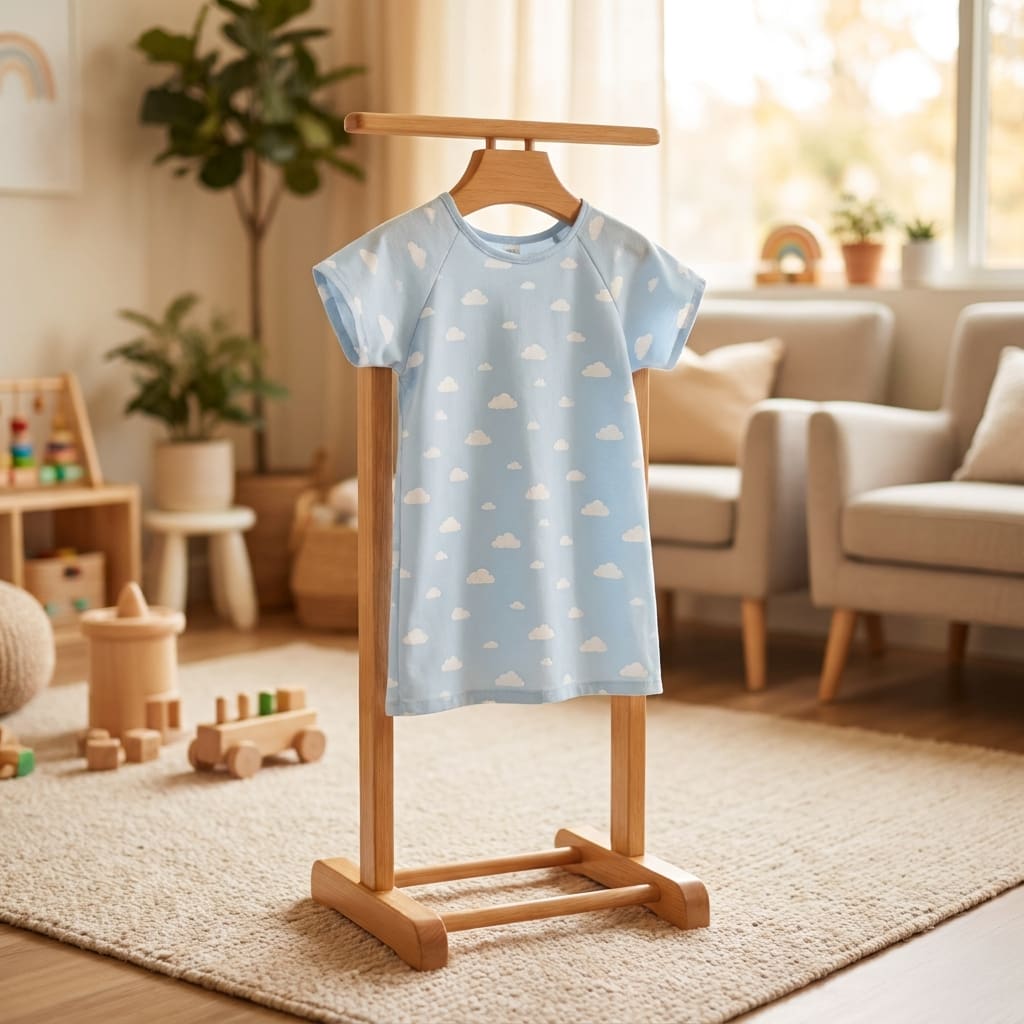
Toddlers respond to friendly visuals and familiar textures. A gown with a cheerful print and a soft feel can reduce fear and make the exam feel less clinical. Clinic staff who talk about the gown in playful terms often win cooperation. Small details such as these help young children feel safe and support smoother visits for everyone using pediatric gowns.
Preschoolers Responding to Friendly Prints and Familiar Comfort
Prints That Spark Conversation
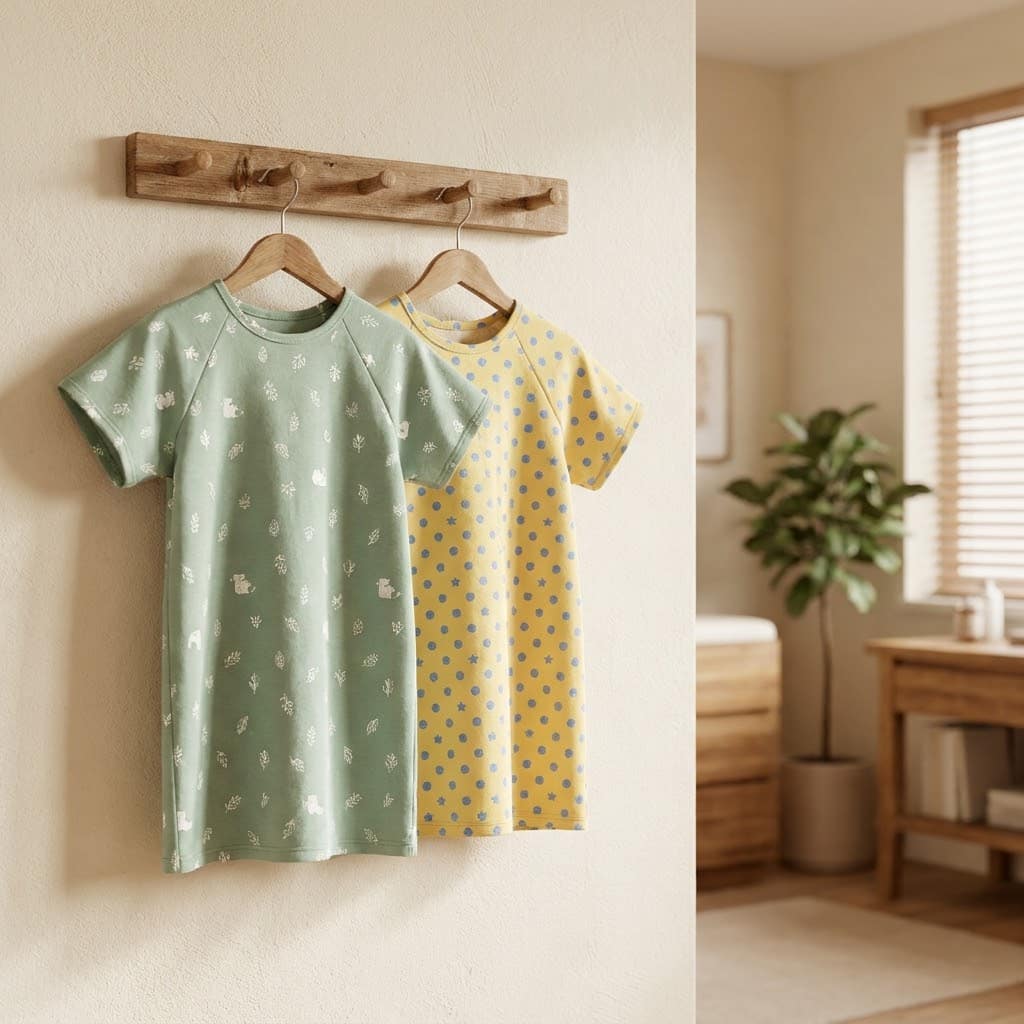
Preschoolers notice colors, animals, and shapes, and a friendly print gives them something to talk about while the clinician examines them. Conversation distracts from the exam and builds rapport. Prints should be cheerful but not overwhelming, and they should avoid designs that could frighten or distract. Printed pediatric gowns help clinics feel welcoming to young children, and parents often comment on the thoughtful touch.
Independence and Simple Choices
Preschoolers like to feel in control, and offering a choice between two prints gives them a small sense of agency. That simple act can reduce resistance. Keeping two or three print options in stock is enough. Staff can say, for example, that the child may choose the gown they like. Small choices make a big difference in how children experience visits.
Ease of Changing in Small Exam Rooms
Space is limited in many clinic rooms, so gowns should be easy for children to step into or for parents to help with in tight quarters. Gowns that open fully in the back or at the shoulders make dressing easier. Test them in actual rooms, with real families, to see how they function. Practical design matters as much as appearance for clinic workflows.
School-Age Children Wanting Dignity and Choice
Growing Modesty and Self-Awareness
School-age children become increasingly aware of their bodies and may feel embarrassed about changing in front of others. Gowns that provide full coverage in the back and sides help them feel secure. Staff should offer privacy and allow children to change with minimal fuss. Respecting that growing modesty builds trust and cooperation. Choosing pediatric gowns with adequate coverage supports dignity for this age group.
Prints and Colors That Do Not Feel Babyish
Older children may reject prints that feel too young. Offering more neutral colors or subtle patterns respects their growing independence. A small range that includes both playful and neutral options lets staff match the child's preference. Paying attention to these details helps clinics serve a wider age range.
Sports Physicals and Specialty Visits
School-age children and young athletes may visit for physicals and sports clearances, which involve movement tests and examination of joints. Gowns should allow free movement and easy access to shoulders, knees, and back. Test how samples perform during typical physical exam movements to ensure they support the procedures.
Teenagers Needing Adult-Proportioned Coverage and Privacy
Adult Sizes in a Young Patient Population
Teenagers often reach adult proportions, and a child-sized gown will not provide adequate coverage. Clinics that see teens should stock adult-sized gowns in appropriate cuts. Providing gowns that fit properly protects dignity and avoids embarrassment. Staff should know where these sizes are kept and how to offer them discreetly. Appropriate sizing is essential for teens using pediatric gowns and related adult styles.
Privacy, Confidential Visits, and Respectful Practice
Teenagers value privacy, and clinics often offer confidential visits. Gowns that provide full coverage, along with respectful practices such as knocking and allowing the teen to change alone, build trust. Clear communication about what will be examined and why helps teens feel comfortable. The gown is a small part of that respect, but it matters.
Neutral Designs That Respect Maturity
Teens often prefer simple, neutral designs over prints. Offering solid colors in adult sizes alongside children's prints lets the clinic serve every age appropriately. A modest range of options keeps inventory manageable while meeting diverse needs.
Parents and Caregivers Judging the Clinic Through Small Details
Cleanliness and Care Signals
Parents notice what their children wear in the clinic, and a clean, neat gown signals attention to hygiene. Stained or worn gowns raise doubts, especially for parents of infants and children with sensitivities. Consistent, well-maintained pediatric gowns reassure parents that the clinic takes care seriously.
Comfort for Children With Special Needs
Children with sensory sensitivities, developmental differences, or medical complexity may react strongly to textures and sounds. Soft, quiet fabrics and simple closures help. Staff trained to adapt can make visits smoother. Keeping a few alternative options available for these children shows thoughtfulness.
Communicating Gown Policies to Families
Clear communication about when gowns are needed, how privacy is protected, and what to expect helps families prepare. A short explanation at check-in reduces anxiety. Parents who feel informed are more cooperative and satisfied.
Tie-Back Designs Allowing Adjustable Fit and Easy Access
Why Tie-Backs Remain a Clinical Standard
Tie-back gowns are adjustable, simple, and widely understood by clinicians. They can be tightened or loosened to fit children of different builds, and they open in the back, which allows access to the spine, chest, and sides. Staff can tie them quickly, and children generally tolerate them well. Their familiarity makes training new staff easy. Tie-back construction is one of the main reasons clinics choose pediatric gowns.
Tie Length, Placement, and Comfort
Ties should be long enough to reach comfortably around a child and soft enough not to irritate. Flat ties lie smoother against the skin, and properly placed ties avoid pressing on sensitive areas. Inspect how ties are attached; reinforced stitching resists pulling. Poorly attached ties fail quickly and make gowns unusable.
Considering Snaps and Alternative Closures
Some gowns use snaps at the shoulders or along the sides, which can speed access for infants and young children. Snaps can be useful but require durability testing through repeated laundering. Consider offering a mix, with tie-backs as the standard and snap options for specific needs. Evaluate which closures best suit the clinic's workflows.
Fabric Choices Balancing Softness, Breathability, and Laundering
Cotton and Cotton-Blend Comfort
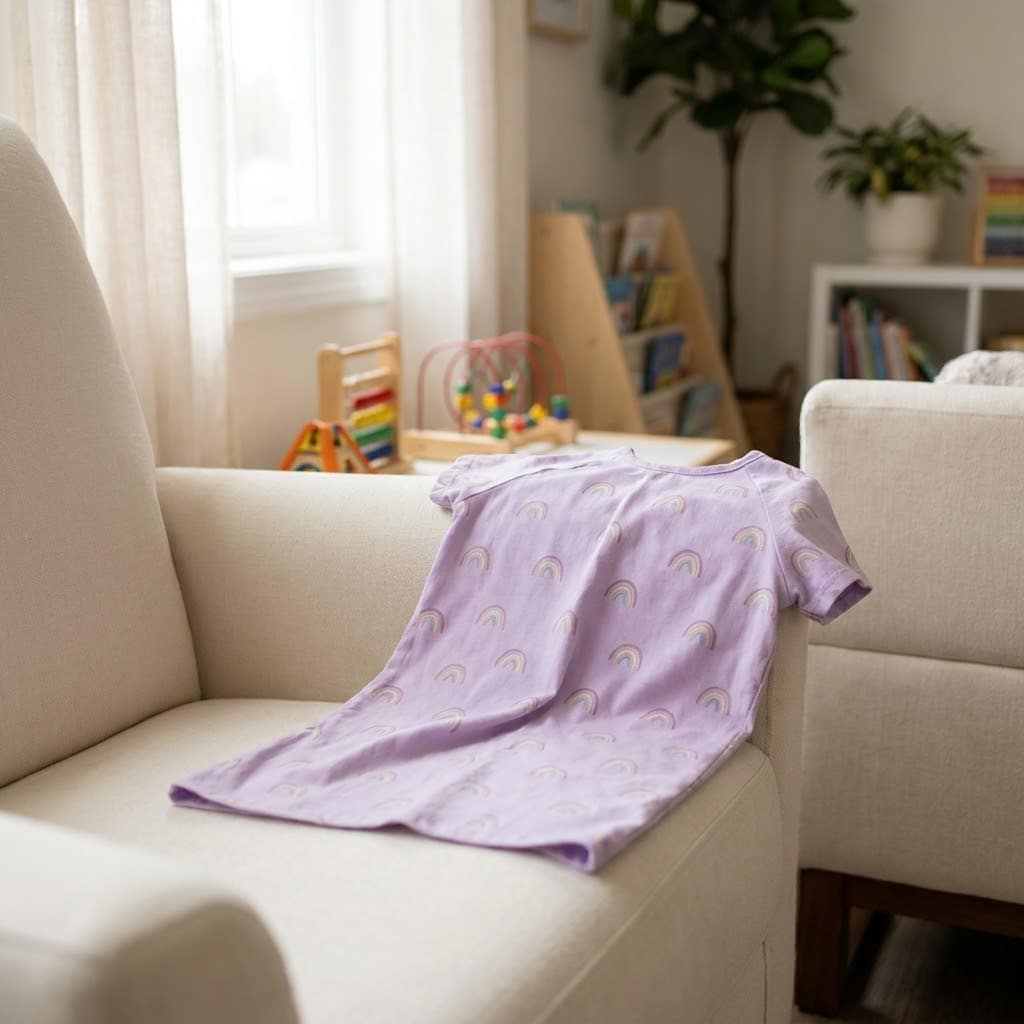
Cotton and cotton-blend fabrics feel soft and breathe well, which children appreciate. Blends resist shrinkage and dry faster, which helps clinics with busy laundry schedules. Compare samples side by side for feel and durability. A fabric that feels pleasant and survives frequent washing is ideal for pediatric gowns.
Durability Through Repeated Washing
Clinics launder gowns often, and fabrics must keep their shape, color, and softness. Test samples through multiple wash cycles and note changes in feel, shrinkage, and print durability. Gowns that degrade quickly cost more in the long run. Durable fabrics protect budgets and appearance.
Stain Release and Hygiene Considerations
Children's visits can involve spills, bodily fluids, and cleaning products. Fabrics that release stains and tolerate hot washing support hygiene routines. Follow the clinic's infection control policy for laundering. Choosing laundry-friendly fabrics simplifies compliance.
Print Selection Supporting Calm Without Distraction
Friendly, Gentle Patterns
Prints should be cheerful but calm, with soft colors and simple shapes. Overly busy or high-contrast patterns can overstimulate or distract during exams. Clinicians also need to see skin color and condition clearly, so prints should not obscure observation. Testing prints in actual lighting helps ensure they work well.
Print Durability Through Laundering
Prints that fade, crack, or flake look worn and undermine the gown's purpose. Quality prints are bonded or woven in ways that survive many washes. Wash samples repeatedly and compare with unwashed fabric. Durable prints keep pediatric gowns looking fresh through many cycles.
Keeping the Range Simple
Two or three print options, plus a neutral choice for older children, are enough for most clinics. Too many options complicate inventory and sizing. Keep a simple chart of what is available in each size.
Size Ranges Covering Newborns Through Young Adults
Understanding Size Distribution Across Patients
A pediatric clinic serves a wide range of sizes, from newborn to young adult. Tracking the age distribution of patients shows which sizes are used most. Stock depth should match actual usage, with smaller reserves of less common sizes. Reviewing usage quarterly keeps inventory aligned with reality.
Measuring Samples Against Real Patients
Have staff try samples on children of various sizes, with permission, or evaluate them on forms. Check coverage when sitting, lying, and moving. Gowns that fit in one position may shift in another. Testing helps avoid gaps or excess fabric.
Labeling and Organizing Sizes for Quick Access
Label shelves and bins clearly by size and print. Staff in a hurry should be able to grab the right gown in seconds. Color-coded tags or labels reduce mistakes. Organized storage supports efficient clinic flow for pediatric gowns.
Exam Rooms, Procedure Suites, and Sick Visits Driving Quantity
Estimating Gown Use per Visit Type
Well-child visits may require a gown for part of the exam, sick visits may require changes, and procedures may require a gown for the entire visit. Estimate usage per visit type, then multiply by expected volume. Track actual use for a few weeks to refine estimates. Realistic estimates prevent shortages and waste.
Peak Days and Seasonal Surges
Flu season, back-to-school physicals, and sports season create peaks. Review past data to anticipate those periods and plan extra stock. Ordering ahead ensures gowns arrive and are washed in time. Surge planning keeps the clinic running smoothly.
Allocating Stock Across Rooms
Distribute stock to exam rooms in consistent quantities, and keep a central reserve. Standardize how each room is stocked. Consistency reduces searching and speeds turnover.
Par Level Math for Daily Changes, Rotation, and Reserve
Starting With Daily Gown Use
Estimate daily gown use by multiplying patient visits by gowns per visit. For example, 80 visits per day at one gown per visit equals 80 gowns in daily use. Use peak-day numbers rather than averages. This daily figure is the base for ordering.
Rotation and Laundry Cycle
Gowns used today must be laundered before reuse, so plan at least two days of stock. Slower or outsourced laundry may require more. Match par levels to real laundry timing.
Reserve and a Worked Example
A clinic with 80 daily gown uses planning a two-day cycle needs 160. A fifteen percent reserve adds 24, for 184 pediatric gowns. Split by size according to patient mix. Written calculations make reordering fast and easy to justify.
Laundry, Inspection, and Retirement Routines
Washing in Line With Infection Control Policy
Follow the clinic's infection control policy for laundering temperature, detergent, and handling. Separate clean and soiled gowns, and use designated bins. Consistent practices protect patients and fabric. Training staff on the routine reduces mistakes.
Inspecting Ties, Seams, and Prints
Check each gown for frayed ties, loose seams, stains, and faded prints before returning it to stock. Quick inspection prevents problems from reaching patients. Pull items that fail inspection for repair or retirement.
Written Retirement Standards
Decide when gowns should be retired, such as when ties fray, stains persist, or prints fade. Write the standard down and train staff to apply it. Prompt retirement keeps the clinic looking professional and provides data for refining par levels of pediatric gowns.
Case-Pack Pricing, Lot Matching, and Sample Trials
Unit Savings From Carton Efficiency
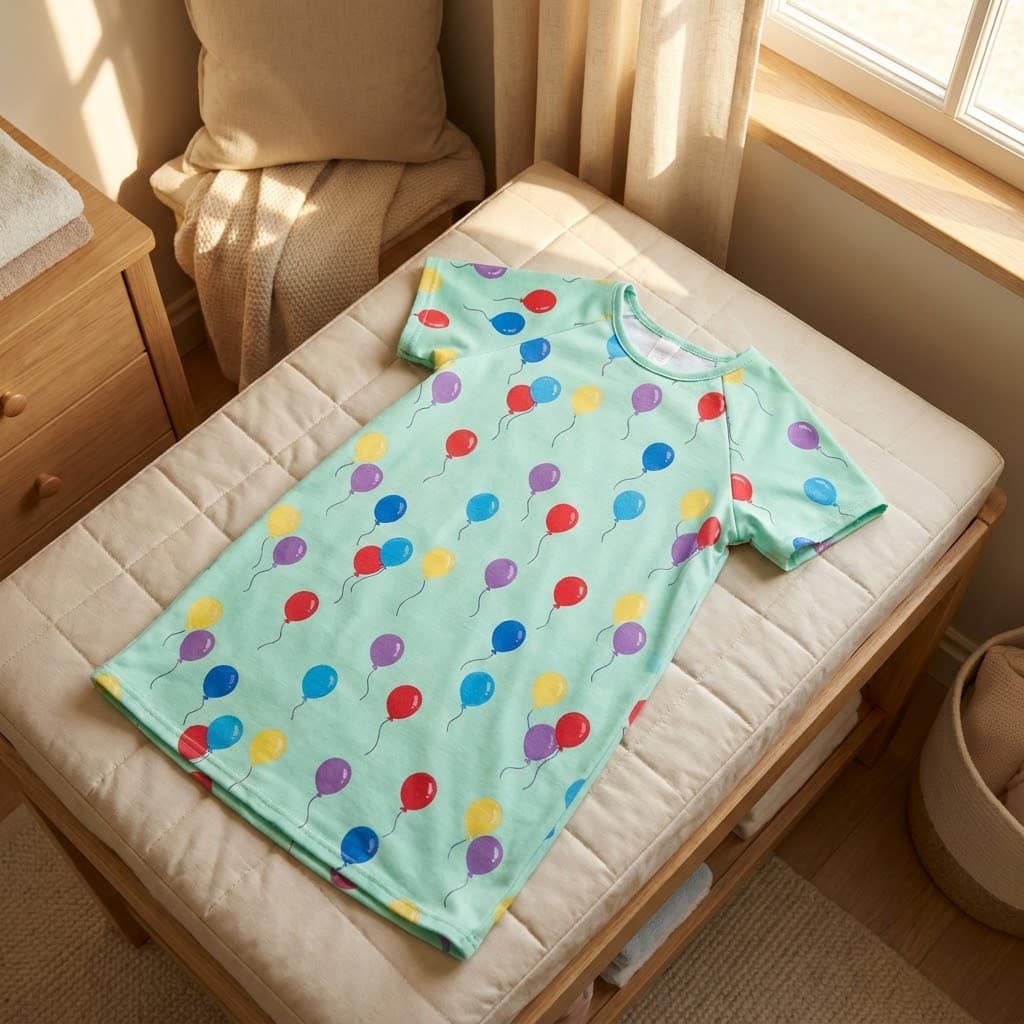
Packaging and handling costs shrink in full cartons, lowering unit prices. Clinics buying hundreds of gowns save meaningfully. Direct Textile Store offers case-pack pricing on tie-back styles pediatric gowns, giving clinics a clear way to budget for pediatric gowns. Compare cost per gown at different quantities to find the best order size.
Matching Lots for Consistent Appearance
Gowns in the same case typically share a production lot, so print color, fabric, and sizing match. That consistency keeps inventory looking organized and makes replacements blend in. Record lot information at receipt.
Running Sample Trials With Clinicians and Families
Request samples, inspect construction, wash them repeatedly, and have clinicians try them in real exams. Gather feedback from parents and older children where appropriate. Pilot results guide specifications and quantities before a large order.
Final Order Checklist for Pediatric Clinic Gown Purchases
Product Details to Verify
Confirm each of the following with samples in hand before finalizing a bulk order:
- Tie-back designs are secure and comfortable: Ties are long enough, flat, and reinforced where they attach.
- Fabric is soft and laundry-friendly: Samples hold up through repeated washing and tolerate your infection control routine.
- Prints are friendly and durable: Colors stay sharp after washing, and patterns are calm enough for clinical observation.
- Sizes cover every age you serve: The range includes newborn through teen and adult sizes, with neutral options for older patients.
- Coverage and dignity are verified: Gowns cover adequately when sitting, lying, and moving.
- Quantities include rotation and a reserve: Your calculation covers daily visits, laundry cycles, surges, and expected losses.
- Case-pack pricing, shipping timing, and reorder availability are confirmed: You know the total cost, when the order will arrive, and that the same item can be ordered again.
Teams to Brief
Providers, nurses, medical assistants, front desk, and laundry staff should all see the plan, including par levels, storage locations, and retirement rules. Confirm the delivery date and allow time to wash new gowns.
Records to File
Specification, order date, lot information, quantities, prices, and inventory counts by size belong in one place. Update the record whenever products or quantities change. Clear records speed reorders and support audits.
Direct Textile Store Support for Pediatric Clinic Gown Programs
Pediatric clinics working through this process benefit from one dependable source that simplifies ordering, keeps every exam room stocked, and holds quality steady from one order to the next. Direct Textile Store carries tie-back styles pediatric gowns with tie-back designs and sizes to fit your patient population. Browse styles and case packs to outfit your operation. Built for healthcare settings where gowns are laundered constantly and worn by patients at their most vulnerable, the range puts softness, durability, and consistent sizing at the center of every product.
Clinics gain real advantages from having pediatric gowns available in consistent specifications and case-pack quantities. With one source for pediatric styles, adult sizes, towels, sheets, and blankets, a clinic can match fabrics and sizing across rooms, keep one set of care instructions, and avoid piecing together inventory from many places. Automatic case-pack pricing lowers the cost per gown as the order grows, and there are no coupons or minimums to manage, which makes budgeting simpler for practice managers and administrators. Equipping a new location or refreshing an existing one, the same specification can be ordered and reordered with confidence.
Consistency matters as a practice grows. New exam rooms, added providers, and seasonal surges all go more smoothly when additions match existing stock. Direct Textile Store also supplies other textiles clinics use, including patient gowns, lab coats, pillows, and exam table linens, so one relationship can support the whole practice. That breadth lets a clinic standardize its textile program, simplify reordering, and keep supply predictable through flu season, back-to-school rushes, and quiet months alike.
Closing Thoughts on Comfortable, Child-Friendly Clinic Care
Soft, durable pediatric gowns with practical tie-back designs, friendly prints, and sizes that cover every age from newborn to teen, bought in case packs at wholesale pricing, give a pediatric clinic the best mix of patient comfort and operational efficiency. Clinics that test samples with real families and clinicians, count gowns from daily visits with rotation and reserves, and standardize their specification tend to keep exam rooms ready while controlling costs. Choosing pediatric gowns that fit their infection control routines and workflow makes every visit smoother.
Real gains come from planning rather than from any single product decision. Par levels by size, a simple storage layout, an inspection and retirement routine, and a reorder calendar tied to seasonal surges turn a changing inventory into a managed program. Staff know where to find the right gown, laundry knows what to expect, and administrators see at a glance what the clinic owns and needs. With those habits in place, orders arrive before shortages, reserves stay healthy, and every child is dressed in something clean, comfortable, and suited to them.
Children rarely remember the gown, but they remember how the visit felt, and parents remember whether the clinic noticed the small things. Dependable pediatric gowns contribute to that experience quietly and steadily, visit after visit. Clinics that plan ahead, rather than replacing gowns only when ties fray or shortages appear, protect their budgets, support their staff, and give young patients and families one less thing to worry about.

Learn More About Our Experience Supplying Wholesale Linens → About Direct Textile Store
Direct Textile Store is a leading U.S. wholesale linen and textile supplier trusted by over 131,000 hotels, hospitals, healthcare facilities, restaurants, spas, salons, resorts, gyms, emergency shelter and response, funeral homes, VRBO & Airbnb hosts, car washes, and commercial buyers nationwide. Shop in bulk with everyday low wholesale pricing and automatic 20% case-pack discounts — no coupons or minimums required. Choose from one of the largest in-stock selections available: over 135,000 towels, pool towels, sheets, blankets, comforters, tablecloths, pillows, bed toppers, aprons, hospital gowns, patient gowns, isolation gowns, scrubs, shower curtains, chef apparel, smocks, lab coats, uniforms, and commercial laundry equipment including wire, vinyl, and poly laundry carts, trucks, and privacy screens — all ready to ship today. Free shipping on orders over $5,999.
FAQ
What is a pediatric gown?
A pediatric gown is a hospital gown sized and designed for children, usually in soft fabric with adjustable ties or snaps and often a friendly print. It is used for exams, procedures, and hospital stays.
Why do kids wear hospital gowns?
Gowns give clinicians easy access for exams, IV lines, and monitoring, and they keep a clean, launderable layer between a child and the clinical setting. They are also quick to put on and change.
Does a child have to wear a hospital gown for a doctor's visit?
It depends on the clinic and the procedure. For routine exams a child may only need to expose the area being examined, while procedures and some physicals usually call for a gown.
What size pediatric gowns do I need for a child?
Pediatric gowns are sized by age or weight, from newborn and infant through youth sizes, so use the supplier's size chart and measure a few patients. Teens often need adult sizes for proper coverage.
What is the difference between a pediatric gown and an adult gown?
A pediatric gown is cut smaller and shorter, uses softer fabrics and child-friendly prints, and has closures that adjust to small bodies. An adult gown on a child can be too long and too loose.
How do you put a hospital gown on a child?
Most tie-back gowns go on with the opening at the back, then tie at the neck and waist, with a parent or nurse helping. Infants may use snap-closure styles, and staff can show families how to keep the child covered while changing.
Where can I buy pediatric gowns in bulk for a clinic?
Direct Textile Store carries tie-back styles pediatric gowns with tie-back designs and sizes to fit your patient population. Case-pack pricing and consistent in-stock inventory make it a practical option for clinics.