Table of Contents
- Fine Dining Rooms Using Table Linens to Signal Formality
- Casual Bistros Balancing Style, Speed, and Budget
- Patio Seating Facing Wind, Sun, and Weather Demands
- Private Dining Events Requiring Matched Sets and Backup Stock
- Booths, Banquettes, and Specialty Tables Needing Custom Sizing
- Commercial Weight Fabrics Surviving Daily Service and Laundering
- Spill Management Through Finishes, Pre-Treatment, and Quick Swaps
- Color Palettes Matching Concept, Menu, and Lighting
- Napkin, Runner, and Overlay Coordination Across the Dining Room
- Table Count Math Covering Seats, Turns, and Rotation
- Service Schedules Shaping Laundry Cycles and Linen Flow
- Front-of-House Handling Habits Extending Linen Life
- Wholesale Case Packs, Lot Matching, and Reorder Calendars
- Sample Trials in Real Dining Rooms Before Full Orders
- Final Order Checklist for Restaurant Table Linen Purchases
- Direct Textile Store Support for Restaurant Table Linen Programs
- Closing Thoughts on Polished, Dependable Dining Room Tables
- Learn More About Our Experience Supplying Wholesale Linens → About Direct Textile Store
- FAQ
- Related Topics
A restaurant table is set long before the first guest arrives, and the cloth is the first thing that goes on it. It frames the plate, dampens the clatter of silverware, hides the table beneath, and tells diners before they read a menu whether the room is casual, polished, or somewhere in between. It also takes a beating that few other textiles face: wine, oil, sauces, candle wax, and the constant rhythm of being stripped, washed, and reset for the next seating. Tablecloths built to commercial standards handle that routine without losing shape, color, or crispness, and buying them in volume keeps every table dressed consistently from lunch through last call. This guide explains how restaurant formats shape linen choices, how to calculate table counts and rotation, how to protect cloths from spills and wear, and how to buy wholesale tablecloths in case packs that keep margins healthy.
Fine Dining Rooms Using Table Linens to Signal Formality
Formality Communicated Through Fabric and Fit
In fine dining, guests expect precision, and the tabletop is part of the performance. A crisp, perfectly fitted cloth with an even drop and no visible wrinkles tells diners that the restaurant sweats the details. Heavier fabrics drape cleanly and hold their lines, while thin or ill-fitting cloths undermine the effect. Because every table in a fine dining room is visible from nearly every seat, inconsistencies stand out. Restaurants in this category invest in high-quality tablecloths and replace them promptly at the first sign of wear, since standards leave little room for tired linens.
Color and Texture That Support the Concept
White remains the classic choice for formal dining, but many fine dining rooms use ivory, charcoal, or deep tones that suit their décor and lighting. Subtle textures, such as satin stripes or tonal weaves, add depth without drawing attention away from the food. Colors should be tested under the actual dining room lighting, since warm lamps and candlelight change how fabrics read. Consistent color across all tables creates a calm, composed room. Choosing the right look from a range of wholesale tablecloths helps the restaurant express its identity.
Laundering Standards for Spotless Presentation
Fine dining linens must come back from laundering spotless and smooth. That requires reliable stain release, controlled heat, and careful finishing. Many restaurants send linens to professional laundries or run strict in-house routines. Either way, cloths should be inspected before each service, and any with shadows or marks should be retired from front-of-house use. Building a reserve large enough to swap out imperfect cloths ensures that every table meets the standard without scrambling before service.
Casual Bistros Balancing Style, Speed, and Budget
Cloths That Look Good Without Constant Pressing
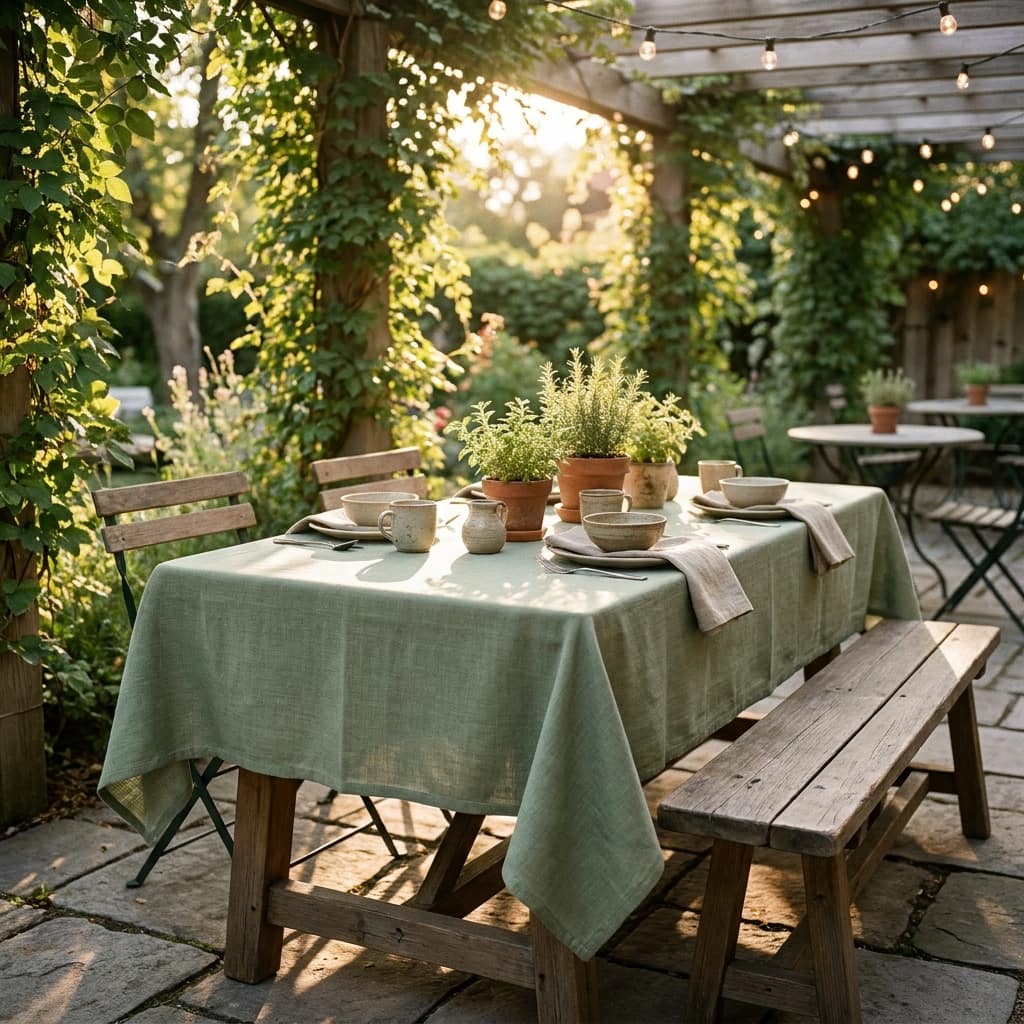
Casual bistros need linens that look inviting without demanding the labor of formal pressing. Wrinkle-resistant fabrics that come out of the dryer ready to use save time, and slightly textured weaves hide minor creases. Casual does not mean careless; guests still notice stains and fraying. Choosing durable tablecloths in easy-care fabrics keeps tables presentable at a manageable cost. The right balance lets the restaurant look warm and polished while staff focus on service instead of linen maintenance.
Reducing Table Turn Time With Quick Resets
Bistros often turn tables several times per service, and quick resets matter. Cloths that fit properly and lie flat allow servers to change them in seconds. Standardized sizes across table types prevent the delay of hunting for the right cloth. Having stacks of pre-folded, labeled cloths near the floor speeds the process. Simple systems reduce the time between guests and keep the room flowing during busy periods.
Cost Control Without Sacrificing Look
Budget-conscious bistros watch linen costs closely. The most economical choice is usually a durable cloth that lasts through many washes, not the cheapest piece on the shelf. Calculating cost per use shows which products truly save money. Buying in case packs lowers unit prices further. Sensible purchasing keeps the dining room attractive while protecting margins on wholesale tablecloths.
Patio Seating Facing Wind, Sun, and Weather Demands
Fabrics That Handle Outdoor Conditions
Patio tables expose cloths to wind, sun, dust, and unpredictable weather. Lightweight cloths blow around, while heavy ones stay put. Polyester fabrics resist fading and dry quickly, which suits outdoor use. Some restaurants use clips, weights, or fitted covers to keep cloths in place. Choosing sturdier tablecloths for patio service prevents distractions and reduces the number of cloths ruined by weather.
Rotating Patio Stock Separately
Patio linens take more abuse than indoor ones, so tracking them separately helps manage replacement. Many restaurants dedicate a set of cloths to outdoor use and retire them to back-of-house after a season. Keeping patio stock distinct also prevents indoor cloths from developing sun fading or outdoor odors. A simple label or color tag makes separation easy.
Seasonal Planning for Patio Opening and Closing
Patio season demands extra inventory when tables are added and less when they close. Planning orders ahead of opening ensures stock arrives and is washed in time. At season's end, inspect, wash, and store cloths properly. Seasonal routines keep patio linens from becoming a yearly scramble.
Private Dining Events Requiring Matched Sets and Backup Stock
Uniform Appearance Across Many Tables
Private events and banquets put many identical tables in one room, so any mismatch is obvious. Cloths for private dining should come from the same lot and be inspected for consistency. A planned set, with spares, prevents last-minute problems. Restaurants that host events regularly benefit from dedicated event linens in neutral colors that suit a wide range of clients.
Coordinating With Client Décor and Palette
Clients often bring colors, themes, or centerpieces, and linens should complement them. Offering a few core colors, plus the ability to add overlays or runners, gives clients choice without requiring a huge inventory. Keep sample swatches available for planning conversations. Flexible wholesale tablecloths in neutral shades make coordination easier.
Backup Stock for Large Parties
Spills and last-minute changes are normal at events. Holding extra cloths for each event ensures that a single mishap does not delay service. A reserve of ten to twenty percent is a common starting point. Counting cloths before and after each event reveals losses early and supports accurate planning.
Booths, Banquettes, and Specialty Tables Needing Custom Sizing
Measuring Every Table Type
Restaurants often have a mix of round, square, rectangular, and bar-height tables, plus booths that may or may not use cloths. Measure each table type and decide the drop. Record the sizes in a simple chart. Accurate measurements prevent ordering errors and wasted inventory. A clear size matrix keeps ordering tablecloths simple and accurate.
Combining Cloths and Runners for Booths
Booths and banquettes sometimes use runners or placemats instead of full cloths. These options reduce laundry volume while still protecting surfaces and adding style. Consider whether a runner over a bare table or a smaller overlay suits each space. Mixing formats can reduce costs and add variety.
Handling Bar-Height and Communal Tables
Bar-height and communal tables need special sizing, often longer drops or fitted covers. Test samples on these tables to confirm appearance and safety. Make sure cloths do not create tripping hazards. Planning for them in advance avoids improvisation during service.
Commercial Weight Fabrics Surviving Daily Service and Laundering
What Commercial Weight Adds to Daily Performance
Commercial weight refers to heavier, denser fabric designed for repeated laundering and handling. Heavier cloths drape better, resist thinning, and hide the table beneath. They also feel more substantial under hands and glasses. In a restaurant that launders cloths daily, durability pays off quickly. Compare weights by handling samples, and favor products that keep their body after washing. Strong commercial-weight tablecloths hold up through months of service.
Spun Polyester as a Restaurant Standard
Spun polyester offers a soft, matte look, resists wrinkles and fading, and dries quickly. Those traits suit restaurants that need linens ready fast. It also pairs well with soil-release finishes that help stains lift during washing. Many restaurants standardize on spun polyester for most tables and reserve special fabrics for premium rooms.
Hems, Seams, and Edge Durability
Edges endure folding, tugging, and constant laundering. Reinforced hems resist fraying, while weak hems unravel quickly. Inspect corners and stitching on samples, and wash them several times. Strong finishing extends life and keeps tables looking neat.
Spill Management Through Finishes, Pre-Treatment, and Quick Swaps
Soil-Release Finishes and Their Role
Soil-release finishes help stains lift during washing, which reduces the number of cloths lost to stubborn marks. They do not make fabric stain-proof, but they improve recovery rates. Combined with prompt handling, they extend cloth life significantly. Ask suppliers how finishes are applied and what laundry practices protect them. Treated tablecloths can lower replacement costs in busy dining rooms.
Handling Wine, Oil, and Sauces Quickly
Servers should know how to blot spills, swap soiled cloths between seatings, and bag them for laundry. Fast action prevents stains from setting. Pre-treating wine, oil, and tomato stains before washing improves results. Simple training and clear instructions keep the staff effective.
Keeping Spare Cloths Within Reach
Spare cloths stored near the dining room allow quick replacement without disrupting service. A small, organized stack in each service area saves time. Counting spares at the start and end of each shift prevents shortages.
Color Palettes Matching Concept, Menu, and Lighting
Core Neutrals and Why They Work
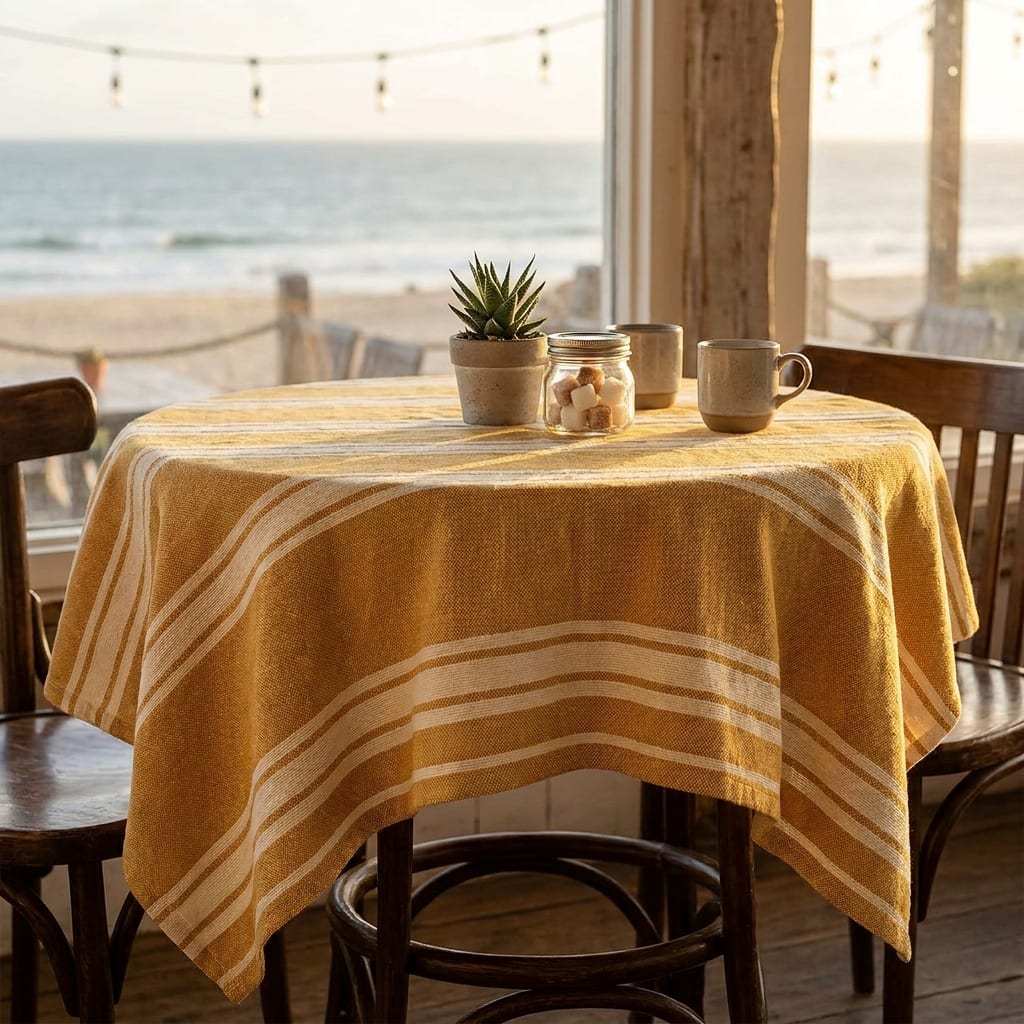
White, ivory, black, and gray cover most restaurants and coordinate with many décor styles. Neutrals hide minor wear and make replacements easy. They also make it simple to change the look with napkins, runners, and centerpieces. Building a deep stock of neutral wholesale tablecloths protects against shortages.
Accent Colors for Seasonal Menus and Events
Some restaurants refresh their look seasonally or for special menus. Accent colors, used sparingly, create variety without overhauling the whole inventory. Keep modest stock in popular accents and reorder if demand holds. Tracking customer feedback helps decide which shades to keep.
Testing Colors Under Real Lighting
Lighting changes how colors look. Test samples under dining room lamps, daylight, and candlelight. Photograph them to see how they appear in images guests might share. Colorfast fabrics hold their shade through washing, which keeps the room consistent over time.
Napkin, Runner, and Overlay Coordination Across the Dining Room
Building a Complete Table Linen System
Tablecloths, napkins, runners, and overlays work together to create a cohesive look. Planning them as a system ensures colors and textures complement each other. Buying from one source keeps fabrics and dye lots aligned. A coordinated system looks intentional and simplifies reordering.
Using Overlays to Extend Cloth Life
Overlays and runners protect the base cloth from spills and wear, reducing how often it needs replacement. They also add style. Rotating overlays is easier and cheaper than replacing full cloths. Many restaurants use this approach to keep tables fresh at lower cost.
Maintaining Consistency Across Seatings
Consistency across tables and seatings gives the room a polished feel. Standard folding methods and staging practices keep linens uniform. Training staff on the standard prevents drift.
Table Count Math Covering Seats, Turns, and Rotation
Counting Tables by Type and Size
List every table in the restaurant, with its size and shape. Include patio and private room tables. This list is the base for ordering. Accurate counts prevent shortages and over-ordering of tablecloths.
Rotation Sets and Reserve
Each table needs one cloth in use, one clean and ready, and one in the wash, so a rotation of at least three is common. Add a reserve of ten to twenty percent for stains and damage. Adjust for laundry speed and service volume.
A Worked Example for a 30-Table Restaurant
A restaurant with 30 tables planning three cloths per table needs 90. A fifteen percent reserve adds about 14, for 104 wholesale tablecloths. Splitting by size produces an order plan. Writing the numbers down makes reordering fast.
Service Schedules Shaping Laundry Cycles and Linen Flow
Lunch, Dinner, and Late-Night Patterns
Restaurants with multiple services per day generate multiple loads of soiled linens. Mapping when cloths are used and collected shows when laundry must run. Planning cycles around service times keeps clean stock available. Staggering loads smooths the workflow.
In-House Versus Professional Laundry
Some restaurants launder in-house, while others use professional services. Each approach shapes par levels, since outside laundry adds transit time. Confirm turnaround times and plan extra stock to cover them. Clear communication with the service prevents gaps.
Storage and Staging Before Service
Clean cloths should be stored in dry, covered areas and staged by size before service. Labeled shelves help staff find what they need quickly. Organized staging reduces pre-service stress.
Front-of-House Handling Habits Extending Linen Life
Setting and Changing Cloths Correctly
Servers should center cloths, equalize drops, and avoid dragging them across tables. Gentle handling reduces wear at edges. Changing cloths between seatings should be quick and clean. Training reinforces habits that protect tablecloths.
Avoiding Hazards Like Candles and Hot Plates
Open flames and hot objects can burn or mark cloths. Use proper candle holders and protective pads. Keep cloths away from heat sources. Training and clear rules prevent damage.
Collecting and Bagging Soiled Linens
Soiled cloths should go into designated bags or bins immediately, not onto floors. Separate heavily stained items for pre-treatment. A simple process keeps cloths in good condition for laundering.
Wholesale Case Packs, Lot Matching, and Reorder Calendars
Savings From Carton Efficiency
Packaging and handling costs shrink in full cartons, lowering unit prices. Restaurants buying dozens of cloths save meaningfully. Direct Textile Store offers case-pack pricing on tablecloths, giving restaurants a clear way to budget for wholesale tablecloths. Comparing cost per cloth at different quantities reveals the best order size.
Matching Lots for Uniform Dining Rooms
Cloths in the same case typically share a production lot, so colors and sizes match. That consistency keeps tables looking uniform. Record lot information at receipt to help with later matching.
Timing Orders Around Seasons and Events
Order ahead of holidays, patio season, and big events so stock arrives and is washed. Rush orders cost more and may not match. A reorder calendar keeps supply predictable.
Sample Trials in Real Dining Rooms Before Full Orders
Setting Test Tables
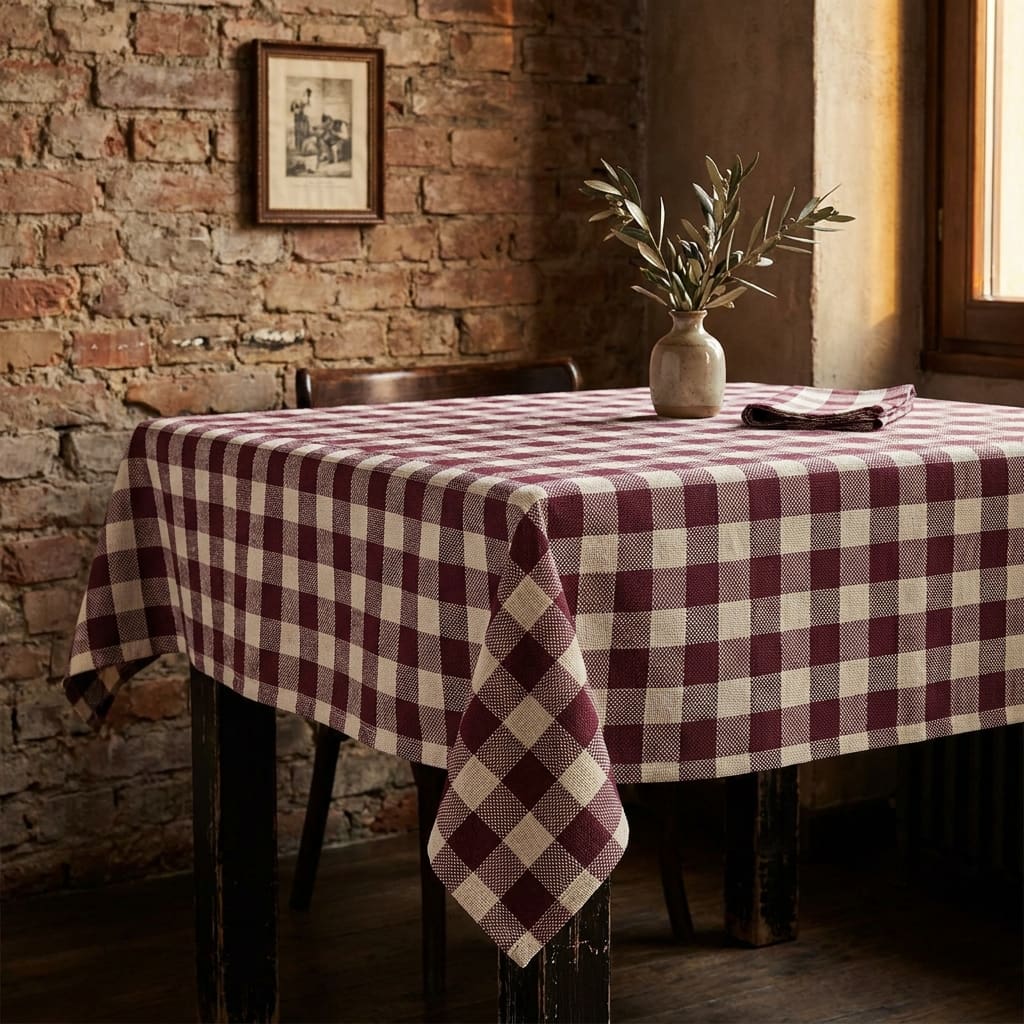
Place samples on actual tables with plates, glasses, and lighting. Photograph and review. Ask servers and managers for feedback. Real tables reveal qualities swatches cannot.
Laundry and Stain Tests
Wash samples several times and apply common stains. Check shrinkage, color retention, and wrinkling. Note drying time. Poor performers should be dropped.
Staff Handling Feedback
Servers handle cloths constantly and notice problems quickly. Their feedback on weight, size, and handling helps finalize decisions about tablecloths.
Final Order Checklist for Restaurant Table Linen Purchases
Product Details to Verify
Confirm each of the following with samples in hand before finalizing a bulk order:
- Commercial weight and drape are verified: The cloth hangs cleanly, hides the table, and keeps its body after washing.
- Fabric suits your service and laundry: Wrinkle resistance, drying time, and stain behavior fit your routine.
- Colors are fast and consistent: Samples hold shade after repeated washing, and the supplier can match lots on reorder.
- Sizes match your table types: You have measured every table and built a size chart, including patio and private room tables.
- Hems and seams are strong: Stitching is even and nothing loosens when tugged.
- Quantities include rotation and a reserve: Your calculation covers tables, laundry cycles, events, and expected losses.
- Case-pack pricing, shipping timing, and reorder availability are confirmed: You know the total cost, when the order will arrive before your busy season, and that the same item can be ordered again.
Teams to Brief
Servers, managers, and laundry handlers should all see the plan, including par levels, handling standards, and retirement rules. Confirm the delivery date and prepare storage space.
Records to File
Specification, order date, lot information, quantities, prices, and inventory counts by size belong in one place. Update the record whenever products or quantities change.
Direct Textile Store Support for Restaurant Table Linen Programs
Restaurants working through this process benefit from one dependable source that simplifies ordering, keeps every table consistent, and holds quality steady from one order to the next. Direct Textile Store carries commercial weight tablecloths in commercial weights and multiple colors for professional dining rooms. Browse styles and case packs to outfit your operation. Built for hospitality settings where linens are laundered constantly and judged by guests at every seating, the range puts durability, colorfastness, and consistent sizing at the center of every product.
Restaurants gain real advantages from having wholesale tablecloths available in consistent specifications and case-pack quantities. With one source for tablecloths, napkins, runners, and overlays, a restaurant can match fabrics and colors across the dining room, keep one set of care instructions, and avoid piecing together inventory from many places. Automatic case-pack pricing lowers the cost per piece as the order grows, and there are no coupons or minimums to manage, which makes budgeting simpler for owners and general managers. Opening a new location or refreshing an existing room, the same specification can be ordered and reordered with confidence.
Consistency matters as a restaurant grows. A patio expansion, a private dining room, or a second location all go more smoothly when additions match existing stock. Direct Textile Store also supplies other textiles restaurants use, including aprons, bar towels, napkins, and kitchen linens, so one relationship can support the whole operation. That breadth lets a restaurant standardize its textile program, simplify reordering, and keep supply predictable through holiday rushes and quiet weeks alike.
Closing Thoughts on Polished, Dependable Dining Room Tables
Durable tablecloths in commercial weights and colorfast shades, sized for every table type and bought in case packs at wholesale pricing, give a restaurant the best mix of polish and operating value. Restaurants that test samples on real tables and in their own laundry, count cloths with rotation and reserves, and standardize their specification tend to keep dining rooms consistent while controlling costs. Choosing wholesale tablecloths that match their service rhythm and laundry practice makes every seating smoother.
Real gains come from planning rather than from any single purchase. Par levels by size, a spill routine, a retirement standard, and a reorder calendar tied to seasons and events turn a stack of cloth into a managed program. Servers know what to set and when to swap, laundry knows what to expect, and managers see at a glance what the restaurant owns and needs. With those habits in place, orders arrive before shortages, reserves stay healthy, and every table looks ready.
Guests rarely comment on tablecloths, but they notice immediately when a table looks stained, wrinkled, or mismatched. Dependable tablecloths contribute to the impression of care quietly and steadily, seating after seating. Restaurants that plan ahead, rather than replacing tablecloths only when stains linger or a big weekend arrives, protect their margins, their staff, and the reputation that fills the room.

Learn More About Our Experience Supplying Wholesale Linens → About Direct Textile Store
Direct Textile Store is a leading U.S. wholesale linen and textile supplier trusted by over 131,000 hotels, hospitals, healthcare facilities, restaurants, spas, salons, resorts, gyms, emergency shelter and response, funeral homes, VRBO & Airbnb hosts, car washes, and commercial buyers nationwide. Shop in bulk with everyday low wholesale pricing and automatic 20% case-pack discounts — no coupons or minimums required. Choose from one of the largest in-stock selections available: over 135,000 towels, pool towels, sheets, blankets, comforters, tablecloths, pillows, bed toppers, aprons, hospital gowns, patient gowns, isolation gowns, scrubs, shower curtains, chef apparel, smocks, lab coats, uniforms, and commercial laundry equipment including wire, vinyl, and poly laundry carts, trucks, and privacy screens — all ready to ship today. Free shipping on orders over $5,999.
FAQ
What weight of tablecloths should a restaurant choose?
Choose commercial weight, which drapes cleanly, hides the table, and survives frequent laundering better than lightweight cloths.
How many tablecloths does a restaurant need?
Plan about three per table, one in use, one clean, and one in the wash, plus a ten to twenty percent reserve.
Is it cheaper to buy wholesale tablecloths in case packs?
Generally yes. Case packs lower per-cloth cost and keep color and size consistent across a large order.
How can a restaurant reduce stain losses on tablecloths?
Use soil-release finishes, blot spills quickly, swap soiled cloths between seatings, and pre-treat stains before washing.
What colors work best for restaurant tablecloths?
White, ivory, black, and gray cover most concepts, with a few accent colors for seasonal menus or events.
What should I test before ordering wholesale tablecloths?
Set samples on real tables under your lighting, wash them several times, apply common stains, and check hems.
7. Where can I order tablecloths for my restaurant?
Direct Textile Store carries commercial weight tablecloths in commercial weights and multiple colors for professional dining rooms. Case-pack pricing and consistent in-stock inventory make it a practical option for restaurants.